Advances in HIV Research Point Toward Potential Cure
Recent HIV studies reveal promising routes toward a cure, including immunotherapy that may control the virus without daily medication, highlighting significant progress in HIV research.

All articles tagged with #hiv cure
Recent HIV studies reveal promising routes toward a cure, including immunotherapy that may control the virus without daily medication, highlighting significant progress in HIV research.
A German man, Berlin 2, remains in HIV remission six years after a stem cell transplant from a donor with only one copy of the CCR5 Δ32 mutation, suggesting new avenues for HIV treatment beyond rare donor matches, and highlighting the potential of reservoir reduction and immune system rebuilding in achieving long-term remission.

A groundbreaking clinical trial in South Africa has resulted in one young woman potentially being cured of HIV, marking a significant milestone in the global effort to find a cure, especially in Africa where most cases occur. The trial used a 'kick and kill' strategy with innovative drugs, and while only one participant remains HIV-free after two years, the results offer hope and valuable insights for future research.
Australian scientists have made a significant breakthrough in HIV research by using mRNA technology with lipid nanoparticles to force the virus out of hiding in infected cells, potentially paving the way for a cure. The team is now preparing for preclinical testing in animals, with human trials possibly years away, and the approach may have broader applications for other diseases.
Scientists at the Peter Doherty Institute have developed a new mRNA delivery method using lipid nanoparticles to make HIV visible within cells, marking a significant step toward potentially curing the virus, though further research and trials are needed before it can be used in humans.
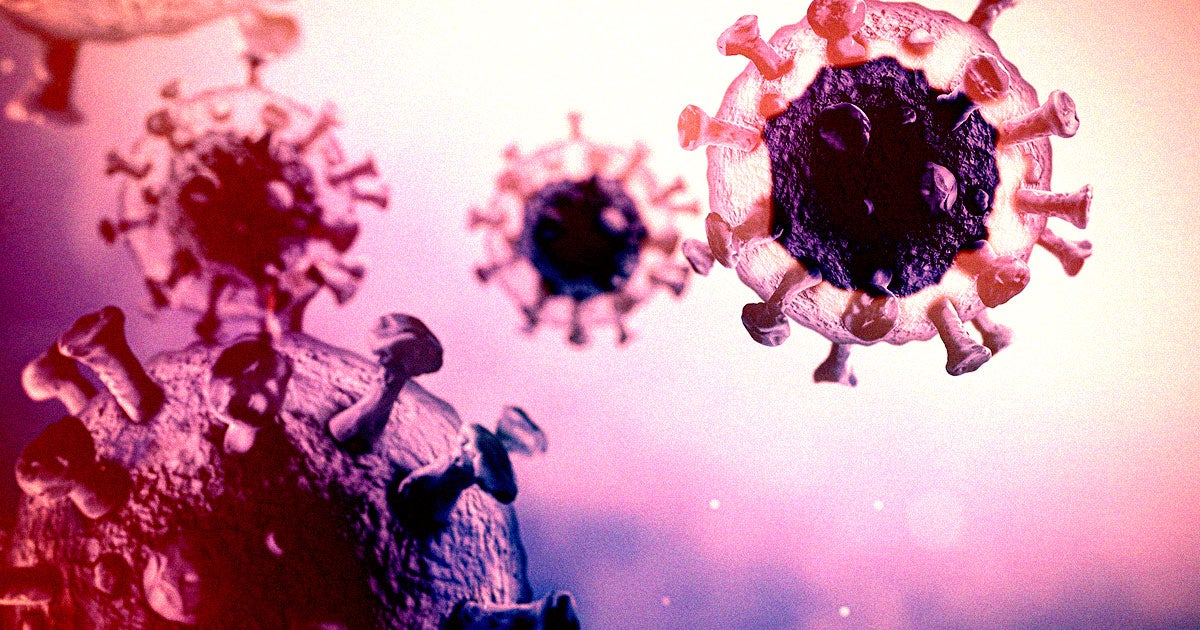
Scientists at the Peter Doherty Institute have developed a new mRNA delivery method using lipid nanoparticles to make hidden HIV visible in cells, marking a significant step toward potentially curing the virus, though further testing and trials are needed.
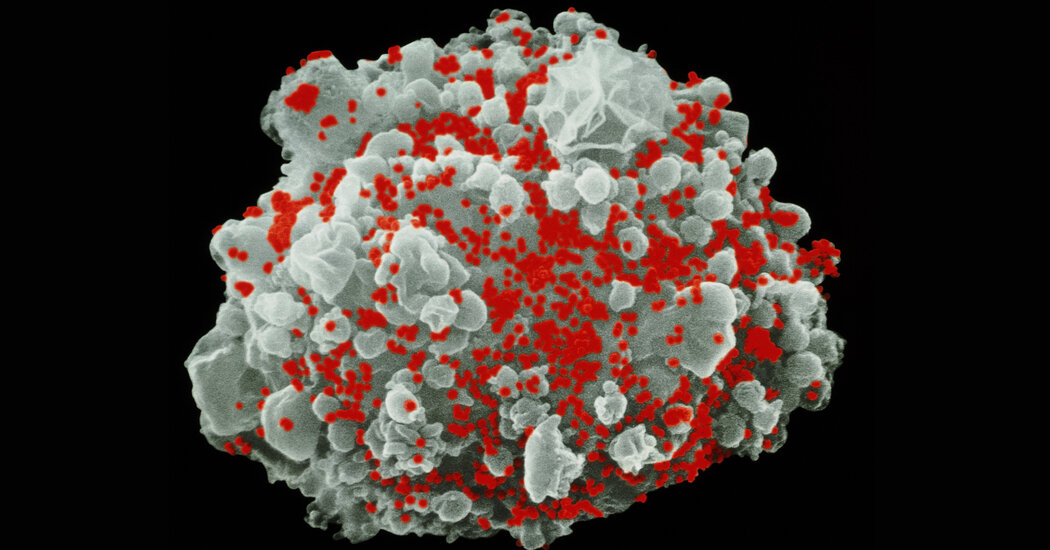
Australian researchers have used mRNA technology, similar to that in Covid vaccines, to induce HIV-infected cells to reveal themselves, a potential step toward curing HIV, though the findings are still preliminary and lab-based.
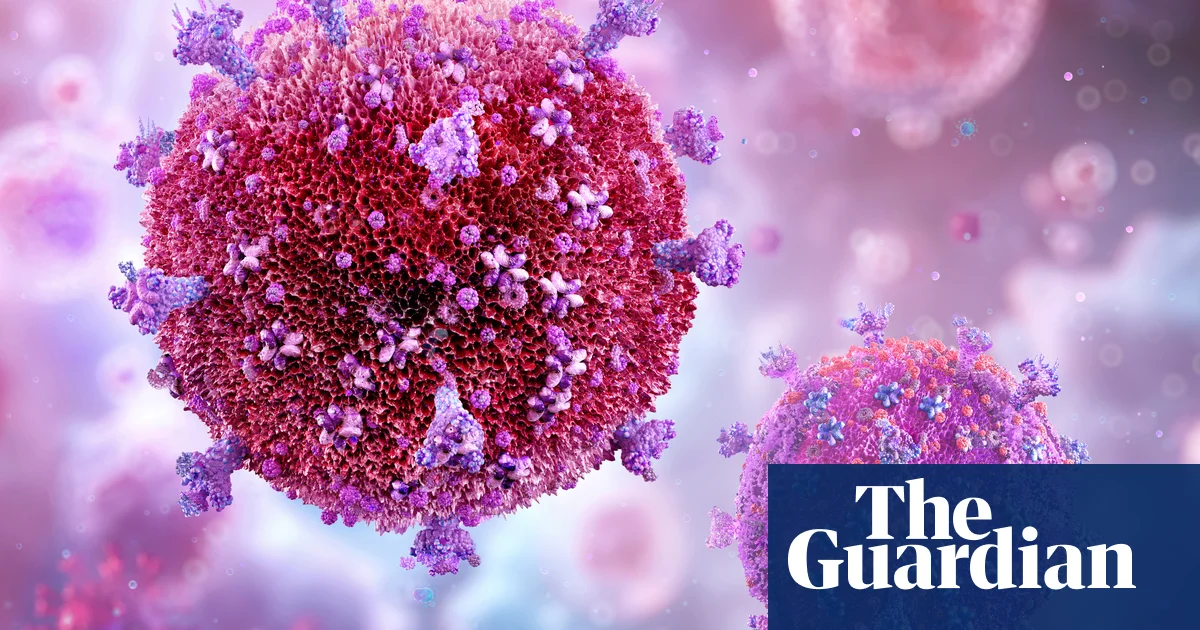
Researchers have developed a new mRNA delivery method using specialized lipid nanoparticles to make hidden HIV in white blood cells visible, potentially paving the way for a cure, though further research and trials are needed.
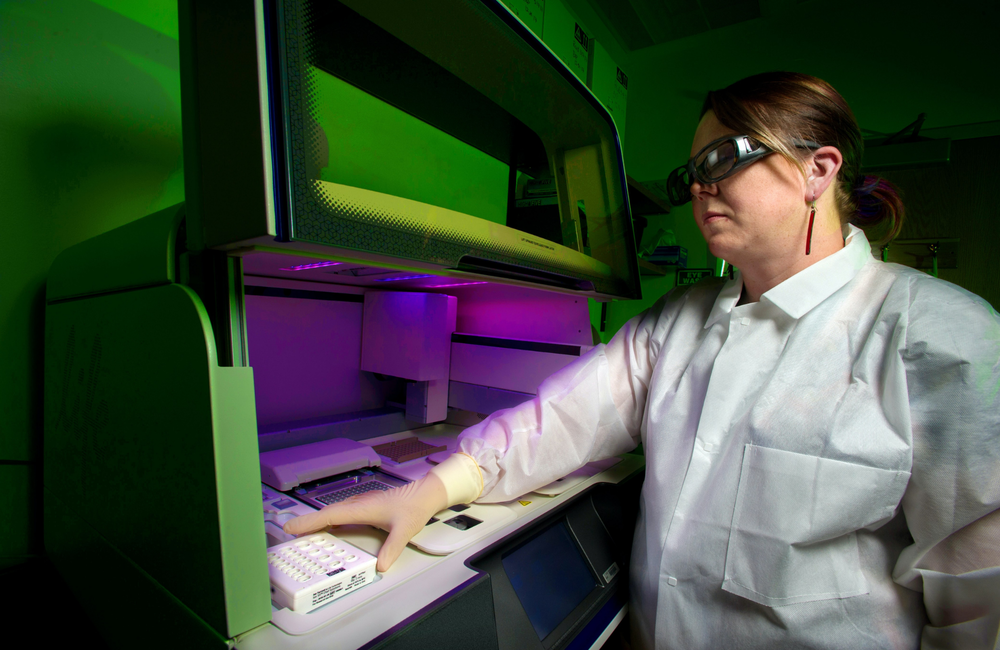
Gene editing with CRISPR/Cas9, a potential strategy for an HIV cure, may lead to unintended changes in nearby gene sequences, potentially activating genes that could contribute to cancer development, according to Dutch researchers. The study found that while the editing machinery accurately targeted the HIV provirus sequences, the DNA repair process of the cells resulted in the random removal or addition of DNA sequences in the neighboring non-viral regions. These findings highlight the need for further research to fully understand the risks and benefits of gene editing technologies for HIV cure strategies.

A European man who received a stem cell transplant to treat blood cancer has been in remission from HIV for nearly two years, potentially joining the small group of individuals considered cured of the virus. Unlike previous cases, the man's donor did not have a rare genetic abnormality that confers resistance to HIV. The case will be presented at an upcoming conference on HIV science. Additionally, researchers have identified boys born with HIV who did not experience viral rebound after interrupting antiretroviral treatment, and a study in China suggests that circumcision may reduce the risk of HIV transmission among gay and bisexual men. Another study found that being immunocompromised, including from HIV, increased the risk of hospitalization with mpox (formerly known as monkeypox).