A federal vaccine advisory committee is considering changing the recommendation for hepatitis B vaccination in newborns, which has been a public health success in reducing infections. The move has sparked debate due to concerns about safety, trust, and potential increases in hepatitis B cases if delayed, with many health organizations advocating to continue the current practice of vaccinating at birth.
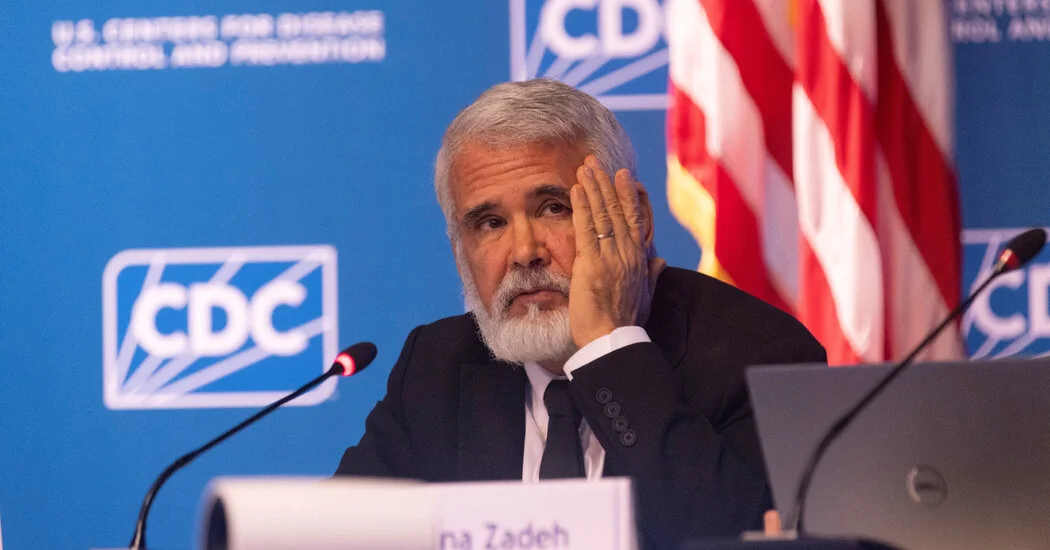
The CDC’s vaccine advisory committee faces a crisis due to political influence and procedural irregularities, leading to potential destabilization of vaccine policies, public trust erosion, and risks to vaccine supply and safety, especially concerning the hepatitis B birth dose and vaccine messaging on autism. Immediate action is needed to reaffirm scientific integrity and restore public confidence.
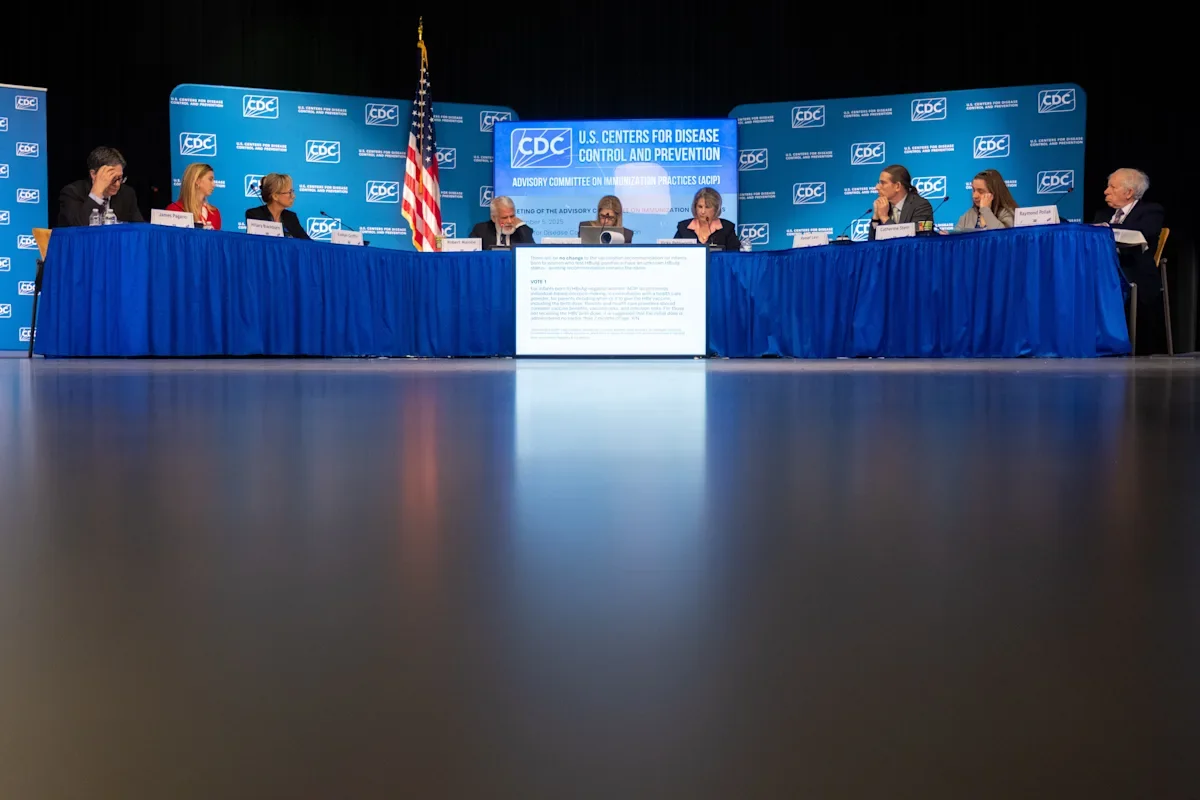
The article discusses the upcoming ACIP meeting, which influences U.S. vaccine policies, insurance coverage, and public perception, highlighting the importance of understanding its decisions.
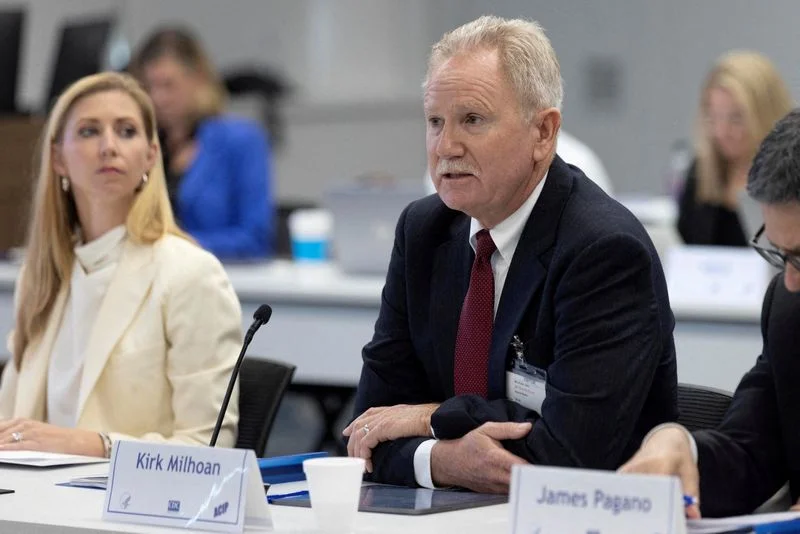
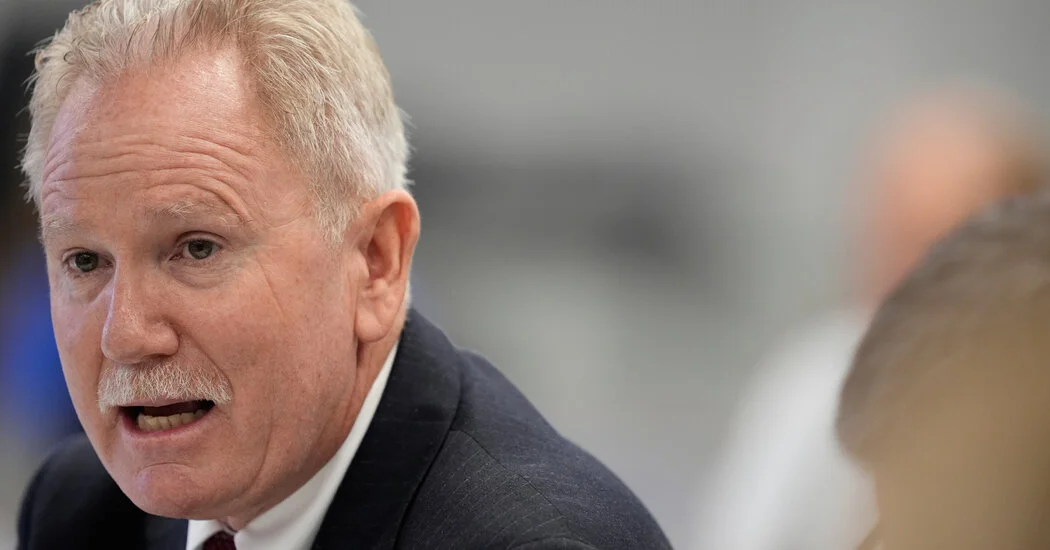
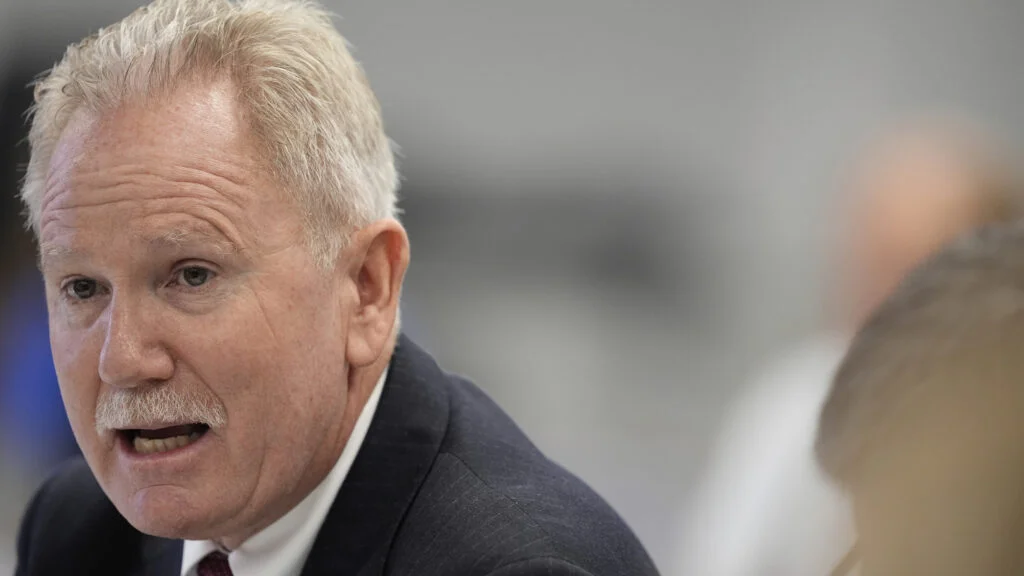
The article criticizes Robert F. Kennedy Jr.'s appointment of Kirk Milhoan to the CDC's vaccine advisory panel, highlighting Milhoan's unsupported claims linking vaccines to cancer and miscarriages, and discusses potential setbacks in vaccine policy, including opposition to the hepatitis B vaccine and regulatory changes influenced by antivaccine sentiments.
The US CDC has laid off staff supporting the Advisory Committee on Immunization Practices (ACIP), potentially disrupting vaccine recommendations and development, with the impact including postponed meetings, delayed vaccine schedules, and challenges in approving new vaccines, raising concerns about the future of immunization policy and public health safety.
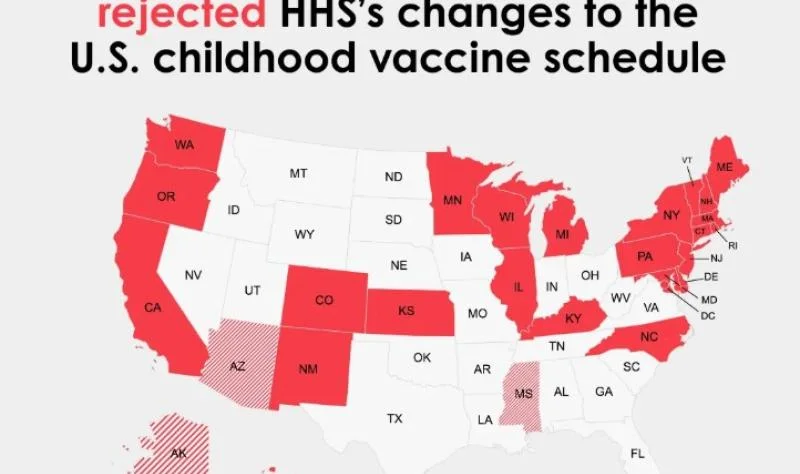
The Trump administration's changes to Covid and childhood vaccine recommendations, including weakened guidance from ACIP and delays in vaccine updates, could complicate access and create public confusion, though many health experts emphasize the importance of vaccination for high-risk groups and advise consulting healthcare providers for individual decisions.
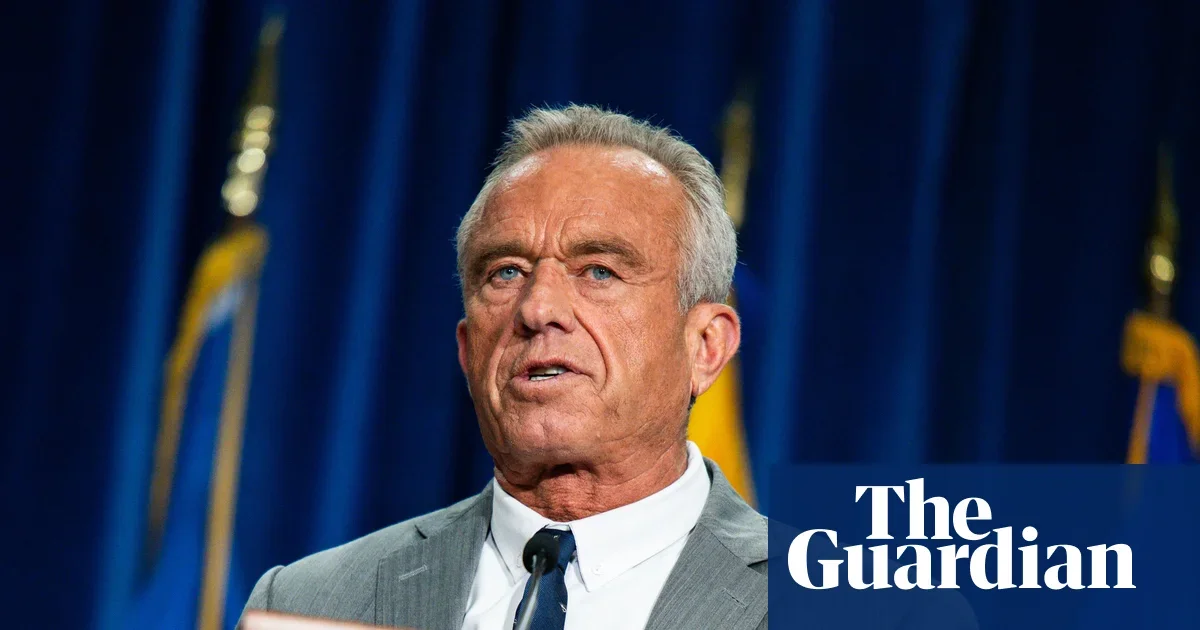
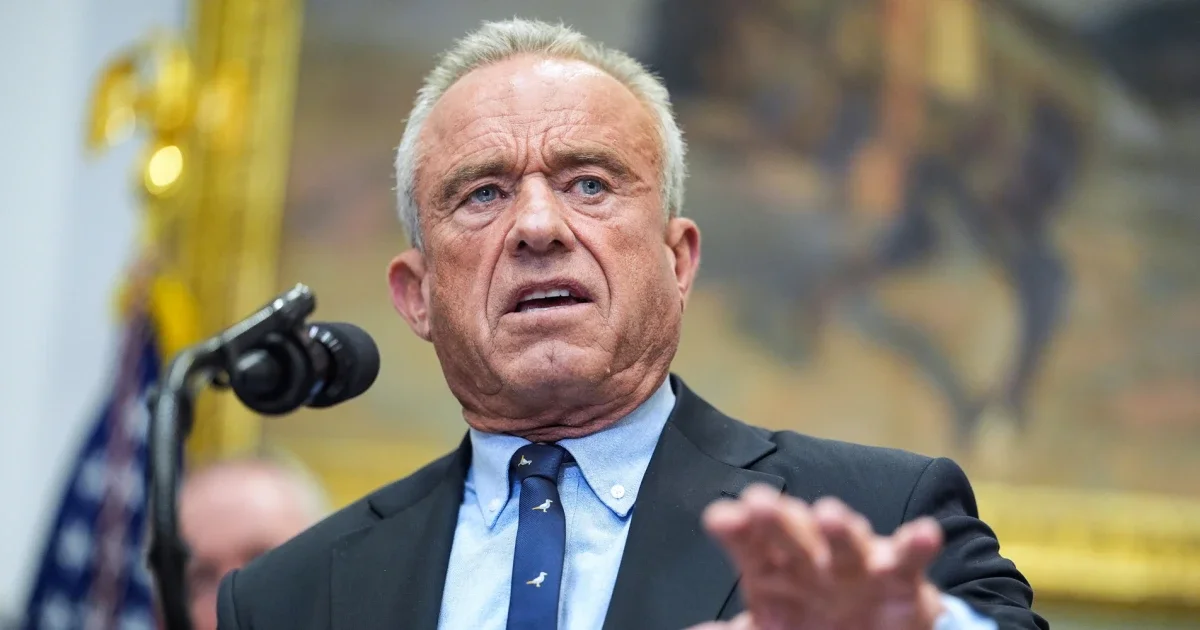
The CDC's vaccine advisory panel, recently restructured by HHS Secretary Robert F. Kennedy Jr., has seen significant changes that have led to divisions and confusion over vaccine recommendations, especially for COVID-19 and childhood vaccines. The new panel's decisions, influenced by vaccine skepticism and lacking transparency, threaten to alter vaccine policies and access, raising concerns among public health experts about the shift away from evidence-based practices.
Drew Weissman, a Nobel laureate and expert on mRNA technology, refutes claims made by ACIP members that COVID-19 mRNA vaccines persist in the body or cause safety issues, emphasizing that extensive studies show the vaccines are safe and that mRNA degrades rapidly, with no evidence of widespread distribution or long-term presence in the body.
During a contentious ACIP meeting, RFK Jr.'s appointed advisers questioned vaccine safety data, revisited old vaccine policies, and suggested limiting certain childhood vaccines, raising concerns about the shift from science-based decision-making and potential impacts on public trust in vaccines.
Kennedy-appointed vaccine panel (ACIP) in the US has weakened COVID-19 shot recommendations, now advising vaccination based on individual consultations with healthcare providers, especially emphasizing high-risk groups, which may impact vaccine access and coverage.
The CDC vaccine advisory panel voted to delay the hepatitis B vaccine decision to allow more data review, amidst controversy over vaccine recommendations and recent panel reorganization by Kennedy.
Vaccine advisers on the CDC's ACIP are deliberating on recommendations for who should receive the updated coronavirus vaccines, a decision that will impact vaccine access.
A U.S. federal vaccine advisory panel is debating delaying the hepatitis B vaccine for newborns, which could risk a resurgence of the disease, despite longstanding public health success. The delay is being considered for babies born to hepatitis B-negative mothers, but experts warn it could lead to more cases of chronic liver disease. The panel also discussed separating the MMRV vaccine doses, which has caused controversy and confusion about vaccination practices. The decisions reflect ongoing debates about vaccine safety, trust, and public health policy.
The CDC's vaccine advisory panel, with new members appointed by RFK Jr., voted to change recommendations on the combined MMRV vaccine for children under 4, favoring separate vaccines due to safety concerns, while also discussing hepatitis B vaccine policies amidst political and public trust issues.
The CDC's vaccine advisory panel is debating potential changes to childhood vaccine recommendations, including the use of the MMRV vaccine, amid controversy over new leadership appointed by Health Secretary Robert F. Kennedy Jr., with debates focusing on vaccine safety, parental choice, and the politicization of vaccine policymaking.