A new study suggests that a genetic variant related to meat digestion played a significant role in human evolution by influencing height and metabolic rate, with evidence from ancient DNA and experiments in mice showing that increased ACSF3 gene activity, driven by meat-based diets, contributed to growth and energy use, highlighting how dietary shifts shaped our biology.
The tradition of centering celebratory meals around meat dishes, such as turkey on Thanksgiving, is contributing to climate change due to high meat consumption in the U.S. The article discusses the environmental impact of this dietary habit and suggests ways to reduce meat intake to mitigate its effects on the climate.
Former baseball star Alex Rodriguez has made significant changes to his diet and lifestyle, including reducing his meat consumption to one or two days out of 10, down from eight days out of 10. He has also incorporated yoga, meditation, and regular workouts into his routine, resulting in a 32-pound weight loss. Research has shown that reducing meat intake can lower the risk of cancer, and Rodriguez's dietary shift aligns with the habits of people in Blue Zones, where longevity and health are common.
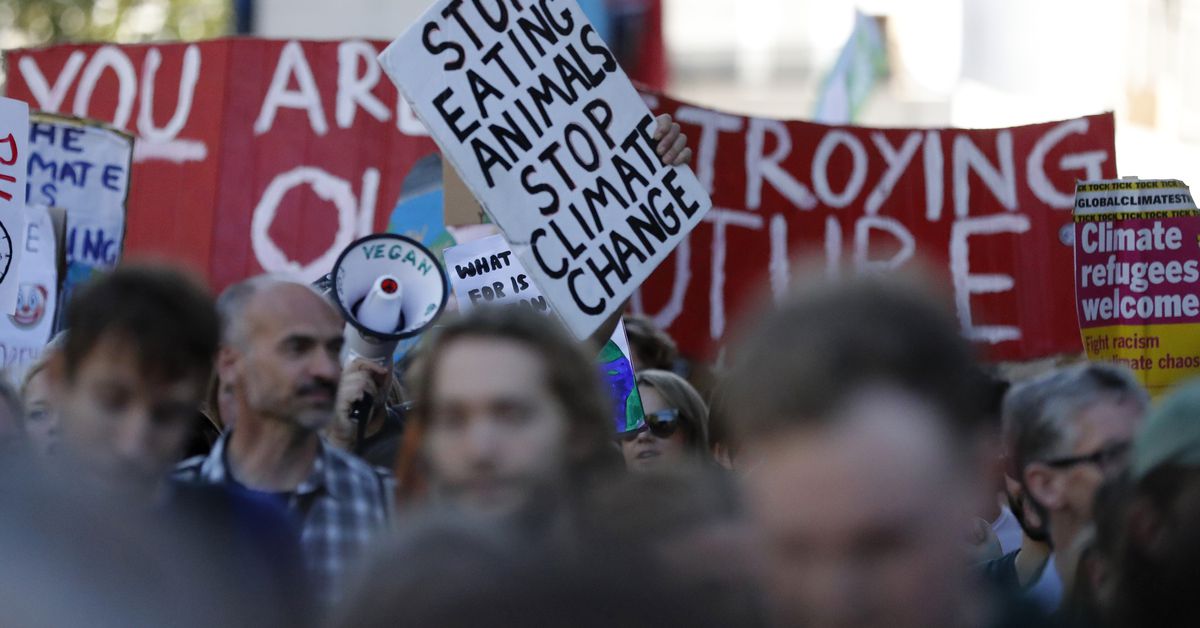
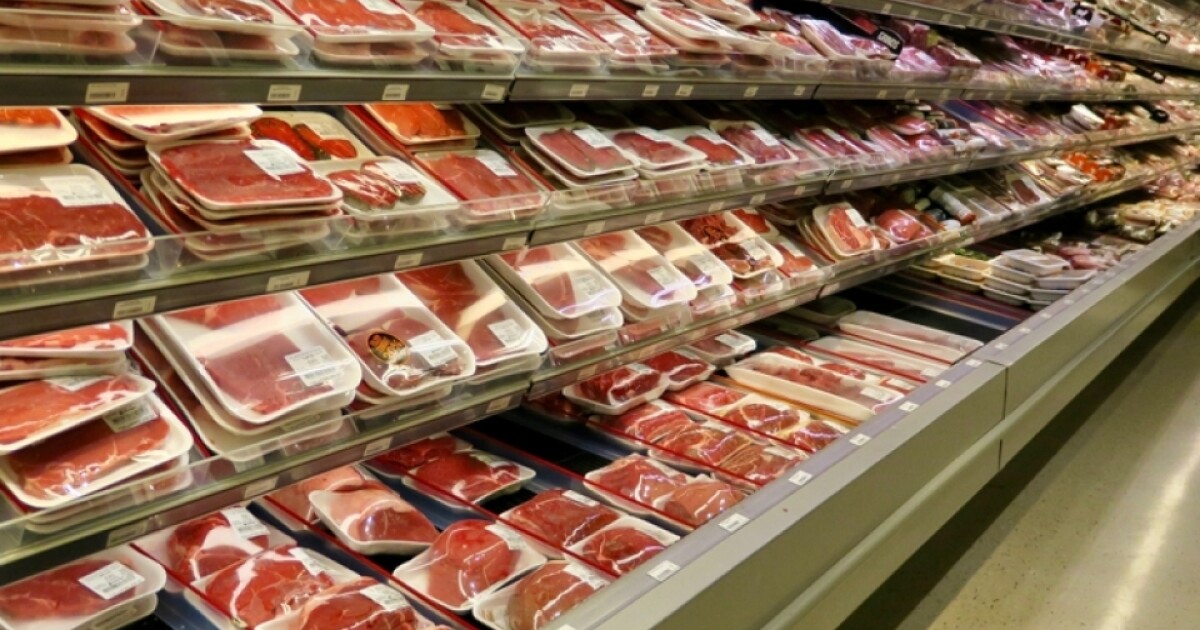
Meat production has a significant environmental impact, prompting a need for eco-friendly protein sources. Experts recommend consuming fruits, vegetables, beans, lentils, and soy-based products as sustainable alternatives. Reducing meat consumption, choosing higher-quality, lower-impact meat products, and sourcing locally can also contribute to a more climate-friendly diet. Lab-grown meat is a potential option, but its impact on the planet and consumers is still being studied.
A study comparing food labels found that using terms like "vegan" and "plant-based" is less effective in persuading meat eaters to choose plant-based options. Labels emphasizing health and sustainability benefits were more successful in encouraging consumers to select products without meat and dairy. The study suggests that highlighting the benefits of a product, rather than focusing on its content, can be more attractive to consumers. However, additional research has shown that emphasizing taste and other qualities of food, such as provenance and flavor, can also be effective in promoting sustainable choices.
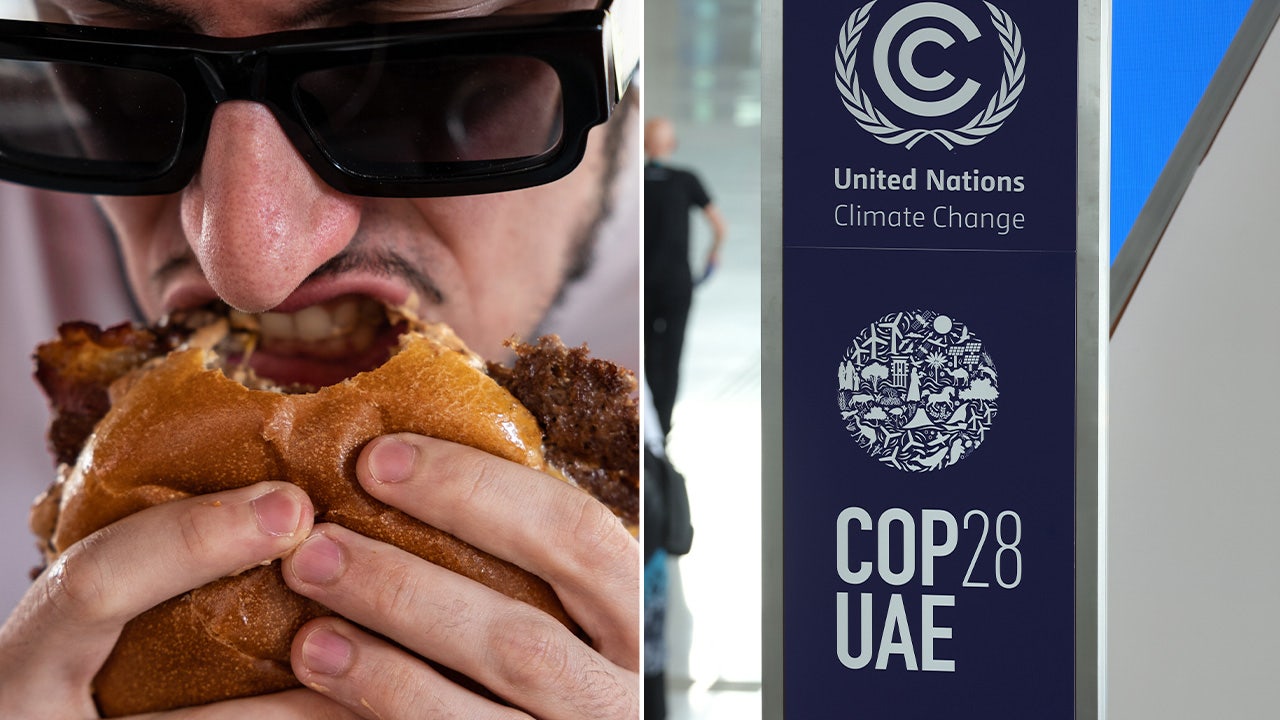
A survivor of communist China has criticized the United Nations (UN) for its hypocrisy on meat consumption and climate change. The UN has called on countries, including the US, to reduce meat consumption to combat climate change, while attendees at the COP28 summit in Dubai were reportedly served gourmet beef dishes. The critic draws parallels between the strict food rationing system in communist China, which limited meat consumption, and the UN's calls for meat reduction. She argues that the UN's intentions are not about the environment but rather about controlling people's freedom to choose how they live their lives.
The United Nations COP28 summit in Dubai will feature a plant-based menu for two-thirds of the food served, highlighting the link between food systems and climate change. Meat and dairy production contribute significantly to greenhouse gas emissions and other environmental issues. However, while there is growing recognition of the need to reduce meat consumption, policymakers are hesitant to address the issue due to political challenges and industry influence. Shifting diets and implementing sustainable farming practices are both necessary to mitigate agricultural emissions, but the focus remains on technological solutions rather than dietary changes. The imbalance in meat consumption between wealthy countries and the Global South is a key challenge, and efforts to reduce meat consumption and promote plant-based alternatives face resistance.
The United Nations' Food & Agriculture Organization (FAO) is expected to advise Americans to eat less meat in order to meet the goals of the Paris Climate Accords. The FAO will announce this guidance at the COP28 summit in December, urging richer nations like the U.S. to curb their "overconsumption" of meat, which contributes to one third of global greenhouse emissions. Developing nations will be advised to increase meat production to address nutritional deficiencies. The FAO will also recommend measures to help farmers adapt to erratic weather patterns and reduce emissions from food production. However, implementing this guidance may face political challenges in the U.S. as livestock is a politically sensitive issue.
The United Nations' Food & Agriculture Organization (FAO) is expected to release a global food systems' road map during the upcoming COP28 climate summit, calling on nations, including the United States, to reduce meat consumption as part of efforts to combat greenhouse gas emissions. The FAO's recommendations will also address farmers' adaptation to erratic weather and emissions from food waste and fertilizer use. The road map aims to guide policy on reducing the climate impact of the agriculture industry, which is responsible for a significant portion of global emissions. The UN has long advocated for plant-based diets to mitigate the environmental impact of animal-based diets. However, critics argue that American farmers have already made significant progress in reducing emissions and that regulating them out of business would not effectively address global climate change.
The United Nations' Food & Agriculture Organization (FAO) is set to release the first comprehensive plan to align the global agrifood industry with the Paris climate agreement. The plan, expected to be published during the COP28 summit, will urge developed nations to reduce their meat consumption while encouraging developing countries to improve their livestock farming practices. Food systems contribute to about one-third of global greenhouse gas emissions, with livestock farming being a major source of methane, deforestation, and biodiversity loss. The FAO's plan, although non-binding, aims to inform policy and investment decisions and accelerate the food industry's climate transition. The guidance on meat consumption is intended to send a clear message to governments, even though politicians in wealthier nations tend to avoid policies that influence consumer behavior. The FAO's plan will also address issues such as weather adaptation, food waste, and fertilizer use, and will be rolled out in three parts over the next few years.
Health experts suggest that while it may be challenging to give up red meat completely, there are ways to minimize the associated health risks. Choosing leaner cuts of meat, such as Wagyu, and avoiding processed meats can help reduce the risk of heart disease, diabetes, and cancer. Cooking methods should also be adjusted to avoid charring, which can introduce harmful substances into the body. Limiting weekly consumption to no more than 450 grams of cooked red meat or 350 grams of unprocessed meat is advisable. Incorporating more chicken and fish into the diet can provide protein and nutrients while posing fewer health risks. The key is to approach red meat consumption with mindfulness and moderation.
A study published in Nature found that vegan diets contribute 75% less climate pollution, land use, and water pollution compared to diets that include 3.5 ounces of meat per day. The study, which analyzed the actual diets of 55,000 people and data from 38,000 farms in over 100 countries, provides the most comprehensive analysis on the environmental impacts of different diets to date. Despite efforts from the meat industry to convince otherwise, the conclusion that vegan diets are more climate-friendly is well established.
A study conducted by George Washington University, Northern Arizona University, the Wellcome Trust, the National Institutes of Health, and the Cowden Endowment for Food Microbiology has found that meat consumption may contribute to at least 480,000 urinary tract infections (UTIs) a year. Researchers collected samples from meat sold at grocery stores in Flagstaff, Arizona, and blood and urine samples from patients hospitalized with UTIs. They were able to determine that 8% of UTIs in the Flagstaff region were tied to eating meat. UTIs are more common in women and can cause pain or burning while urinating, frequent urination, bloody urine, and pressure or cramping in the groin or lower abdomen.