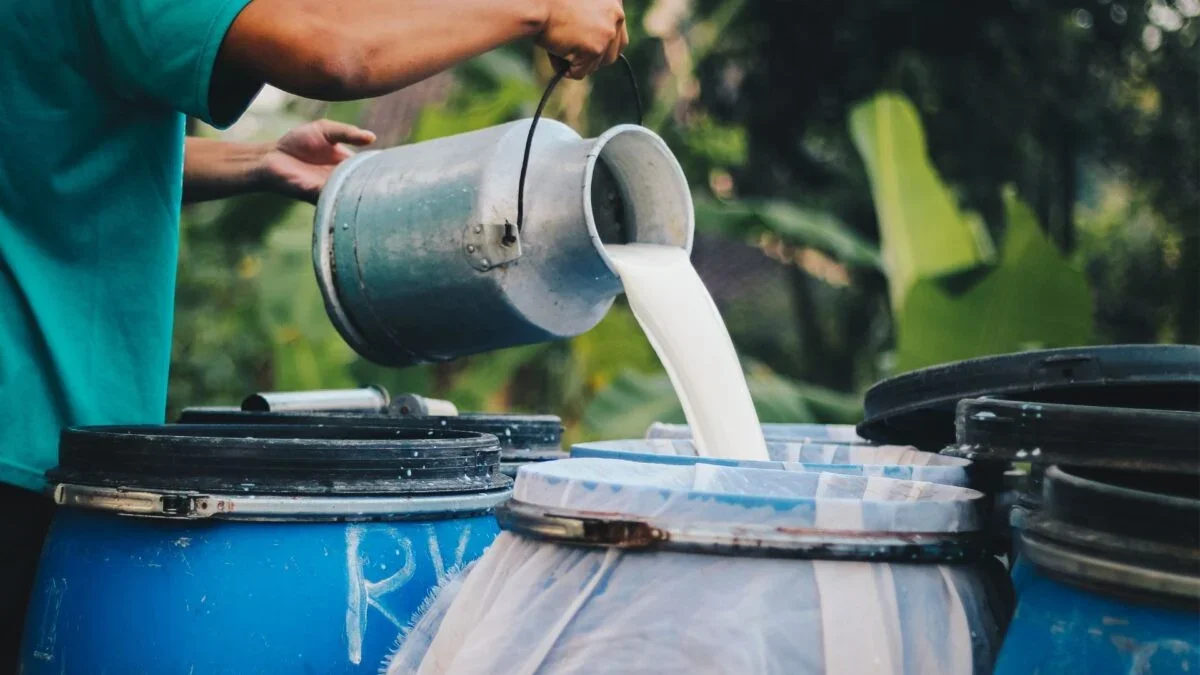
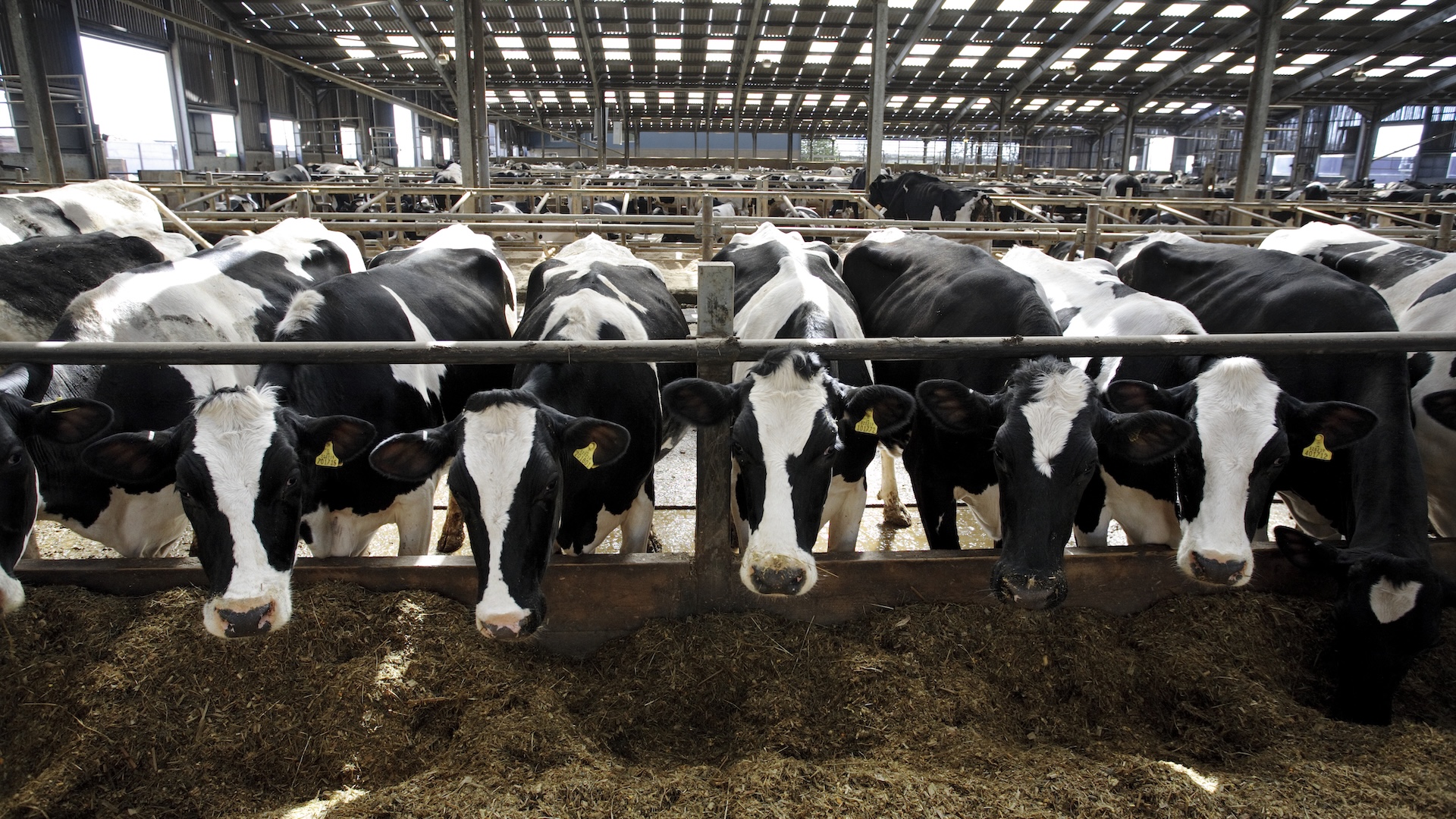
A newborn in New Mexico died from a Listeria infection likely linked to the mother drinking raw milk during pregnancy, prompting health officials to urge pregnant people to avoid raw dairy and rely on pasteurized products to reduce risk of serious illness and death.
The article warns that federal budget cuts are weakening the U.S. food safety system, leading to reduced surveillance, staffing shortages, and fewer inspections, which could result in increased foodborne illnesses and outbreaks, especially from imported foods and fresh produce.
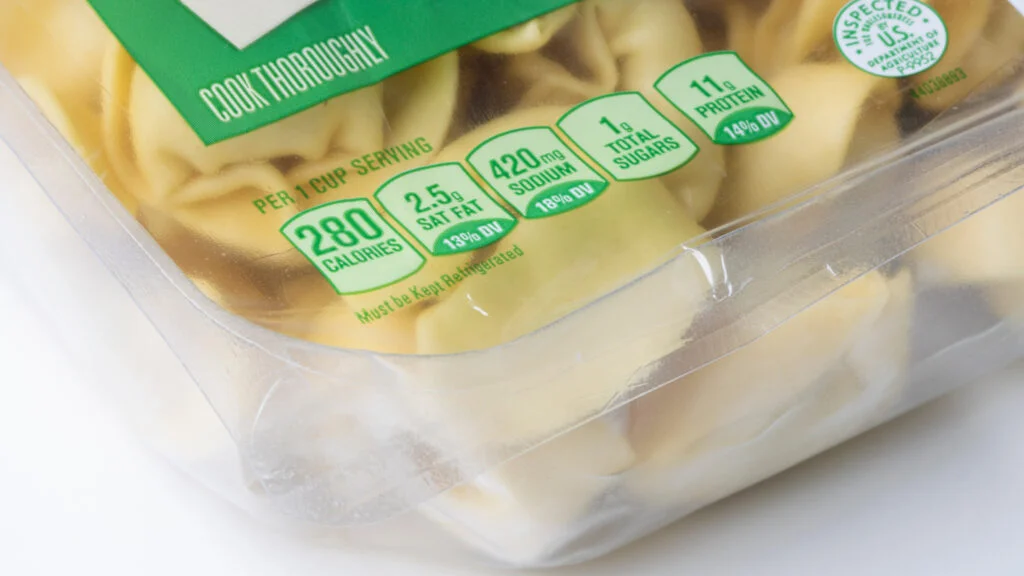
The article advocates for establishing an independent national foodborne outbreak investigation board in the U.S. to improve coordination, transparency, and effectiveness in handling food safety outbreaks, citing recent failures like the Listeria outbreak linked to pasta as reasons for reform. It emphasizes that a unified, technology-enabled approach could better protect public health, rebuild trust, and reduce the economic burden of foodborne illnesses.
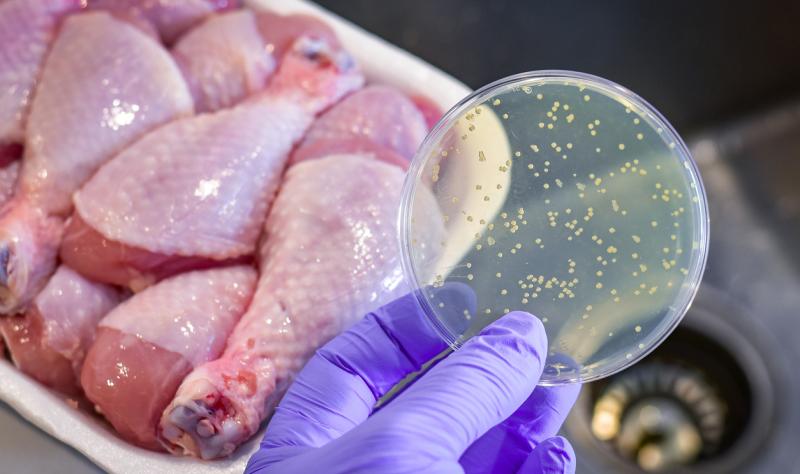
Research in Southern California links nearly 20% of urinary tract infections to E coli strains originating from food animals, especially poultry, with higher risks in impoverished communities, highlighting the need for better food safety and antibiotic stewardship.
A study finds that nearly 20% of urinary tract infections in Southern California are linked to E. coli from contaminated meat, especially chicken and turkey, with low-income communities at higher risk, highlighting a food safety concern that extends across the US.
A four-year study in Southern California found that nearly 20% of urinary tract infections were caused by E. coli bacteria from contaminated meat, highlighting a previously underrecognized foodborne source of UTIs and emphasizing the importance of proper food handling and stricter packaging regulations.
Kroger has voluntarily recalled two varieties of deli pasta salads, Basil Pesto Bowtie and Smoked Mozzarella Penne, sold across multiple states due to potential Listeria monocytogenes contamination from the pasta ingredient supplied by Nate’s Fine Foods. No illnesses have been reported, but consumers are advised not to eat the products and to return them for a refund or replacement.
The CDC has reduced its foodborne illness surveillance program, FoodNet, to focus only on Salmonella and STEC, citing funding cuts, which raises concerns about the potential impact on outbreak detection and public health safety.
A significant Salmonella outbreak linked to raw milk from a California dairy sickened over 160 people, mostly children, marking one of the largest raw milk-related outbreaks in recent US history. The outbreak highlights the risks of consuming unpasteurized dairy products, which can harbor various pathogens, especially affecting vulnerable populations like children and immunocompromised individuals.
Chi-Chi's, a popular Mexican restaurant chain that closed all its US locations in 2004 due to bankruptcy and a hepatitis A outbreak, is set to make a comeback. Hormel Foods, which owns the trademark, has partnered with Michael McDermott, son of the founder, to revive the brand with a modern twist. While details on the reopening are sparse, the move aims to honor the legacy of the original chain, which was established in the 1970s and once had over 200 locations.
A CDC study has linked morel mushrooms to a deadly outbreak in Montana last year, with 51 people reporting gastrointestinal illness after eating at a restaurant in Bozeman. Consumption of raw morel mushrooms was strongly associated with illness, and the investigation underscores the importance of prompt communication and collaboration between agencies in handling foodborne disease outbreaks. The study emphasizes the need for additional research on the impact of morel mushroom consumption on human health and recommends thorough cooking to limit adverse effects.
A study from the CDC has linked morel mushrooms to a deadly outbreak in Montana last year, where 51 people reported gastrointestinal illness after eating at a restaurant, resulting in two deaths. Consumption of raw morel mushrooms was strongly associated with illness, prompting public service announcements about their consumption. The investigation underscores the importance of cross-agency communication and collaboration in foodborne disease outbreak investigations, and highlights the need for additional research on the impact of morel mushroom consumption on human health.
Norovirus is spreading in the Northeast at the highest rates since April of last year, with over 13% of tests coming back positive. The virus, often referred to as the stomach flu, causes gastrointestinal symptoms and spreads easily on hands and surfaces. It is the leading cause of foodborne illness in the U.S., and there is no specific treatment, but the CDC recommends drinking lots of fluids to prevent dehydration.
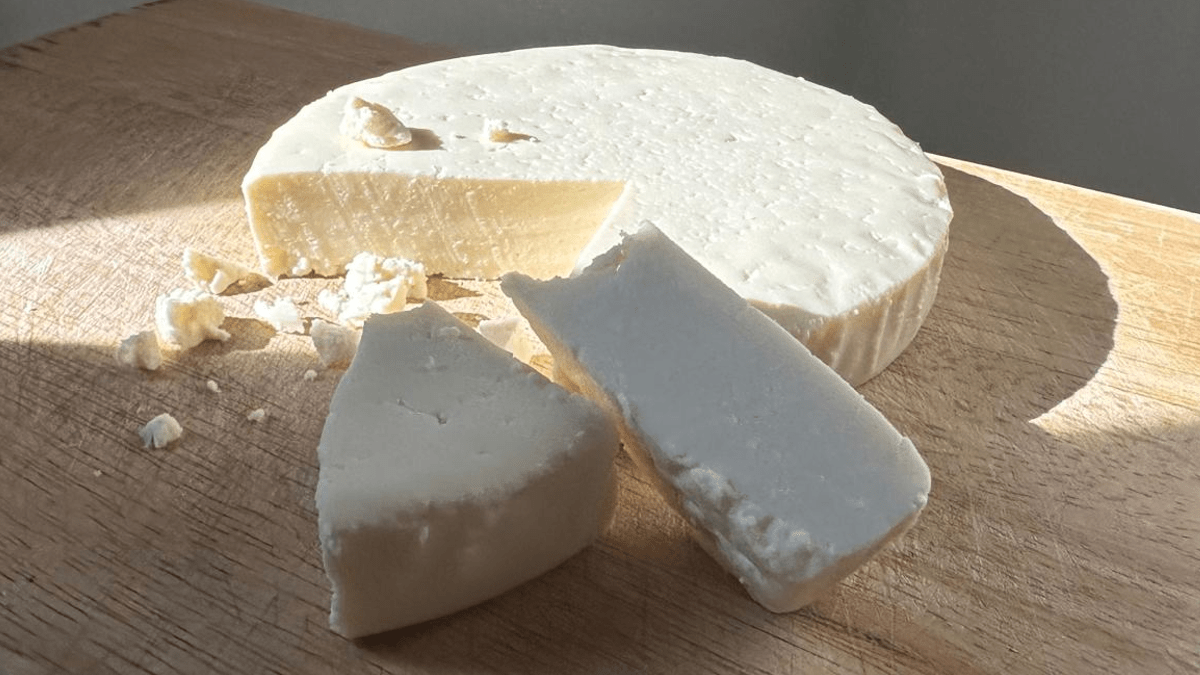
The CDC has reported two deaths and 23 hospitalizations linked to a Listeria outbreak caused by queso fresco and cojita cheese products, leading to a recall of several affected items. The outbreak, spanning 11 states and dating back to 2014, has been re-investigated after new illnesses were reported in December 2023. Rizo-Lopez Foods, the manufacturer of the contaminated cheese, has issued a recall, and affected products include those from Trader Joe’s and Amazon Kitchen. Listeria is particularly dangerous for pregnant individuals, the elderly, and those with weakened immune systems, and the CDC advises disposing of any recalled products and seeking medical attention if experiencing symptoms.
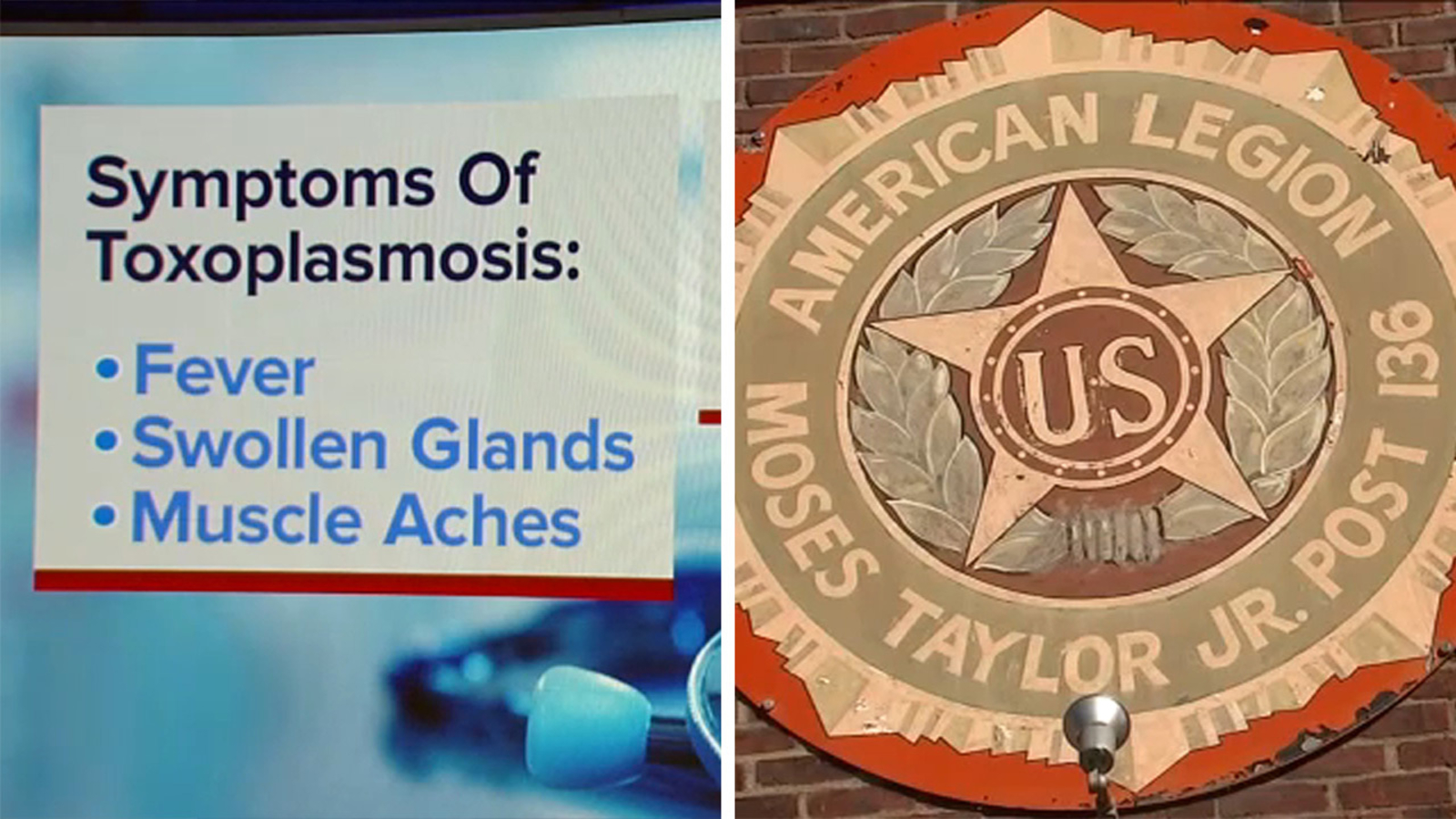
The Westchester County Health Department is investigating two cases of toxoplasmosis, a rare foodborne illness, possibly linked to undercooked venison served at wild game dinners at the Moses Taylor Junior American Legion Post 136 in Mount Kisco. The illness can be deadly for immunocompromised individuals and cause birth defects or miscarriages in pregnant women. The health department urges anyone who attended these dinners and ate the food to contact their doctor immediately, and advises pregnant or immunocompromised individuals with symptoms to call the department.