A new study analyzing rocks from the Ediacaran period suggests that the chaotic magnetic signatures from over 500 million years ago were caused by erratic Earth's magnetic field, not rapid continental movement, providing a clearer understanding of Earth's magnetic history and its impact on plate tectonics.
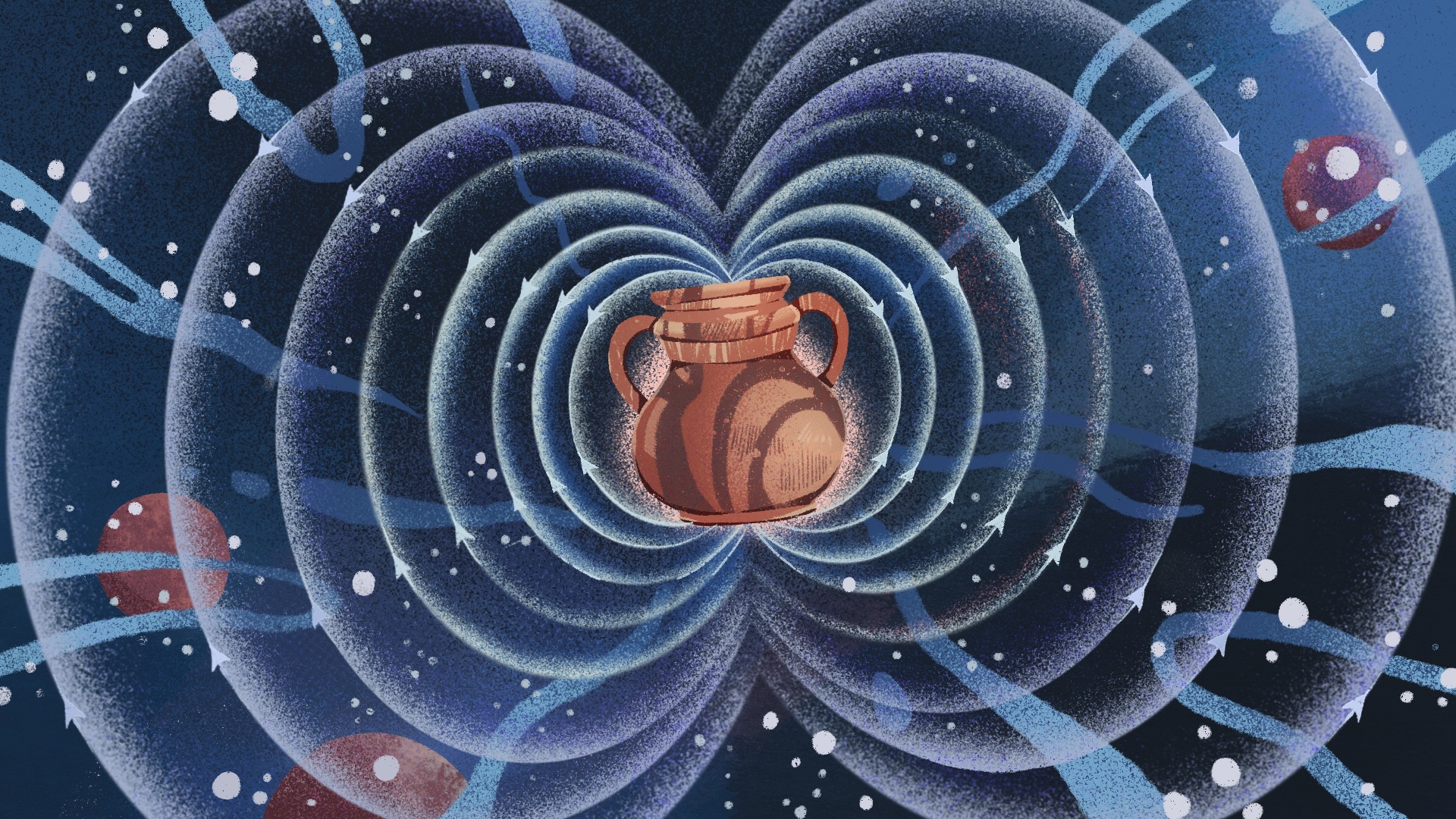
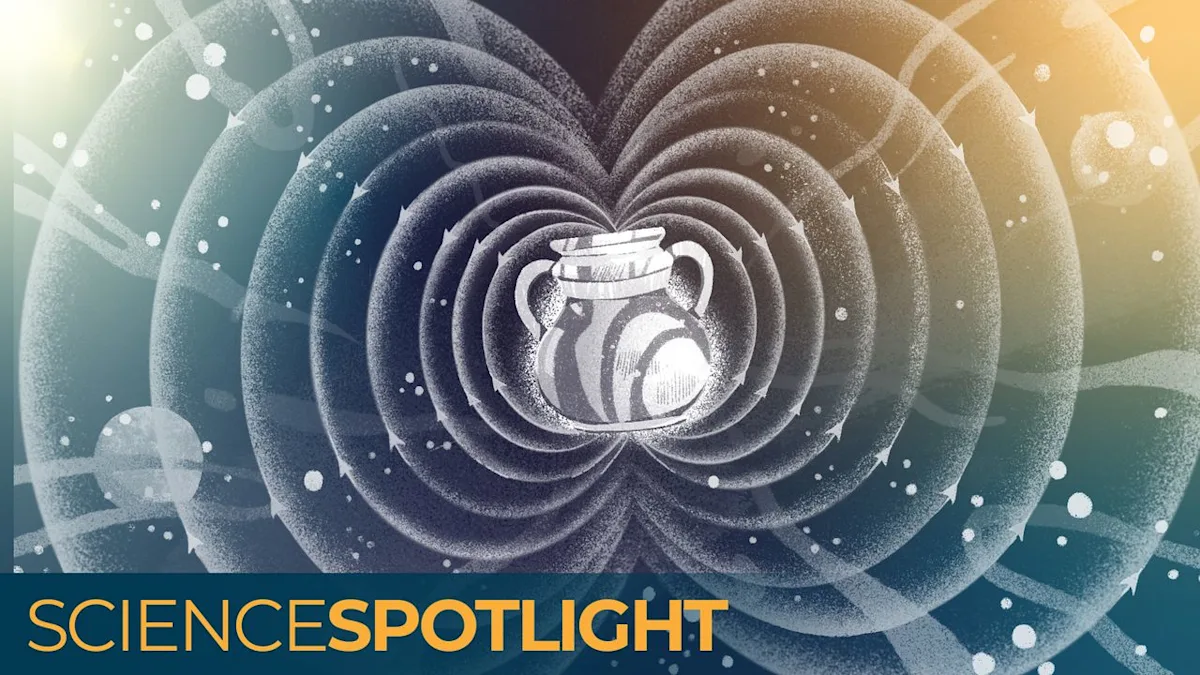
Ancient artifacts containing magnetic minerals reveal past fluctuations in Earth's magnetic field, including a significant anomaly from 3,000 years ago, which could help scientists better understand the current weakening of the magnetic field and its future implications, especially for satellite technology and space radiation protection.
Ancient artifacts containing magnetic minerals reveal past fluctuations in Earth's magnetic field, including a significant anomaly from 3,000 years ago, which could help scientists understand the current weakening of the magnetic field and its future implications, such as satellite disruptions and increased radiation exposure.
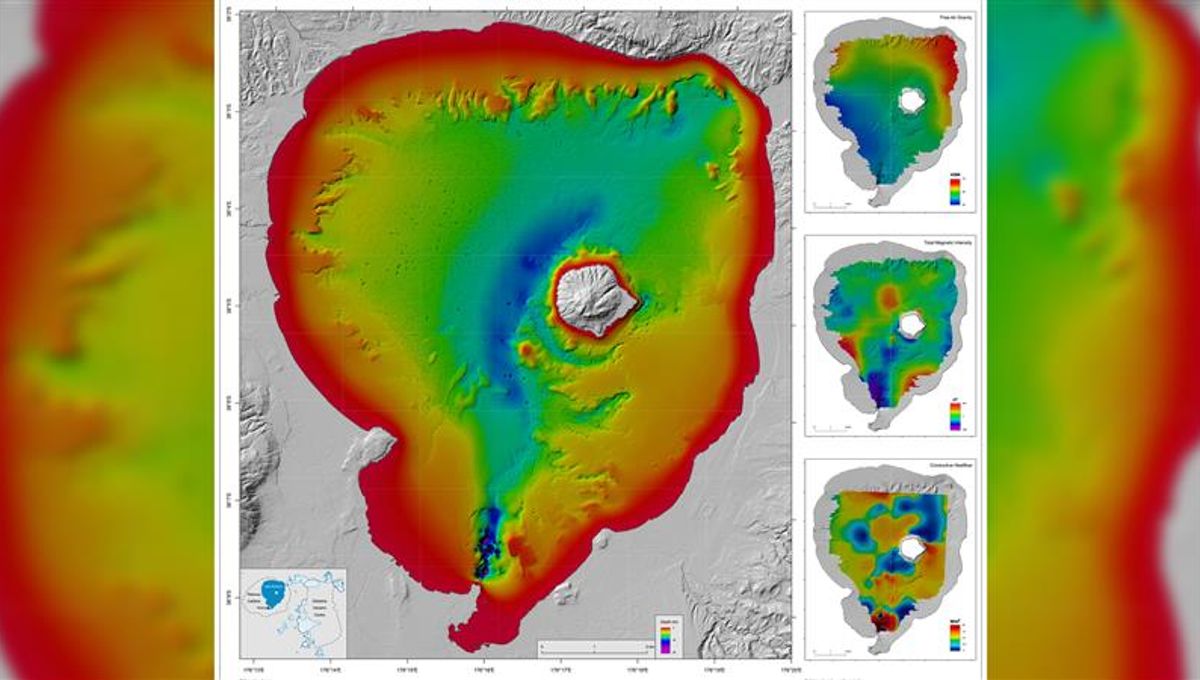
Scientists have completed the first comprehensive mapping of New Zealand's Lake Rotorua, uncovering ancient features and a peculiar magnetic anomaly. The maps reveal thousands of pockmarks on the lake's floor, evidence of an ancient river, and magnetic anomalies that suggest the presence of another hydrothermal system beneath the lake. This mapping provides new insights into the lake's geological history and hydrothermal processes, shedding light on the violent volcanic activity that formed the lake 200,000 years ago.
A massive object with "magnetic anomalies" buried deep beneath the Australian outback is likely the largest asteroid crater ever found on Earth, according to a study. Known as the Deniliquin Structure, the underground object has a minimum diameter of 273 miles, surpassing the Vredefort impact structure in South Africa. Geophysical data and core samples suggest that the crater is approximately 445 million years old and may have caused a mass extinction event. The discovery adds to the 30 known craters on the Australian continent, with the oldest dating back over 1 billion years.