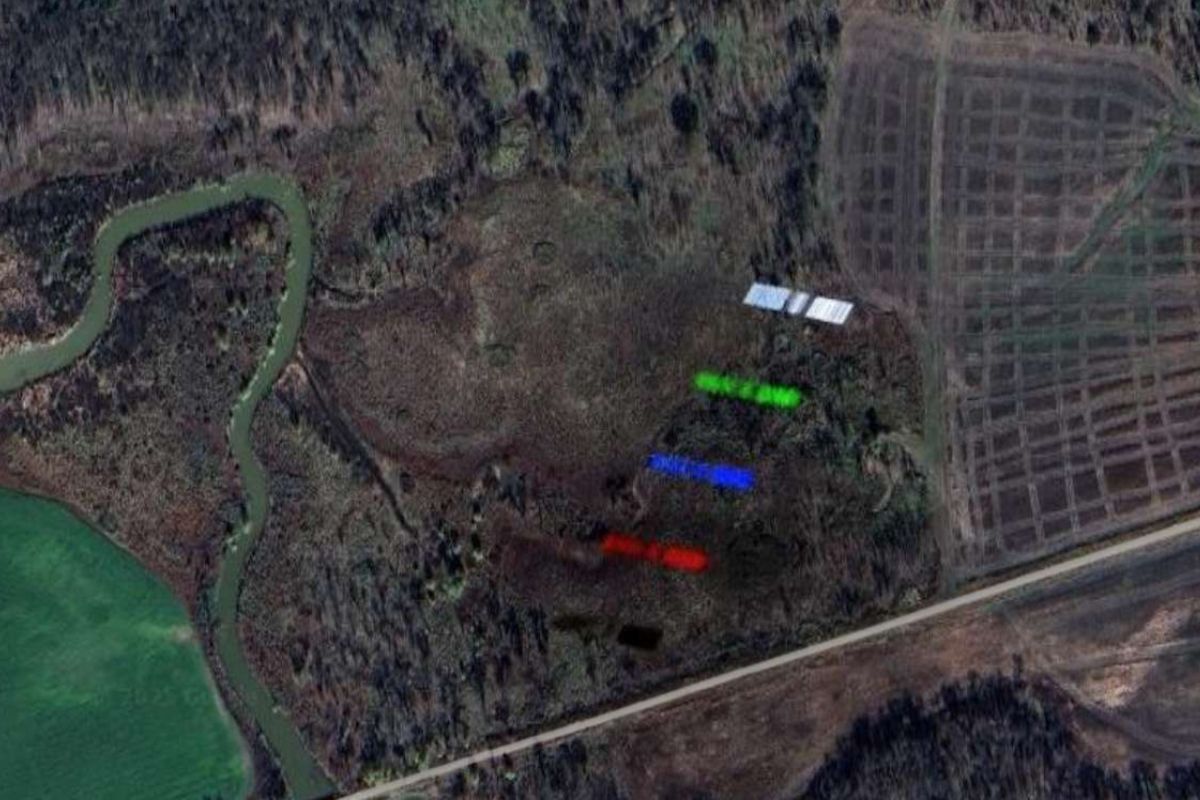
A rare image captured by Google Earth shows a Starlink satellite crossing in front of an Earth observation satellite over Texas, highlighting the increasing congestion in low Earth orbit and raising concerns about satellite interference and space environment management.
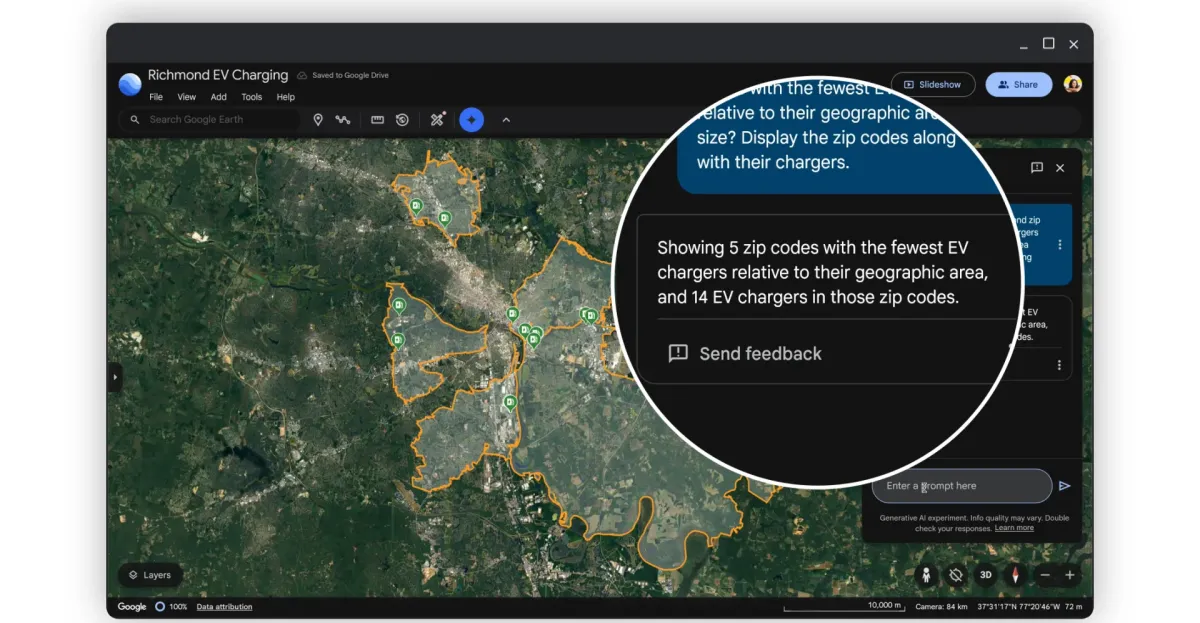
Google is enhancing Google Earth with expanded AI capabilities, allowing users to chat with AI models that integrate weather, satellite, and population data to identify infrastructure risks and environmental patterns, with broader access coming soon for Google Earth Pro users.
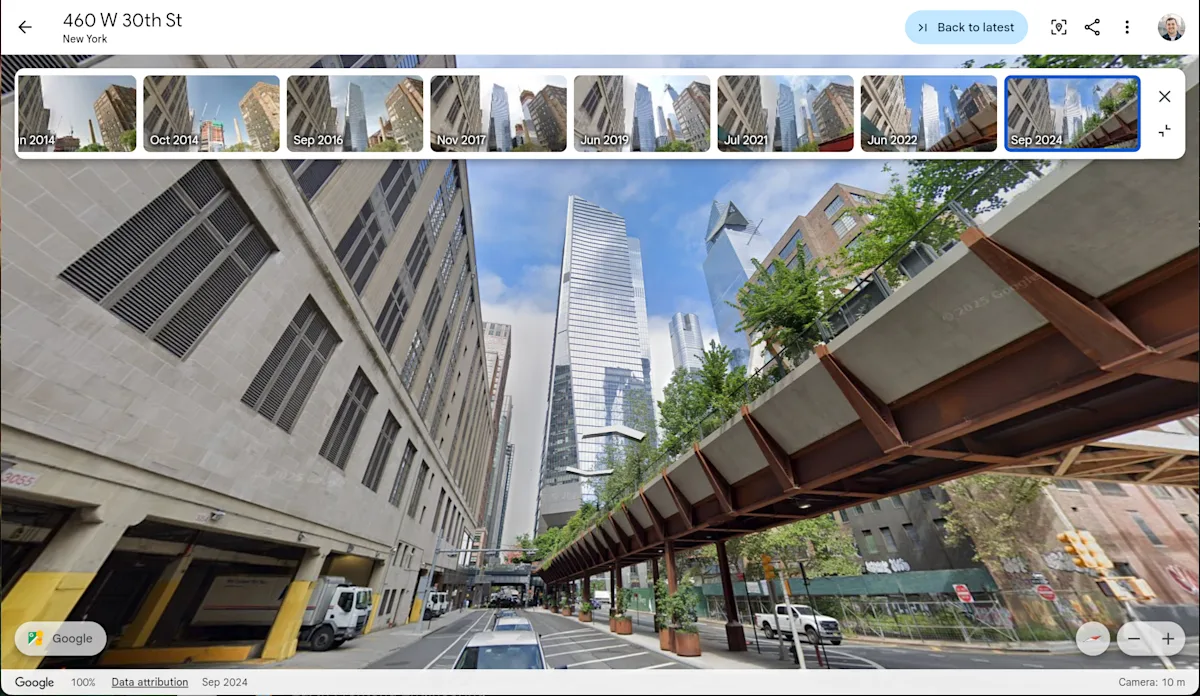
Google Earth now allows users to access historical Street View images, making it easier to see how neighborhoods and environments have changed over the years, which is useful for nostalgia and urban planning.
Google Earth celebrates its 20th birthday by adding historical Street View imagery, allowing users to explore past views of locations worldwide, along with new AI-driven insights for professional users in the US, enhancing urban planning capabilities.
Google Earth has introduced a new feature allowing users to view historical Street View images, enabling them to see how locations have changed over time, as part of its 20th anniversary updates. Additionally, professional users will soon gain access to AI-driven insights about environmental factors like tree canopy coverage and land surface temperatures.
Google has integrated new generative AI features into its Google Maps, Waze, and Google Earth applications using its Gemini AI model. These updates include personalized recommendations and real-time reporting in Maps and Waze, and enhanced geospatial data analysis in Google Earth. The new features aim to improve user experience and provide more accurate information, as Google competes with other tech giants in the AI space.
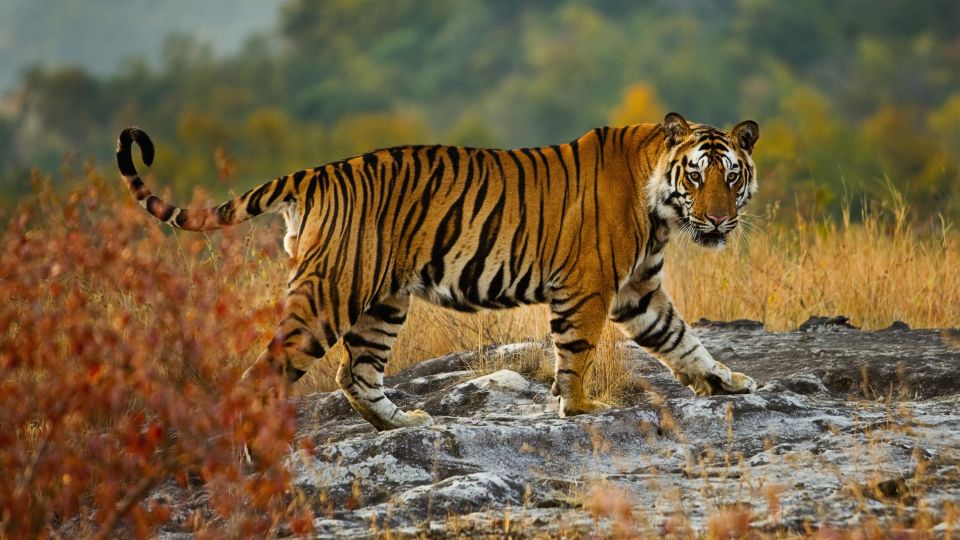
NASA, the European Space Agency, and Google Earth Engine have collaborated with conservationists to create a real-time monitoring system called TCL 3.0 for tiger habitats, providing vital information to identify priority areas and monitor changes in habitat and populations. This new method of habitat modeling creates a dynamic map that can be updated with new information, revealing potential restoration landscapes that could increase tiger populations by 50%. The open-source mapping system code could potentially be applied to other vulnerable and threatened species, offering hope for the future of wildlife conservation.
NASA, the European Space Agency, and Google Earth Engine have collaborated with conservationists to create a real-time monitoring system called TCL 3.0 for tiger habitats, providing vital information to identify priority areas and monitor changes in habitat and populations. This dynamic mapping system uses satellite imagery and GIS technology to track tiger territories and identify potential restoration landscapes, offering hope for increasing tiger populations by 50%. The open-source mapping system could be adapted for other vulnerable species, signaling a positive outlook for wildlife conservation.
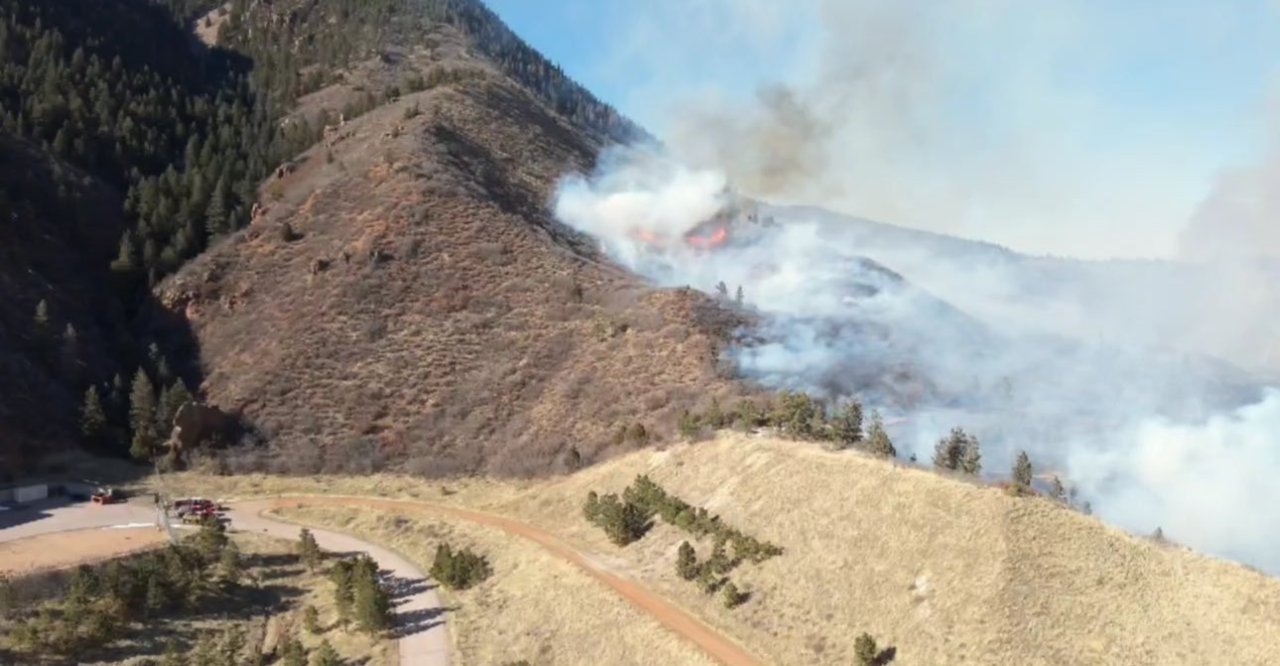
The exact location of the fire burning on the United States Air Force Academy in Colorado Springs has been pinpointed using a photo shared by the Colorado Springs Fire Department and analysis with Google Earth. The fire is near the mouth of the West Monument Creek canyon, approximately 1.64 miles from the northern most homes of Peregrine and 1.6 miles from the Military Family and Readiness Center on the Academy. Wind gusts have been out of the west through Sunday afternoon at speeds between 35 and 45 mph.
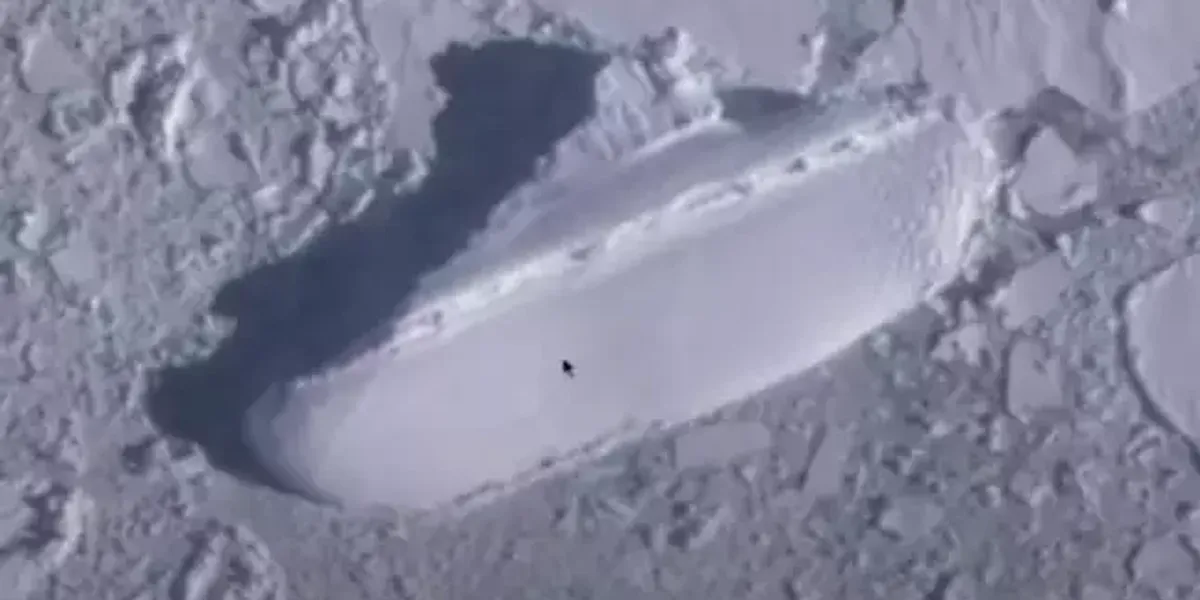
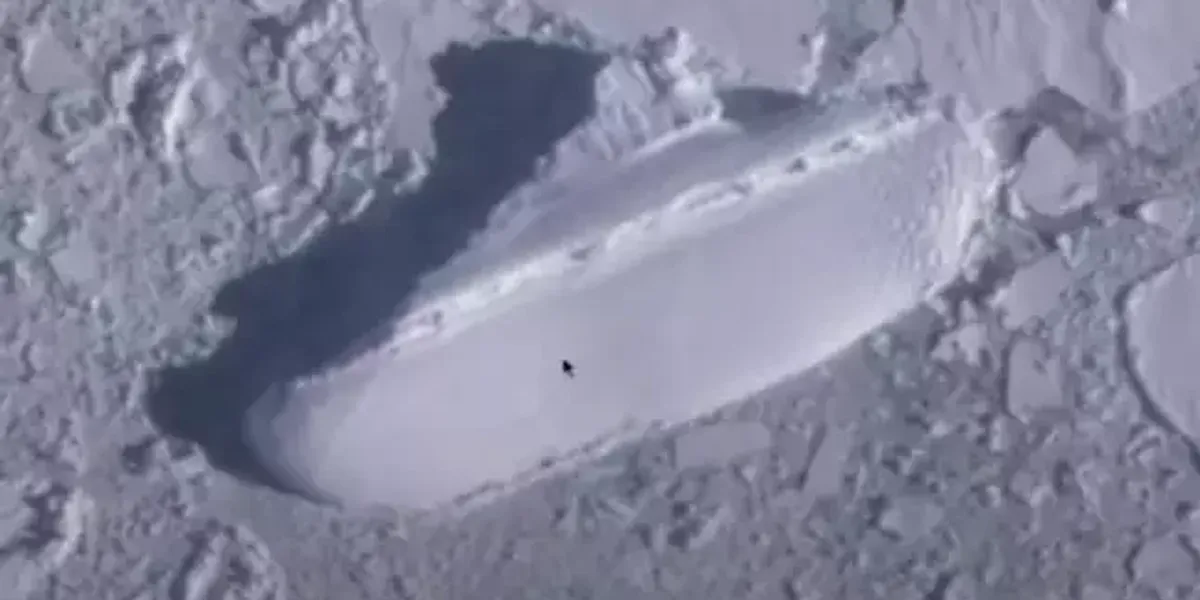
A YouTuber claims to have discovered a 400ft 'ice ship' on the surface of Antarctica using Google Earth, sparking speculation about its origin and nature. While some believe it to be a ship or a booster rocket, others argue it could simply be a large chunk of ice. Further investigation suggests that the object has likely melted away, similar to previous instances of unusual findings in Antarctica, such as a 'hidden pyramid' that turned out to be a mountain.