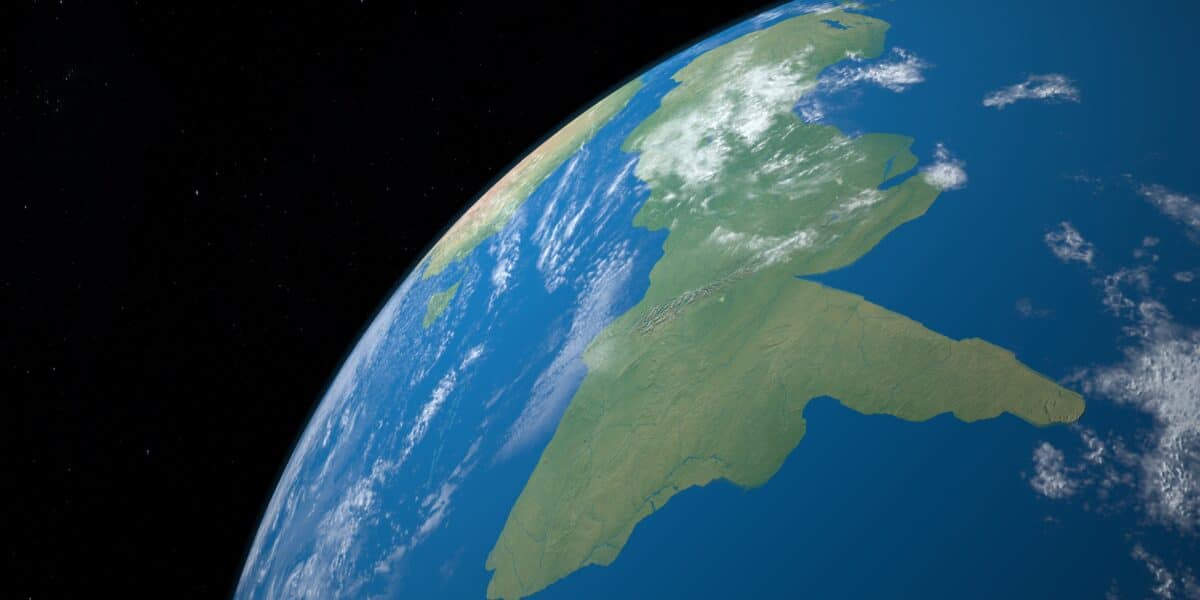
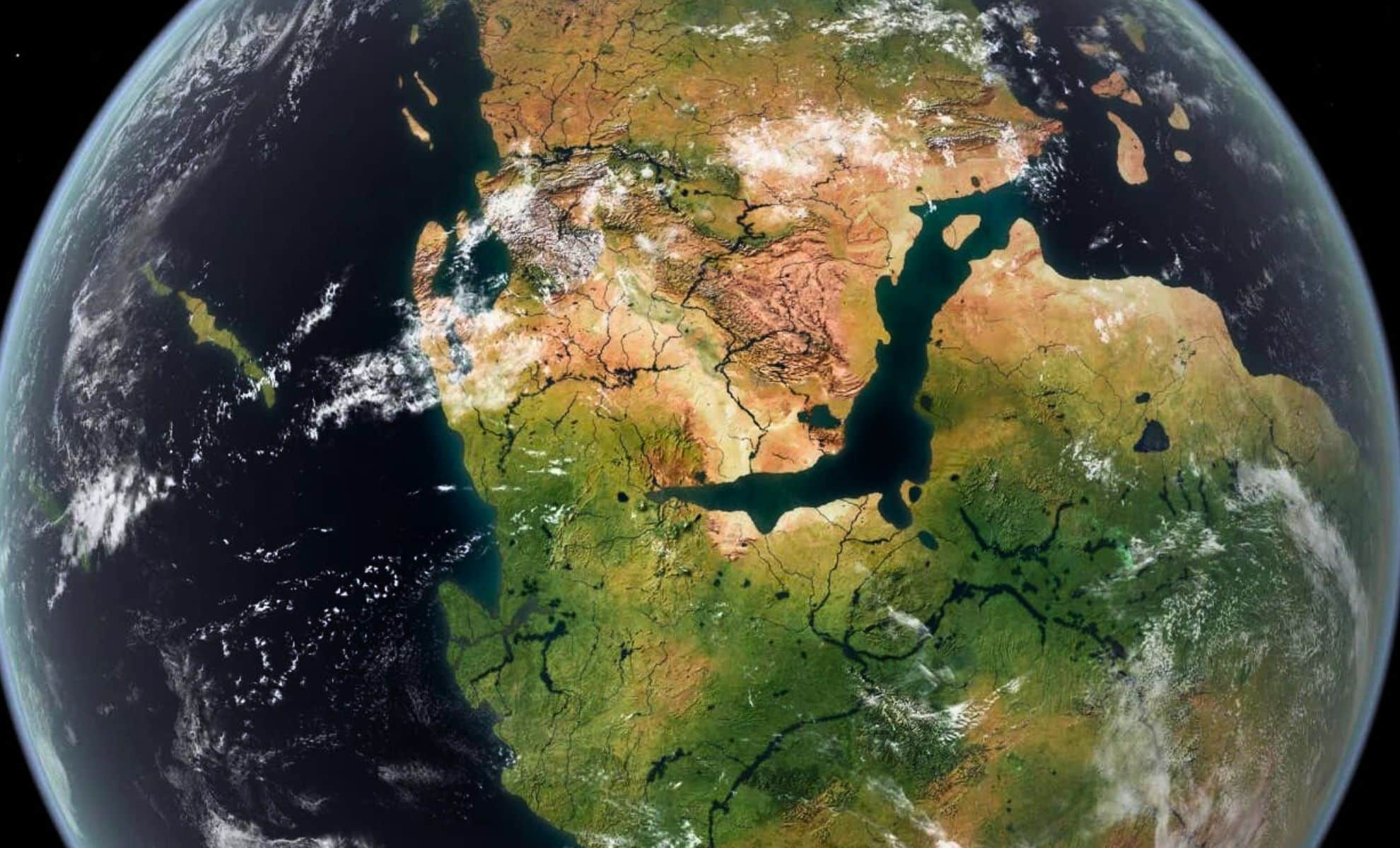
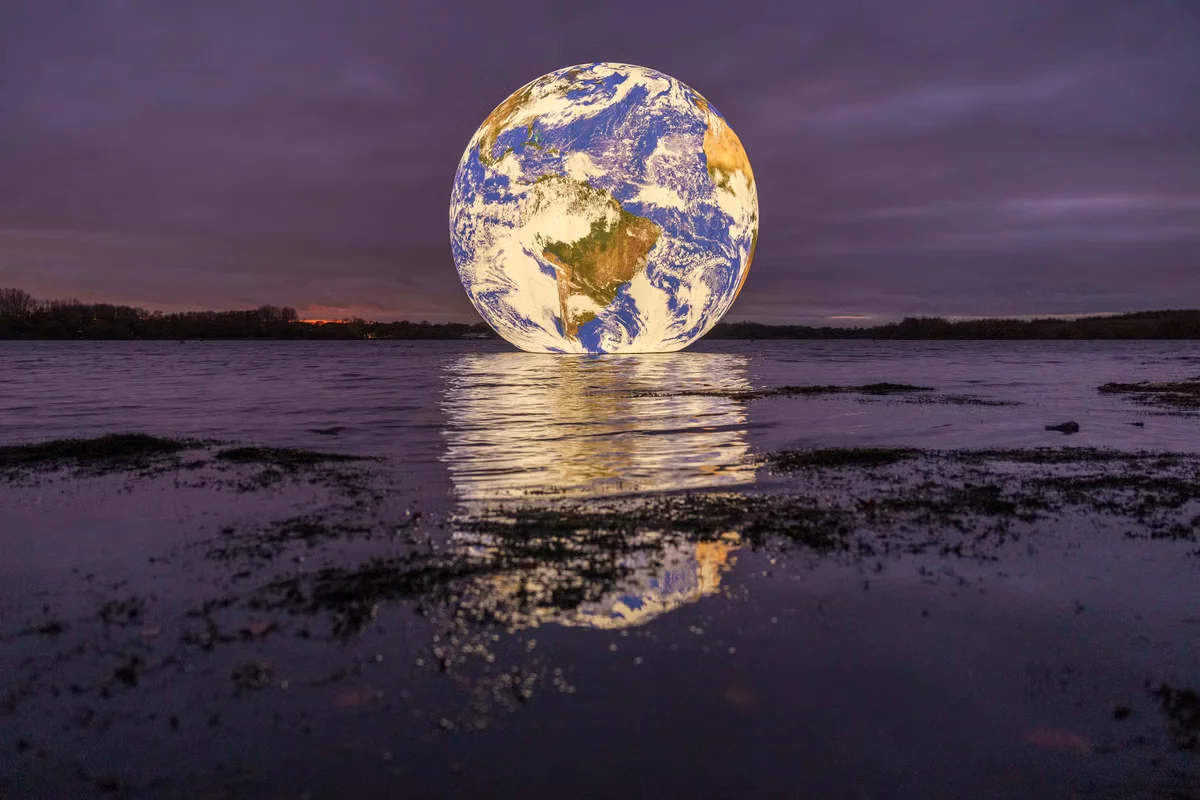
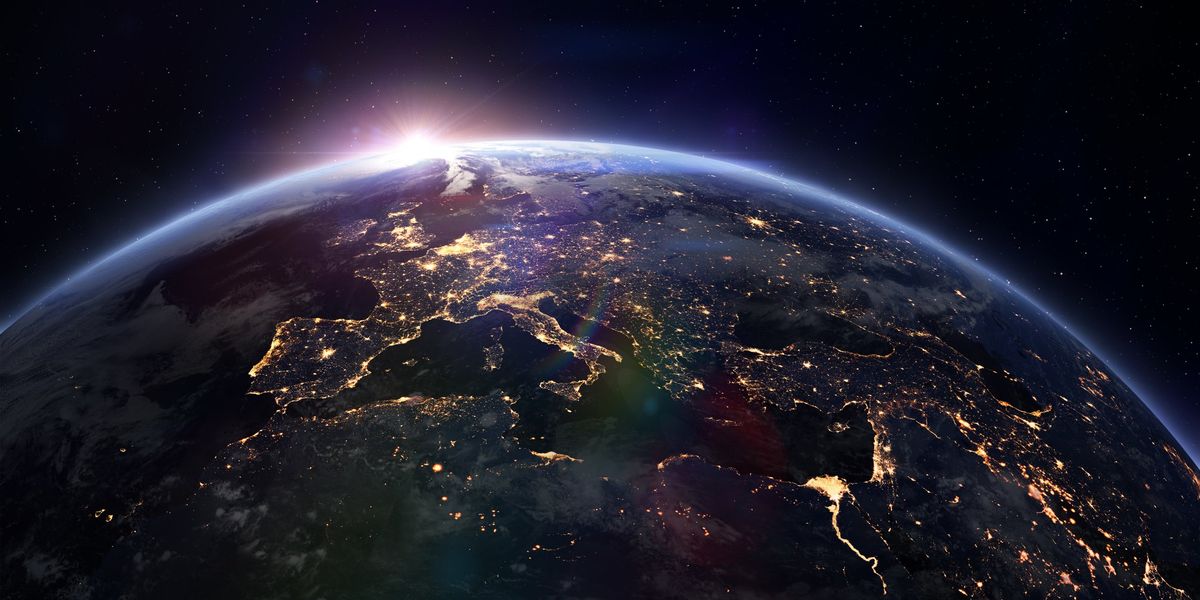
The continents are bunched up on one side of the planet due to the cyclical process of supercontinent formation and breakup, driven by tectonic plate movements over hundreds of millions of years, with Pangea being the most recent supercontinent.
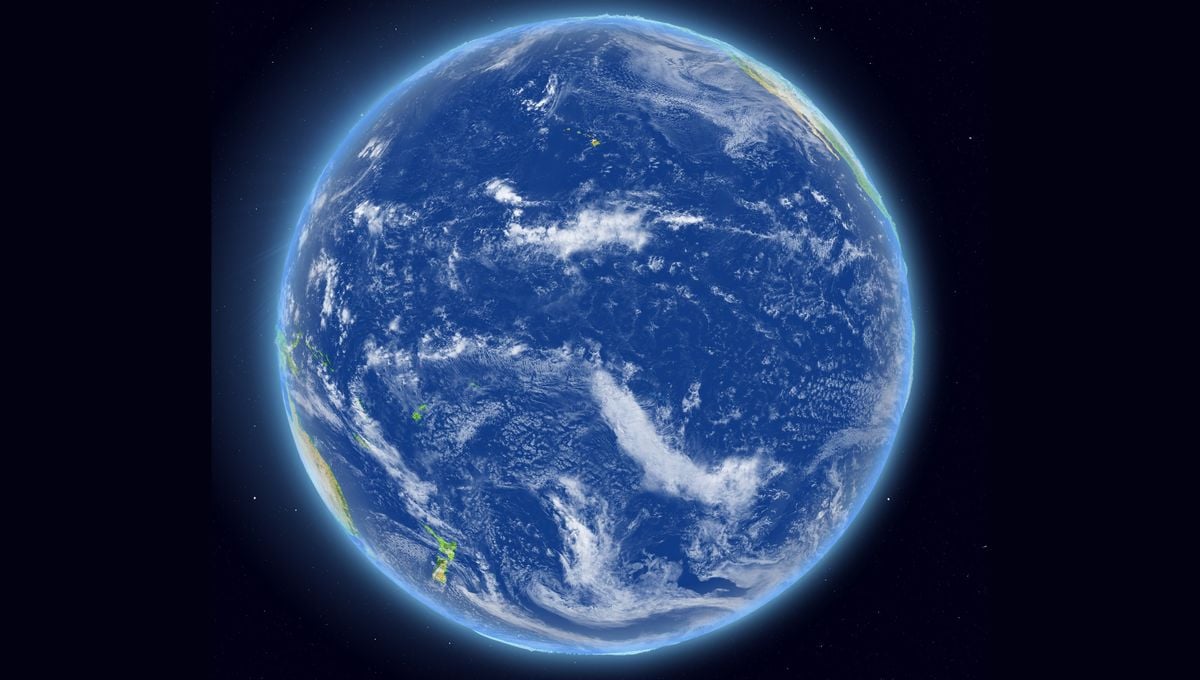
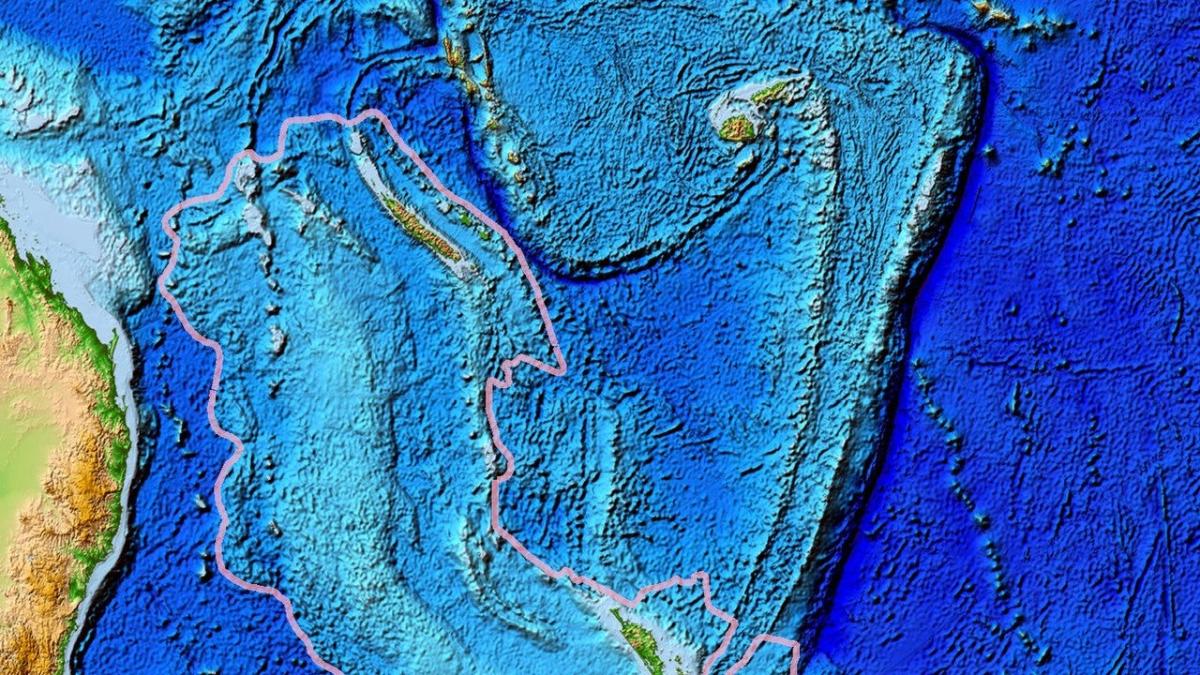
Zealandia, a largely submerged landmass beneath the Pacific Ocean, has been officially recognized as Earth's eighth continent after comprehensive mapping and research, revealing its unique geological features and history as part of Gondwana, with advanced technology enabling detailed exploration of its underwater terrain.
New research suggests that the traditional view of seven distinct continents may be incorrect, proposing that Europe and North America are still connected by ongoing tectonic processes, and that Iceland and other regions are part of a larger, interconnected landmass, potentially reducing the number of true continents to six.
Geologists have completed mapping Zealandia, a submerged landmass considered Earth's eighth continent, covering nearly two million square miles. The research involved analyzing rock samples from North Zealandia, revealing its geological history tied to the ancient supercontinent Gondwana. Despite being mostly underwater, Zealandia's mapping highlights its significance as a geological entity.
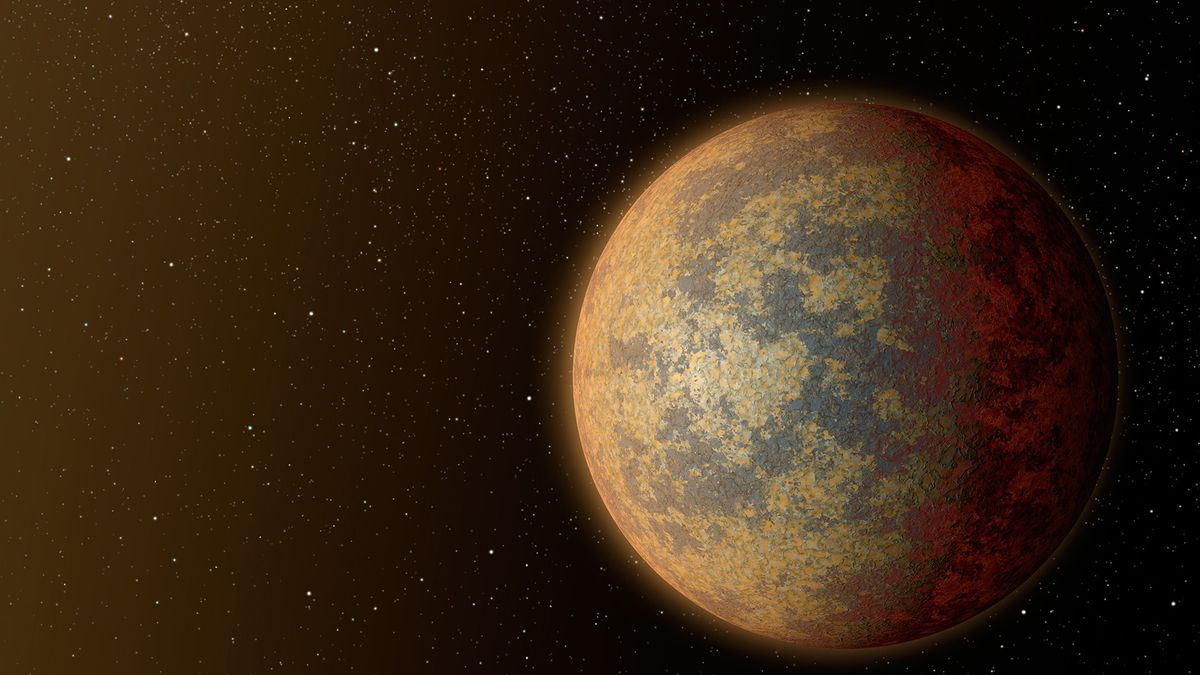
The oldest continents in the Milky Way may have formed 5 billion years before Earth's, suggesting the possibility of more advanced alien life on other planets. Astrobiologists believe that certain features, such as oxygen, radiation shielding, and liquid water, are necessary for supporting life. While large land masses are not essential for life to emerge, they are important for its long-term existence. By studying nearby stars and their radioactive elements, researchers estimate that some exoplanets may have had continents and potentially advanced life forms billions of years before Earth. This finding has implications for the search for habitable planets and the potential discovery of extraterrestrial life.
The oldest continents in the Milky Way may have formed up to 5 billion years before Earth's, suggesting the possibility of more advanced alien life in our galaxy. Astrobiologists believe that certain features, such as oxygen, radiation shielding, and liquid water, are necessary for supporting life. The presence of continents is not strictly required, but they are important for the long-term existence and thriving of life. By studying nearby stars and their radioactive elements, researchers estimate that some exoplanets may have had continents and potentially advanced life forms billions of years before Earth. This finding has implications for the search for habitable planets and the potential discovery of extraterrestrial life.
The oldest continents in the Milky Way may have formed up to 5 billion years before Earth's, suggesting the possibility of more advanced alien life in our galaxy. Astrobiologists believe that certain features, such as oxygen, radiation shielding, and liquid water, are necessary for supporting life. By studying nearby stars and their radioactive elements, researchers estimate that two exoplanets could have had continents and potentially advanced life forms billions of years earlier than Earth. This finding has implications for the search for habitable planets and the potential discovery of extraterrestrial life.
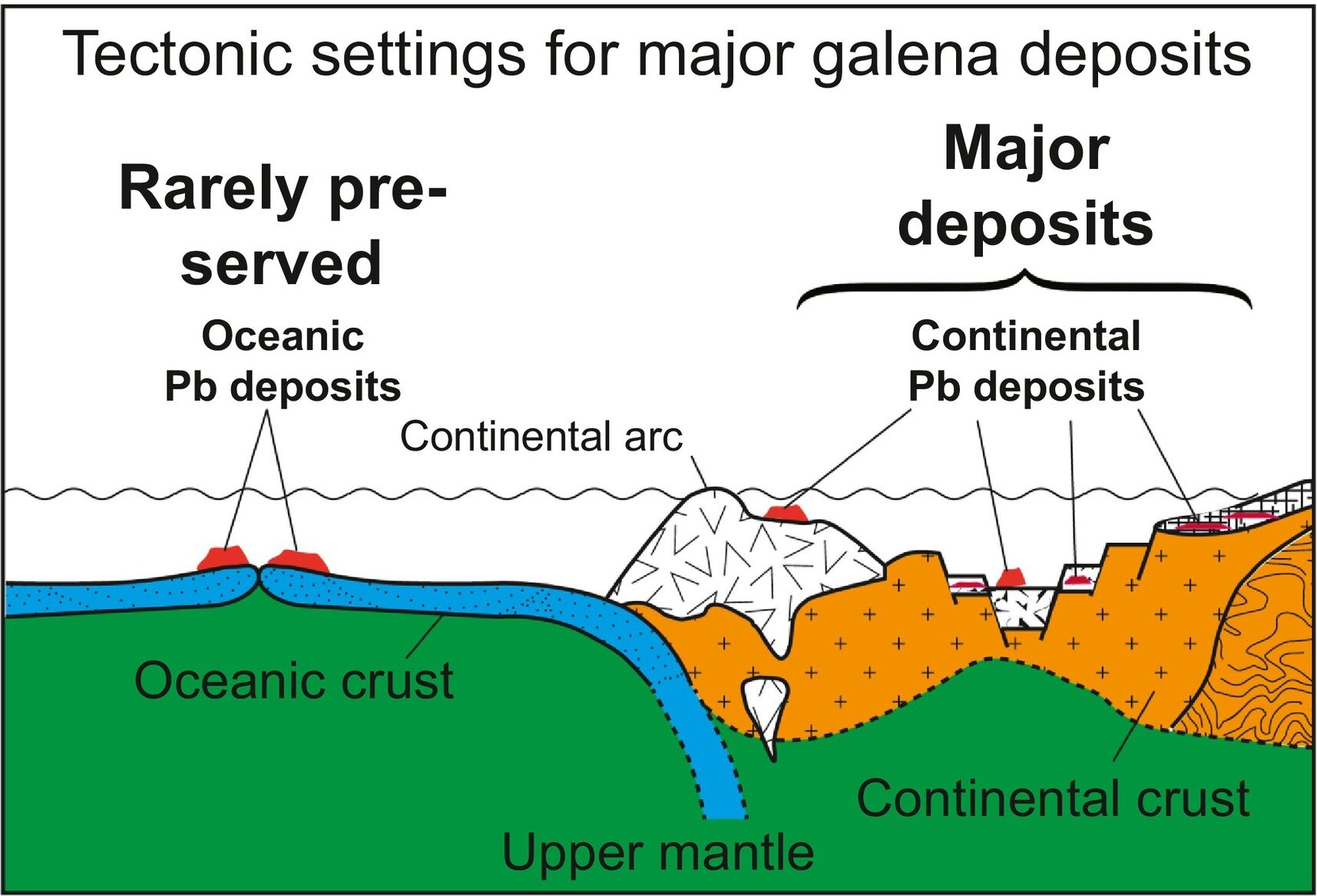
Researchers at Curtin University have developed a new framework for dating the Earth's evolution, including the formation of continents and mineral deposits. By studying lead-zinc ore deposits in Australia and analyzing a global database, they determined that 3.2 billion years ago marked a critical point in Earth's history when the planet transitioned from a layered structure to one driven by global-scale plate tectonics. This research provides insights into the composition of the Earth's mantle and the formation of continents, shedding light on the unique characteristics of our planet.
A popular hypothesis that garnet formation is the key mechanism for the difference in composition between continental and oceanic crust is being challenged by new experiments. The experiments showed that garnet formation alone cannot explain the composition of the continental crust. The team is now investigating whether oxidized sulfur could be oxidizing the iron, and therefore explain the discrepancy between continental and oceanic crust.
New experiments have challenged a popular theory regarding the origin of Earth's continents. The widely held theory suggested that the lower iron content and higher oxidation levels of continental crust compared to oceanic crust were due to the crystallization of the mineral garnet. However, a recent study conducted by researchers at the Smithsonian's National Museum of Natural History has shown that this is unlikely to be the case. The study used laboratory experiments to replicate the intense heat and pressure found beneath continental arc volcanoes and found that the garnets did not incorporate enough unoxidized iron to account for the levels of iron depletion and oxidation present in the magmas that are the building blocks of Earth's continental crust.
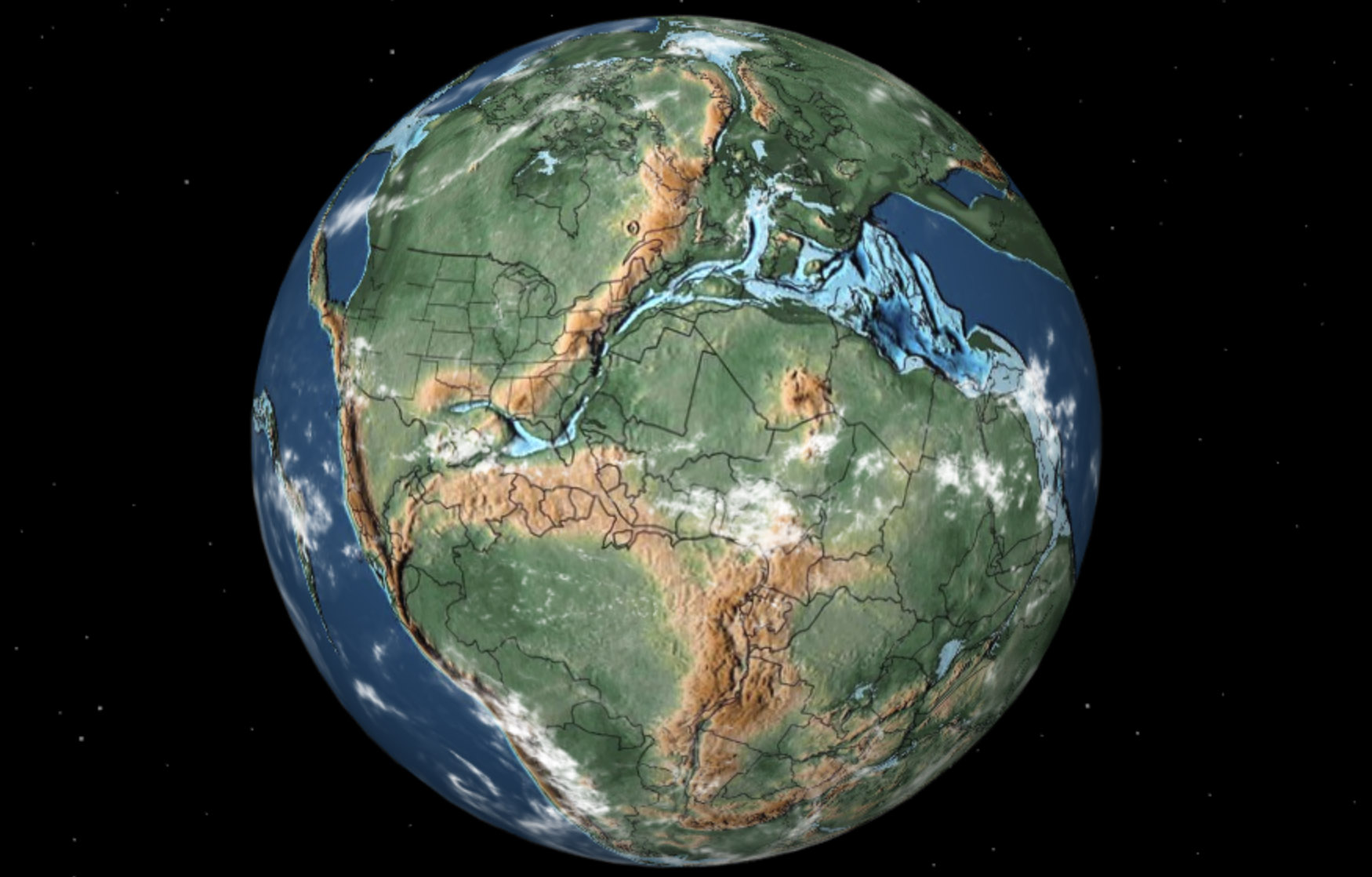
A new interactive map created by former Google engineer Ian Webster allows users to see where their home city was located during the time of the dinosaurs and other periods of ancient Earth. The map showcases how the continents have shifted over time and how ancient life evolved. The map is built on top of another map made by geologist and paleogeographer Christopher Scotese, creating an easy-to-use tool for visualizing geological models.
A new study has suggested that the current theory of how the Earth's continents were formed may be incorrect. The study looked at the crystallisation of the mineral garnet, which was proposed in 2018 as an explanation for the formation of the Earth's surface. However, the researchers found that the garnets did not take enough unoxidised iron to account for the make-up present in the Earth, meaning that the garnet crystallisation model is an unlikely explanation for why magmas from continental arc volcanoes are oxidised and iron depleted. Further research is needed to understand what is happening in this mysterious process.
New research eliminates the popular hypothesis that the iron-depleted, oxidized chemistry typical of Earth's continental crust came from the crystallization of the mineral garnet. The study uses laboratory experiments to show that the garnet explanation for continental crust's iron-depleted and oxidized state likely did not come from crystallization of garnet, as a popular explanation proposed in 2018. The iron-poor composition of continental crust is a major reason why vast portions of the Earth's surface stand above sea level as dry land, making terrestrial life possible today.
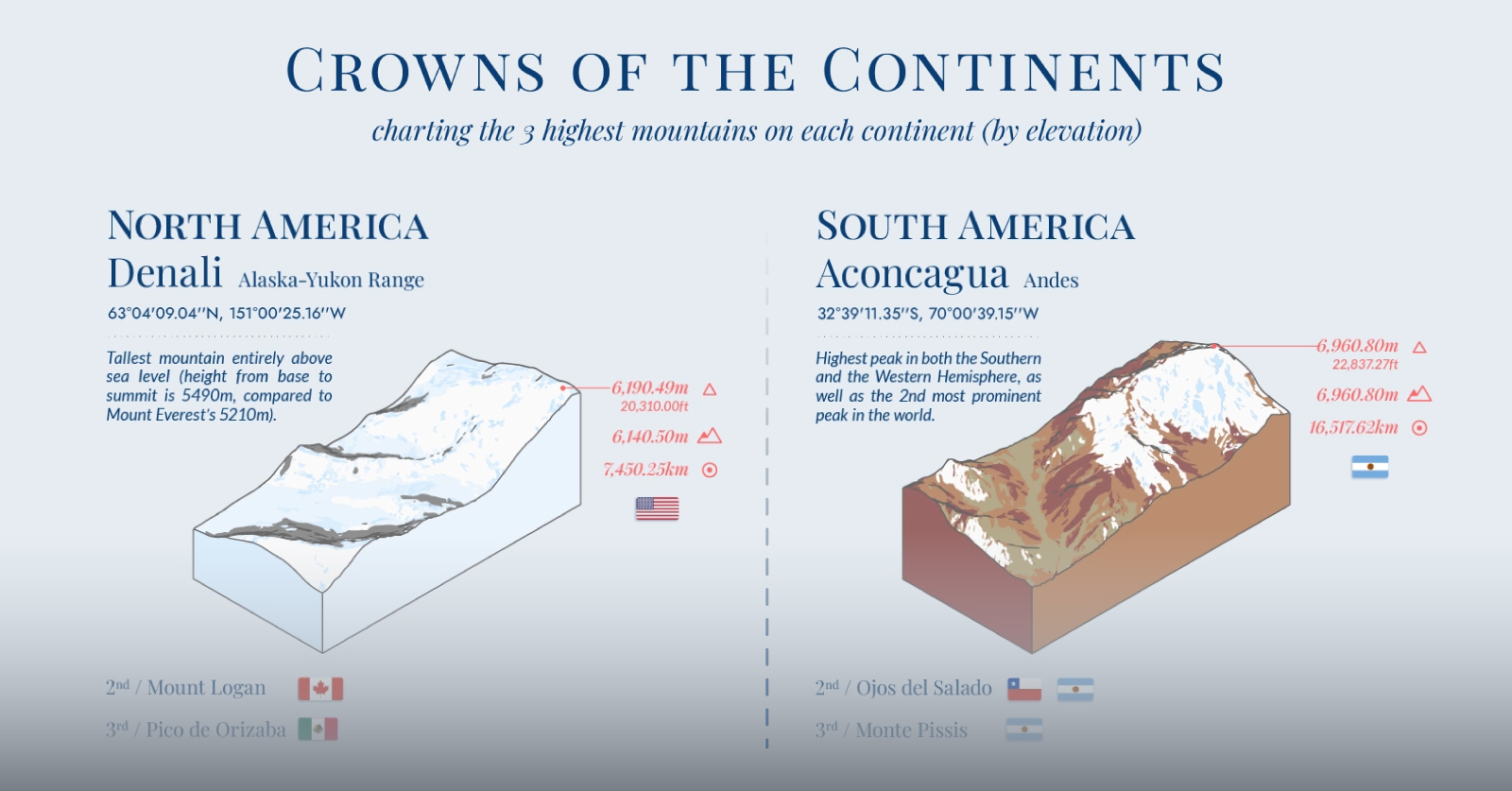
Arijit Gupta has used data from various sources to highlight the three highest mountains on each of the world's continents. Mount Everest, towering over the Himalayas, is the highest mountain peak on Earth by elevation. South America's crowning peaks are seen along the Andes Mountain range, starting with the highest mountain peak in the Southern Hemisphere—Aconcagua. Africa is home to three of the world's highest peaks, and some of the most diverse mountain-side climates surrounding them. The Caucasus Mountains at the edge of Eastern Europe contains the continent's highest mountains. Oceania's highest peak is Puncak Jaya, also known by other local names including Carstensz Pyramid, the mountain of which Puncak Jaya is a distinct summit. Antarctica's mountains are relatively low-lying and often completely covered in ice and snow.
Geoscientists have discovered a continent called Zealandia, which was part of the supercontinent Gondwana over 500 million years ago. Despite being first mentioned in 1642 by Dutch sailor Abel Tasman, it wasn't until 2017 that geologists confirmed its existence. Most of Zealandia is underwater, and it has only three territories. The discovery has been used as an example of how something "very obvious" can take a while to uncover.