The article discusses the evolving and increasingly complex nature of mapping Ukraine's front line in the ongoing conflict with Russia, highlighting how open-source maps and social media are crucial in understanding battlefield dynamics, especially as the front becomes more porous and contested, with both sides using maps for propaganda and strategic purposes.
Ukraine's armed forces commander-in-chief, Oleksandr Syrskyi, warns that the front-line situation is deteriorating as Russian forces advance towards Chasiv Yar, a strategically important town in eastern Ukraine. Ukraine's access to ammunition and equipment from the West is dwindling, and a bill has been passed to bring more manpower into the fight. The situation is escalating, with the enemy actively attacking Ukrainian positions, and measures are being taken to strengthen defense. Both sides have suffered significant casualties, with estimates varying widely.
After two years, the war in Ukraine has reached a stalemate, with intensified fighting but minimal territorial gains. The conflict has seen a 32% increase in battle events, with Russia making incremental gains and Ukraine focusing on fortifications. As Kyiv faces potential ammunition shortages, the war has shifted into a battle of attrition, with Ukraine aiming to rebuild its infantry and replenish ammunition stocks for a potential offensive in 2025.
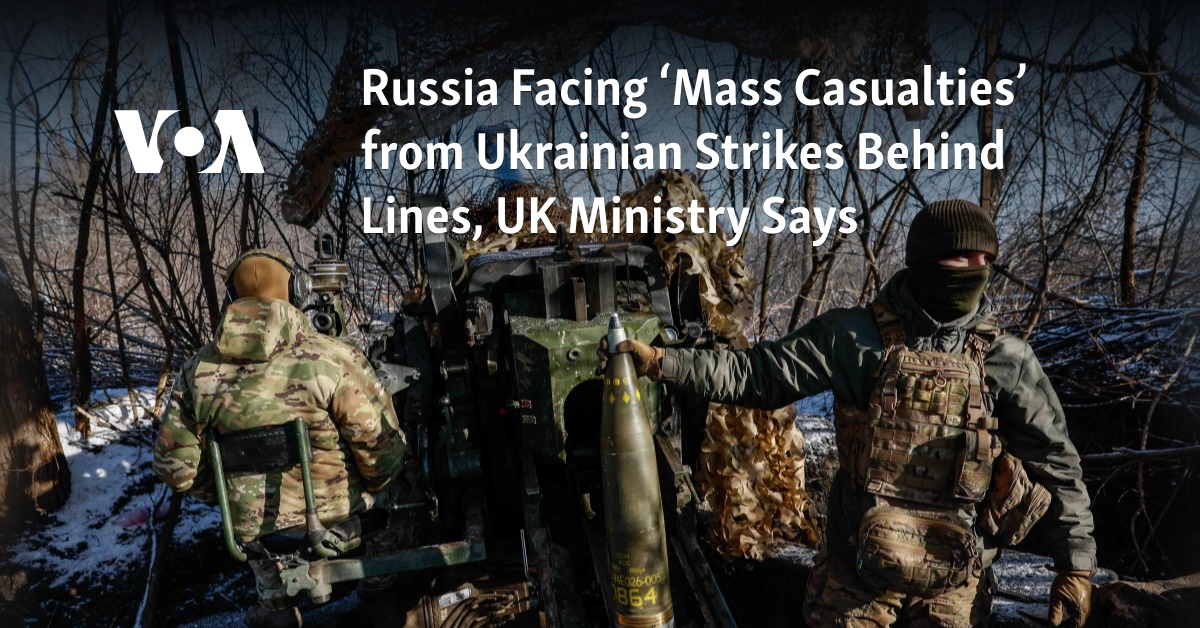
The UK Ministry of Defense reported that Russia is facing "mass casualties" from Ukrainian strikes behind the front lines. On November 10, over 70 Russian troops were likely killed in a strike on a truck convoy, followed by another strike on an award ceremony or concert on November 19. Ukraine has also suffered casualties, with 19 members of a Ukrainian brigade killed by a Russian missile during a medal ceremony. Ukrainian officials and soldiers claim that Russia is sending waves of troops towards the strategically important city of Avdiivka, resulting in heavy losses on the Russian side. The city has been under constant bombardment, with an average of 8 to 30 air attacks per day. The situation remains tense, with reports of shelling and damage in Ukraine's southern region of Kherson.
Russian forces may have killed over 20 Ukrainian soldiers during an award ceremony in a front-line village in Zaporizhzhia Oblast. The soldiers from the 128th Separate Mountain Assault Brigade were attending the ceremony when the incident occurred. While the details have not been officially confirmed, the governor of Zakarpattia Oblast hinted at the tragedy and called for prayers for the fallen soldiers. The brigade is based in western Ukraine's Zakarpattia Oblast.
The Republicans' stance on climate change is becoming a new front line in the upcoming 2024 election, as the party grapples with how to address the issue while maintaining support from their base. This shift reflects a growing recognition among Republicans that climate change is a significant concern for voters, particularly younger generations, and that they need to offer viable solutions to remain competitive in future elections.
New maps show the progress of Ukraine's ongoing counteroffensive in the east and south of the country, with hotspots of fighting reported in the Donetsk region and Zaporizhzhia. Russia has accused Ukraine of drone strikes on Russian border regions, claiming to have intercepted several unmanned aerial vehicles. Ukraine has not claimed responsibility for specific drone attacks but has warned of further assaults on targets such as the Russian capital. The drone strikes appear to have increased alongside Ukraine's counteroffensive, which aims to push back Russian forces.
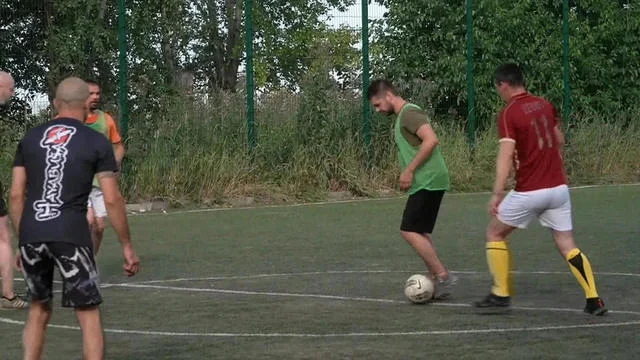
Ukrainian soldiers, amidst the constant strain of battle against Russian invaders, find solace in playing soccer on a field just a few miles from the front lines. Despite being hit by Russian fire on the same day, the soldiers of the Kupiansk Battalion use the game as a respite from the horrors of war, allowing them to momentarily forget about the conflict and remember "civil life." The soccer matches also serve as a way to stay in shape and maintain camaraderie, providing a glimpse of normalcy amidst the grueling counteroffensive.
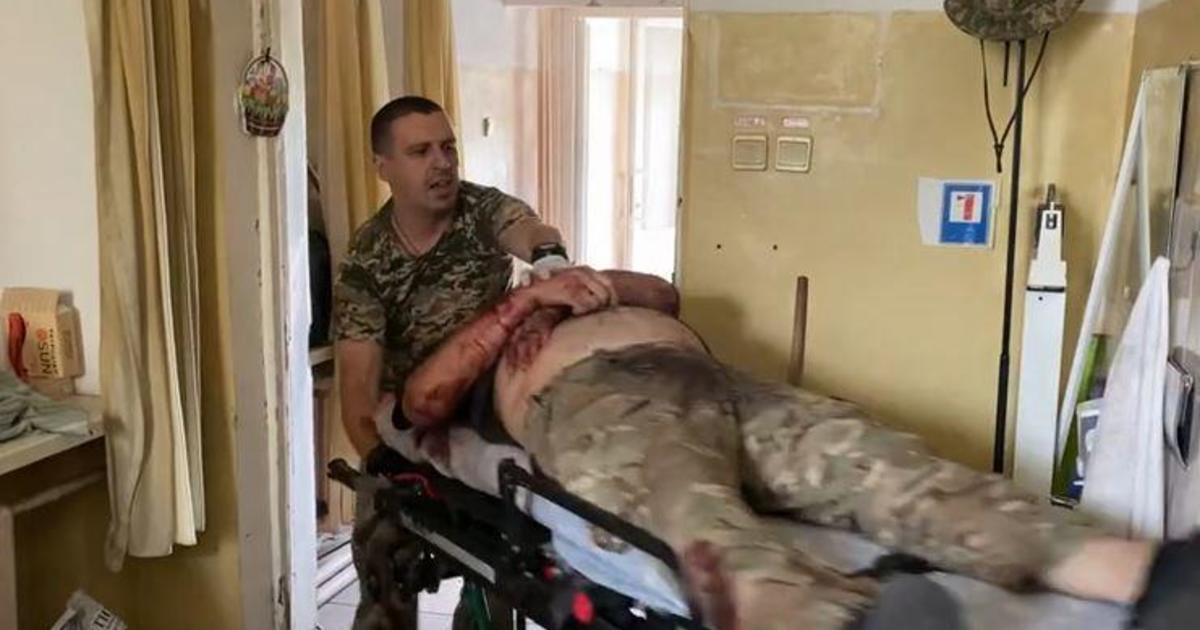
A medical clinic near the front lines of Russia's war on Ukraine provides vital stabilization and emergency treatment for wounded soldiers and civilians caught in the conflict. The clinic's staff works tirelessly to stabilize patients and ensure they survive long enough to be transported to better-equipped hospitals. During a visit, the clinic was hit by a suspected Russian cluster bomb, resulting in a steady flow of wounded individuals. The overwhelmed clinic became a battlefield triage point, with doctors making life and death decisions about who was most likely to survive. The injuries sustained were consistent with the carnage caused by cluster bombs, and the doctor confirmed that these weapons are frequently used by the enemy. Despite the devastation, the clinic's staff remains dedicated to their mission, treating both military and civilian casualties.
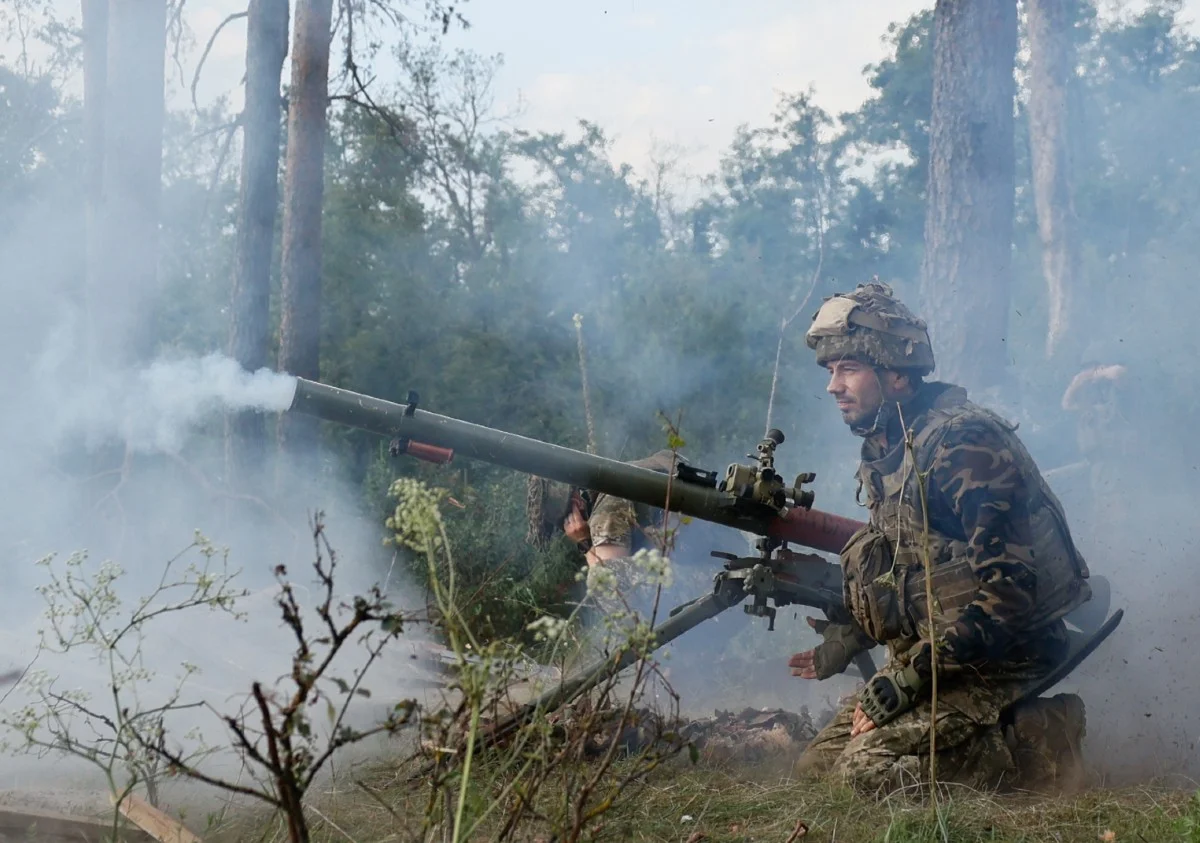
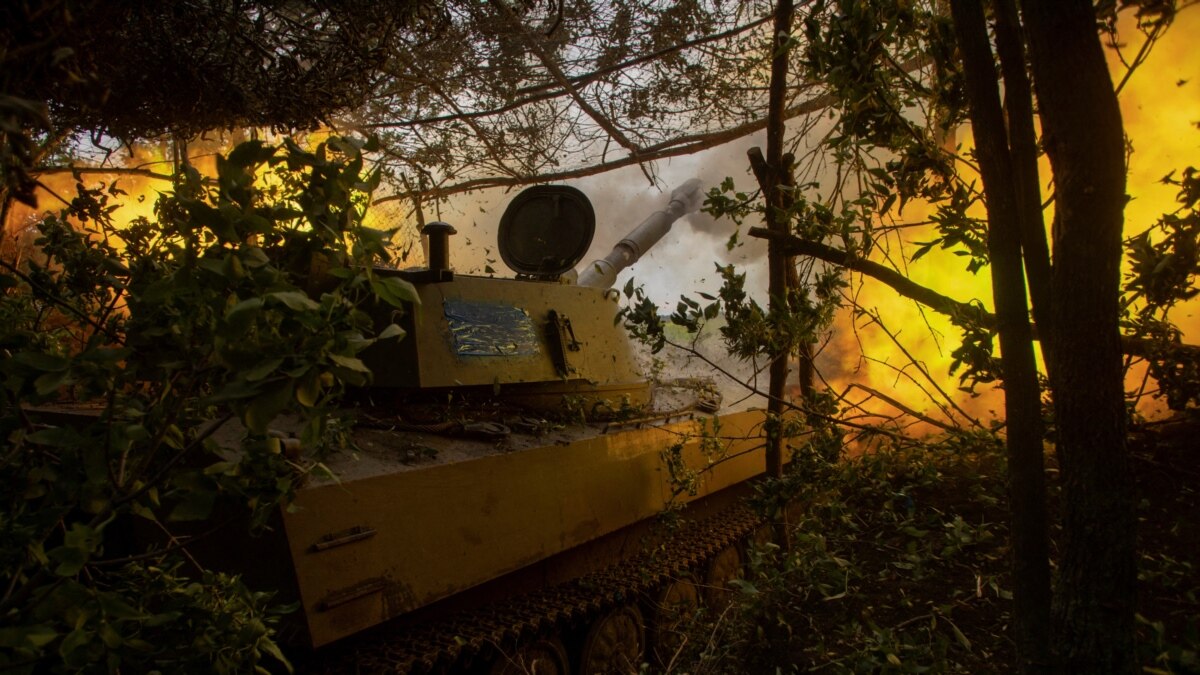
Ukrainian forces continue to shell Russian positions along the front line, with President Zelenskiy expressing optimism about their progress. Ukrainian soldiers are on the offensive, firing shells daily and making advances in the southern and eastern parts of the front line. However, Russia is fighting back and destroying Western-supplied weaponry.
Ukraine claims to have recaptured eight villages from Russian forces in its two-week-old counteroffensive, including Piatykhatky, a settlement on a heavily fortified part of the front line near the most direct route to the country's Azov Sea coast. The advance by Kyiv of up to seven km (4.3 miles) into Russian lines in two weeks has captured 113 square km (44 square miles) of land. The fiercest fighting is in the east and south of Ukraine, and the military is preparing for a tough duel. Both sides appear to have taken heavy losses in recent fighting, and both say the other side's are greater.
Russia claims to have thwarted a major offensive against its forces in eastern Ukraine, but Ukrainian officials dismissed the report and both sides said the Ukrainian military had advanced elsewhere along the front line. It is unclear whether the attacks represented the start of Ukraine's long-heralded counteroffensive against Russia's invasion, and Ukrainian officials sidestepped questions on the matter. The success or failure of the counteroffensive, expected to be waged with billions of dollars worth of advanced Western weaponry, is likely to influence the shape of future Western diplomatic and military support for Ukraine.
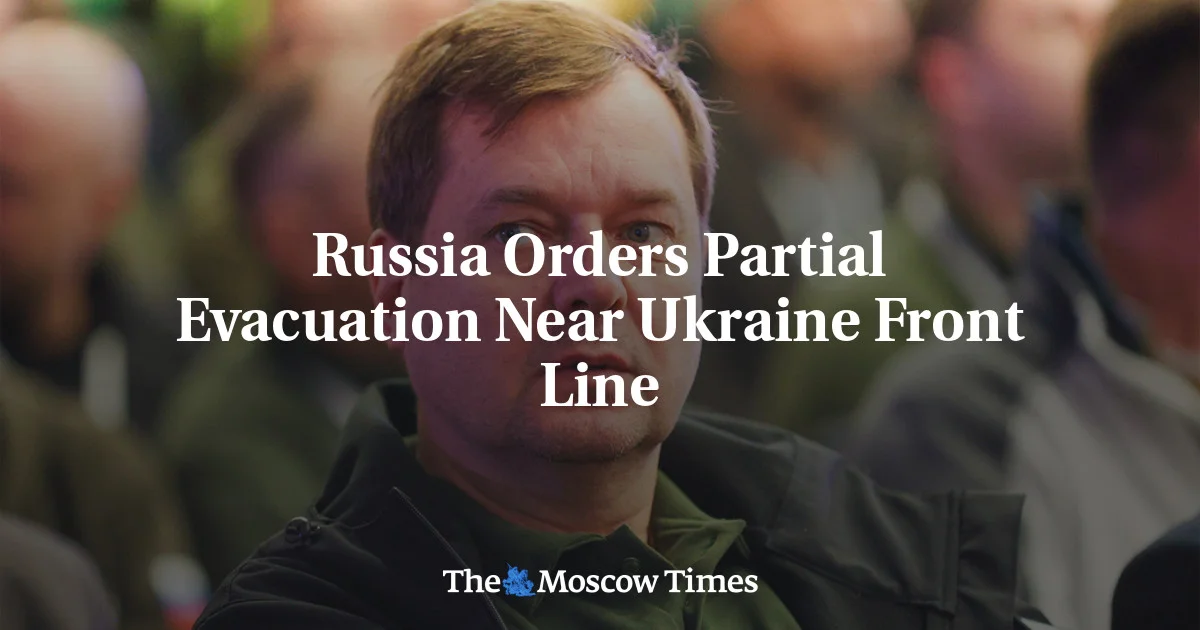
Russia has ordered the evacuation of families with children and the elderly from Russian-held frontline areas in southern Ukraine due to increased shelling from the Ukrainian side. The evacuation will be temporary and will include 18 places, including the town of Enerhodar where the Zaporizhzhia Nuclear Power Plant is located. Ukraine has been preparing an offensive against Russian forces for months, and some analysts say sabotage attacks and long-distance strikes behind Russian lines in recent days show it is now imminent.
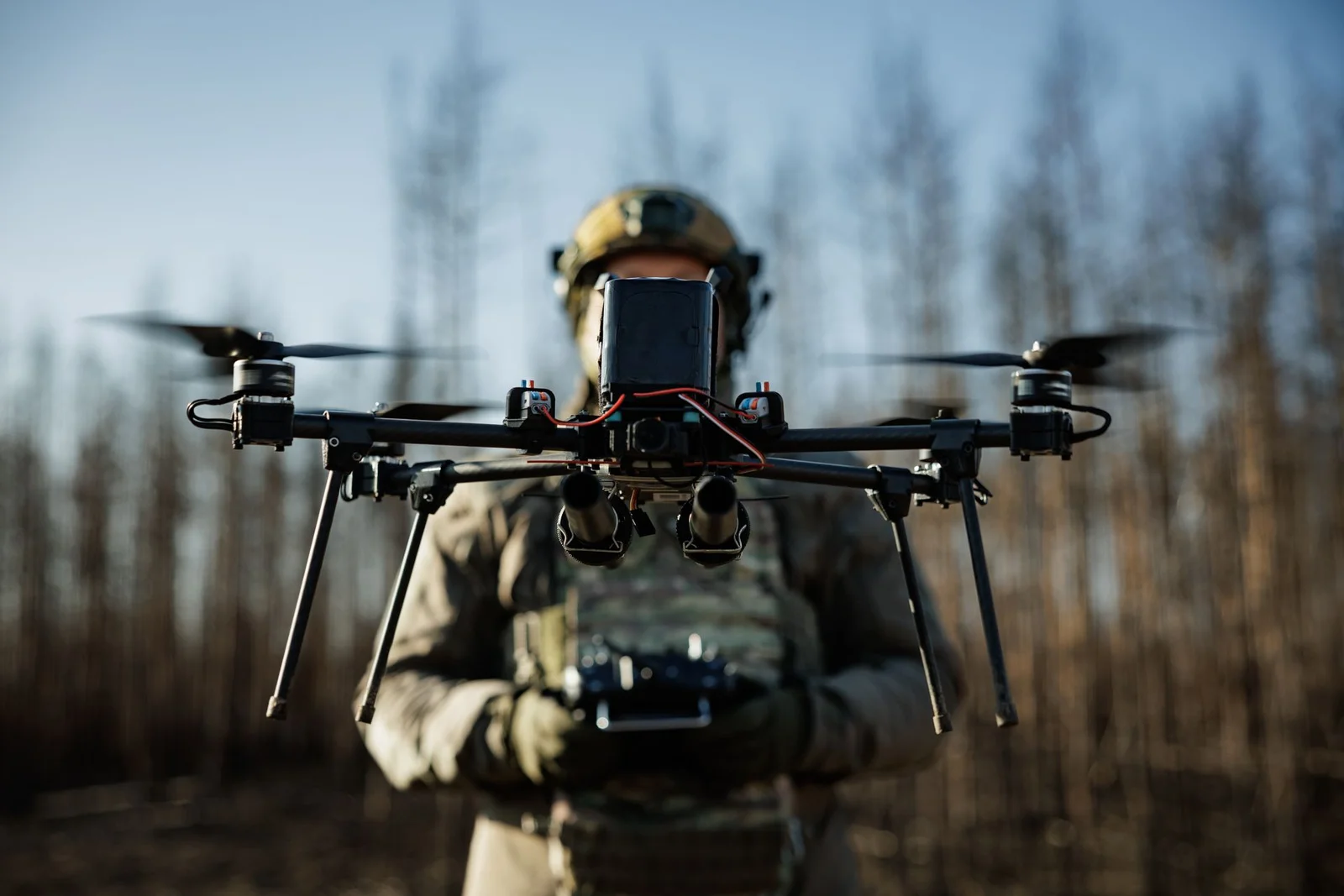
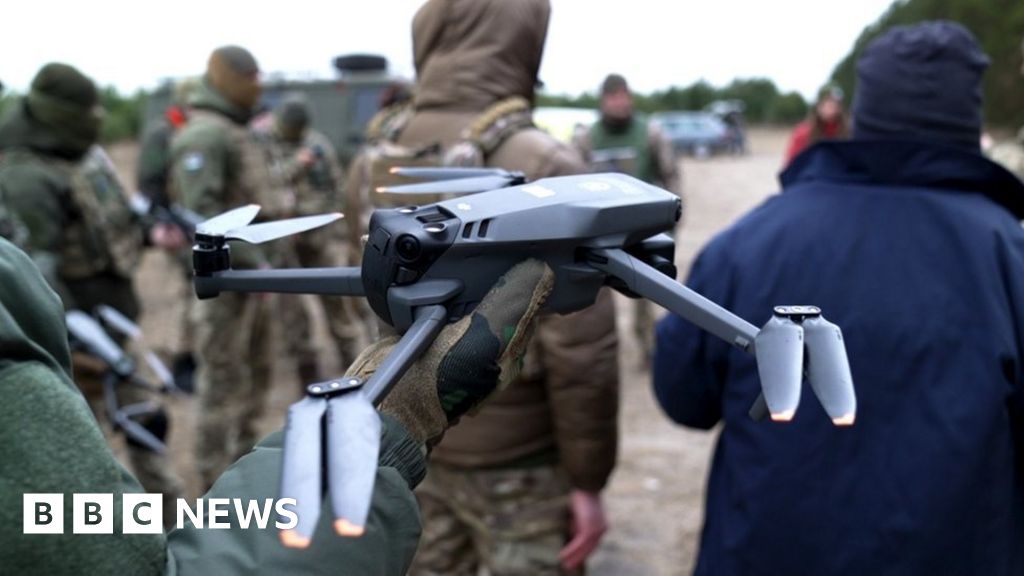
Ukraine is rapidly expanding its production of drones for the front line, funded by a successful fundraising campaign called the Army of Drones, which has raised over $108m with the help of celebrity supporters like Mark Hamill. The government has relaxed import laws and scrapped taxes for drone parts and equipment. The money is being spent on buying and building drones for the war and training new pilots for the front line. The most common drone seen on the front line is the DJI Mavic which costs less than $2,000. Organisers of the Army of Drones campaign say they have built or purchased an extra 3,300 drones.
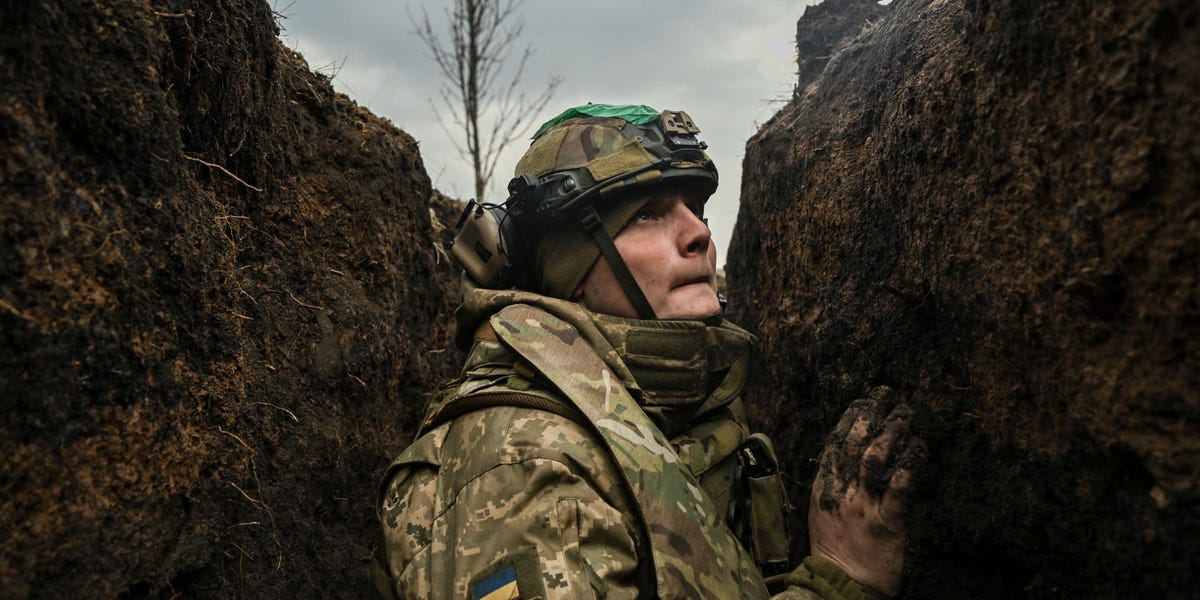
Trench warfare has been a major element of fighting between Ukraine and Russia around the eastern city of Bakhmut. Photographs from the area show elaborate networks of trenches that slice through the earth. Soldiers endure harsh conditions and the constant threat of artillery and gunfire, sometimes only a short distance away from the enemy. This is what life looks like in Ukraine's front-line fortifications.