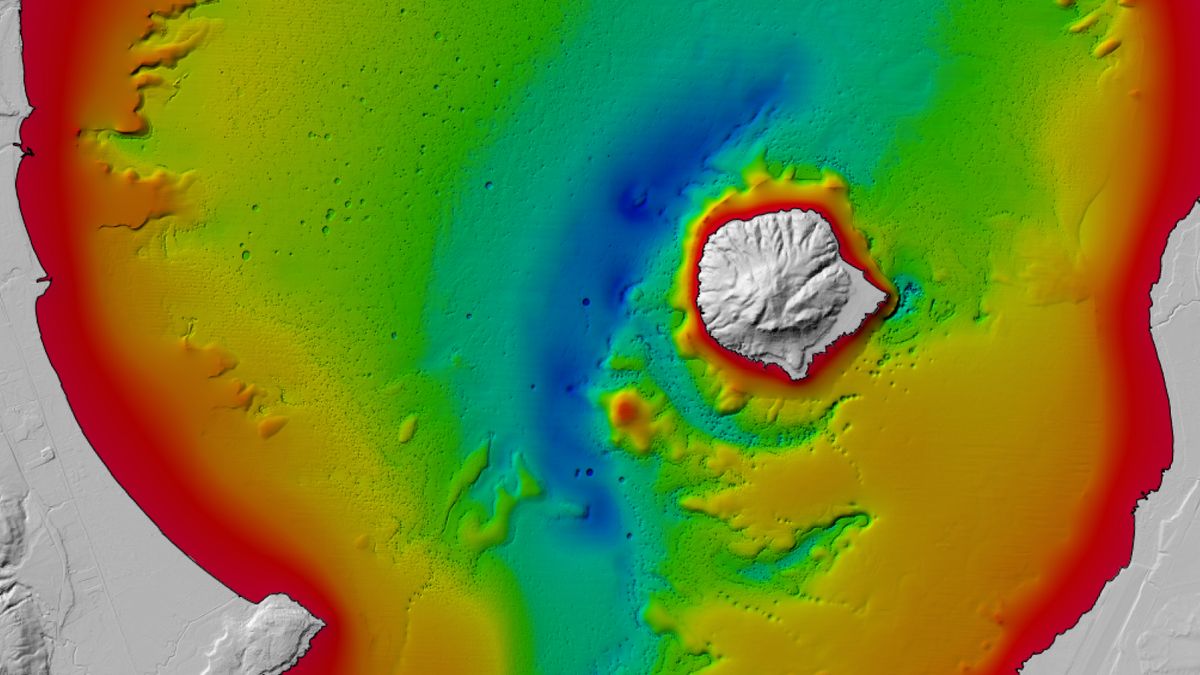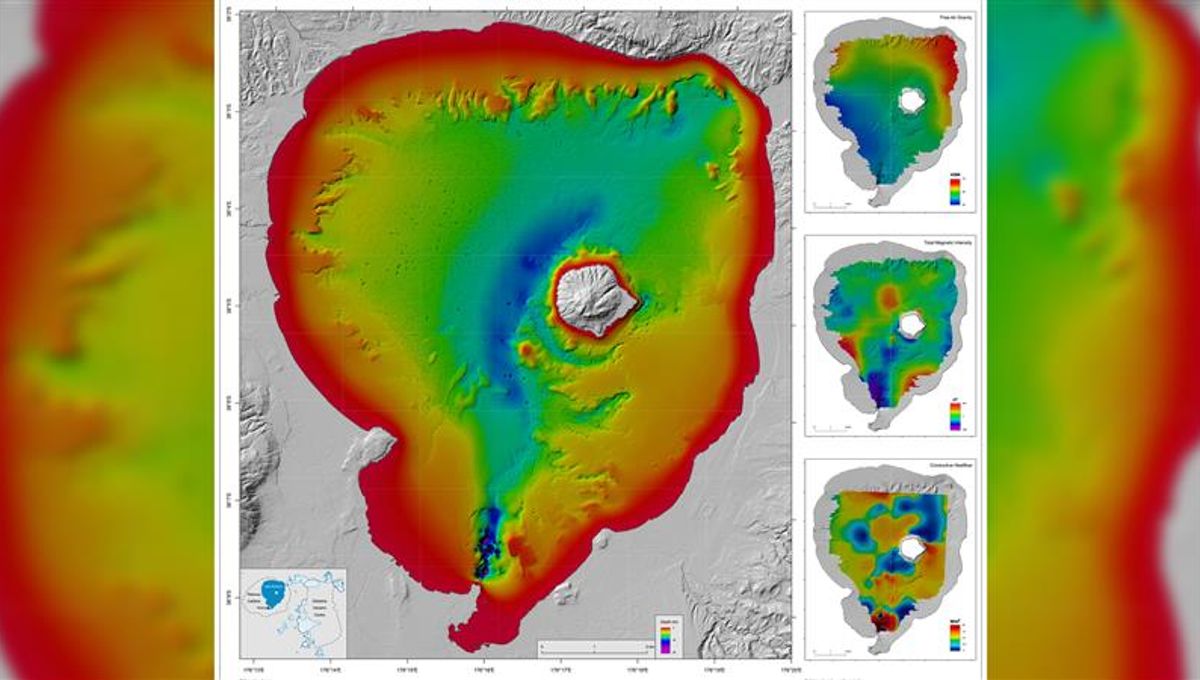
Scientists have completed the first comprehensive mapping of New Zealand's Lake Rotorua, uncovering ancient features and a peculiar magnetic anomaly. The maps reveal thousands of pockmarks on the lake's floor, evidence of an ancient river, and magnetic anomalies that suggest the presence of another hydrothermal system beneath the lake. This mapping provides new insights into the lake's geological history and hydrothermal processes, shedding light on the violent volcanic activity that formed the lake 200,000 years ago.
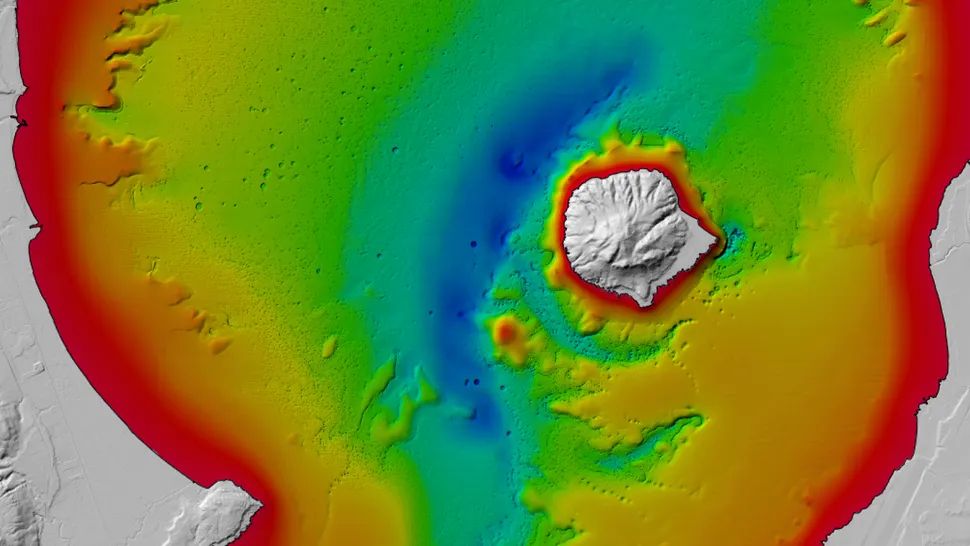
Detailed maps of Lake Rotorua in New Zealand have uncovered hidden subsurface features, including hydrothermal explosion craters, traces of an old river, and a significant magnetic anomaly in the lake's southern section. GNS Science researchers used various measurement techniques to probe beneath the lake's surface, revealing the presence of hydrothermal activity and pinpointing active regions.
New maps have revealed a hidden hydrothermal system beneath New Zealand's Lake Rotorua, located in the crater of a dormant volcano. The maps, created by researchers at GNS Science, show eruption craters, an ancient river, and a large magnetic anomaly in the lake's southern part, indicating that the mainland hydrothermal systems extend into the lake's depths. The anomaly is likely due to hydrothermal fluids transforming highly magnetic minerals into fool's gold, severely diminishing the magnetic signal. Despite this activity, water temperatures near the lake's bottom remain cool due to the large size of the lake.
New maps have revealed a hidden hydrothermal system beneath New Zealand's Lake Rotorua, uncovering eruption craters, an ancient river, and a large magnetic anomaly in the southern part of the lake. The anomaly is likely due to hydrothermal fluids transforming highly magnetic minerals into fool's gold, severely diminishing the magnetic signal. Despite this activity, water temperatures near the lake's bottom remain cool due to the lake's size, with enough cool water counteracting the heat from below.