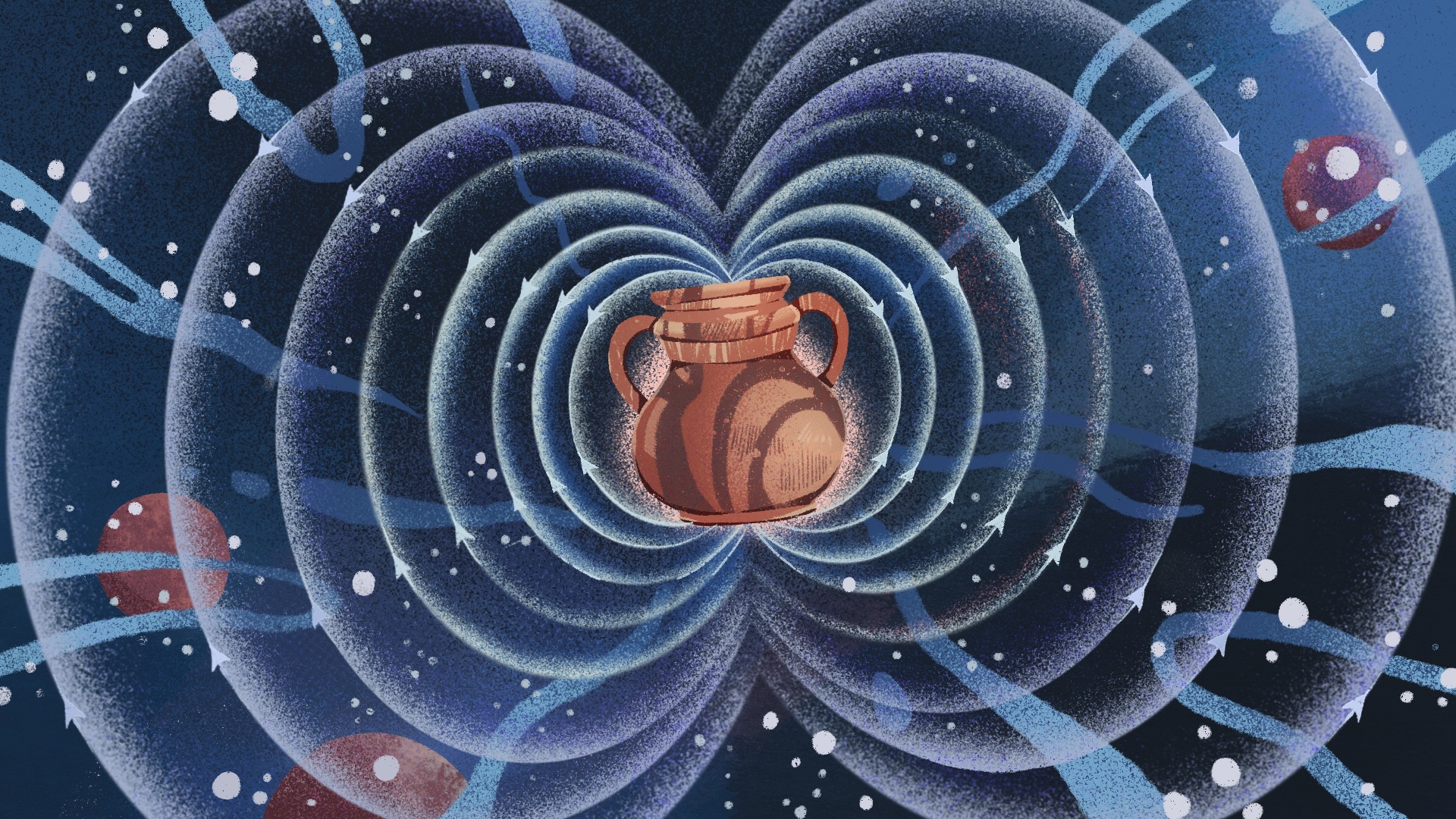
Ancient artifacts containing magnetic minerals reveal past fluctuations in Earth's magnetic field, including a significant anomaly from 3,000 years ago, which could help scientists better understand the current weakening of the magnetic field and its future implications, especially for satellite technology and space radiation protection.
Ancient artifacts containing magnetic minerals reveal past fluctuations in Earth's magnetic field, including a significant anomaly from 3,000 years ago, which could help scientists understand the current weakening of the magnetic field and its future implications, such as satellite disruptions and increased radiation exposure.
Earth's magnetic north pole has been moving eastward at an accelerating pace, shifting from Canada towards Siberia due to changes in the flow of liquid metal in Earth's outer core. This movement, driven by the geodynamo system, has increased from 15 kilometers per year to 50-60 kilometers per year since the 1990s. While the shift has minimal immediate impact on daily life, it requires adjustments in navigation systems like GPS. Scientists are monitoring these changes, as Earth's magnetic poles have historically swapped positions every 300,000 years, though the last swap occurred 780,000 years ago.
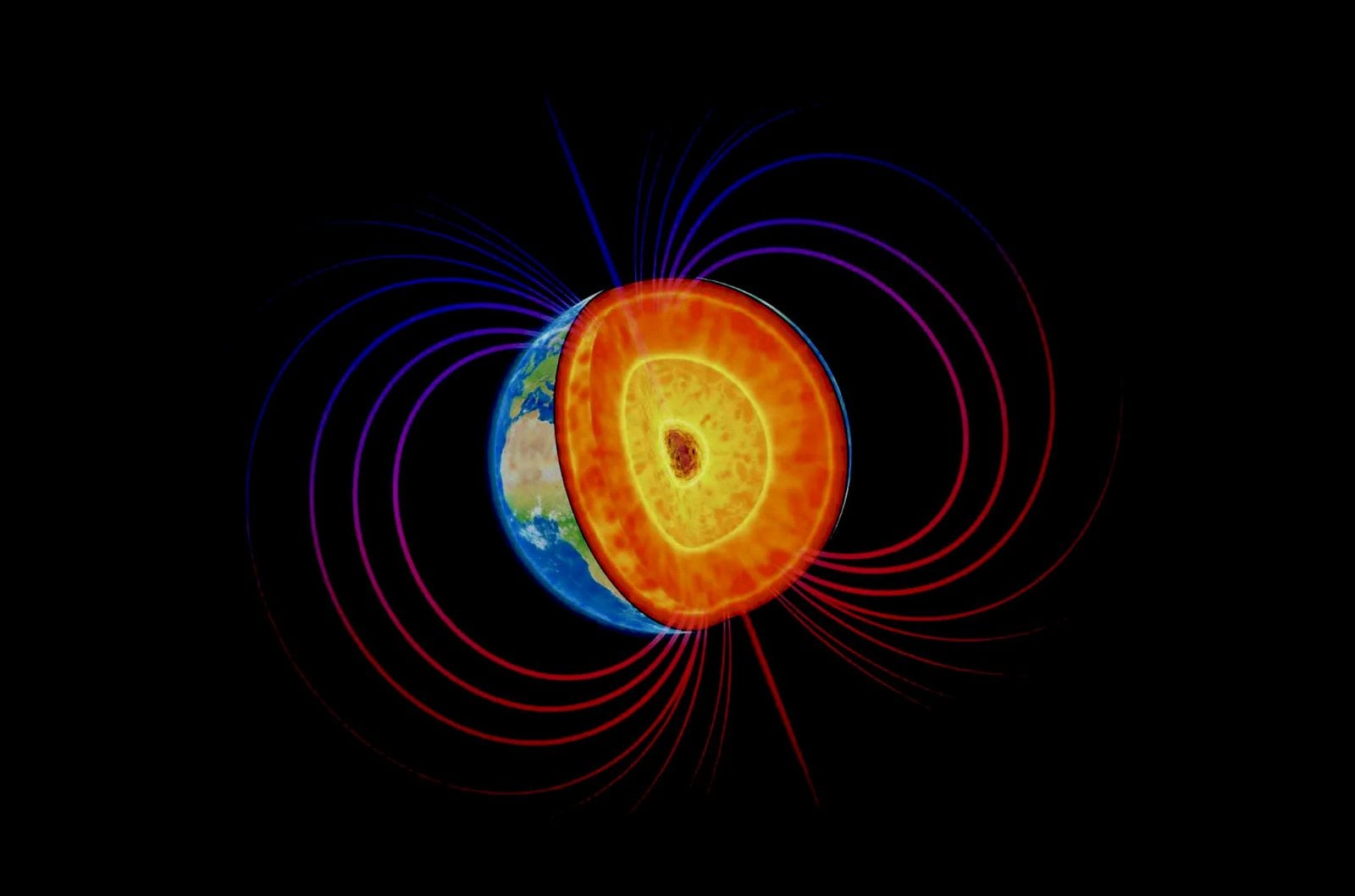
Scientists have discovered that something is moving within the Earth's inner core at a surprisingly rapid pace, aided by machine learning. Researchers believe that groupings of iron atoms in the core can change their locations while preserving the iron's metallic structure, a phenomenon known as collective motion. This finding could help explain the softness of the inner core and its role in generating Earth's magnetic field, known as the geodynamo. The study provides insights into the dynamic processes and evolution of the Earth's inner core.
Researchers from The University of Texas at Austin and collaborators in China have discovered that iron atoms in the Earth's solid inner core are capable of rapid movement, known as "collective motion," while maintaining the metallic structure of the iron. This finding could help explain various properties of the inner core and shed light on the role it plays in generating Earth's magnetic field. By re-creating the inner core in the lab and using an AI algorithm, the scientists observed groups of atoms changing places while still maintaining the overall hexagonal structure. The increased movement of the iron atoms could explain why seismic measurements show the inner core to be softer and more malleable than expected. Understanding the atomic-scale activity in the inner core can inform future research on energy generation and the dynamics of Earth's core.
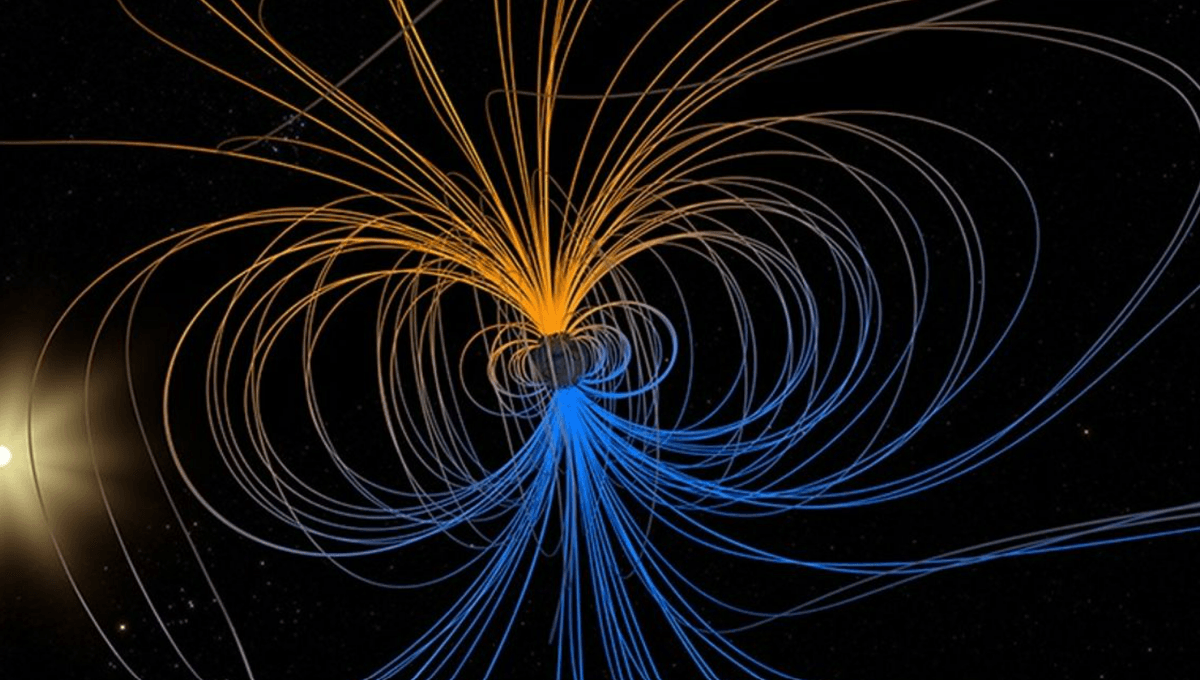
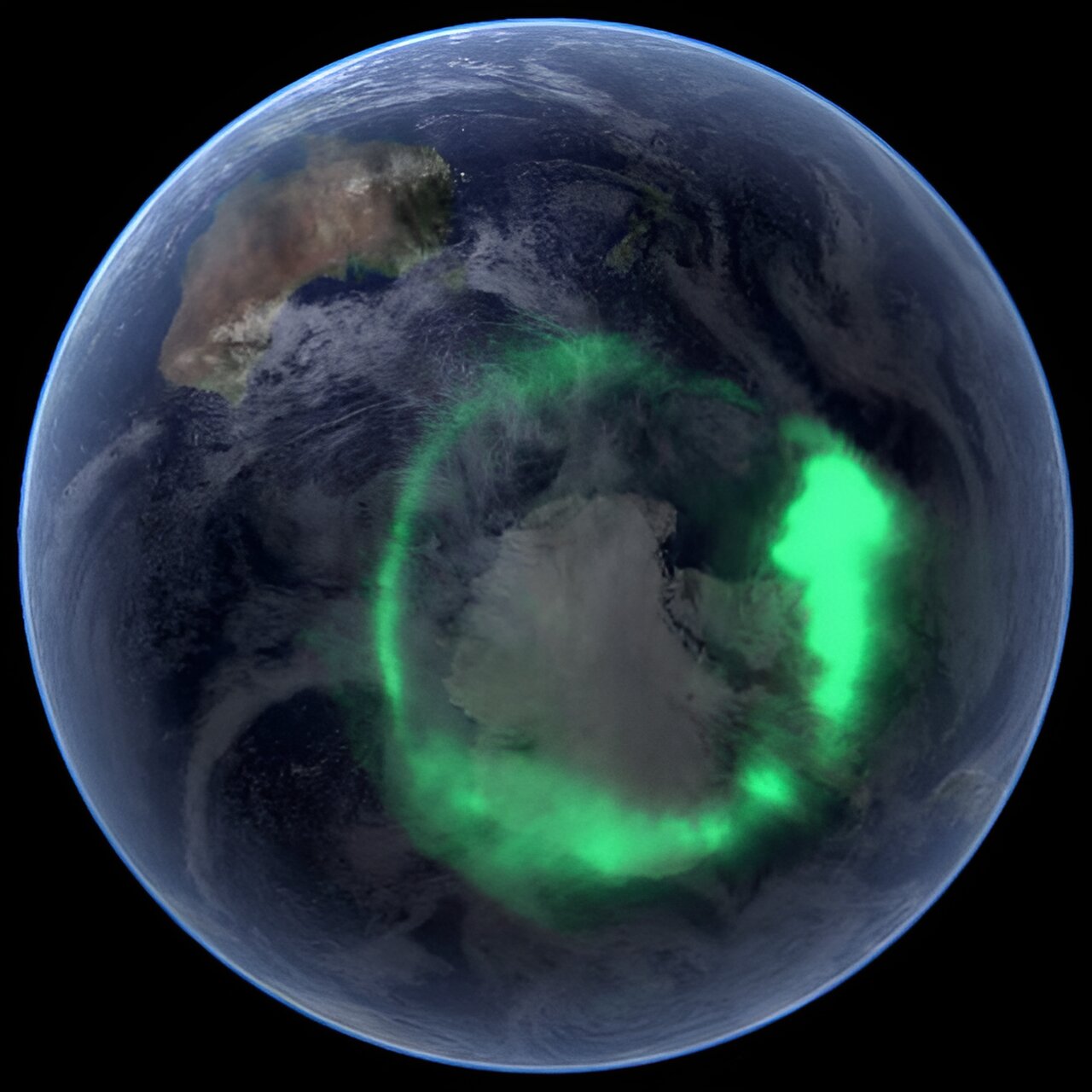
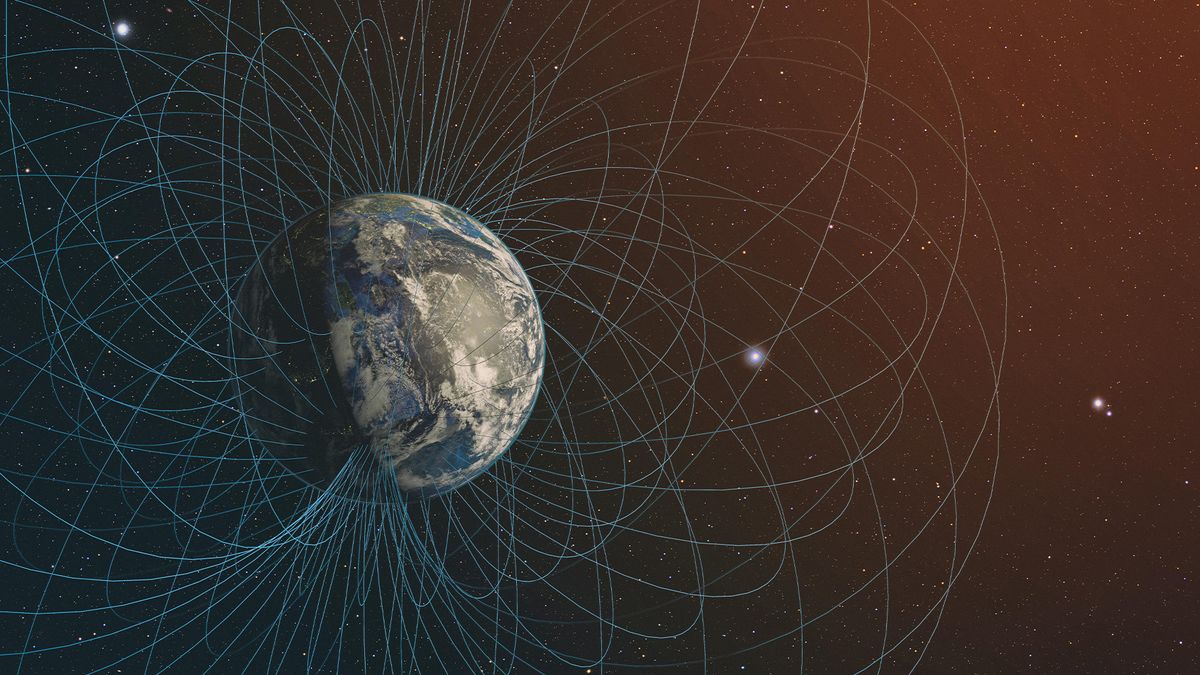
Earth's magnetic poles are generated by the convection of the molten metal outer core surrounding the solid inner core, which creates a magnetic field known as the geodynamo. This magnetic field acts as a protective envelope, deflecting dangerous solar radiation and shielding the planet from harm. However, irregular patterns in the magnetic field, such as the South Atlantic Anomaly, can weaken the magnetosphere, potentially leading to increased radiation exposure and disruptions to satellites and communication systems. The Earth's magnetic poles also undergo periodic reversals, with the last complete reversal occurring about 780,000 years ago. While some researchers suggest that a pole reversal may be imminent, others believe it is not. Studying the Earth's interior and paleogeomagnetic record can help us understand the complex relationship between the magnetosphere and life on Earth.
The Earth's magnetic north pole is moving towards Siberia at an unprecedented and unpredictable rate, with experts suggesting it could reach the region by the middle of the century. The movement of the magnetic north pole is caused by the Earth's liquid outer core, which generates the planet's magnetic field. The north dip pole has been moving primarily in the same direction since 1831, but its speed has increased significantly since the 1990s. However, scientists cannot reliably predict the movement of the magnetic poles beyond a few years, so it is uncertain whether the north dip pole will reach Siberia or change course.