Tag

Energy Source

All articles tagged with #energy source

Scientists develop device harnessing Earth's rotation for electricity

Originally Published 23 days ago — by Earth.com

Featured image for Scientists develop device harnessing Earth's rotation for electricity
Source: Earth.com

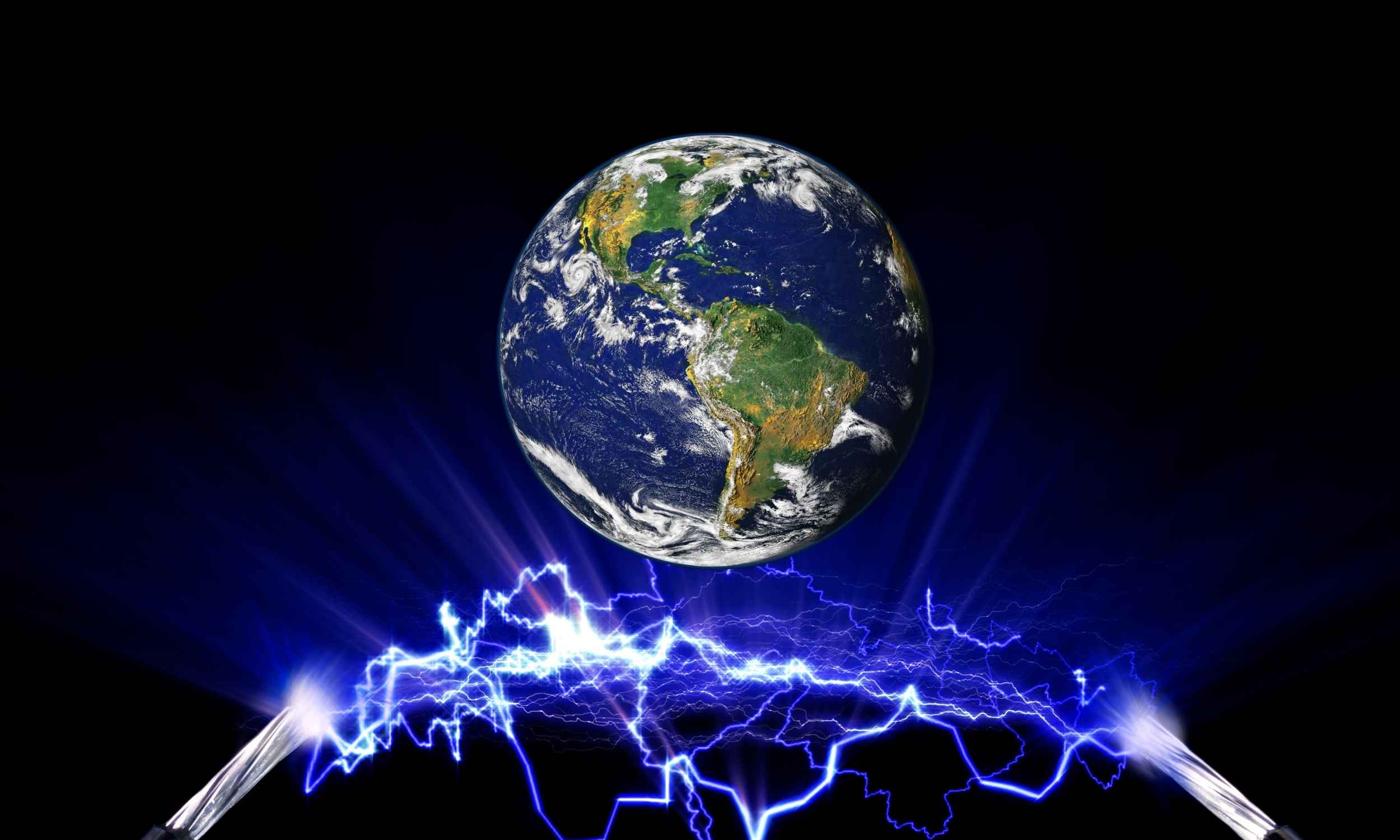
Scientists in the US have developed a device that can generate tiny amounts of electricity by harnessing Earth's rotation and magnetic field, suggesting a potential, though currently impractical, new energy source if scaled up. The experiment involved a specially shaped ferrite shell that avoids the usual cancellation of voltage caused by electromagnetic forces, producing measurable microvolts as Earth spins. While promising, the technology is in early stages, and further independent testing is needed to verify and explore its scalability.
Scientists Develop Ultra-Long-Lasting Battery with 5,700-Year Lifespan

Originally Published 7 months ago — by Earth.com

Featured image for Scientists Develop Ultra-Long-Lasting Battery with 5,700-Year Lifespan
Source: Earth.com

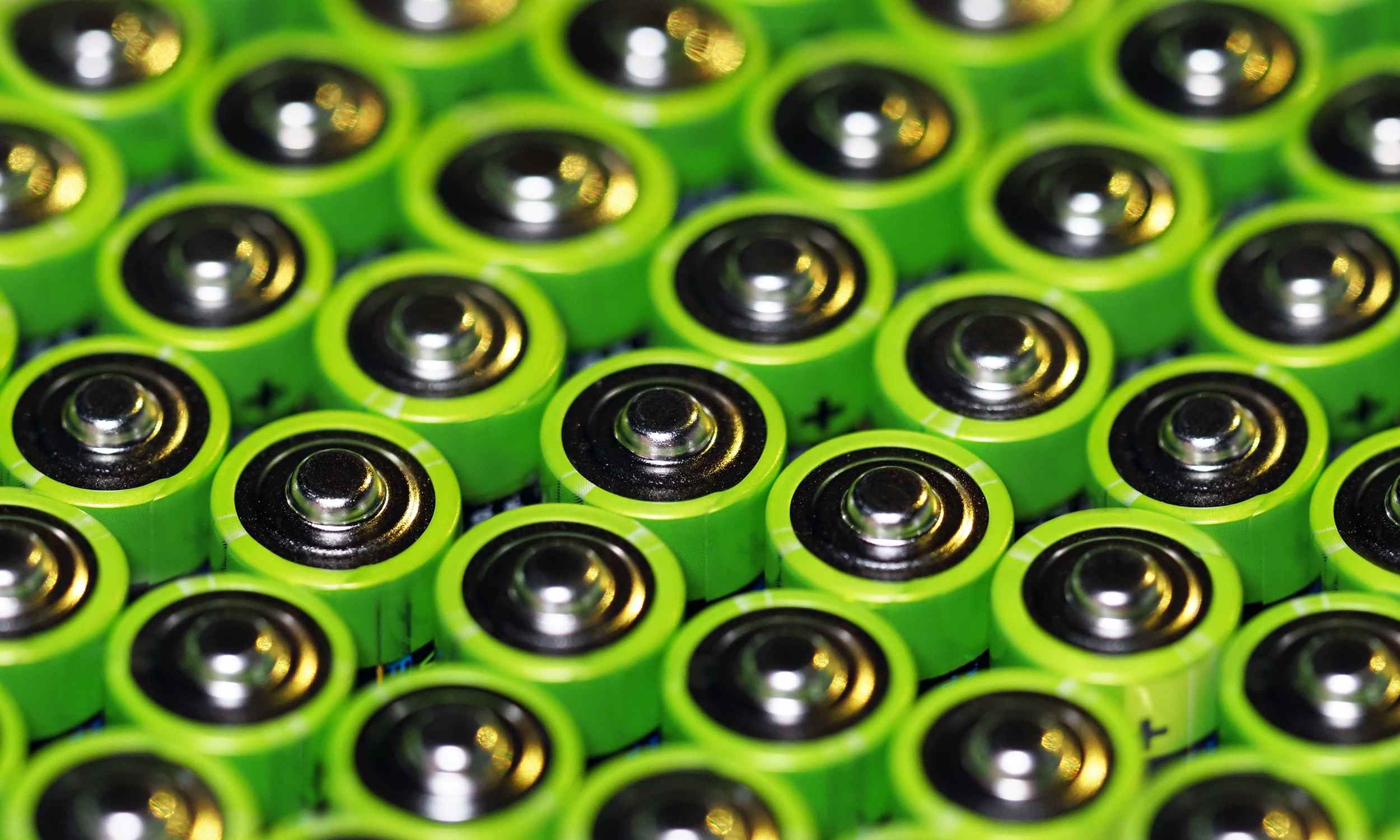
Scientists have developed a diamond-based battery using carbon-14 that can last up to 5,700 years without recharging, offering a safe, sustainable power source for long-term applications like space probes and medical implants, though widespread adoption faces regulatory and public perception challenges.

"Study Suggests 'Immortal' Stars at Milky Way's Center Tap Endless Energy Source"

Originally Published 1 year ago — by Livescience.com

Featured image for "Study Suggests 'Immortal' Stars at Milky Way's Center Tap Endless Energy Source"
Source: Livescience.com

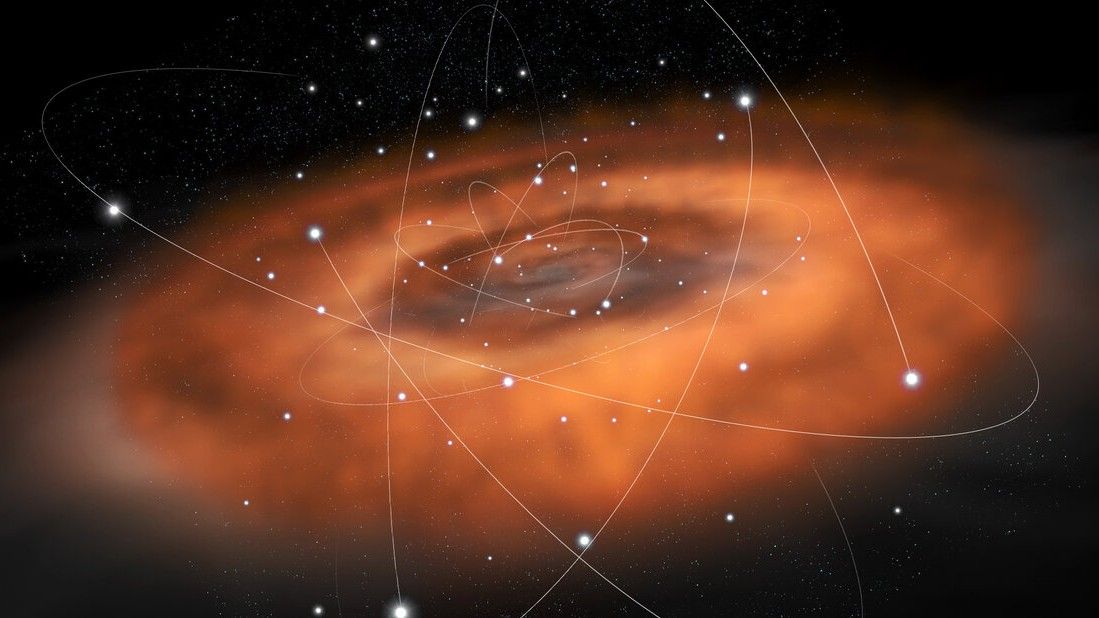
A new study suggests that stars near the Milky Way's center could become "immortal" by capturing and annihilating dark matter particles, providing a continuous energy source. This process could explain why these stars appear younger than expected, as dark matter annihilation could stabilize them even after their nuclear fuel is depleted. The findings, based on computer simulations, need further observational confirmation.

"Unearthing Albania's Potential: The Quest for Natural Hydrogen"

Originally Published 1 year ago — by Business Insider

Featured image for "Unearthing Albania's Potential: The Quest for Natural Hydrogen"
Source: Business Insider

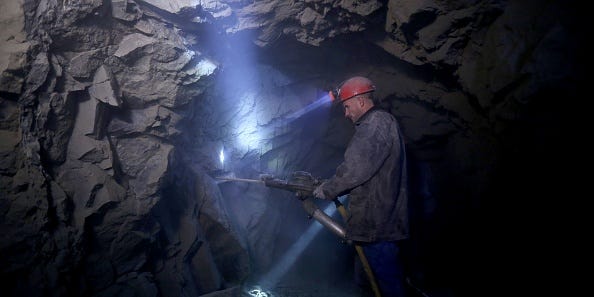
Researchers have discovered a significant reservoir of hydrogen in an Albanian mine, potentially offering a clean energy source. The mine's high hydrogen concentrations have led to deadly explosions, but if harnessed safely, it could be a key energy source. President Biden's recent initiative aims to invest in hydrogen hubs in the US, aligning with the growing interest in hydrogen as an alternative to fossil fuels.

Harnessing the Power of Black Holes: Future Energy Possibilities

Originally Published 2 years ago — by Phys.org

Featured image for Harnessing the Power of Black Holes: Future Energy Possibilities
Source: Phys.org

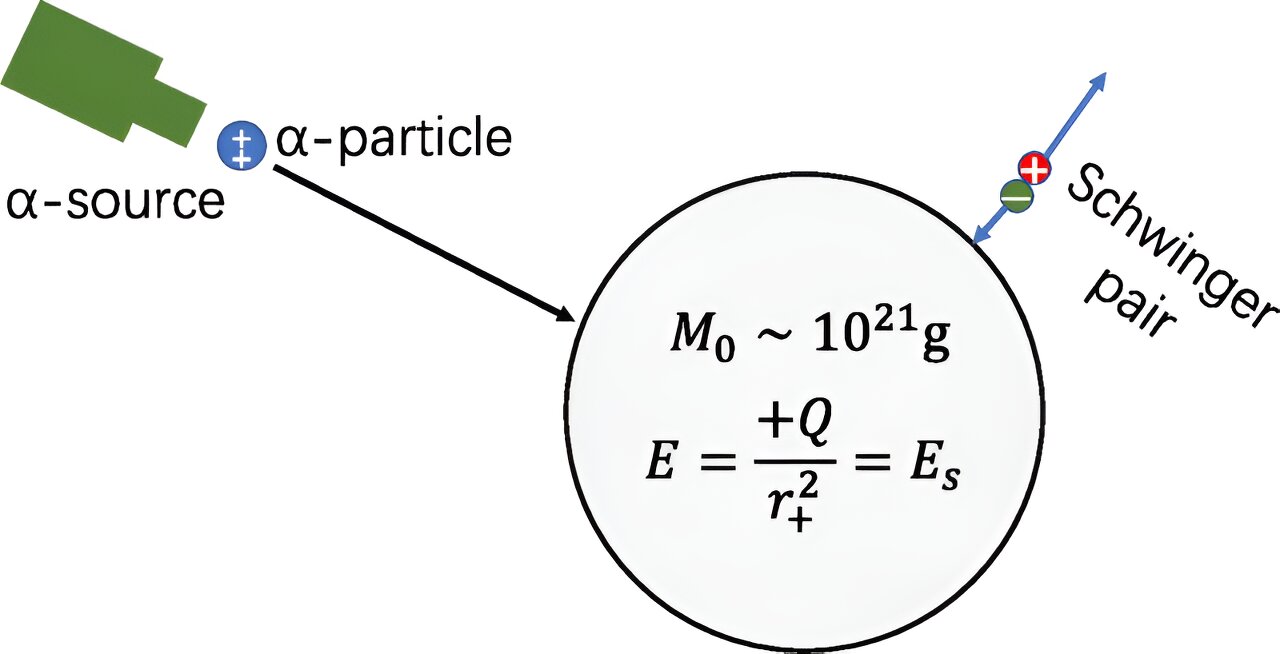
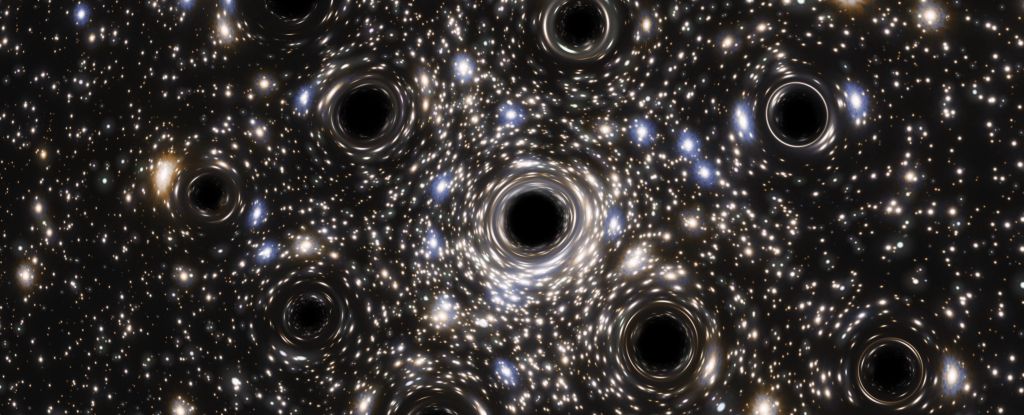
Astrophysicists propose two potential methods for harnessing energy from black holes in the distant future: charging primordial black holes by feeding them electrically charged particles until they repel them, and collecting energy through superradiance; and retrieving energy stored in the form of particle pairs that form in the presence of an electric field around black holes. The researchers estimate a potential recharging efficiency of approximately 25%.

Harnessing the Power of Black Holes: A Revolutionary Energy Solution

Originally Published 2 years ago — by Livescience.com

Featured image for Harnessing the Power of Black Holes: A Revolutionary Energy Solution
Source: Livescience.com

Scientists propose two methods for harnessing the energy of black holes. The first method involves "charging" the black hole by injecting it with electrically charged particles until it repels additional charges, effectively becoming "fully charged." The second method involves extracting energy in the form of paired particles that form spontaneously in the presence of an electric field. Theoretical calculations suggest that black hole batteries could have an efficiency 250 times higher than that of an atomic bomb. These proposals provide insights into the intersection of quantum mechanics and gravity.

Rolls-Royce Reveals Moon Colony Power Solution with Concept Nuclear Reactor

Originally Published 2 years ago — by Business Insider

Featured image for Rolls-Royce Reveals Moon Colony Power Solution with Concept Nuclear Reactor
Source: Business Insider

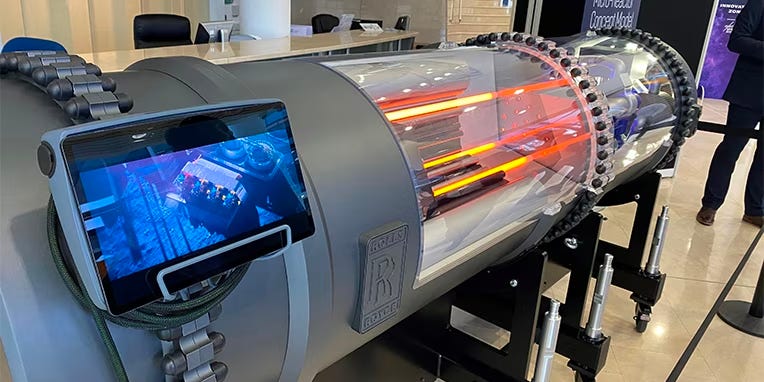
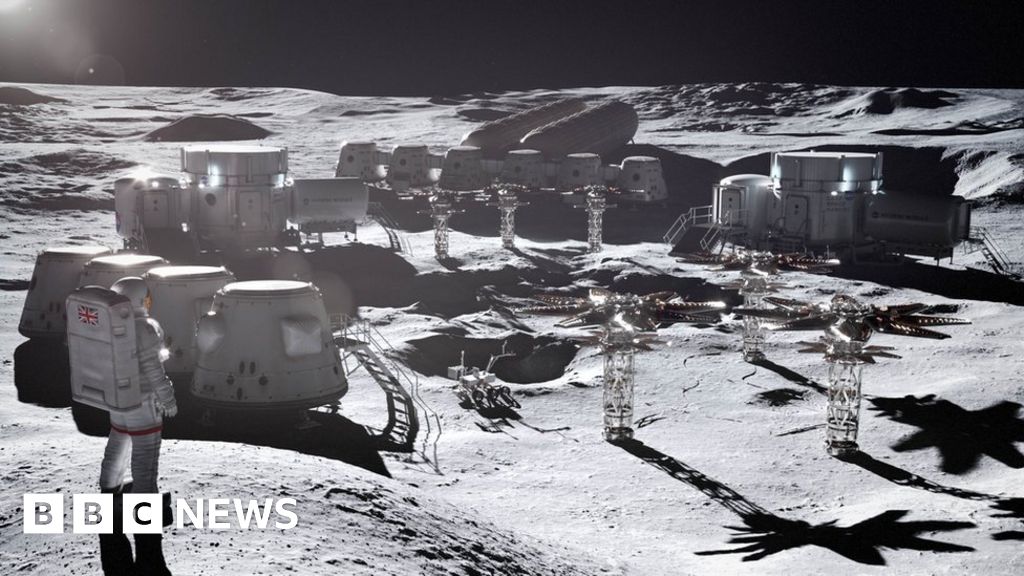
Rolls-Royce has unveiled a concept model for a miniature nuclear reactor that could potentially power a colony on the moon. The project, supported by a £2.9 million contract from the UK Space Agency, aims to provide a reliable energy source for future lunar settlements. The company plans to have a reactor ready for deployment to the moon by the early 2030s. These micronuclear reactors, generating less than 50 megawatts of electric power, could offer a much-needed energy solution for long-term lunar habitation, as solar energy can be unreliable. Other companies, including Lockheed Martin and NASA, are also developing similar miniature reactors for space exploration.

Harnessing the Power of Tiny Black Holes for Nuclear Energy

Originally Published 2 years ago — by ScienceAlert

Featured image for Harnessing the Power of Tiny Black Holes for Nuclear Energy
Source: ScienceAlert

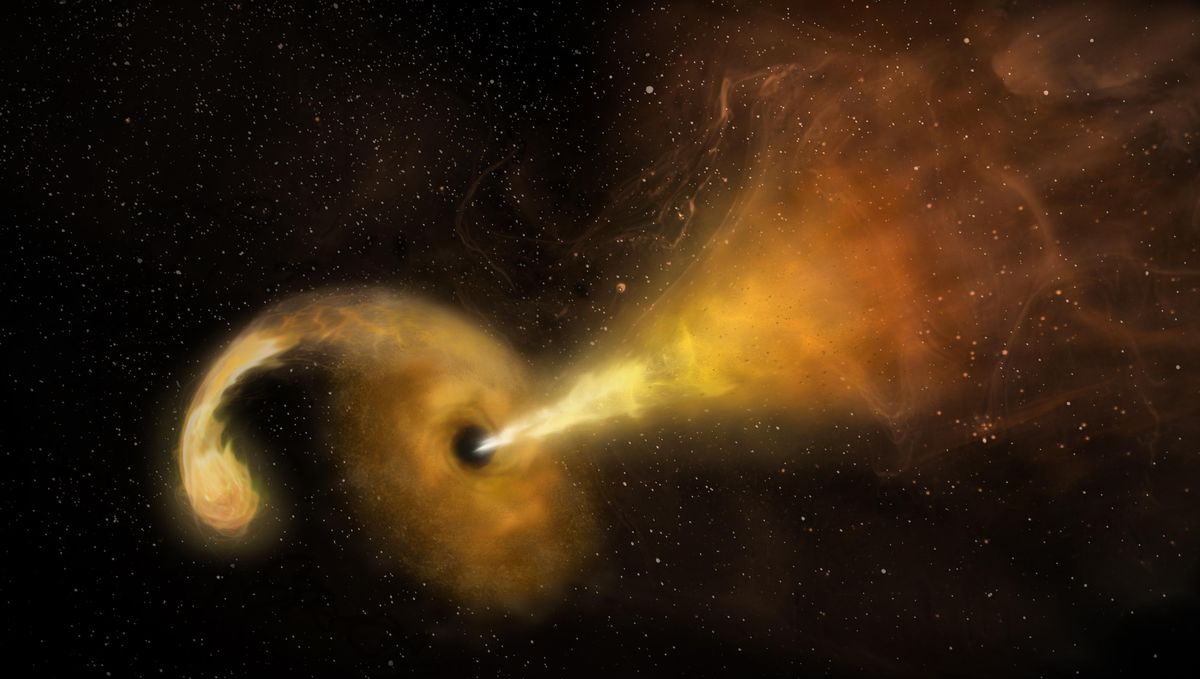
Physicists have proposed that tiny black holes, specifically primordial black holes, could potentially be used as a source of power. These ultradense objects could function as rechargeable batteries and nuclear reactors, extracting energy from the strong gravitational force just outside the black hole. Although the existence of primordial black holes is still uncertain, if they do exist, they could offer possibilities for dark matter and energy production. The researchers calculated that a black hole within a certain mass range could convert up to 25 percent of input mass into energy, comparable to the efficiency of nuclear reactors. While this concept is not currently testable, it presents intriguing prospects for future energy solutions.

The Disturbing Link Between Marathon Running and Brain Degeneration

Originally Published 2 years ago — by Futurism

Featured image for The Disturbing Link Between Marathon Running and Brain Degeneration
Source: Futurism

A recent study suggests that marathon runners' bodies may utilize brain tissue, specifically the myelin layer, as an energy source during races. The study, which is yet to be peer-reviewed, found significant declines in myelin levels in the brains of runners after a marathon, indicating that myelin may serve as a reserve energy source. Interestingly, the researchers also observed that the myelin appeared to replenish itself in the weeks following the race, suggesting that it is more adaptable than previously believed. While the study has limitations, such as a small sample size, it raises intriguing questions about the dynamic nature of the myelin sheath and its potential role as an energy source.

"Revolutionary Energy Breakthrough Enables Lunar Habitation for Astronauts"

Originally Published 2 years ago — by NDTV

Featured image for "Revolutionary Energy Breakthrough Enables Lunar Habitation for Astronauts"
Source: NDTV

Scientists at Bangor University in the UK have developed tiny nuclear fuel cells, called Trisofuel, to create energy for sustaining life on the Moon. The fuel cells, the size of poppy seeds, are being tested in partnership with Rolls Royce, the UK space agency, NASA, and the Los Alamos National Laboratory. The goal is to power a micro nuclear generator that can be deployed in a Moon base by 2030. This portable generator, the size of a small car, is crucial for providing reliable energy in areas with bone-chilling temperatures as low as -248°C.

"Revolutionary Fuel Design Enables Sustainable Living on Moon Base"

Originally Published 2 years ago — by BBC

Featured image for "Revolutionary Fuel Design Enables Sustainable Living on Moon Base"
Source: BBC

Scientists at Bangor University have developed nuclear fuel cells, the size of poppy seeds, that could provide the energy needed to sustain life on the Moon. The cells, known as Trisofuel, could power a micro nuclear generator and be used in a portable device the size of a small car. The team hopes to fully test the fuel over the next few months and believes it could be ready for a Moon base by 2030. The university is also working on a nuclear system to power rockets, which could significantly reduce travel time to Mars.

Cracking the Code of Vortex Rings: Revolutionizing Nuclear Fusion

Originally Published 2 years ago — by SciTechDaily

Featured image for Cracking the Code of Vortex Rings: Revolutionizing Nuclear Fusion
Source: SciTechDaily

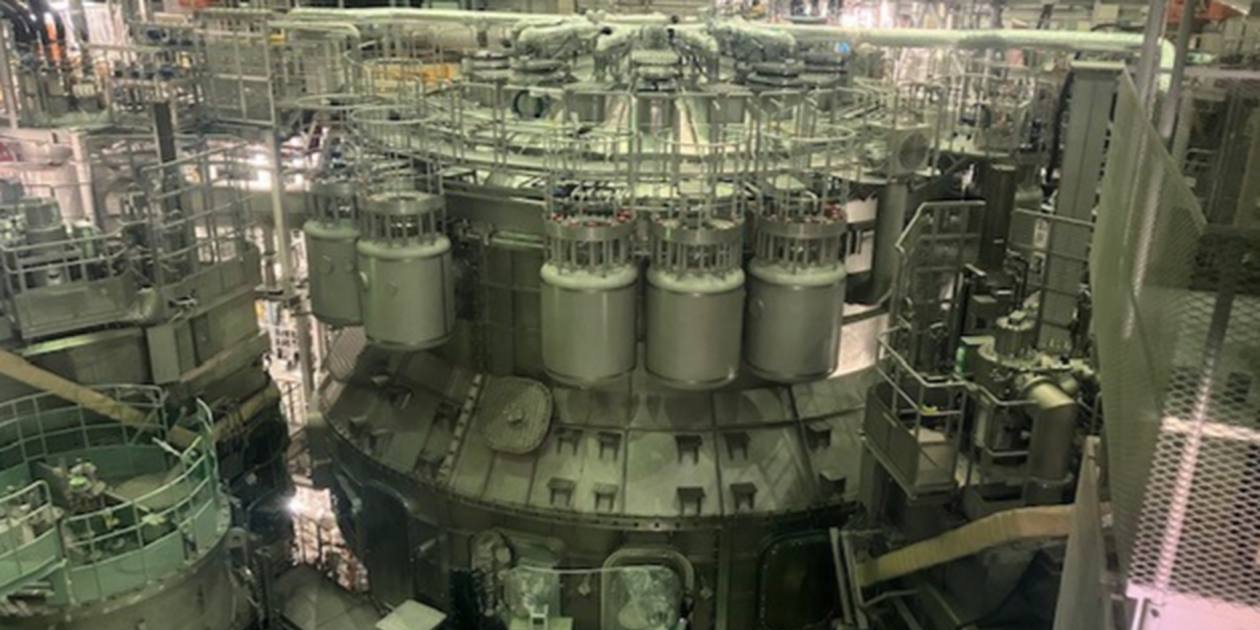
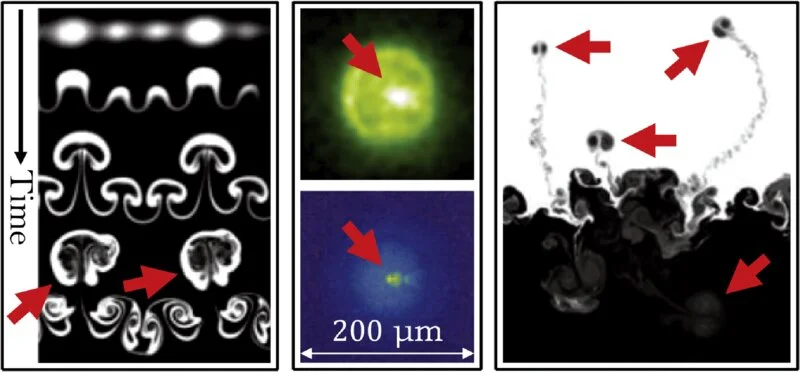
Researchers at the University of Michigan have developed a mathematical model to understand the formation of vortex rings, which could aid in efficient fuel compression for nuclear fusion and assist in fluid mixing post-shock wave. The model has implications for engineers in supersonic jet engine design and physicists studying supernovae. By gaining deeper insight into vortex ring formation, scientists could improve fuel compression in nuclear fusion, bringing us closer to harnessing fusion as a viable energy source. The model also has potential applications in designing fuel capsules and managing fluid mixing in various fields.

Understanding Vortex Rings in Nuclear Fusion and Supernovae

Originally Published 2 years ago — by Phys.org

Featured image for Understanding Vortex Rings in Nuclear Fusion and Supernovae
Source: Phys.org

Researchers at the University of Michigan have developed a model to better understand the formation of vortex rings, which could help nuclear fusion researchers compress fuel more efficiently and bring humanity closer to capturing the power of nuclear fusion as an energy source. The model could also help other engineers who must manage the mixing of fluids after a shock wave passes through, as well as physicists trying to understand supernovae. The researchers have shown that vortex rings that form at the leading edge of jets are mathematically similar to smoke rings, the eddies behind jellyfish, and the plasma rings that fly off the surface of a supernova.