Tag

Interstellar Medium

All articles tagged with #interstellar medium

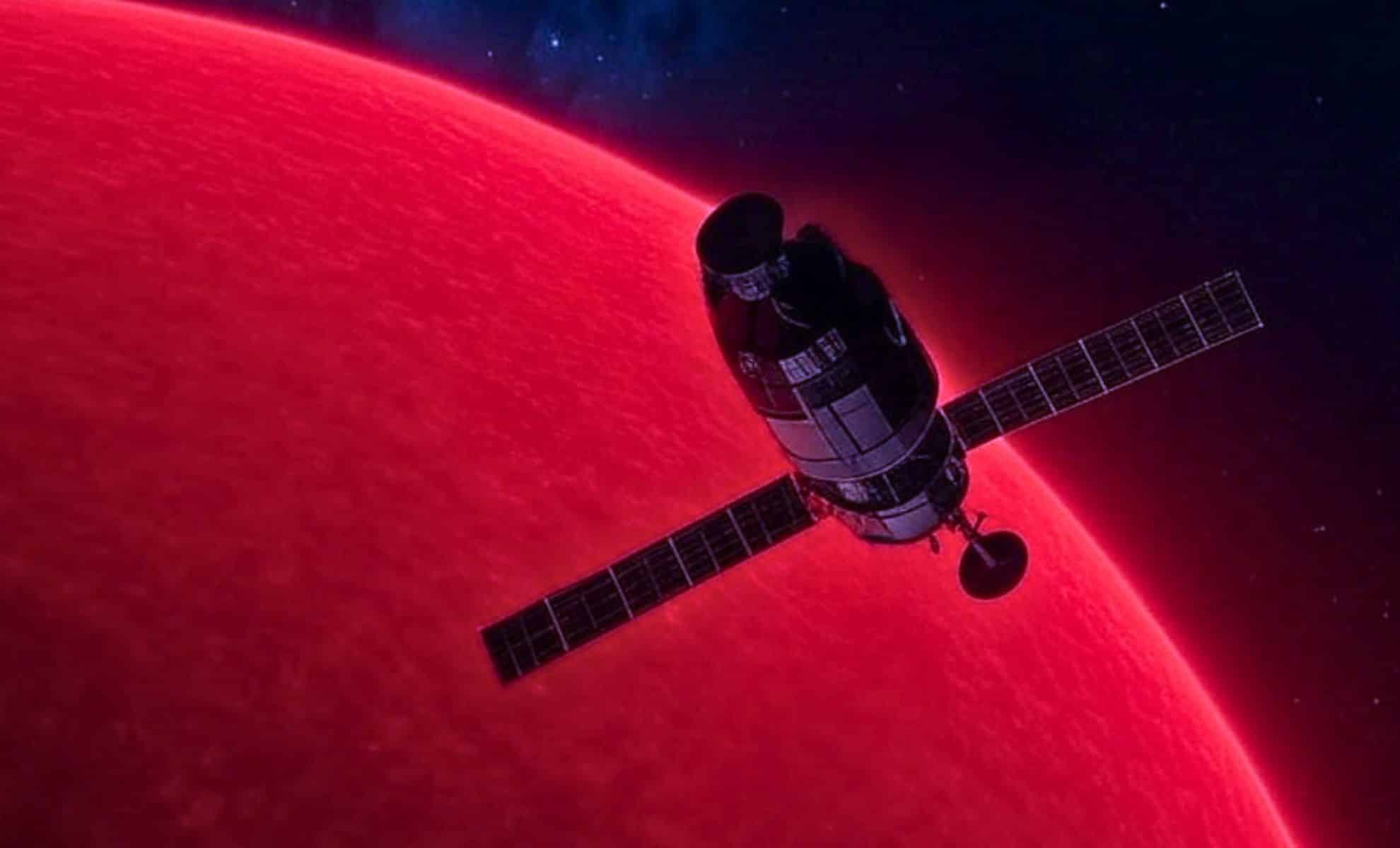
NASA's Voyager 1 Discovers 50,000°C 'Wall of Fire' at Solar System's Edge

Originally Published 6 months ago — by LADbible

Featured image for NASA's Voyager 1 Discovers 50,000°C 'Wall of Fire' at Solar System's Edge
Source: LADbible

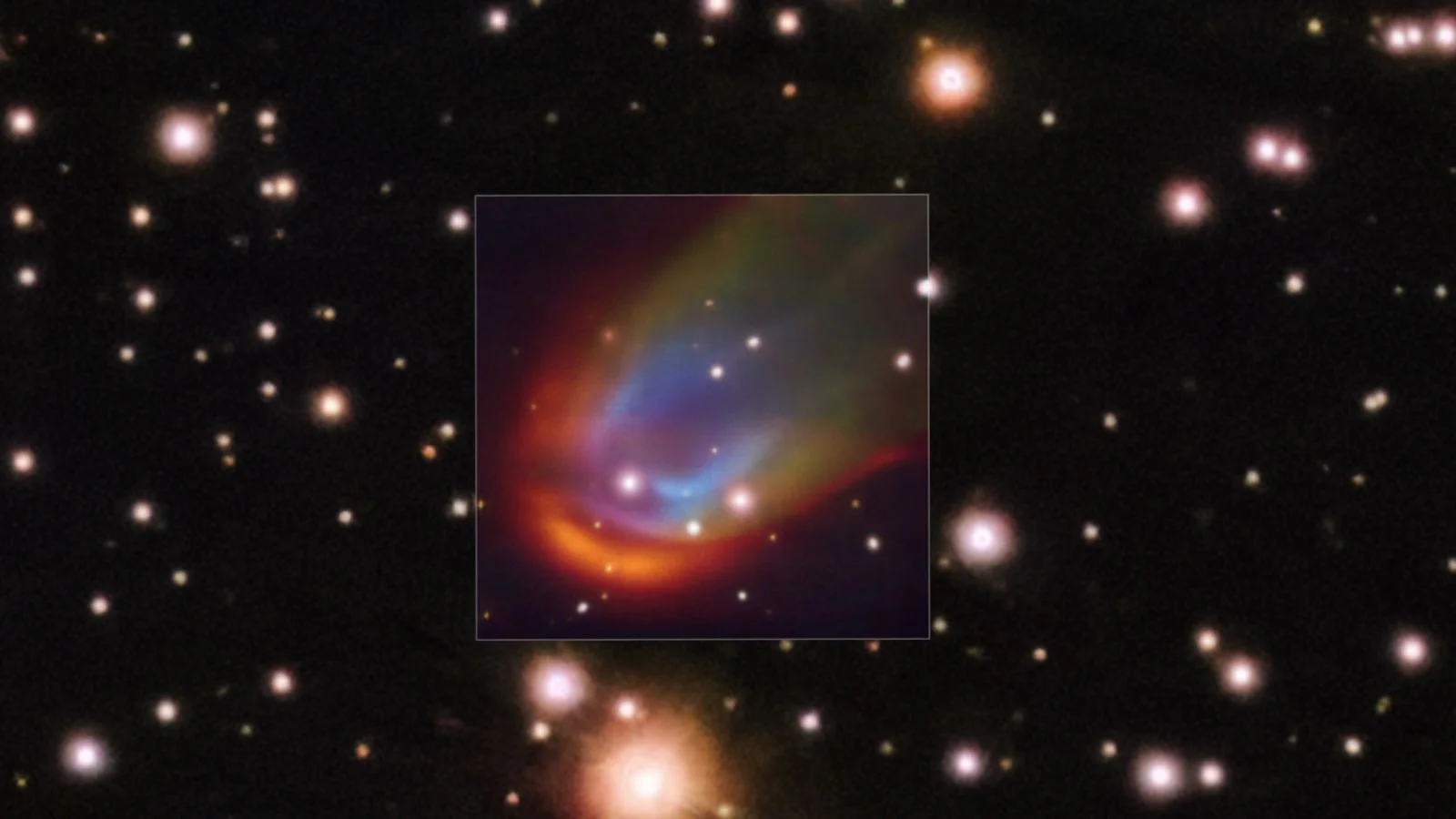
NASA's Voyager 1 probe discovered a hot boundary at the edge of the solar system, where temperatures reach up to 50,000°C, caused by the interaction of solar and interstellar winds, forming the heliosphere's boundary known as the heliopause, which protects us from interstellar radiation.

SETI's Breakthrough with Cosmic Lighthouses from a Ruined Observatory

Originally Published 1 year ago — by Livescience.com

Featured image for SETI's Breakthrough with Cosmic Lighthouses from a Ruined Observatory
Source: Livescience.com

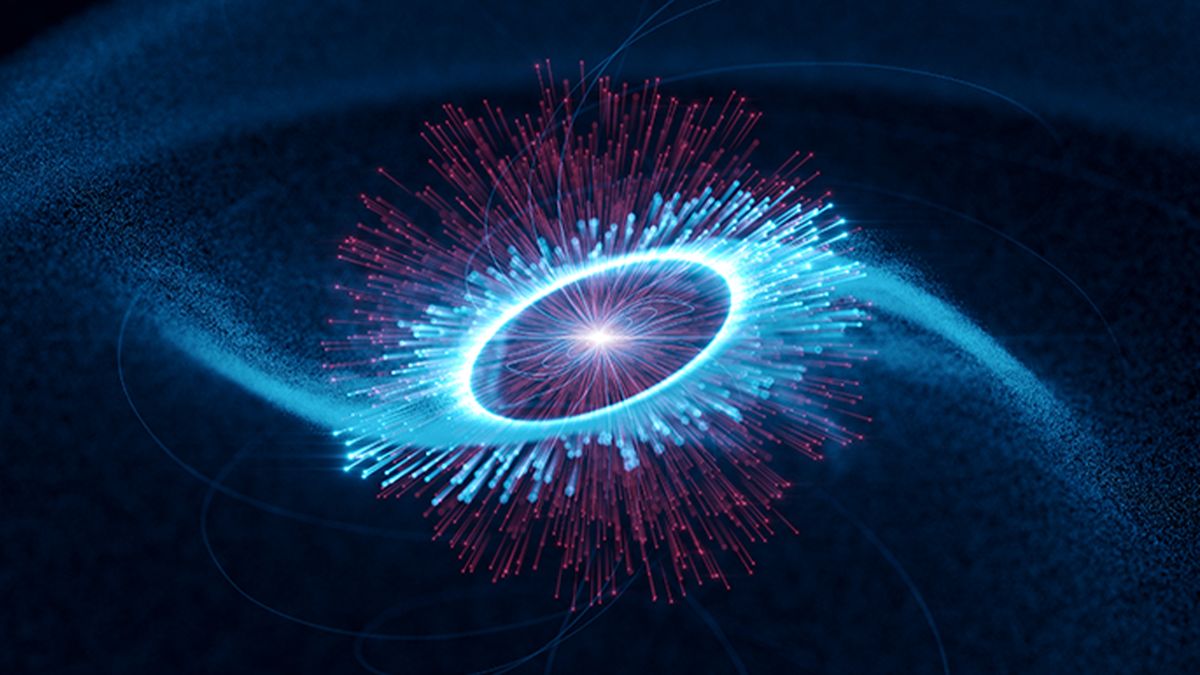
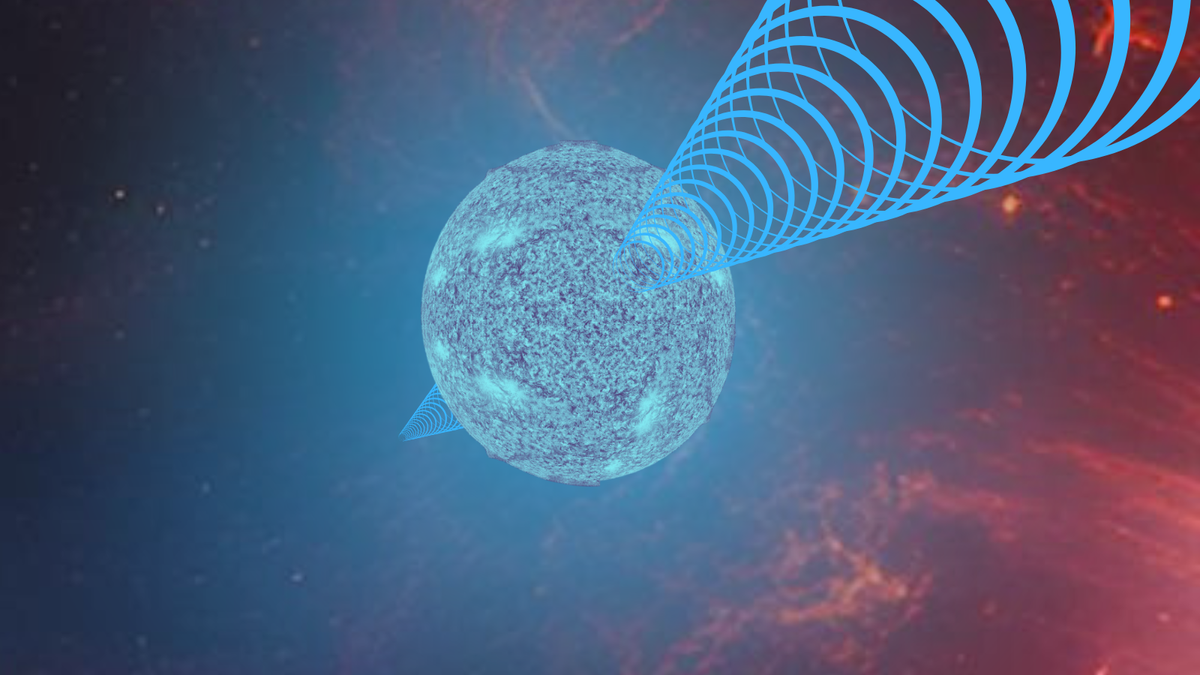
Using data from the now-collapsed Arecibo radio telescope, SETI scientists have studied how pulsar signals are distorted by the interstellar medium, revealing that current models of the universe may need revision. This research, led by Sofia Sheikh, highlights the importance of archived data and its role in understanding cosmic phenomena like gravitational waves. The findings suggest that galactic structures, such as the Milky Way's spiral arms, influence these distortions, which could refine gravitational wave detection methods.

SETI Analyzes Pulsar Signals Using Arecibo's Legacy Data

Originally Published 1 year ago — by Space.com

Featured image for SETI Analyzes Pulsar Signals Using Arecibo's Legacy Data
Source: Space.com

Scientists from the SETI Institute have used archival data from the now-collapsed Arecibo Observatory to study how signals from pulsars, rapidly spinning neutron stars, are distorted as they travel through space. The research focused on diffractive interstellar scintillation (DISS), revealing that pulsar signal bandwidths are wider than current models suggest, indicating a need to revise models of the interstellar medium. This study highlights the ongoing scientific value of Arecibo's data, even after its destruction, in understanding galactic structures and phenomena like gravitational waves.

"Optimizing Trajectories for Interstellar Spacecraft"

Originally Published 1 year ago — by Phys.org

Featured image for "Optimizing Trajectories for Interstellar Spacecraft"
Source: Phys.org

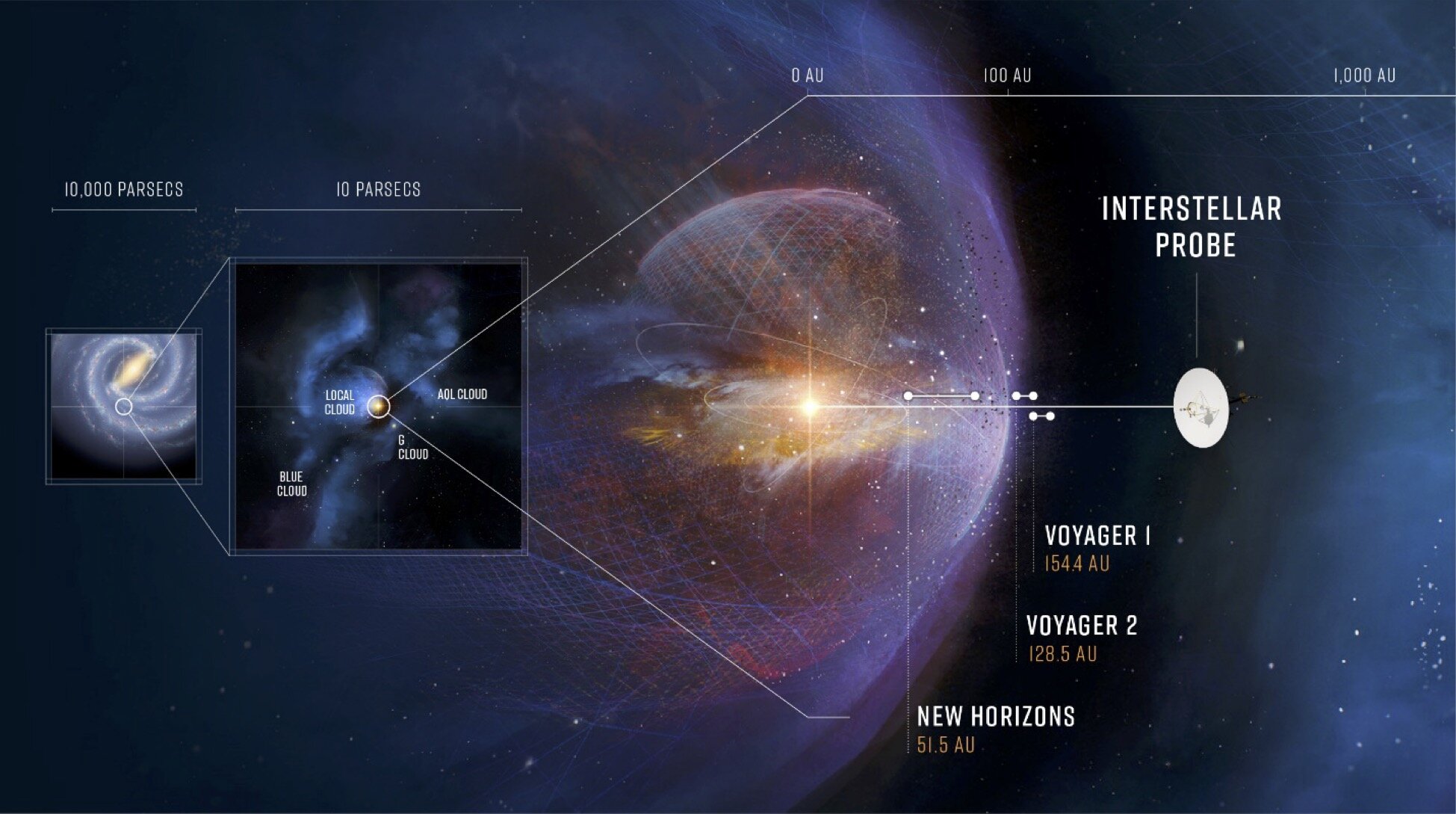
Scientists are exploring mission concepts for an interstellar probe to travel beyond the sun's heliosphere and understand its boundaries and shape. A study recommends an exit route through the heliosphere's tail end to maximize scientific measurements. The mission aims to collect samples from the local interstellar medium and provide unprecedented insights into the heliosphere's interaction with the interstellar environment. This research challenges previous assumptions about the optimal trajectory for the interstellar probe and emphasizes the importance of additional measurements outside the heliosphere to determine its shape and boundaries.

NASA's GUSTO Balloon Mission: Mapping the Space Between Stars in the Milky Way

Originally Published 2 years ago — by Gizmodo

Featured image for NASA's GUSTO Balloon Mission: Mapping the Space Between Stars in the Milky Way
Source: Gizmodo

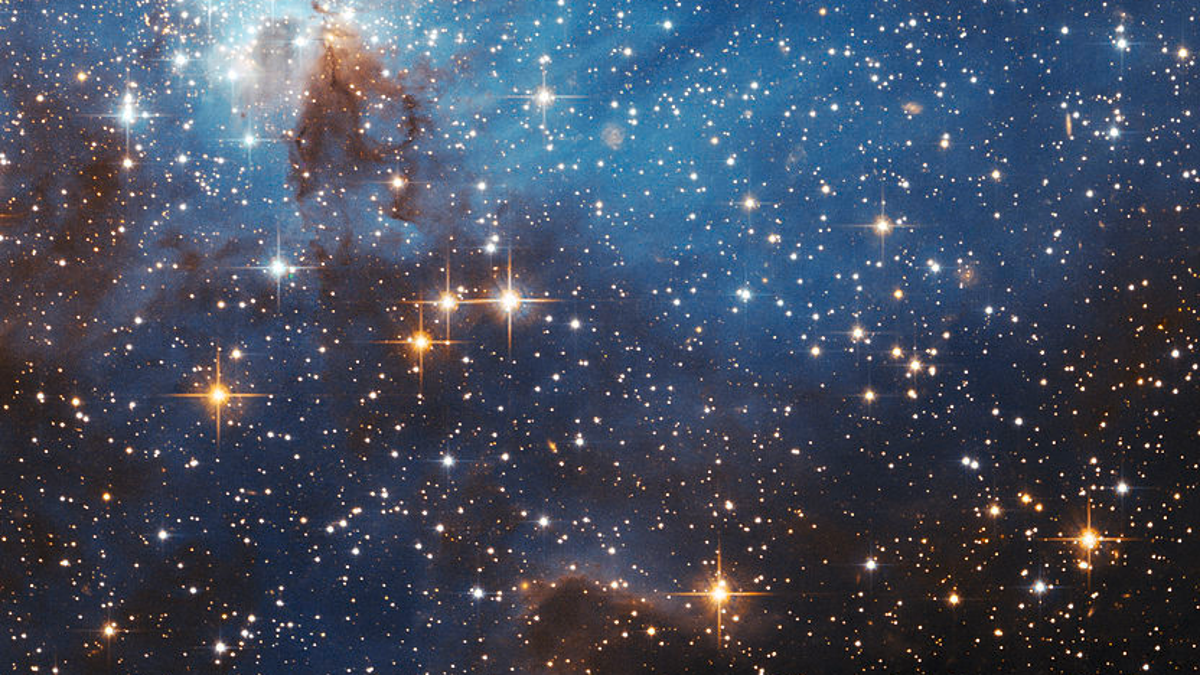
NASA is launching the GUSTO experiment, a balloon-borne telescope, to scan the space between stars in the Milky Way and listen for cosmic ingredients. GUSTO will create a 3D map of a region of the galaxy using high-frequency radio waves, searching for signals of carbon, oxygen, and nitrogen in the interstellar medium. By studying this space, scientists hope to understand how stars and planets form and how galaxies evolve. The balloon will float over Antarctica for at least 55 days, allowing GUSTO to observe without interference from water vapor in Earth's atmosphere.

Mapping the Space Between Stars: NASA's GUSTO Balloon Telescope Takes Flight

Originally Published 2 years ago — by The Verge

Featured image for Mapping the Space Between Stars: NASA's GUSTO Balloon Telescope Takes Flight
Source: The Verge

NASA is set to launch the GUSTO experiment, which involves a balloon telescope floating over Antarctica to gather data and create a 3D map of a portion of the Milky Way Galaxy. The telescope will study the interstellar medium, looking for signals of carbon, oxygen, and nitrogen to understand how stars and planets form. The mission will also reveal the 3D structure of the Large Magellanic Cloud, a dwarf galaxy near the Milky Way. GUSTO is part of NASA's Explorers Program, which aims to provide flight opportunities for scientific investigations in space.

"Breakthrough Discovery: Fast Radio Bursts Travel Eight Billion Years"

Originally Published 2 years ago — by Smithsonian Magazine

Featured image for "Breakthrough Discovery: Fast Radio Bursts Travel Eight Billion Years"
Source: Smithsonian Magazine

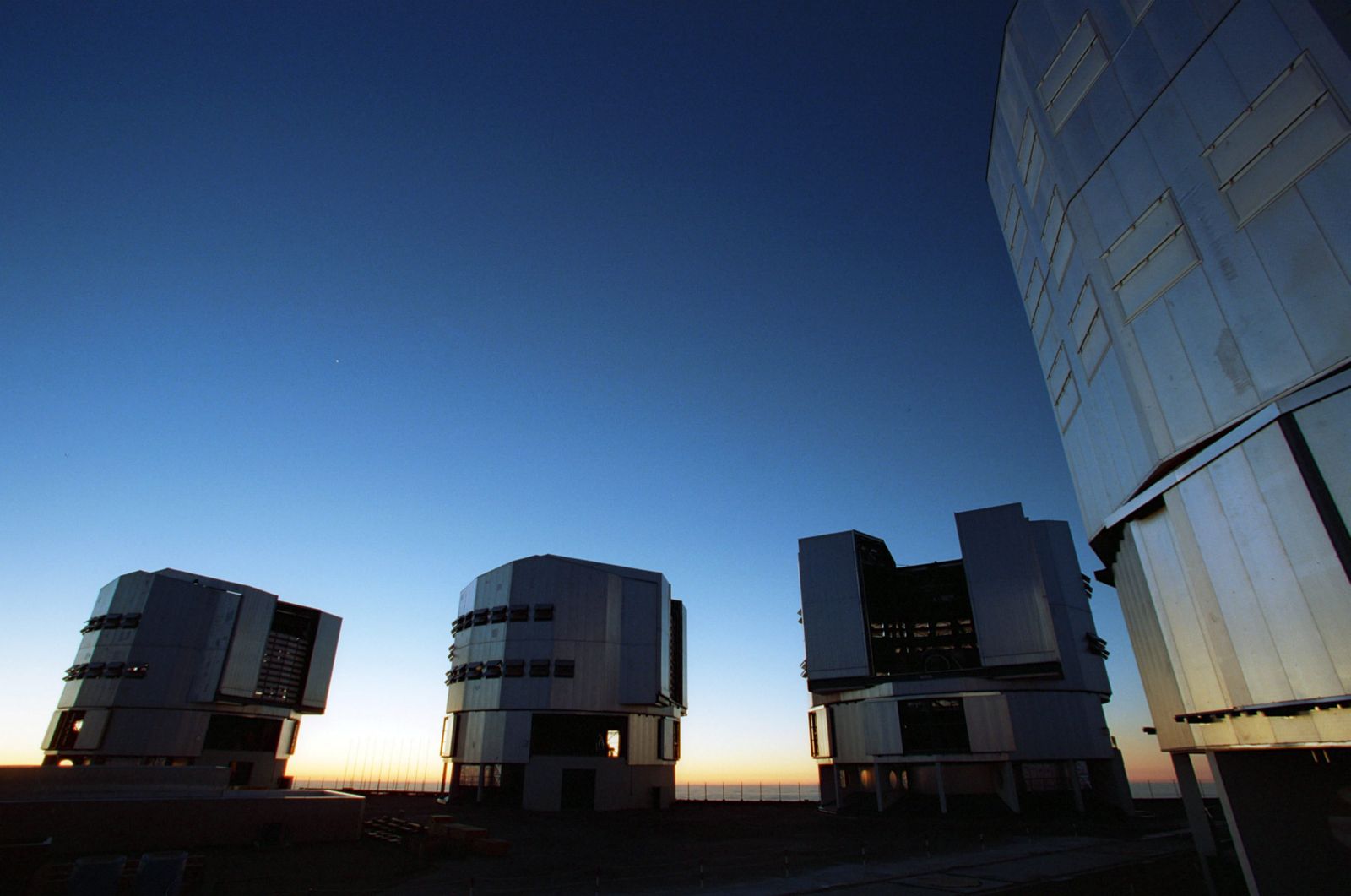
Astronomers have discovered the oldest and most powerful fast radio burst (FRB) ever observed, originating from deep space eight billion years ago. The burst, which lasted only milliseconds, contained as much energy as the sun emits in 30 years. FRBs provide valuable insights into the intergalactic medium and the evolution of the universe. The researchers used the Australian Square Kilometer Array Pathfinder (ASKAP) and the Very Large Telescope in Chile to determine the source galaxy and study the dispersion of intergalactic particles.

"NASA's Voyager 2: Momentary Communication Loss with Distant Spacecraft"

Originally Published 2 years ago — by Ars Technica

Featured image for "NASA's Voyager 2: Momentary Communication Loss with Distant Spacecraft"
Source: Ars Technica

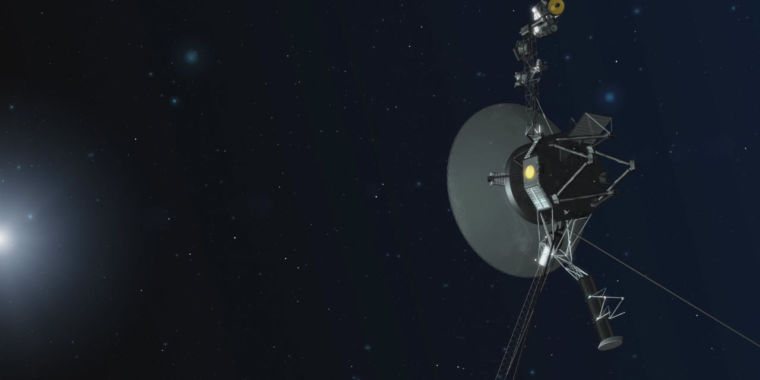
NASA temporarily loses contact with Voyager 2, one of its most distant spacecraft, due to a command error that caused the probe to point its antenna away from Earth. However, NASA is not concerned as the spacecraft is programmed to reset its orientation on October 15, which should restore communication. Launched in 1977, Voyager 2 has been a pioneering mission, visiting Jupiter, Saturn, Uranus, and Neptune, and is now exploring the interstellar medium.