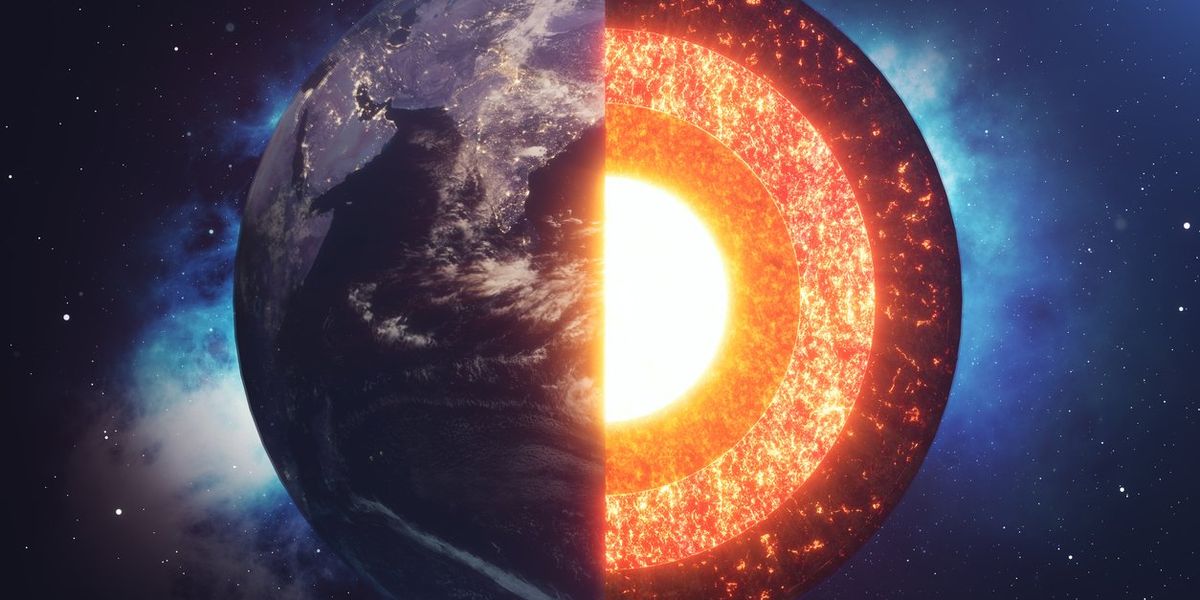
Scientists have discovered two massive structures beneath Africa and the Pacific, known as LLSVPs, which may be remnants of the ancient planet Theia that collided with Earth billions of years ago, potentially influencing Earth's geological activity and surface features.
A new study suggests that massive structures in Earth's mantle, called LLSVPs and ULVZs, are remnants of early Earth’s chaotic formation, influenced by material leaking from the core, which helps explain Earth's habitability and surface activity.
A new study suggests that the two massive structures beneath Earth's surface, known as LLSVPs, are remnants of the planet's early magma ocean, formed by chemical interactions with the core during Earth's formation, which could reshape our understanding of Earth's deep interior and its habitability.
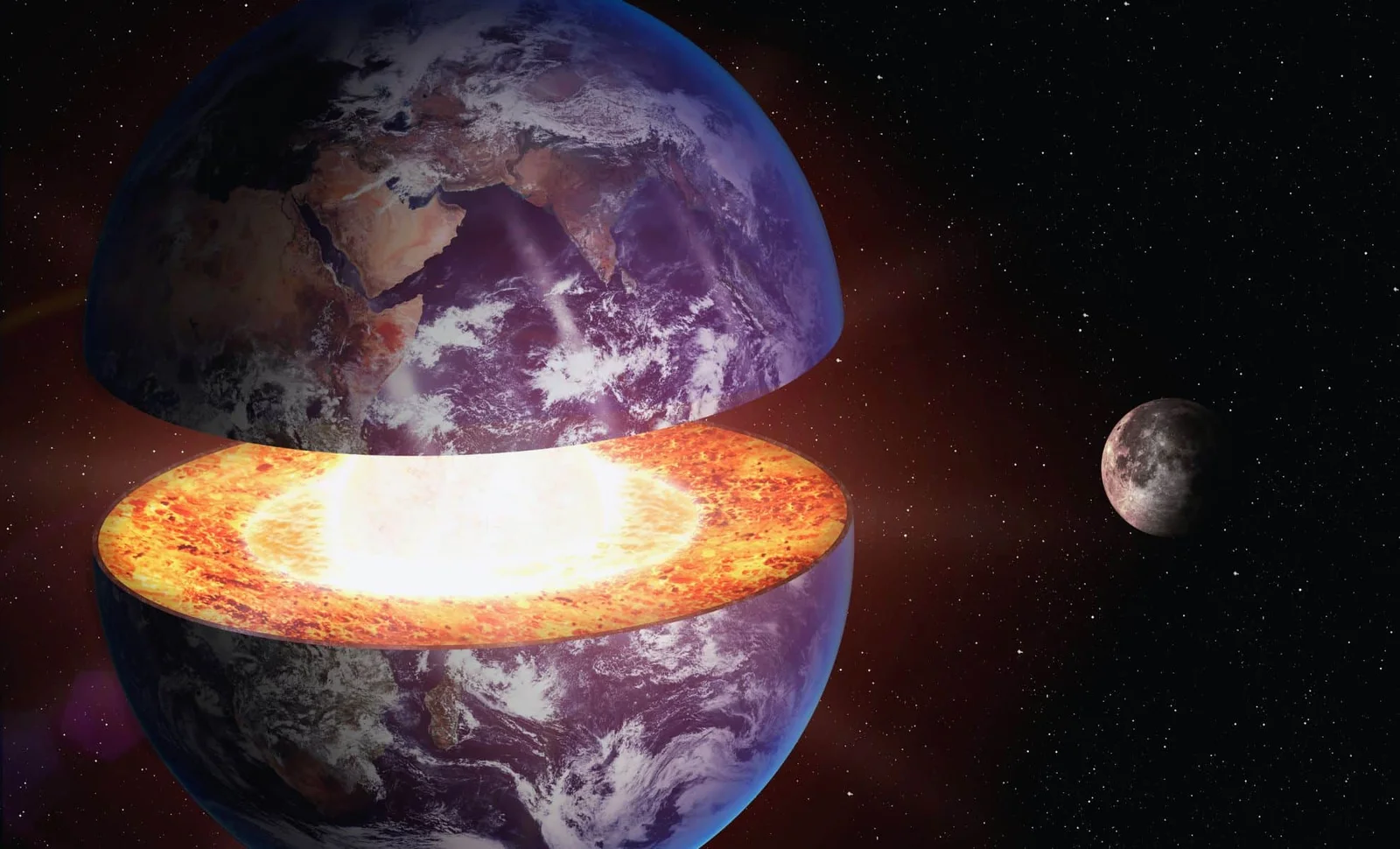
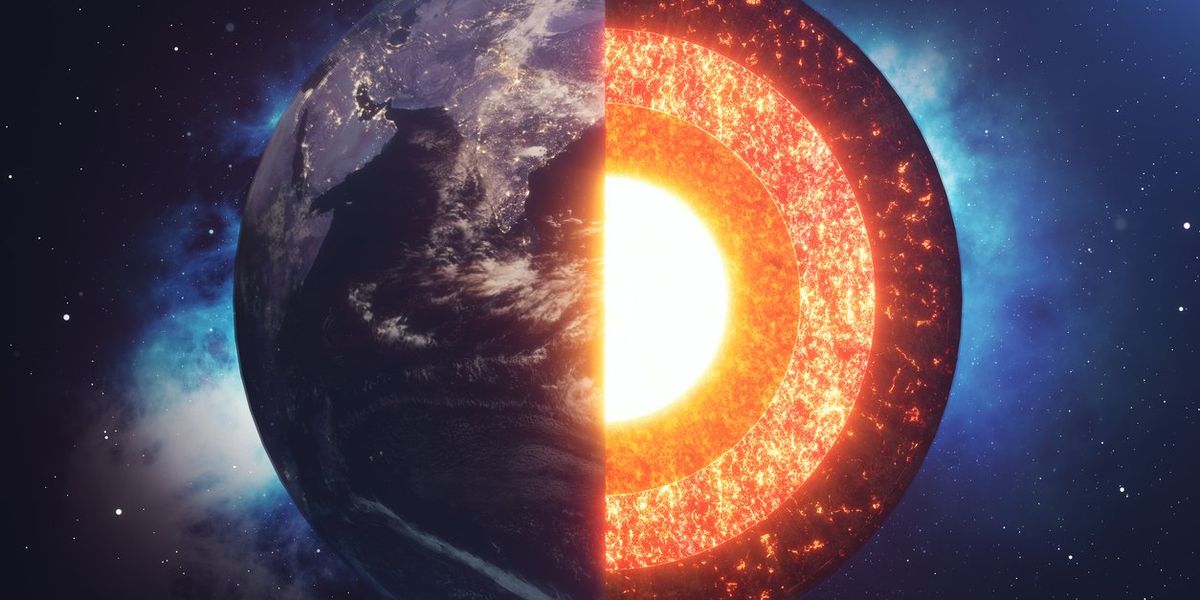
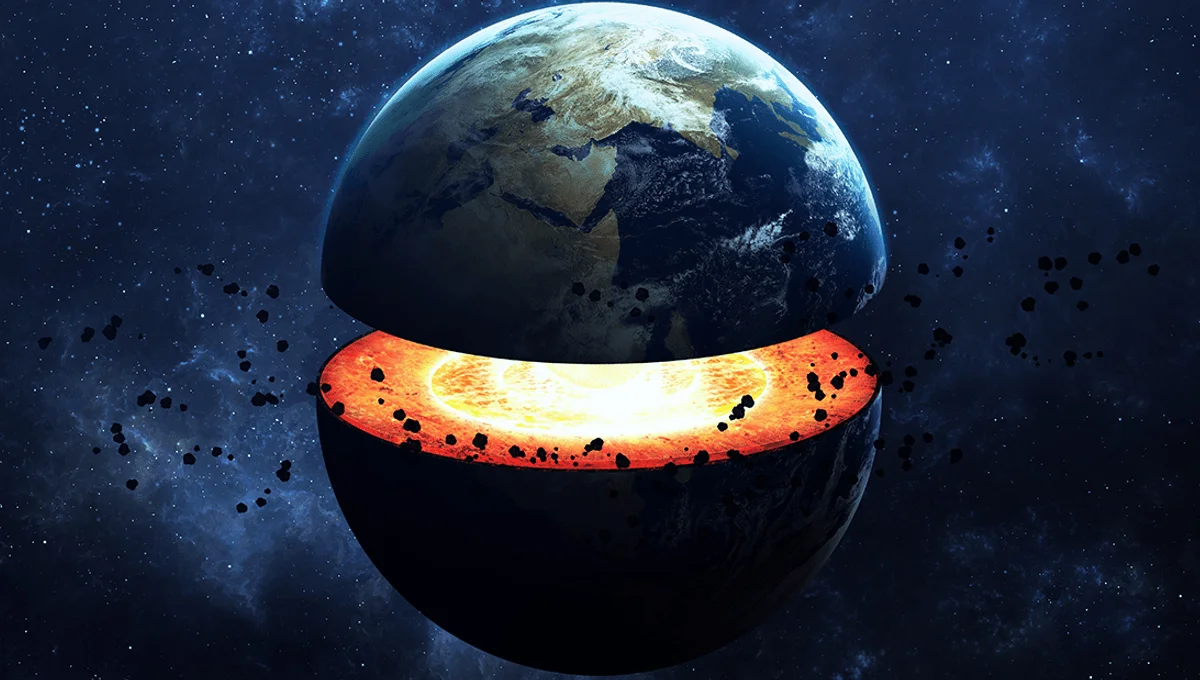
Geologists have discovered massive, ancient 'fortresses' in the Earth's mantle, located 1,800 miles below the surface, challenging traditional models of mantle convection and offering new insights into Earth's internal dynamics and geological processes.
Two large structures, known as large low shear velocity provinces (LLSVPs), located beneath Africa and the Pacific Ocean, could be the remains of an ancient planet that hit the Earth around 4.5 billion years ago, according to the "giant impact hypothesis". These structures occupy around six per cent of the world's entire volume, and seismic tomography has shown that they are made of something different than the surrounding lower mantle. The origin of these structures remains a mystery, but studying Theia has offered important insights into how the possible collision might have kickstarted key plate tectonic and mantle motion inside our planet.
Two large structures, known as large low shear velocity provinces (LLSVPs), located beneath Africa and the Pacific Ocean, could be the remains of an ancient planet that hit the Earth around 4.5 billion years ago. These structures occupy around six per cent of the world’s entire volume, and seismic tomography has shown that they are made of something different than the surrounding lower mantle. While there is no direct way of observing the Earth’s core, studies into Theia have offered important insights into how the possible collision might have kickstarted key plate tectonic and mantle motion inside our planet.
Scientists have discovered two large and mysterious structures, known as large low shear velocity provinces (LLSVPs), deep within the Earth's mantle. These blobs occupy around three to nine percent of the volume of the Earth and are denser than the surrounding mantle. One hypothesis is that they are piles of oceanic crust that have been subducted and accumulated over billions of years, while another theory suggests that they are chunks of an ancient planet, Theia, that collided with Earth around 4.5 billion years ago. Techniques for investigating beneath the Earth's surface are continually improving, and hopefully, we will soon have a better understanding of these mysterious structures.