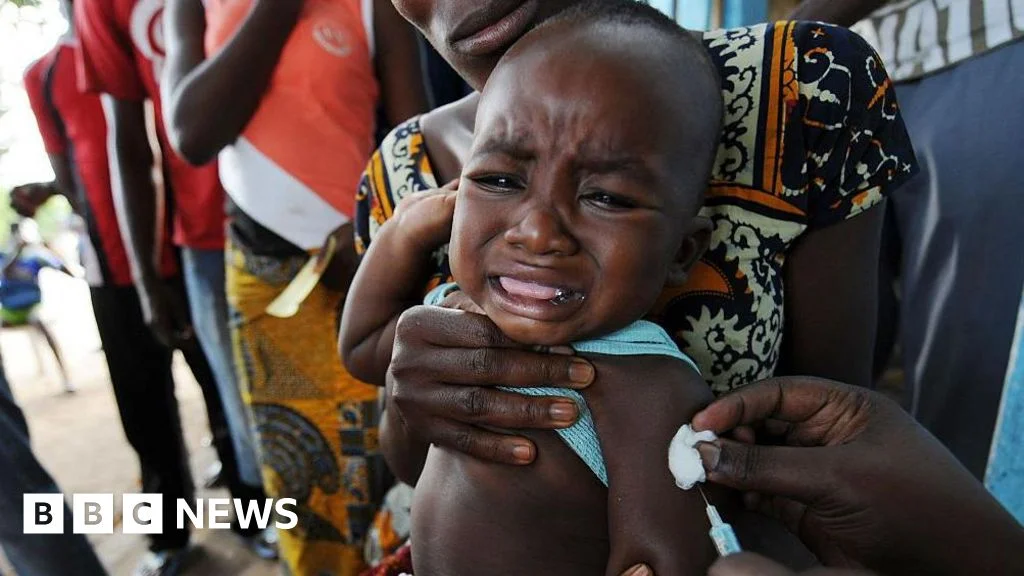
The Trump administration awarded a controversial $1.6 million no-bid contract to a Danish university to study hepatitis B vaccinations in Guinea-Bissau, raising ethical concerns due to the withholding of vaccines from some newborns in a randomized trial, which critics argue is unethical and could exacerbate vaccine hesitancy.
The US plans to fund a controversial $1.6 million study on hepatitis B vaccination in Guinea-Bissau, which critics deem highly unethical due to the withholding of proven effective vaccines and concerns over research integrity and global health implications, amid broader US vaccine policy changes influenced by anti-vaccine activism.
The CDC approved a major update to the childhood immunization schedule, recommending against giving all newborns a hepatitis B vaccine within 24 hours of birth, following a federal advisory panel's advice.
The CDC has officially stopped recommending universal hepatitis B vaccination for all newborns, instead advising only those born to infected mothers to receive the vaccine within 24 hours, citing informed consent concerns. This decision has faced criticism from health experts who warn it could lead to increased hepatitis B cases, reversing decades of progress in disease prevention. The change reflects broader shifts in CDC guidance under new leadership, raising concerns about scientific integrity and public health safety.
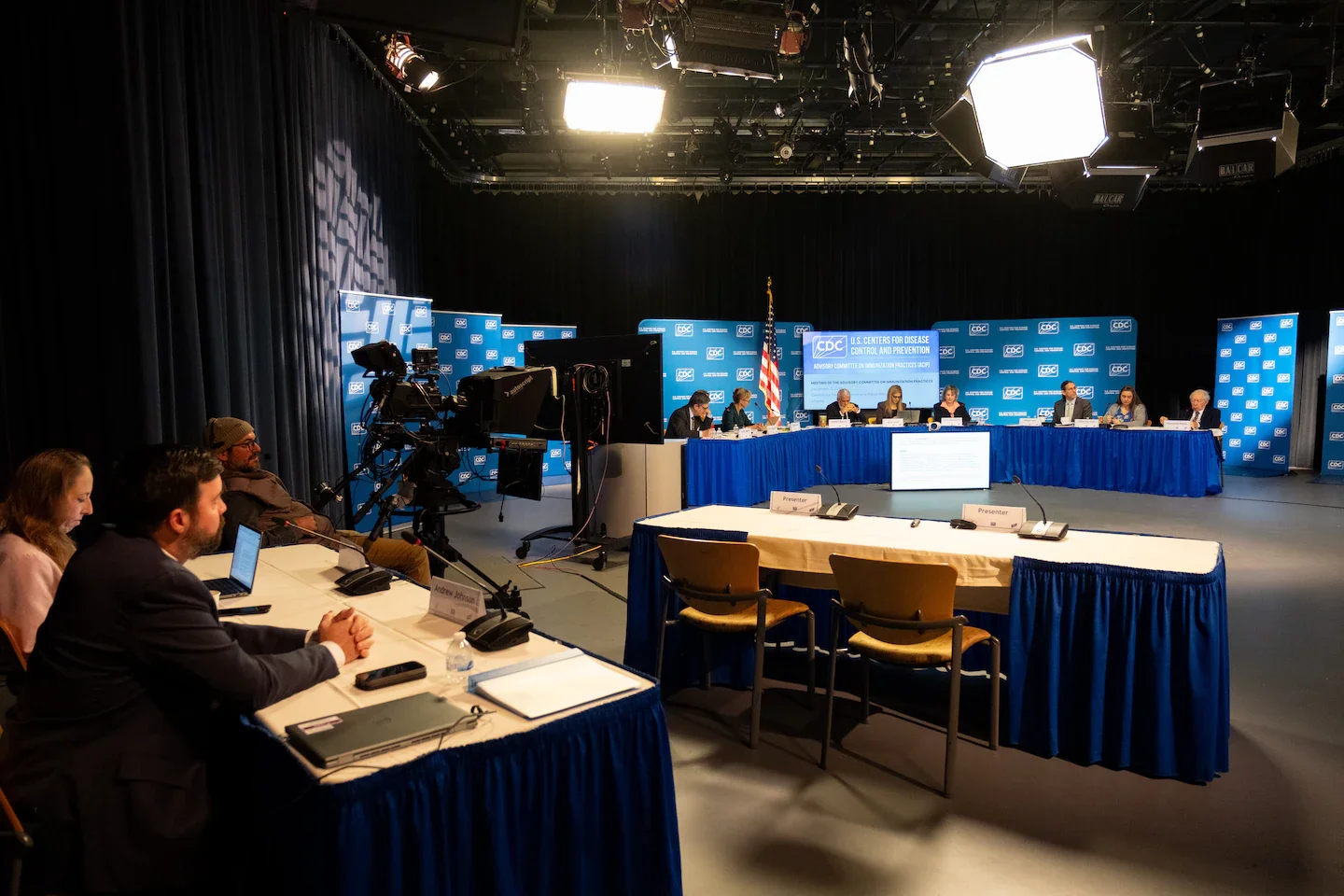
A CDC vaccine advisory committee meeting was marred by racially charged language and anti-immigrant rhetoric, leading to controversial changes in hepatitis B vaccination recommendations that could jeopardize public health efforts to prevent the disease in children, especially among immigrant populations.
RFK Jr. has criticized the CDC, leading to a decline in trust and changes in vaccination policies, including a recommendation to limit Hepatitis B shots for newborns, despite extensive evidence supporting vaccine safety and effectiveness. His actions and claims have been widely condemned by health experts and lawmakers, raising concerns about misinformation impacting public health efforts.
Powerful CDC vaccine advisers are debating changes to childhood immunization schedules, including delaying the hepatitis B vaccine for newborns, amid concerns about vaccine safety and effectiveness, which has sparked controversy and fears of declining vaccination rates and resurgence of preventable diseases.
A federal vaccine advisory committee is considering changing the recommendation for hepatitis B vaccination in newborns, which has been a public health success in reducing infections. The move has sparked debate due to concerns about safety, trust, and potential increases in hepatitis B cases if delayed, with many health organizations advocating to continue the current practice of vaccinating at birth.
The US childhood vaccine schedule may undergo significant changes under new CDC advisory committee decisions, including delaying hepatitis B vaccination for newborns, which has sparked debate due to its proven effectiveness in preventing long-term health issues. The changes follow the replacement of committee members by appointees of Secretary of HHS Robert F. Kennedy Jr., raising concerns about data-driven decision-making and public health implications.
Doctors warn that delaying the hepatitis B vaccine for newborns could lead to a resurgence of a deadly virus, as recent discussions and potential policy changes threaten to limit access to the vaccine, which is highly effective and safe in preventing hepatitis B infection and its severe consequences.
Vaccine advisers under RFK Jr. plan to vote on ending universal hepatitis B vaccination at birth and will investigate if childhood vaccines contribute to allergies and autoimmune disorders.
Liver cancer is a growing concern in India, but many risk factors are modifiable through lifestyle changes such as vaccination, limiting alcohol, maintaining a healthy weight, avoiding toxins, quitting smoking, and regular health screenings, which can significantly reduce the risk of developing the disease.
The Maldives has become the first country to achieve 'triple elimination' of mother-to-child transmission of HIV, syphilis, and hepatitis B, thanks to strong political will, integrated healthcare, and universal coverage, setting a global example in public health.
CDC vaccine advisors decided not to delay the hepatitis B vaccine for newborns despite discussions about potential side effects and safety concerns, reaffirming the vaccine's importance in preventing hepatitis B infections from mother to child.
The CDC vaccine advisory panel voted to delay the hepatitis B vaccine decision to allow more data review, amidst controversy over vaccine recommendations and recent panel reorganization by Kennedy.