
Even One Diet Soda a Day May Harm Your Liver, Study Finds
A large study links both sugary and diet (low-calorie) drinks to increased risk of fatty liver disease, suggesting water as the safest beverage choice to reduce liver health risks.

All articles tagged with #diet drinks
A large study links both sugary and diet (low-calorie) drinks to increased risk of fatty liver disease, suggesting water as the safest beverage choice to reduce liver health risks.
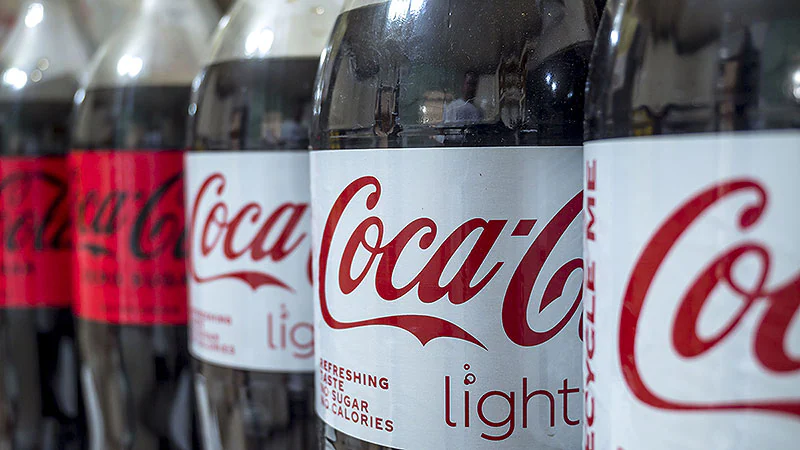
A large UK study found that both sugar-sweetened and artificially sweetened drinks are associated with a higher risk of liver disease (MASLD), with artificially sweetened drinks potentially being more harmful, highlighting water as the safest beverage choice.

A study suggests that high consumption of certain artificial sweeteners in diet drinks may accelerate cognitive decline by about 1.6 years, especially in people under 60 and those with diabetes, though causality is not proven.

A new study suggests that consuming two liters or more per week of artificially sweetened beverages may increase the risk of atrial fibrillation by 20%, while added-sugar beverages raised the risk by 10%. The research, which analyzed data on nearly 202,000 people, also found that drinking pure, unsweetened juices was associated with an 8% lower risk of atrial fibrillation. The study recommends reducing or avoiding artificially sweetened and sugar-sweetened beverages whenever possible, as they may pose potential health risks. Atrial fibrillation is a dangerous and increasingly common heart condition that can lead to severe health complications, including stroke and heart failure.
A study conducted in the UK found that consuming drinks containing artificial sweeteners, such as Diet Coke or Coke Zero, for a year had no significant impact on body weight. In fact, participants who drank the equivalent in water may have ended up heavier. The study also showed that the group consuming artificial sweeteners lost an average of 7.5 kilograms (16.5 pounds), while the water group lost 6.1 kilograms (13.4 pounds), although this difference was not statistically significant. The findings contradict previous research suggesting that artificial sweeteners lead to weight gain, diabetes, and cancer. However, conflicting conclusions between studies may be due to factors such as unreliable self-reporting and genetic predisposition to obesity.