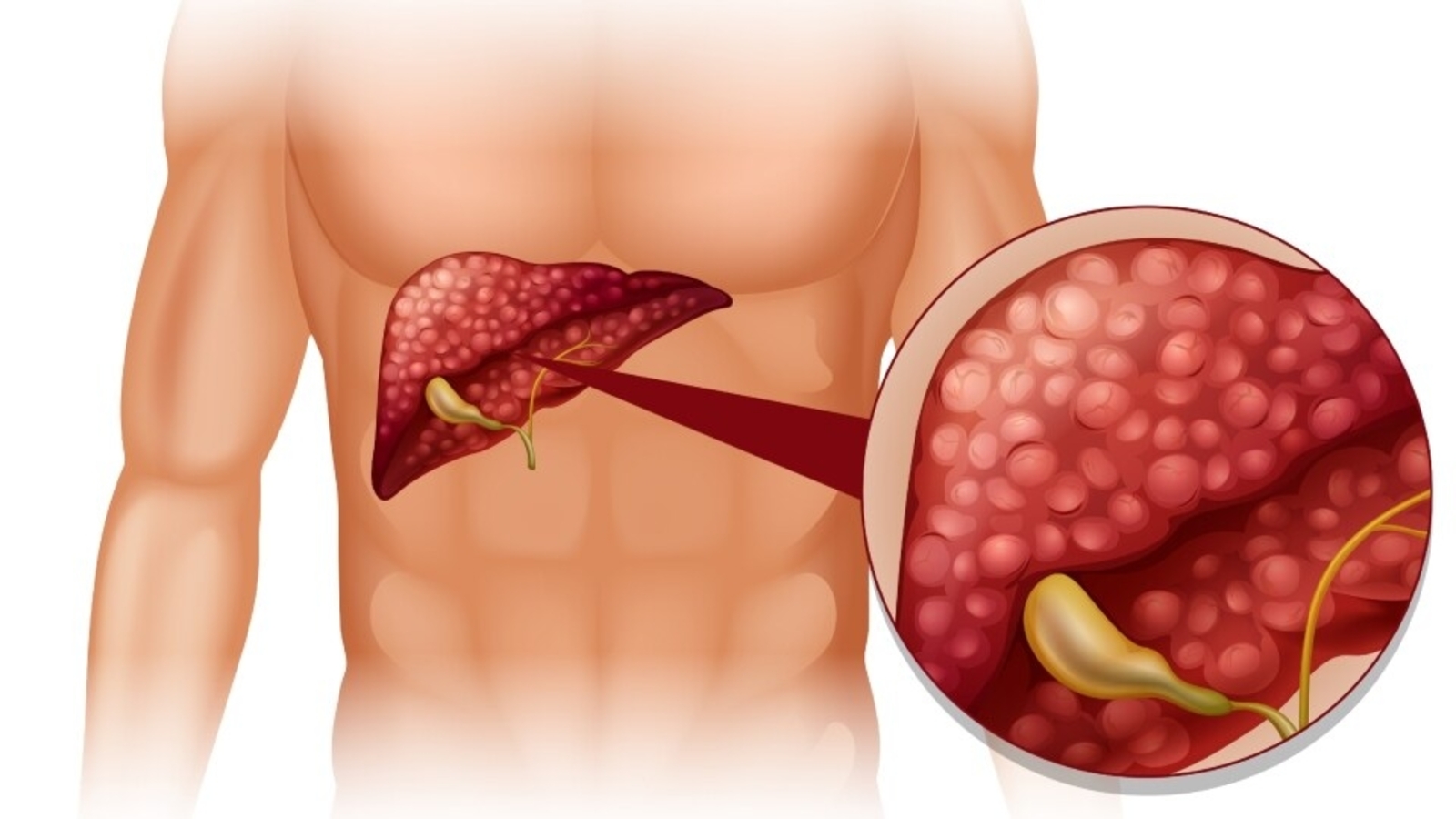
Liver cancer is a growing concern in India, but many risk factors are modifiable through lifestyle changes such as vaccination, limiting alcohol, maintaining a healthy weight, avoiding toxins, quitting smoking, and regular health screenings, which can significantly reduce the risk of developing the disease.
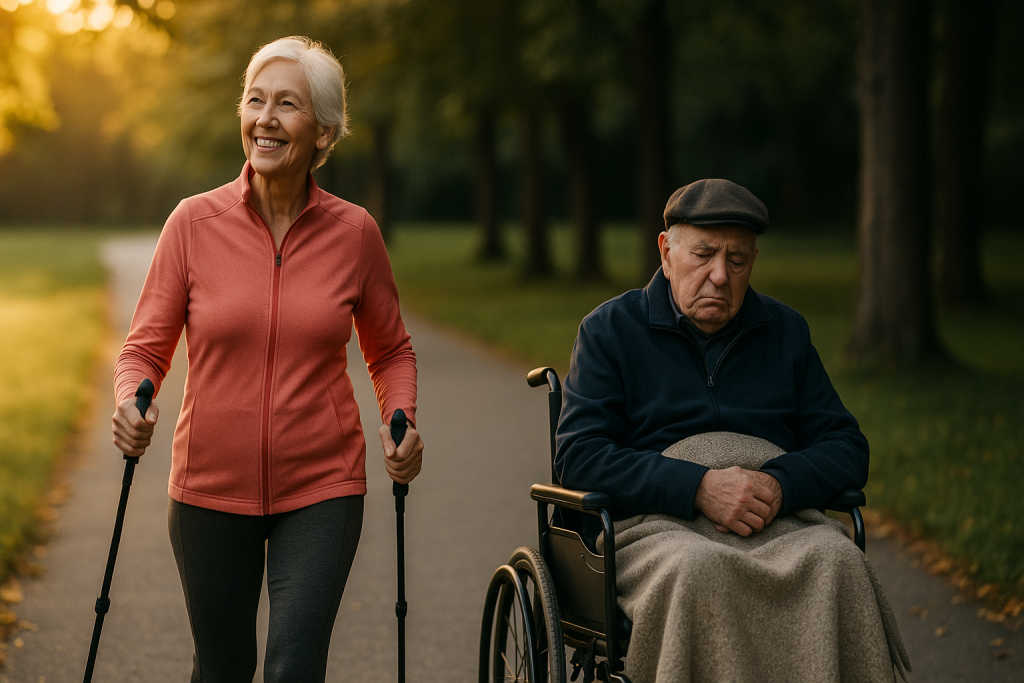
Decisions made at age 60—such as strength training, maintaining social connections, and engaging in challenging new learning—significantly influence whether you'll thrive or decline by age 80. These choices create a positive or negative cascade affecting mobility, mental sharpness, and social engagement, emphasizing that healthy aging is largely within personal control and should be prioritized now.
The article compiles various insights from healthcare professionals emphasizing the importance of understanding basic medical facts, making healthy lifestyle choices, and respecting medical advice to improve overall well-being and prevent serious health issues.
A large genetic analysis suggests that better mental well-being, influenced by lifestyle choices like eating cheese, can lead to longer and healthier lives. The study, using Mendelian randomization, found that cheese consumption positively impacts mental well-being and healthy aging, potentially more than other factors like smoking or fruit consumption. Further research is needed to understand why cheese has such a significant effect.
Scientists have discovered that biological age can differ from chronological age, and it can be influenced by lifestyle choices. Maintaining muscle, following a balanced diet, good oral hygiene, adequate sleep, and protecting eyes and skin from UV light are all factors that can help slow down the ageing process. Additionally, future super drugs targeting the hallmarks of ageing offer promise for extending healthspan.
Colon cancer is increasingly diagnosed in younger Americans, with a 2% annual rise in cases among those in their 30s and 40s. While the exact cause is unknown, certain lifestyle choices contribute to the risk, including alcohol use, obesity, and a diet high in red meat and processed foods. Implementing a healthy diet, exercise, and avoiding smoking and heavy alcohol use early in life can help lower the risk. Screening for colon cancer is now recommended to begin at age 45 for those at average risk, and earlier for those at increased risk due to factors like family history or inflammatory bowel disease.
Stroke in young people is on the rise, with risk factors like diabetes, hypertension, and lifestyle choices contributing to its prevalence. Simple habits such as staying hydrated, getting enough sleep, maintaining a healthy weight, managing stress, exercising regularly, following a healthy diet, quitting drinking, and avoiding smoking can significantly reduce the risk of stroke in younger individuals. Regular blood pressure checks and lifestyle changes are also crucial in minimizing the risk of stroke, especially for those with hypertension and diabetes.
Actor Rob Lowe expresses concerns about the long-term effectiveness and health implications of weight loss drugs like Ozempic, emphasizing the importance of sustainable lifestyle choices over quick fixes. He questions the longevity and potential side effects of such medications, echoing sentiments shared by other celebrities like Mark Wahlberg and Bethenny Frankel. Lowe advocates for a disciplined approach to health, focusing on physical fitness and mindful eating, rather than restrictive diets or reliance on pharmaceutical solutions.
Health experts emphasize the impact of lifestyle choices and nutrition on breast cancer prevention, highlighting the influence of factors such as alcohol consumption, smoking, obesity, stress levels, hormonal changes, and sedentary lifestyles. Embracing a disciplined lifestyle, prioritizing physical activity, and returning to cultural roots are recommended strategies, along with being mindful of late marriages, lack of children, absence of breastfeeding, and the use of hormonal pills containing estrogen therapy. Regular exercise and a balanced diet are crucial in reducing the risk of breast cancer, emphasizing the role of daily choices in prevention.
The author shares her frustration and concern over her 86-year-old father's lack of interest in his health and self-care. Despite multiple health issues, her father remains unmotivated to exercise or eat healthier. The author, who has been his caretaker, feels worn down and wants him to make better choices for his well-being. However, she realizes that her approach may be causing a rift in their relationship and decides to accept him as he is, prioritizing their bond over trying to change his habits.
Here are seven brain tips for a healthier, happier life: 1) Stop and listen to the birds, as interaction with nature is associated with better body and brain health; 2) Take care of your teeth and gums, as oral health may be a modifiable risk factor for dementia; 3) Channel your inner Betty White by exercising, eating fiber-rich foods, staying social, and taking on new challenges to improve cognitive health span; 4) Do a five-minute breathing exercise, such as cyclic sighing, to improve mood and induce relaxation; 5) Take steps to reduce inflammation in the body through exercise, diet, and addressing sleep disturbances; 6) Embrace social touch, like hugging or holding hands, as it can reduce stress and pain while promoting bonding; 7) Let your mind wander, as moments of relaxation and daydreaming can lead to creative insights and meaningful ideas.
Fitness experts Jeff Cavaliere and Jesse Laico have identified 12 predictors of very poor health as individuals age. These predictors include low VO2 max, dehydration, weaknesses, lack of corrective exercises, weak grip strength, limited weight training, imbalanced training focus, improper caloric intake, lack of saunas and cold water immersion, inability to jump and run, mental stress, and regrets. Addressing these predictors early on can significantly impact the quality of life in later years. The article provides detailed insights and expert advice on how to improve these predictors and maintain a healthier and more fulfilling life as you age.
While old age is often associated with cognitive decline, certain habits and personality traits can help maintain good memory in later years. Intellectual stimulation, curiosity, openness to new experiences, conscientiousness, social engagement, resilience, emotional stability, regular physical activity, and a balanced diet have all been linked to preserving cognitive function. Engaging in mentally challenging activities, seeking out new experiences, making healthy lifestyle choices, maintaining social connections, and practicing emotional self-care can contribute to maintaining cognitive resilience in old age.
A large study conducted by researchers from Newcastle University in the UK has identified 10 crucial lifestyle choices that can lower the risk of cancer by 70%. These choices include maintaining a healthy weight, exercising for at least two and a half hours per week, consuming a balanced diet with high fiber and fruits/vegetables, limiting fast food, reducing red meat intake to three portions per week, avoiding sugary drinks and alcohol, refraining from cancer prevention supplements, breastfeeding for six months if possible, and following doctor's advice after a cancer diagnosis. Adherence to these recommendations was associated with a lower risk of various cancers, such as breast, colorectal, kidney, esophageal, liver, ovarian, and gallbladder cancers. However, the study's observational nature means that causation cannot be definitively established.
The number of stroke cases among younger adults is on the rise, with poor lifestyle choices being identified as the main risk factor. Factors such as smoking, unhealthy diets, lack of exercise, increased stress, and forceful neck rotations during chiropractic adjustments contribute to the problem. Young adults often exhibit similar stroke symptoms as older adults but tend to delay seeking medical attention. Complications can arise due to brain swelling, as younger adults have relatively larger brains within their skulls compared to older individuals.