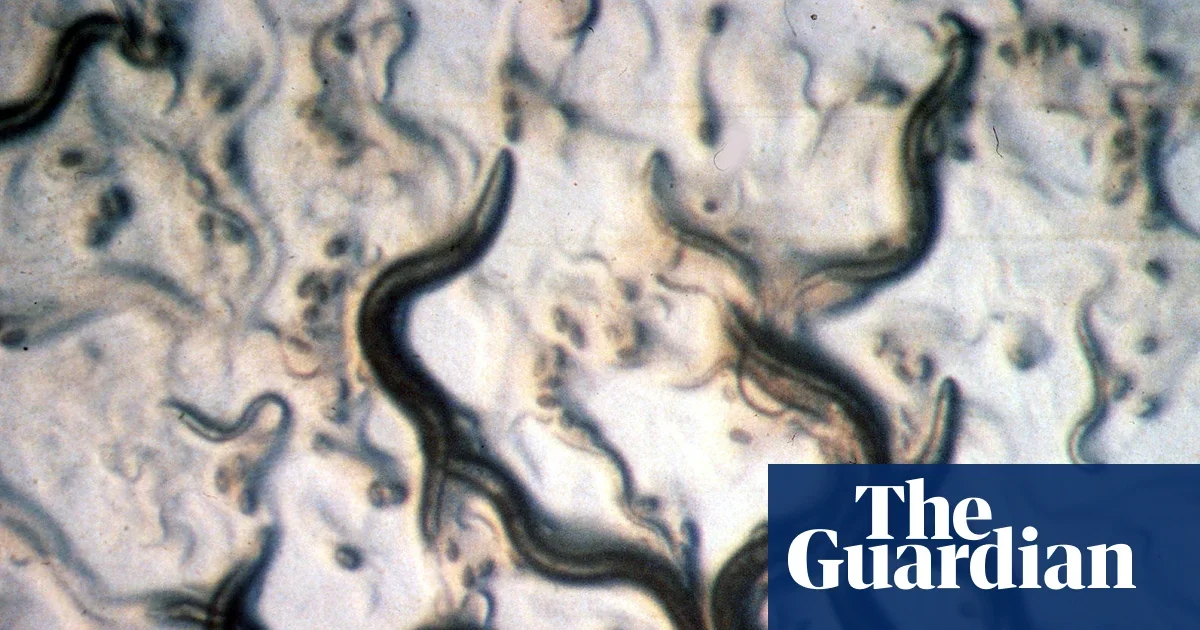
Health experts debunk social-media parasite cleanses as unproven and potentially unsafe, noting that parasitic infections exist and require medical diagnosis and treatment; home remedies from herbal supplements or restrictive diets are unlikely to help and can cause harm, even as high-profile figures discuss trying them.
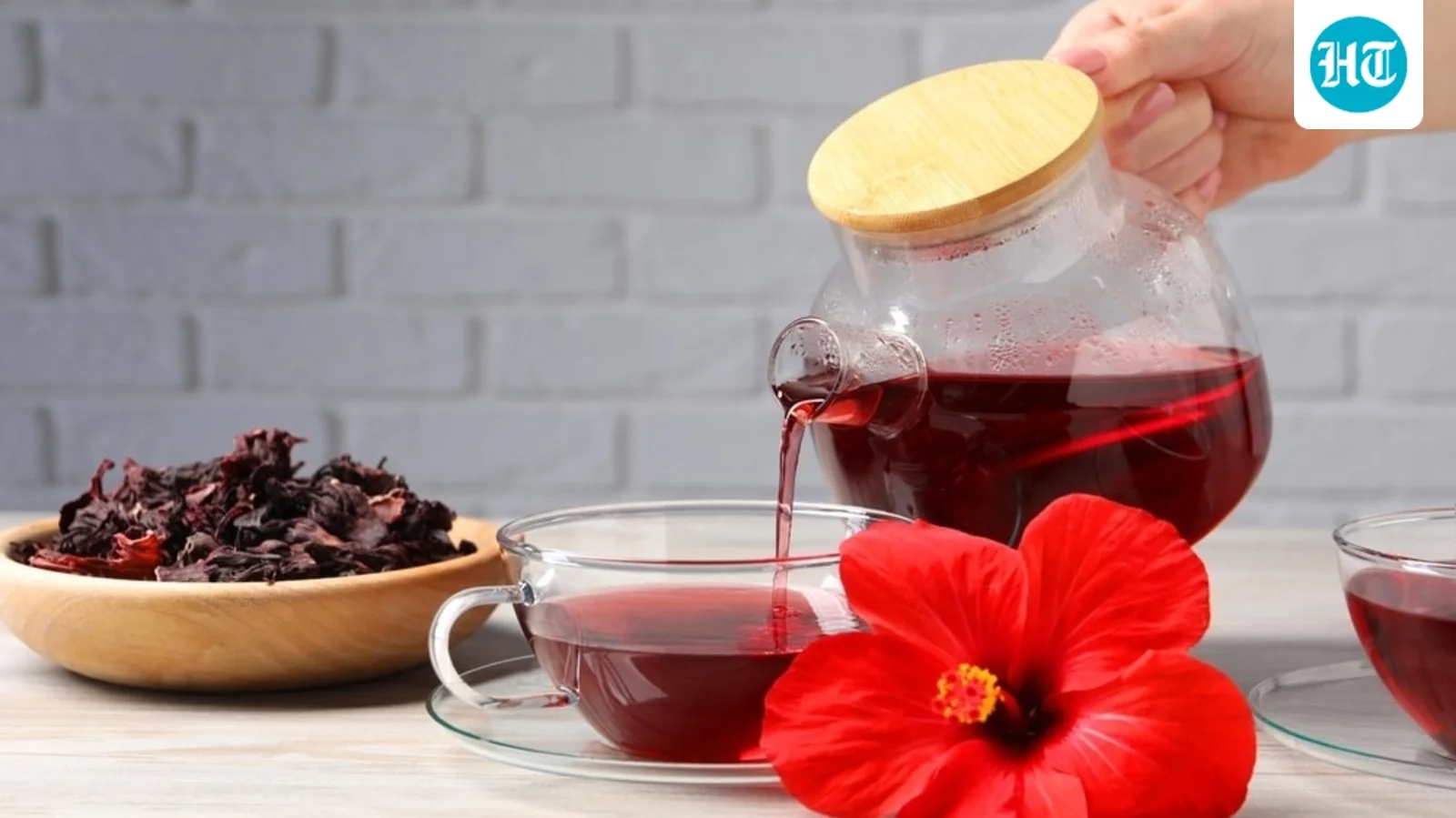
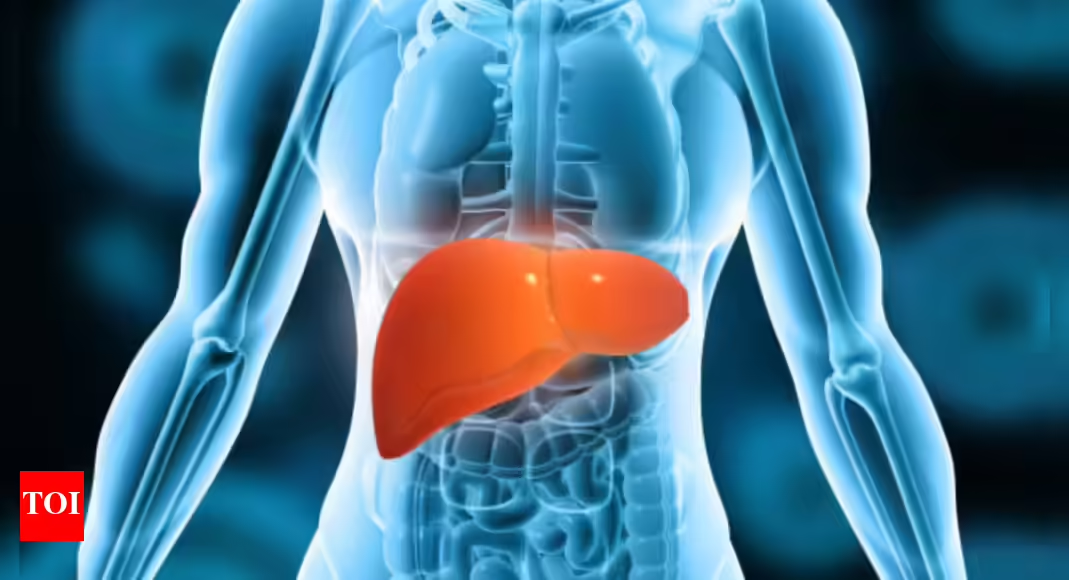
Herbal detox teas, popular for their health claims, can be harmful to individuals with liver conditions due to unregulated ingredients, high toxin levels, and lack of proven benefits. Experts warn that these teas may cause severe liver injury, especially in vulnerable patients, and emphasize that the liver naturally detoxifies the body without the need for such products. Consultation with healthcare professionals is advised before using herbal supplements, particularly for those with existing liver issues.
Herbal supplements, often perceived as safe and natural, can pose serious health risks including liver and kidney damage due to contamination, toxins, and unpredictable reactions, especially when used without proper knowledge or medical oversight. It is crucial to research, consult healthcare professionals, and monitor health when using these products to avoid irreversible harm.
Ashwagandha, a popular herbal supplement for stress relief, has been linked to rare but serious cases of liver toxicity, including liver failure and death. While generally considered safe, high doses or long-term use may overload the liver's detox system, especially in individuals with pre-existing liver conditions. Users should stick to recommended doses, avoid combining it with other liver-impacting substances, and monitor for symptoms of liver issues. Moderation and awareness are key, and consulting a healthcare professional is advised if concerns arise.
Common herbal supplements like turmeric, black cohosh, and green tea extract are linked to an increase in liver damage cases in the U.S., with some leading to liver failure and death. Many supplements are not properly tested or labeled, and most users do not consult doctors, raising concerns about safety and regulation. Experts emphasize the need for increased awareness to prevent future health risks.
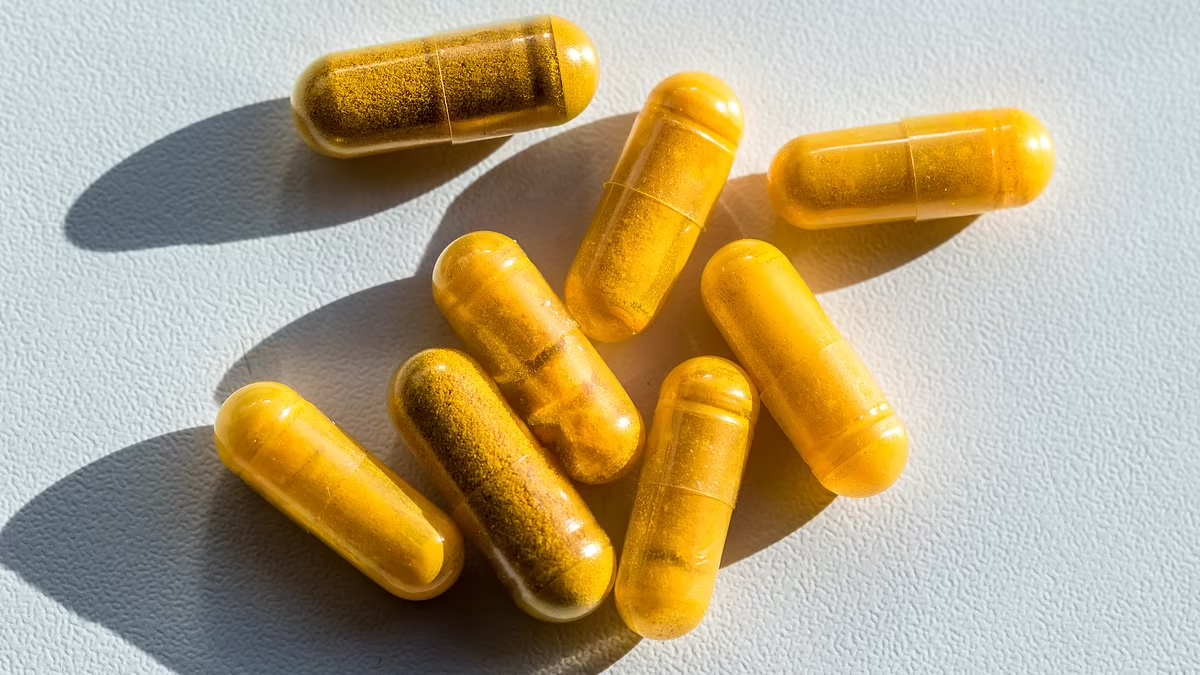
A New Jersey man warns against herbal supplements after suffering severe liver damage believed to be caused by excessive turmeric intake, highlighting the risks of unregulated dietary supplements and the potential for serious health consequences.
Health experts warn that certain supplements can be dangerous for the kidneys and liver, especially for individuals with preexisting health complications. Herbal supplements like kava can harm liver and kidney health, while excessive consumption of creatine supplements can strain the kidneys. Fat-soluble vitamins, including A, D, E, and K, can build up in the system and potentially damage the liver and kidneys. It is important to follow recommended dosages, consult with healthcare professionals, and prioritize a balanced diet before considering supplementation.
Liver health supplements, which claim to detoxify, repair, cleanse, and nourish the liver, are a multibillion-dollar industry. However, there is limited scientific evidence supporting their effectiveness. While certain herbal supplements like milk thistle, jujube, beetroot, artichoke, dandelion, and chanca piedra have shown potential benefits for liver health in studies, more research is needed. Additionally, certain vitamins and minerals like choline, vitamin C, zinc, selenium, and vitamin E may improve liver health in individuals with liver disease. However, for most healthy individuals, a well-balanced diet, regular exercise, and avoiding harmful substances like alcohol and drugs are sufficient for maintaining liver health. It is important to consult with a healthcare provider before taking any liver health supplements.
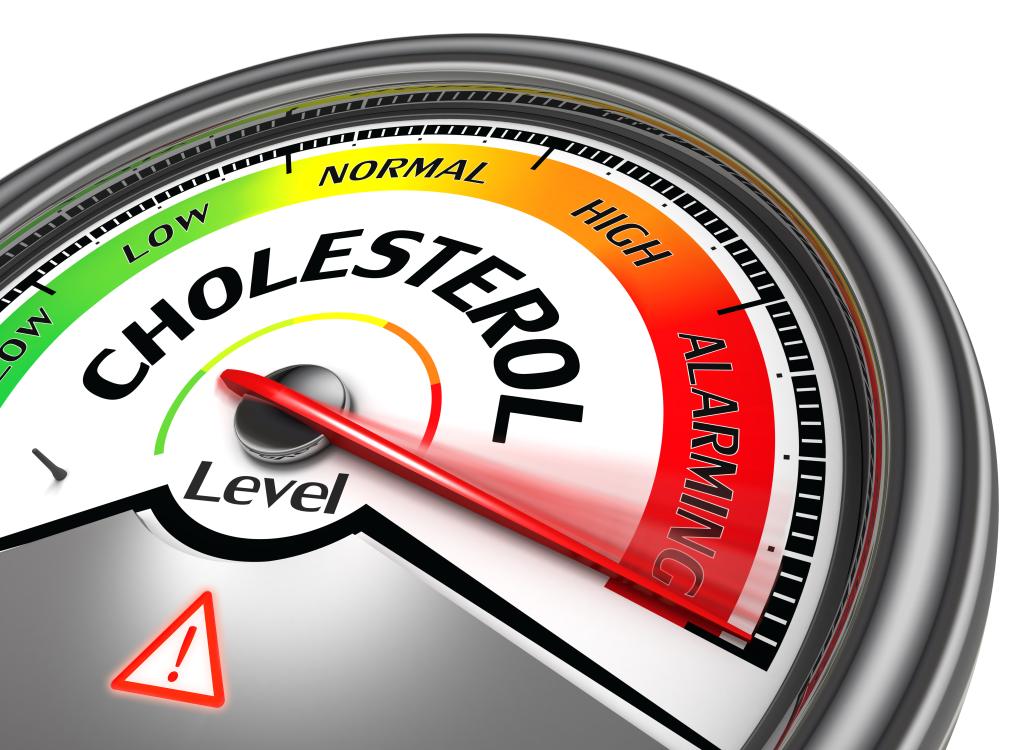
While Americans have made progress in lowering overall cholesterol levels, millions still have high cholesterol, putting them at risk for heart disease. In addition to prescription medications, there are herbal supplements that may help lower cholesterol levels naturally. Red yeast rice, artichoke leaf extract, plant sterols, whey protein, psyllium fiber, niacin, and flaxseed are among the supplements that have shown potential in reducing LDL cholesterol and total cholesterol levels. However, it is important to consult with a healthcare professional before starting any supplements and to prioritize lifestyle changes such as adopting a healthy diet low in saturated and trans fats and high in soluble fiber.
Natural supplements may not always be good for you and can potentially cause harm. Some herbal supplements, such as St. John's Wort, can weaken the effects of prescription medications, while others like goldenseal can make medications too potent. Green tea extract has been linked to liver injury. Additionally, taking any supplement in excessive quantities can pose health risks. It is important to be cautious and consult with a doctor before taking any natural supplements, especially if you are on prescription medication.
Herbal supplements marketed for athletic performance and muscle building can pose risks to the liver and heart. Weight loss and bodybuilding supplements are particularly problematic, as they can cause liver damage and injuries to the cardiovascular system. Supplements with added caffeine, natural steroids, black pepper extract, yohimbe, and those with multiple ingredients should be avoided due to potential dangers. It is important to be cautious when combining herbal supplements with prescription medication, as herb-drug interactions can occur. Consumers should also be mindful of where they purchase herbal supplements to avoid contamination and adulteration.
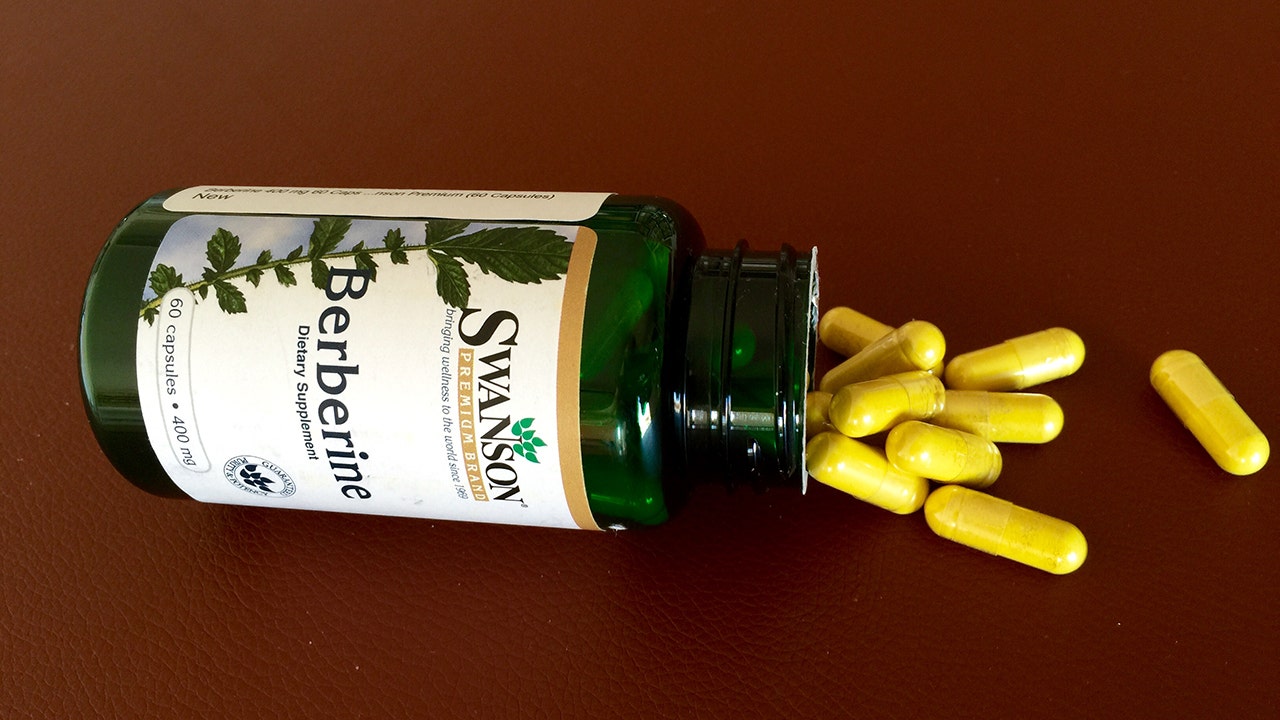
TikTok users have been promoting berberine as "nature's Ozempic," a weight loss supplement. However, a gastroenterologist and obesity medicine specialist warns that much of the attention on social media is unfounded hype and inaccurate publicity. Berberine is an herbal supplement derived from various plants, while Ozempic and Wegovy are pharmaceutical medications developed by Novo Nordisk. The FDA does not regulate herbal supplements, raising concerns about potency, purity, and safety. While berberine may have a legitimate impact on health if studied on a larger scale, it will never rival the efficacy of GLP-1 medications like Ozempic.