Tag

Interferometry

All articles tagged with #interferometry

Moon–Earth telescope network eyed to image dozens of black hole shadows
science-space1 month ago

Moon–Earth telescope network eyed to image dozens of black hole shadows

Researchers propose a Moon–Earth radio telescope network that could reach sub‑microarcsecond resolution, enabling direct shadows of dozens of supermassive black holes. Six strong targets are identified (including M104 and NGC 1052); a 100‑meter lunar dish paired with Earth baselines could detect all 31 candidates, with far‑side sites offering radio‑quiet observations. The approach relies on visibility data rather than traditional images and remains a decades‑long pursuit, but could greatly advance tests of general relativity and black hole imaging beyond current capabilities.
Quantum interference observed in sodium nanoclusters at 0.17 MDa
science1 month ago

Quantum interference observed in sodium nanoclusters at 0.17 MDa

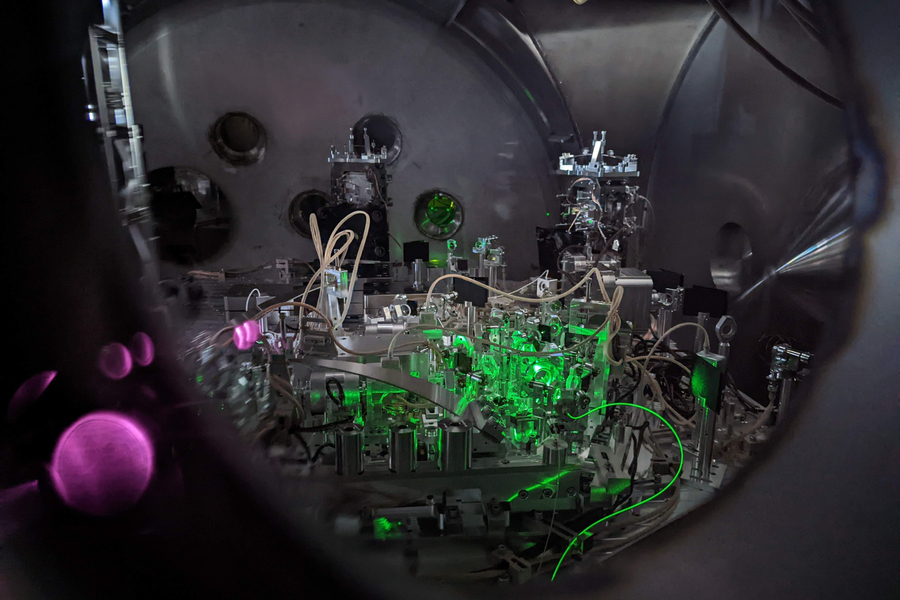
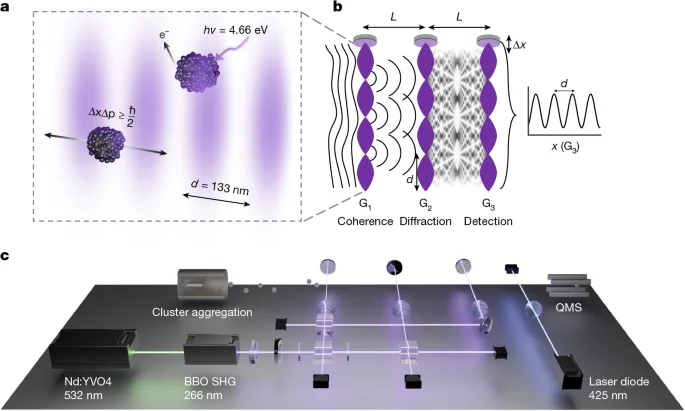
Researchers demonstrate quantum interference of sodium clusters containing thousands of atoms (mass >170 kDa) in a near-field Talbot–Lau interferometer using three UV gratings, achieving fringe visibilities that align with quantum predictions and yielding a macroscopicity value of μ = 15.5—the highest reported to date. This shows the quantum superposition principle persists at this unprecedented mass/size and provides a platform to test macrorealist modifications of quantum mechanics, with future work aiming to reach even larger masses (MDa range) as experimental techniques improve.

Novae Unveiled: Real-Time Interferometry Reveals Multi-Stage Ejections and Gamma Rays
space1 month ago

Novae Unveiled: Real-Time Interferometry Reveals Multi-Stage Ejections and Gamma Rays

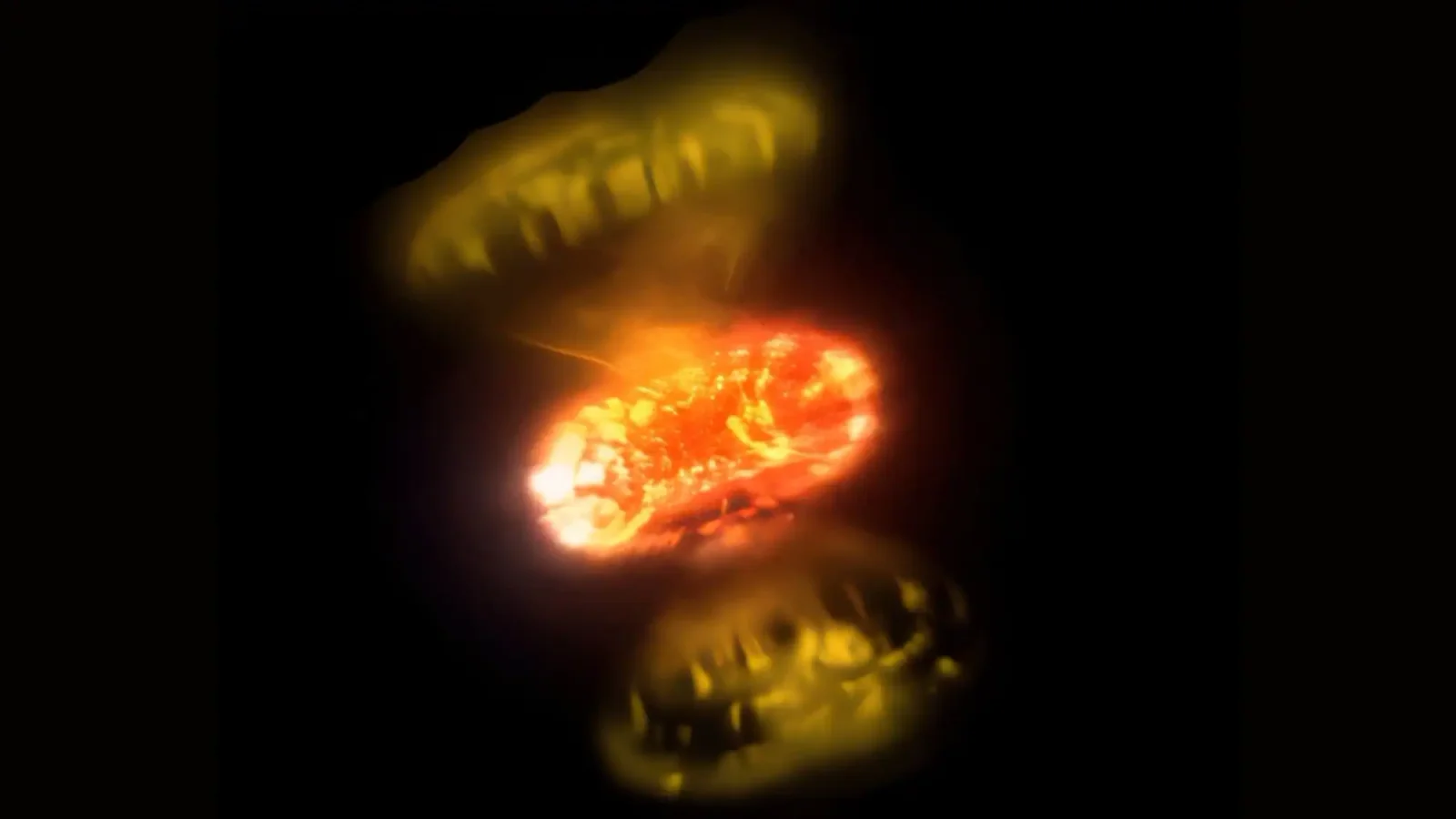
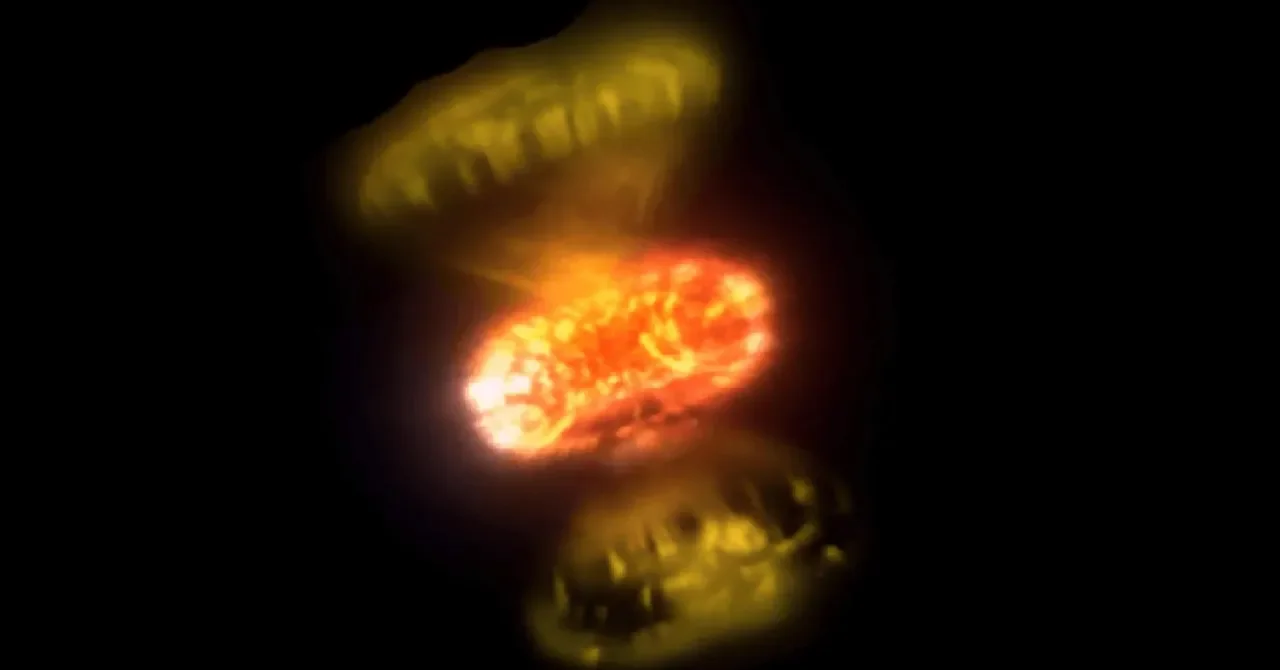
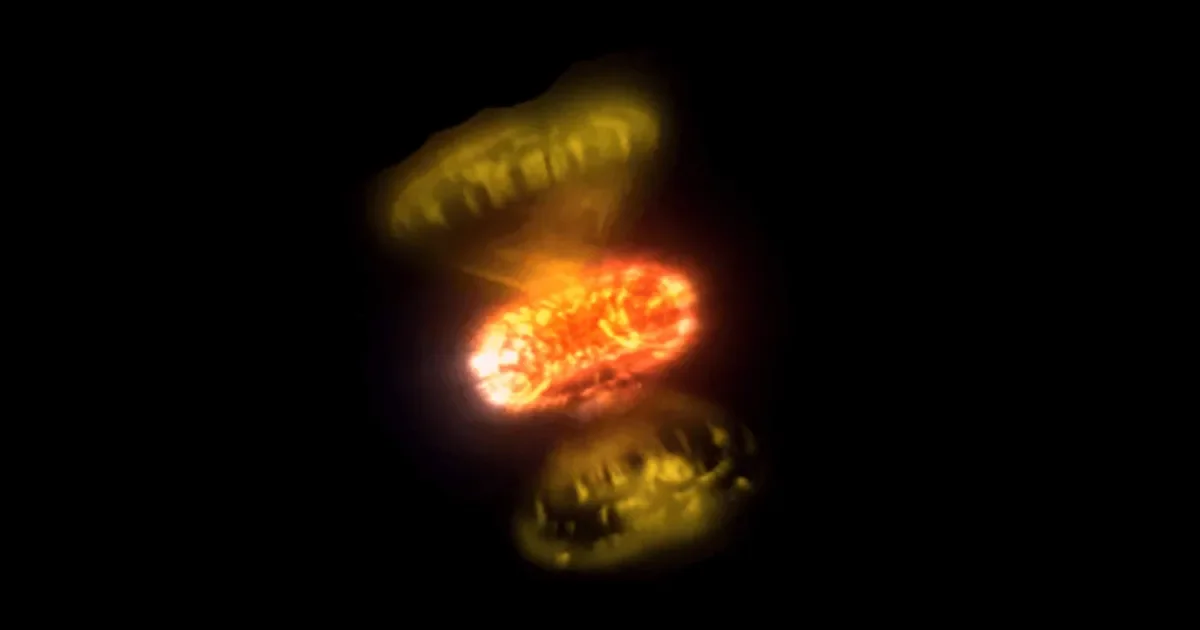
Astronomers using the CHARA Array and other telescopes captured real-time images of two novae (V1674 Herculis and V1405 Cassiopeiae), revealing complex, multi-stage gas outflows and gamma-ray emissions—showing that nova explosions are not single blasts and linking surface nuclear processes to the geometry of ejected material and high-energy radiation.

Novae Unleash Dual Jets: High-Res Images Rewrite Stellar Explosions
space1 month ago

Novae Unleash Dual Jets: High-Res Images Rewrite Stellar Explosions

High-resolution CHARA Array images of 2021 novae V1674 Herculis and V1405 Cassiopeiae reveal complex, jet-driven eruptions in binary white-dwarf systems, including perpendicular outflows and a delayed ejection likely tied to a common-envelope phase. The gamma-ray signals observed by NASA’s Fermi coincide with internal shocks in the debris, linking surface nuclear reactions to high-energy radiation and challenging the idea of novae as simple spherical shells. These findings, published in Nature Astronomy, position novae as natural laboratories for extreme physics.

JWST captures sharp image of Circinus black hole’s feeding disk
space1 month ago

JWST captures sharp image of Circinus black hole’s feeding disk

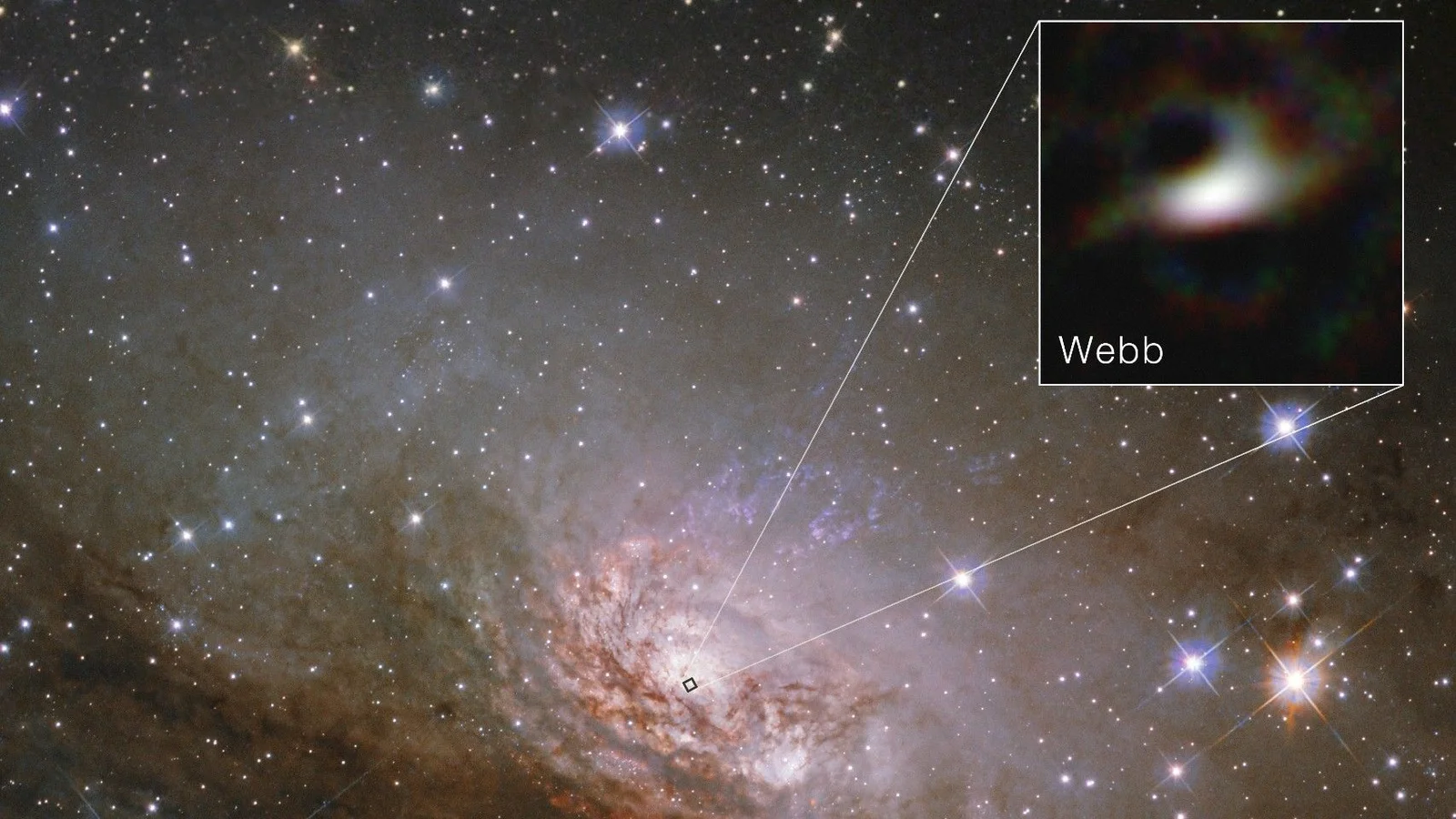
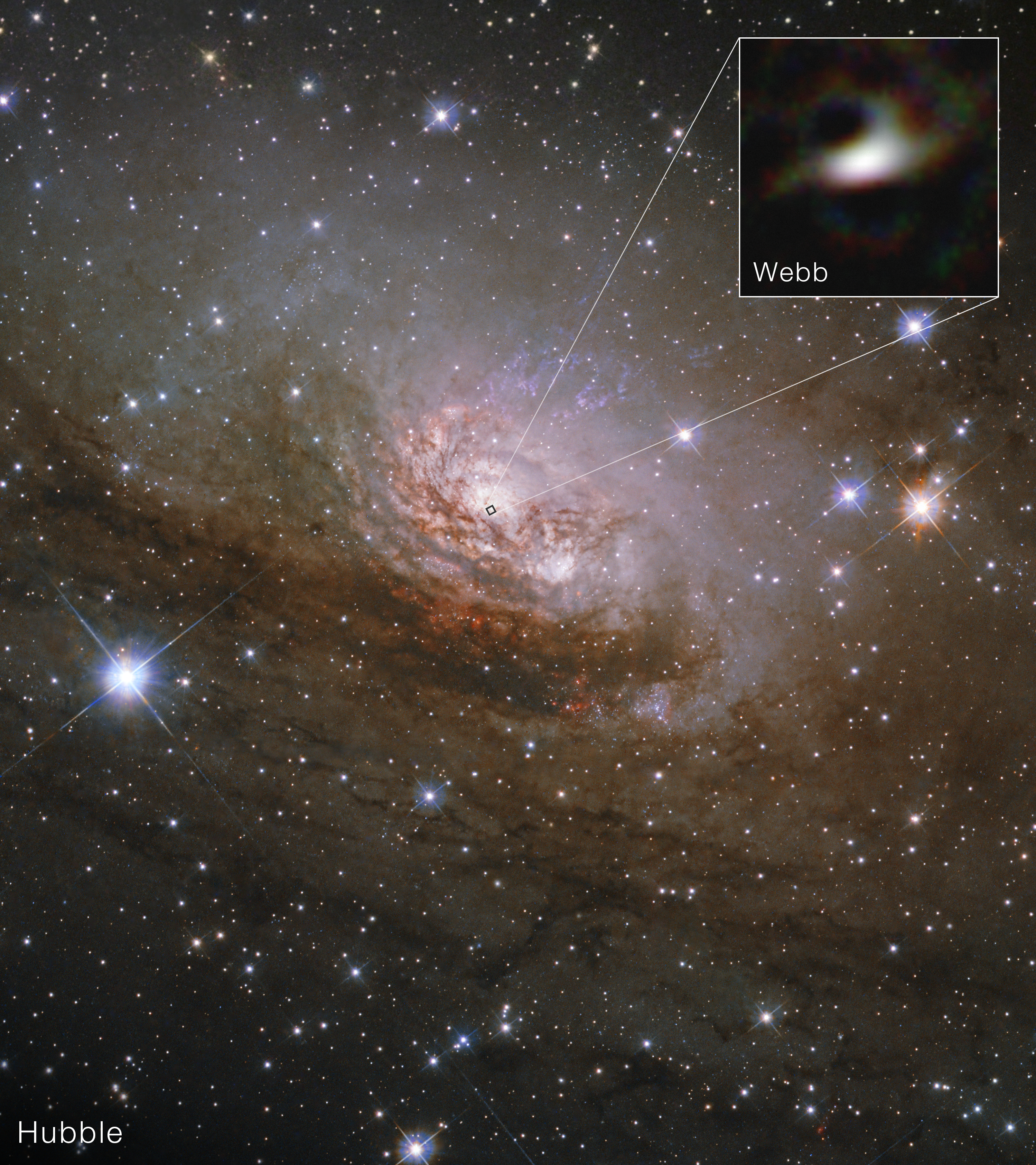
The James Webb Space Telescope’s interferometric imaging provides the sharpest view yet of Circinus galaxy’s center, revealing that the infrared glow around its supermassive black hole mainly originates from the dusty accretion disk feeding the hole rather than outflows, a finding that sheds light on how such black holes grow and influence their host galaxies.

Webb Reveals Dust Feeding Circinus Black Hole, Upending Core Emission Views
space1 month ago

Webb Reveals Dust Feeding Circinus Black Hole, Upending Core Emission Views

Webb’s Aperture Masking Interferometer on NIRISS allowed a high‑contrast look at Circinus’ core, yielding the sharpest view yet of a black hole’s surroundings. The study finds roughly 87% of the near‑infrared emission comes from hot dust near the black hole’s torus rather than from outflows, overturning decades of models that emphasized outflows. This marks the first extragalactic infrared interferometry in space and demonstrates Webb’s ability to double effective resolution in a focused region, offering a technique to study other bright black holes and build a broader picture of accretion versus outflow contributions.

"Preserving the Moon's Pristine Beauty: NASA's Plan for a High-Res Telescope on the Dark Side"
spacescience2 years ago

"Preserving the Moon's Pristine Beauty: NASA's Plan for a High-Res Telescope on the Dark Side"

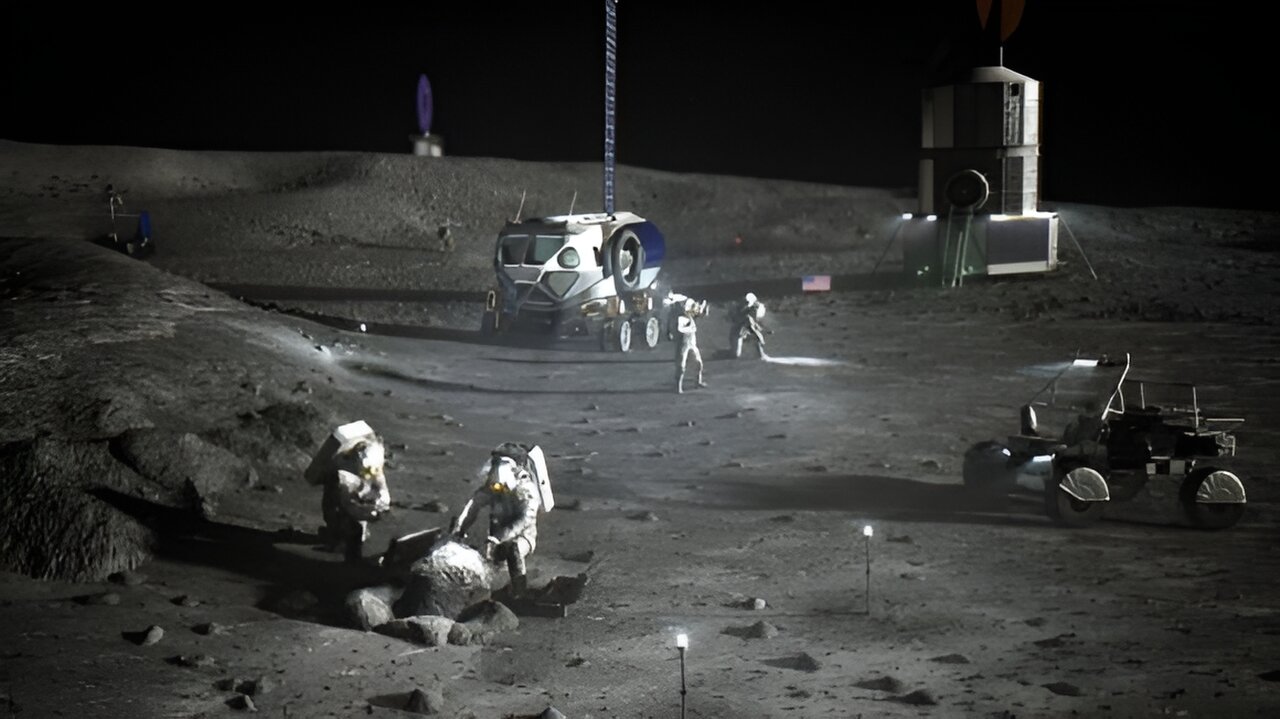
NASA is planning to establish a lunar Long-Baseline Optical Imaging Interferometer (LBI) on the moon's far side as part of the Artemis Program, which aims to create a sustained program of lunar exploration and development. The proposed array, known as the Artemis-enabled Stellar Imager (AeSI), could take detailed images of stellar surfaces and their environments, leveraging the moon's "radio quiet" environment and extended periods of darkness. The facility's construction and maintenance will address key engineering concerns and could lead to advancements in astrophysics, public engagement, and inspire future generations of STEAM workers.

LIGO's Quantum Breakthrough: Probing More of the Universe
science-and-technology2 years ago

LIGO's Quantum Breakthrough: Probing More of the Universe

The Laser Interferometer Gravitational-Wave Observatory (LIGO) has achieved a significant breakthrough by surpassing the standard quantum limit for signals in its detectors. LIGO uses interferometry to detect gravitational waves, and by optimizing the trade-off between amplitude and phase uncertainty through the technique of squeezed quantum states, the detection sensitivity of LIGO has improved by up to 65%. This advancement allows for the detection of mergers at greater distances and the characterization of fainter-amplitude signals. The frequency-dependent quantum squeezing technique will be implemented in LIGO's fourth observing run, along with the upgraded Virgo detector and the KAGRA gravitational wave observatory, providing a clearer window into the gravitational wave Universe.

"Revolutionary Method Captures Structured Light Instantly"
science-and-technology2 years ago

"Revolutionary Method Captures Structured Light Instantly"

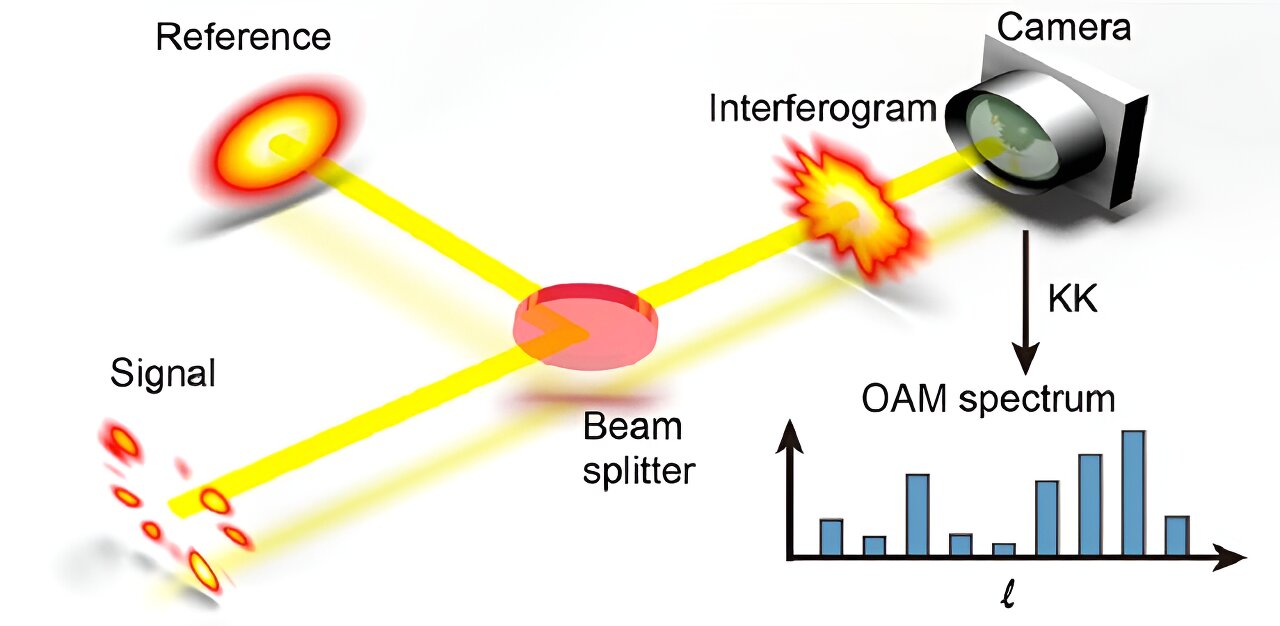
Researchers have developed a new measurement technique using on-axis Kramers-Kronig interferometry to retrieve the spectrum of orbital angular momentum (OAM) in structured light waves. By applying the Kramers-Kronig relation, they were able to untangle the complex helical light pattern from intensity-only measurements, enabling single-shot retrieval in interferometry. This breakthrough has the potential to revolutionize technologies that rely on structured light, such as communication, imaging, and quantum information processing. The technique is simpler, faster, and more cost-effective than conventional methods, providing a powerful means to measure and understand OAM in structured light fields.

Unprecedented Image of Planet-Forming Disks' Inner Region Revealed in Study
astronomy2 years ago

Unprecedented Image of Planet-Forming Disks' Inner Region Revealed in Study

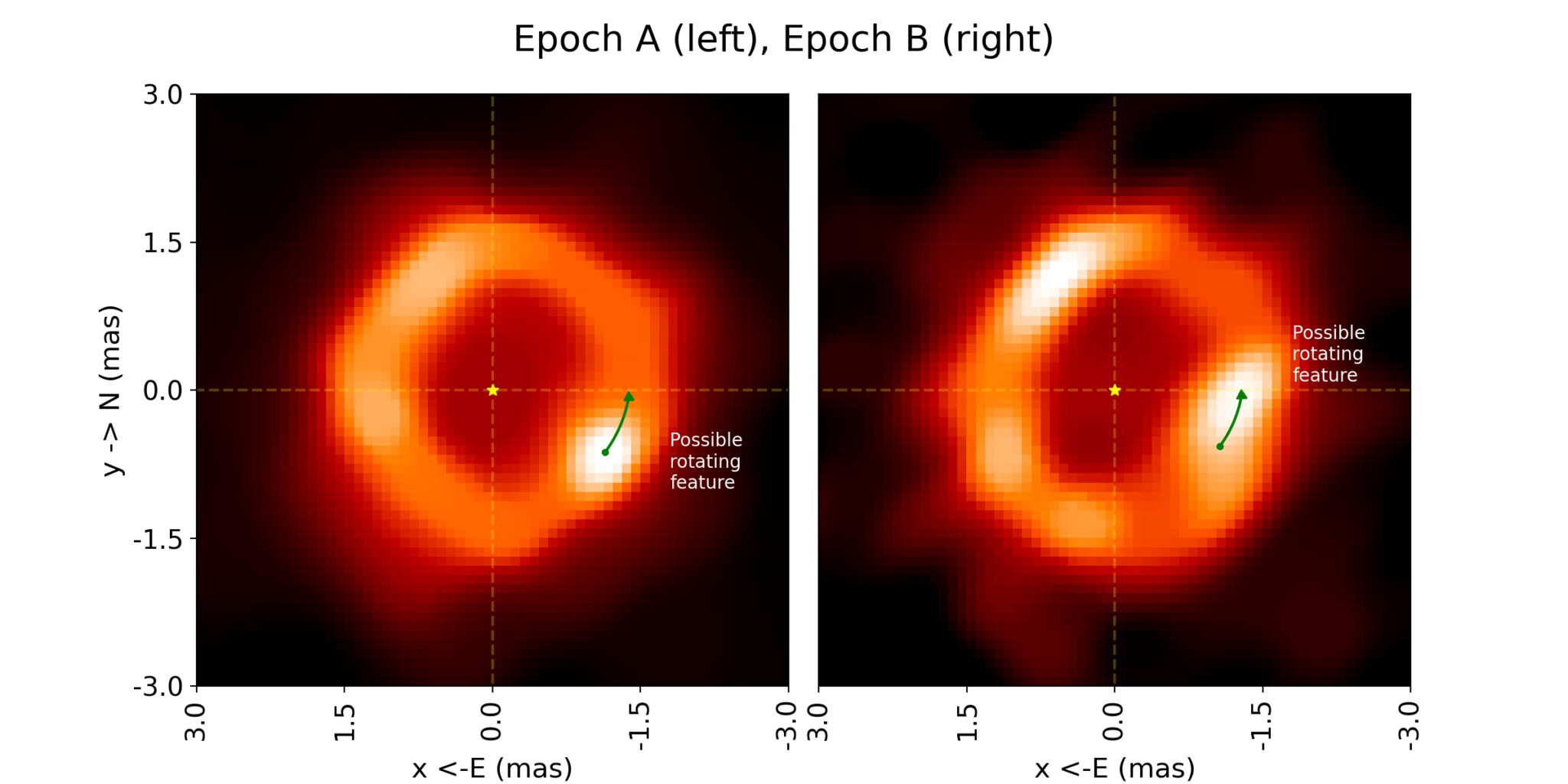
University of Michigan astronomers have used interferometry to capture the most detailed images of the inner region of a planet-forming disk around a young, massive star called V1295 Aquilae. The images show unexpected moving structures and confirm mysterious inner emissions reported in previous studies. The findings raise more questions about the early stages of planet formation and demonstrate the power of interferometry to perform cutting edge science at a fraction of the price of space telescopes.

China's Ambitious Space Exploration Plans: From Moon Colonization to Hunting for Earth-like Planets.
space2 years ago

China's Ambitious Space Exploration Plans: From Moon Colonization to Hunting for Earth-like Planets.

China's Miyin project aims to construct an array of telescopes in deep space to search for habitable planets orbiting other stars. The project envisions sending four light-collecting telescopes and a beam combiner to Sun-Earth Lagrange point 2. The spacecraft will use interferometric techniques to provide high angular resolution mid-infrared observations to directly image and characterize exoplanets around stars up to 65 light-years away. The project is still in the development phase, but current plans map out on-orbit technology demonstrations in 2024, followed by interferometry experiments conducted aboard the Tiangong space station a year later.