Tag

Laser Technology

All articles tagged with #laser technology

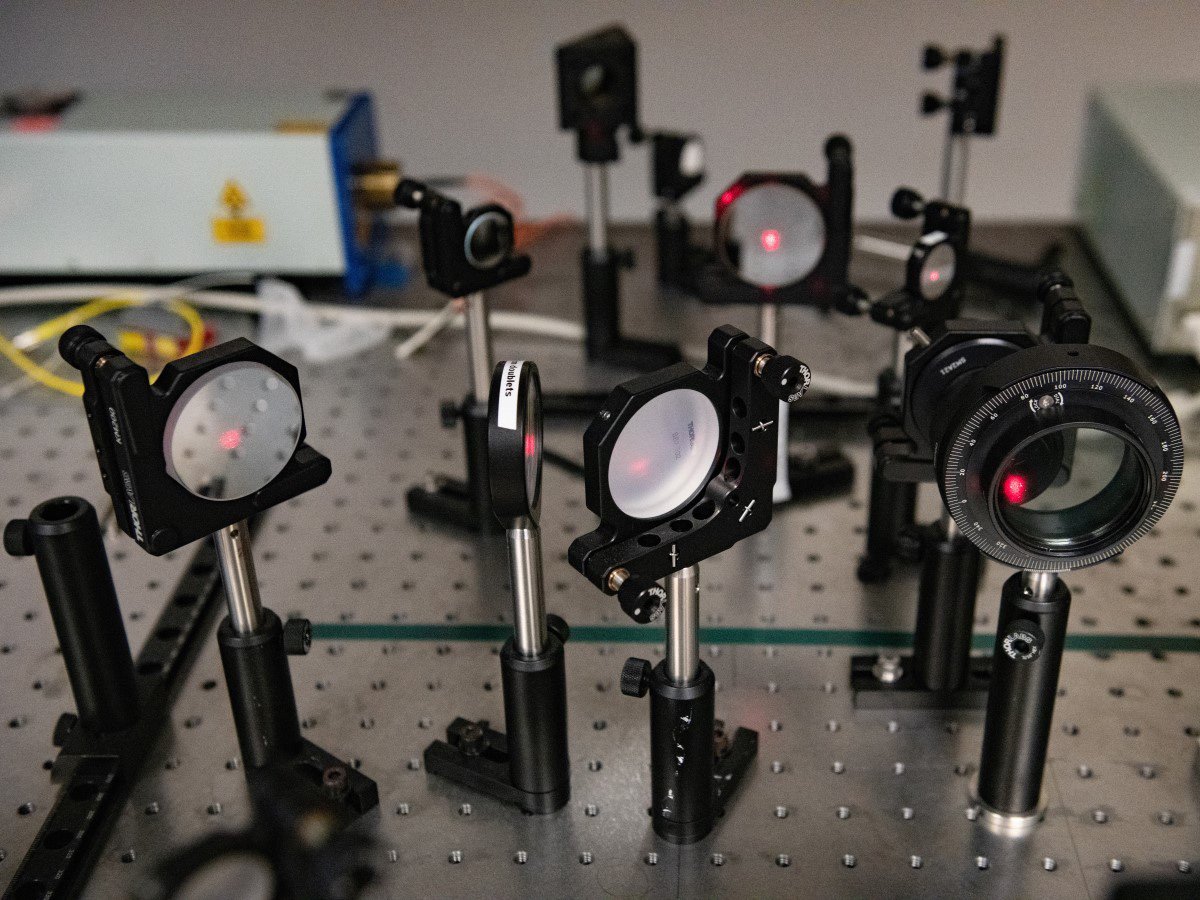
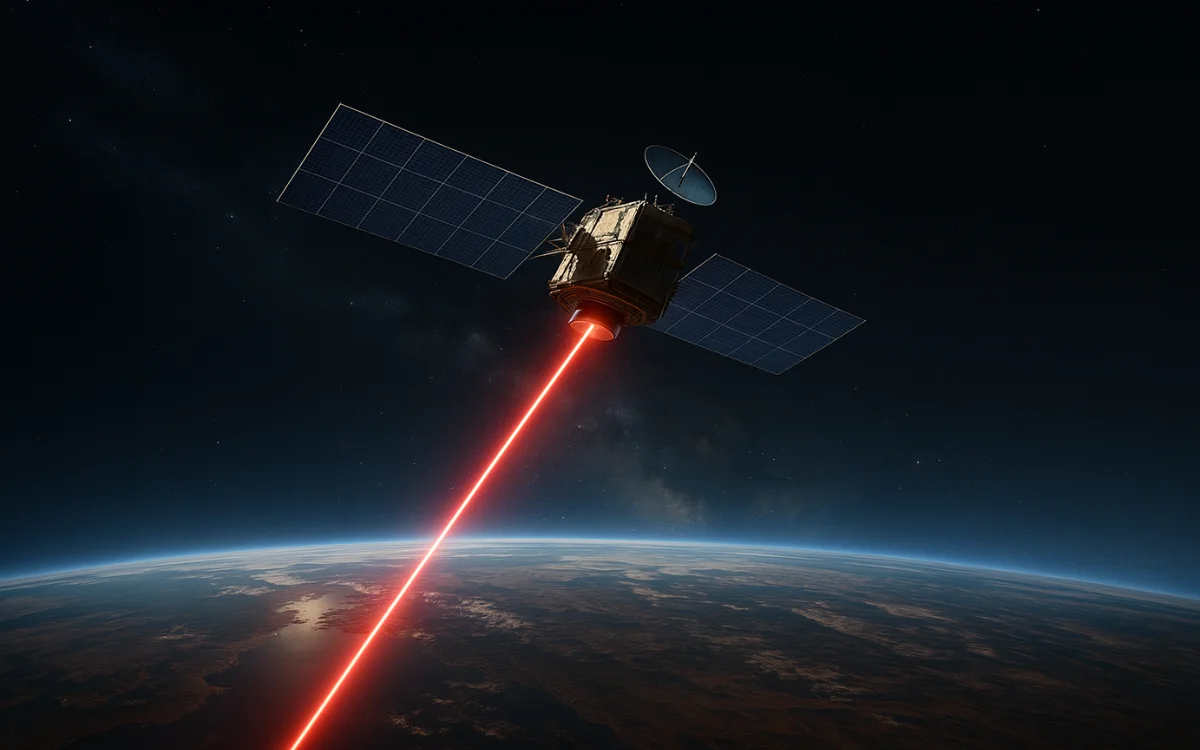
Chinese Satellite Surpasses Records, Threatening Starlink with Secret Tech

Originally Published 3 months ago — by supercarblondie.com

Featured image for Chinese Satellite Surpasses Records, Threatening Starlink with Secret Tech
Source: supercarblondie.com

A Chinese satellite tested in geostationary orbit has set new records with a 1 Gbps downlink speed using a two-watt laser, posing a potential threat to Starlink's dominance in satellite internet technology, although it is still in the testing phase.
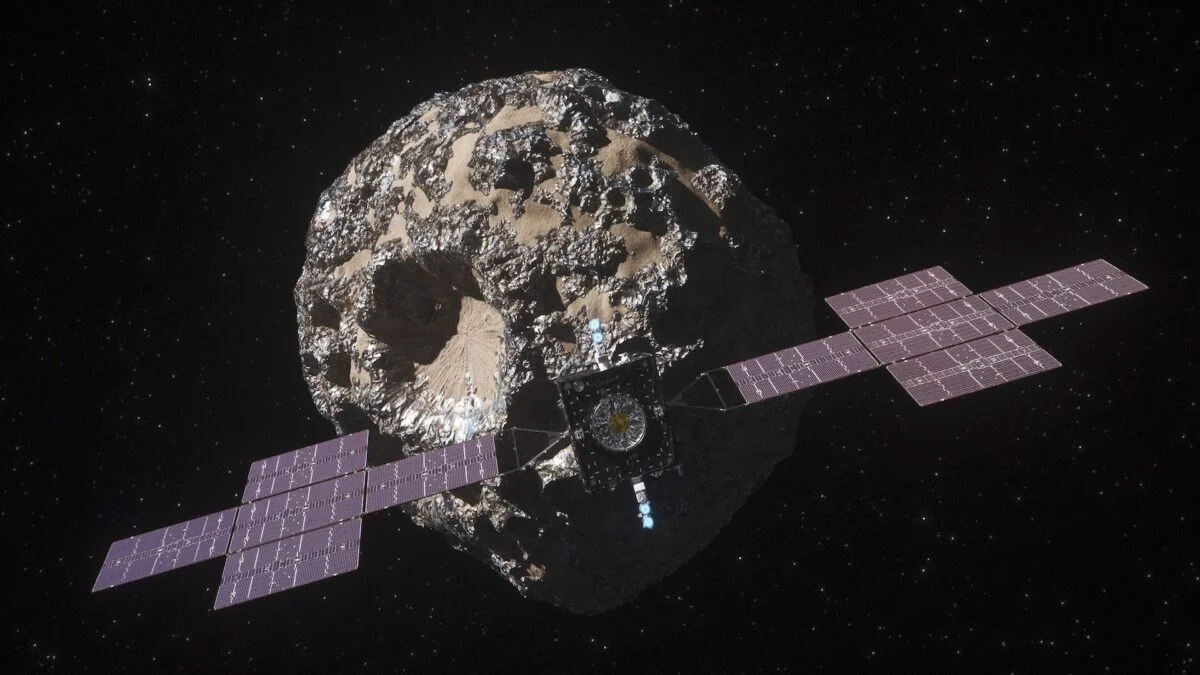
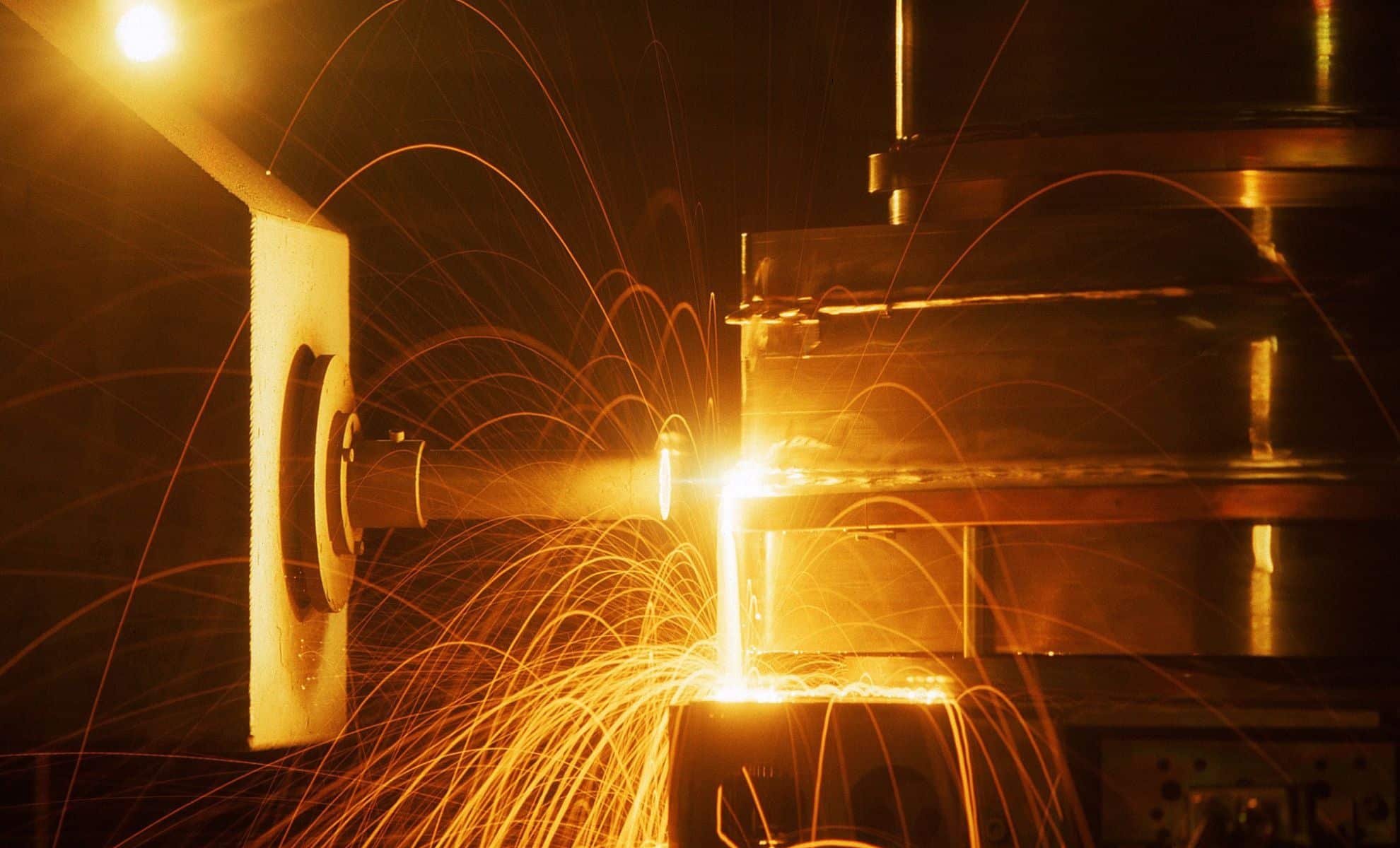
U.S. Reclaims Global Innovation Leadership with Record-Breaking Electron Beam

Originally Published 6 months ago — by The Daily Galaxy

Featured image for U.S. Reclaims Global Innovation Leadership with Record-Breaking Electron Beam
Source: The Daily Galaxy

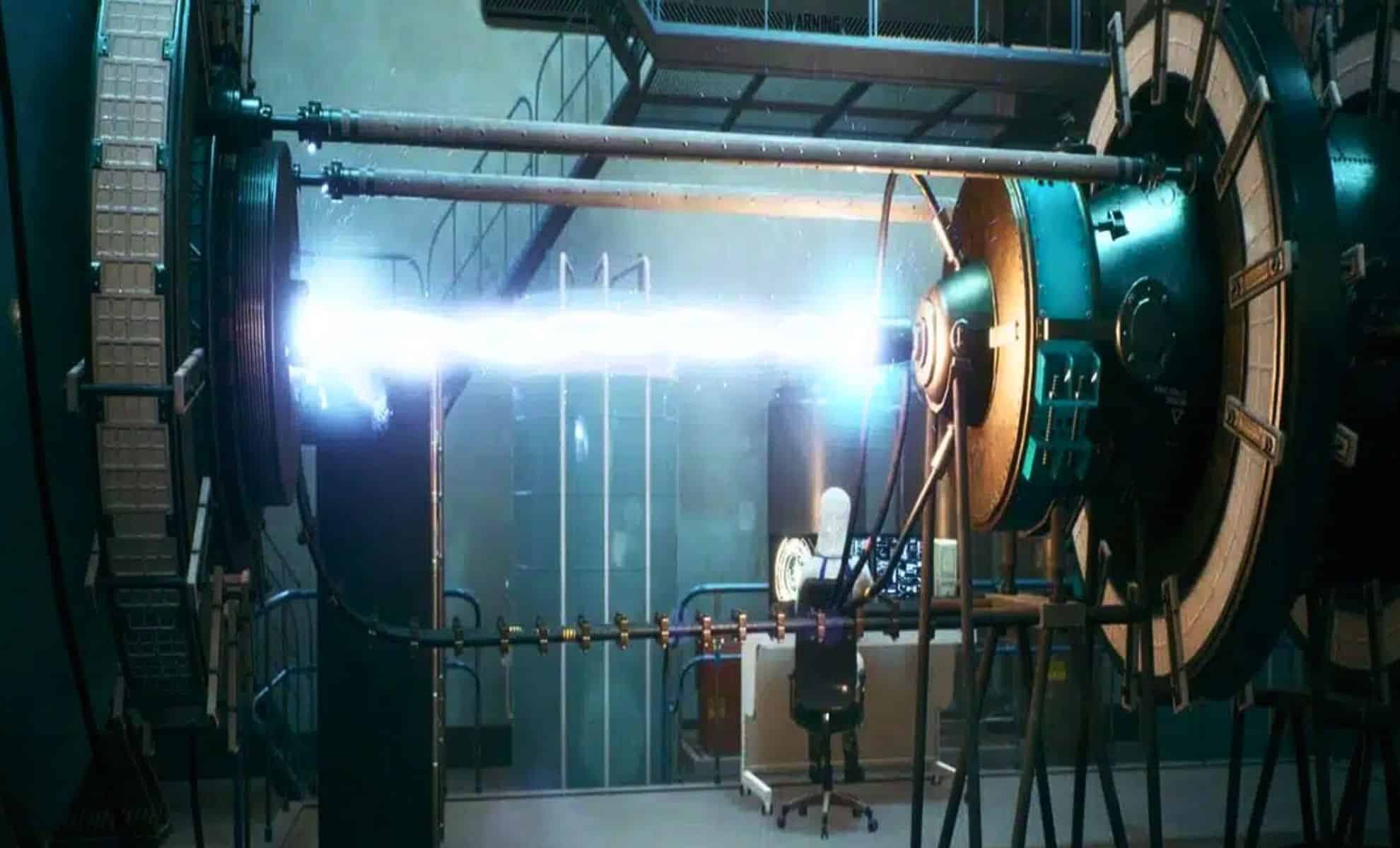
Scientists at SLAC have developed an unprecedented high-current electron beam using laser shaping techniques, marking a major breakthrough in accelerator physics with wide-ranging implications for astrophysics, quantum chemistry, and future particle accelerators.

Innovative Device Reads Book Pages from 3,200 Feet Away

Originally Published 6 months ago — by Rude Baguette

Featured image for Innovative Device Reads Book Pages from 3,200 Feet Away
Source: Rude Baguette

Scientists in China have developed a device using laser interferometry that can read text from nearly a mile away, raising significant privacy and security concerns due to its potential for surveillance and misuse, with future enhancements likely involving AI to improve accuracy and applications.

China achieves milestone with daytime laser targeting of the moon

Originally Published 7 months ago — by Glass Almanac

Featured image for China achieves milestone with daytime laser targeting of the moon
Source: Glass Almanac

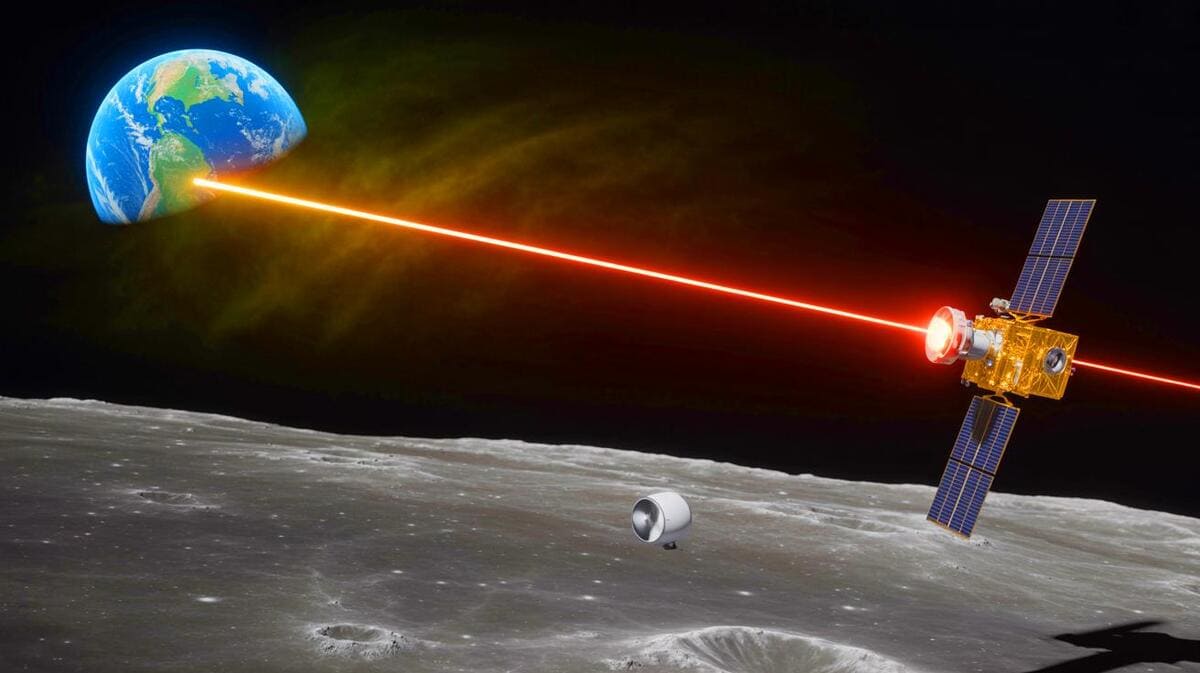
China achieved a major milestone in space exploration by successfully firing a precision laser at a satellite orbiting the Moon during daylight, overcoming solar interference, which enhances lunar navigation and communication capabilities for future missions.

Thales Aims to Recreate the Sun on Earth with Lasers

Originally Published 7 months ago — by The Daily Galaxy

Featured image for Thales Aims to Recreate the Sun on Earth with Lasers
Source: The Daily Galaxy

Thales has launched a project called GenF to develop an artificial sun using laser-driven inertial confinement fusion, aiming to create a sustainable and clean energy source within a decade, supported by French government funding and collaborations with research institutions.

Advanced Imaging Technique Enhances Deep Tissue Visualization

Originally Published 1 year ago — by MIT News

Featured image for Advanced Imaging Technique Enhances Deep Tissue Visualization
Source: MIT News

MIT researchers have developed a new noninvasive metabolic imaging technique that significantly enhances the depth and speed of imaging in living tissues without the need for preprocessing like staining or cutting. This method uses a specialized laser and a fiber shaper to penetrate deeper into tissues, providing clearer and more detailed images. The technique is particularly useful for applications in cancer research, tissue engineering, and drug discovery, allowing scientists to study metabolic dynamics in living systems more effectively.

Advancements in Nuclear Clock Technology

Originally Published 1 year ago — by The Washington Post

Featured image for Advancements in Nuclear Clock Technology
Source: The Washington Post

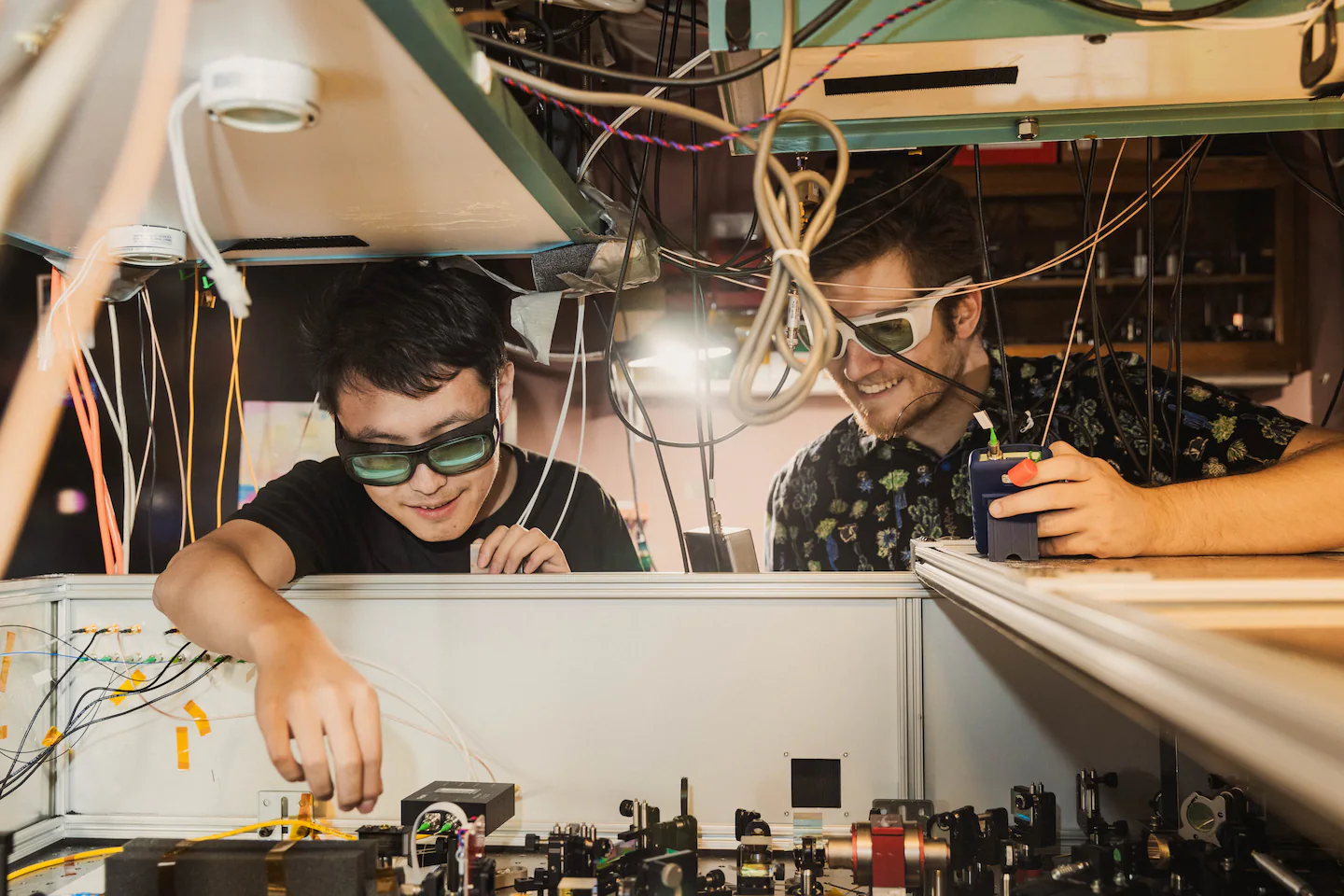
A team of physicists, including graduate student Chuankun Zhang, has made significant progress toward developing a nuclear clock, a highly precise timekeeping device. By firing a specialized laser at a radioactive crystal, they observed a promising signal, marking a potential breakthrough in the two-decade-long pursuit of this advanced technology.

"Laser Signals from Space Promise 1,000x Faster Data Transfer"

Originally Published 1 year ago — by Gizmodo

Featured image for "Laser Signals from Space Promise 1,000x Faster Data Transfer"
Source: Gizmodo

A German satellite successfully transmitted a laser signal to a ground station mounted on a Jeep, marking a significant advancement in space-to-Earth communication. This breakthrough, led by researchers from the University of Western Australia, aims to alleviate data congestion and increase communication bandwidth by using optical communication instead of traditional radio waves. The test is a critical step towards establishing a next-generation space communications network.

"Low-Powered Lasers Offer Innovative Solution to Plastic Waste Crisis"

Originally Published 1 year ago — by SciTechDaily

Featured image for "Low-Powered Lasers Offer Innovative Solution to Plastic Waste Crisis"
Source: SciTechDaily

A global research team led by Texas Engineers has developed a laser-based method to break down tough plastics into valuable components, offering a sustainable approach to plastic pollution. This technique uses low-power light to decompose plastics into luminescent carbon dots, which have potential applications in various industries. The discovery, published in Nature Communications, represents a significant step towards efficient plastic recycling and advancing green chemistry. Further research is needed to optimize and scale up the process for industrial use.

"Electron Spin Communication: Linking Mars Astronauts to Earth"

Originally Published 1 year ago — by Interesting Engineering

Featured image for "Electron Spin Communication: Linking Mars Astronauts to Earth"
Source: Interesting Engineering

NASA is working on improving its Deep Space Network with laser signal capabilities to address the communication challenges faced by isolated Mars astronauts, with one team of scientists developing experimental technology for ultrafast communication between Earth and Mars.

"Revolutionizing Space Cleanup: Ground-Based Lasers Target Space Debris"

Originally Published 1 year ago — by Vox.com

Featured image for "Revolutionizing Space Cleanup: Ground-Based Lasers Target Space Debris"
Source: Vox.com

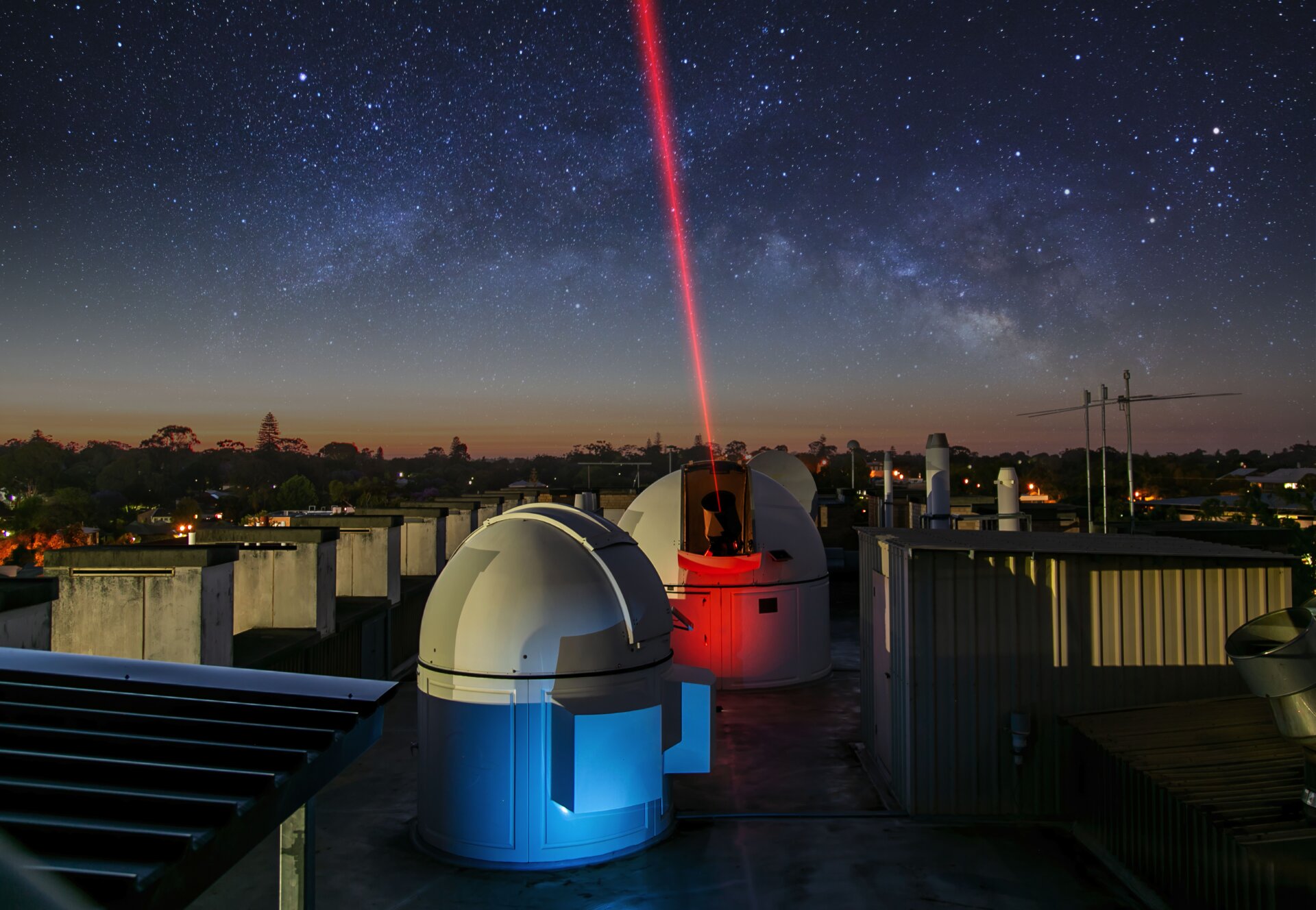
The increasing amount of space debris poses a threat to future space missions, with potential for a Kessler syndrome scenario. Various strategies for clearing space debris include using small spacecraft to slow down larger debris, physical sweepers or metal dust clouds for smaller fragments, and ground- and space-based lasers for mid-sized debris. NASA views laser technology as the most cost-effective method, but international cooperation will be necessary to implement any removal strategies.