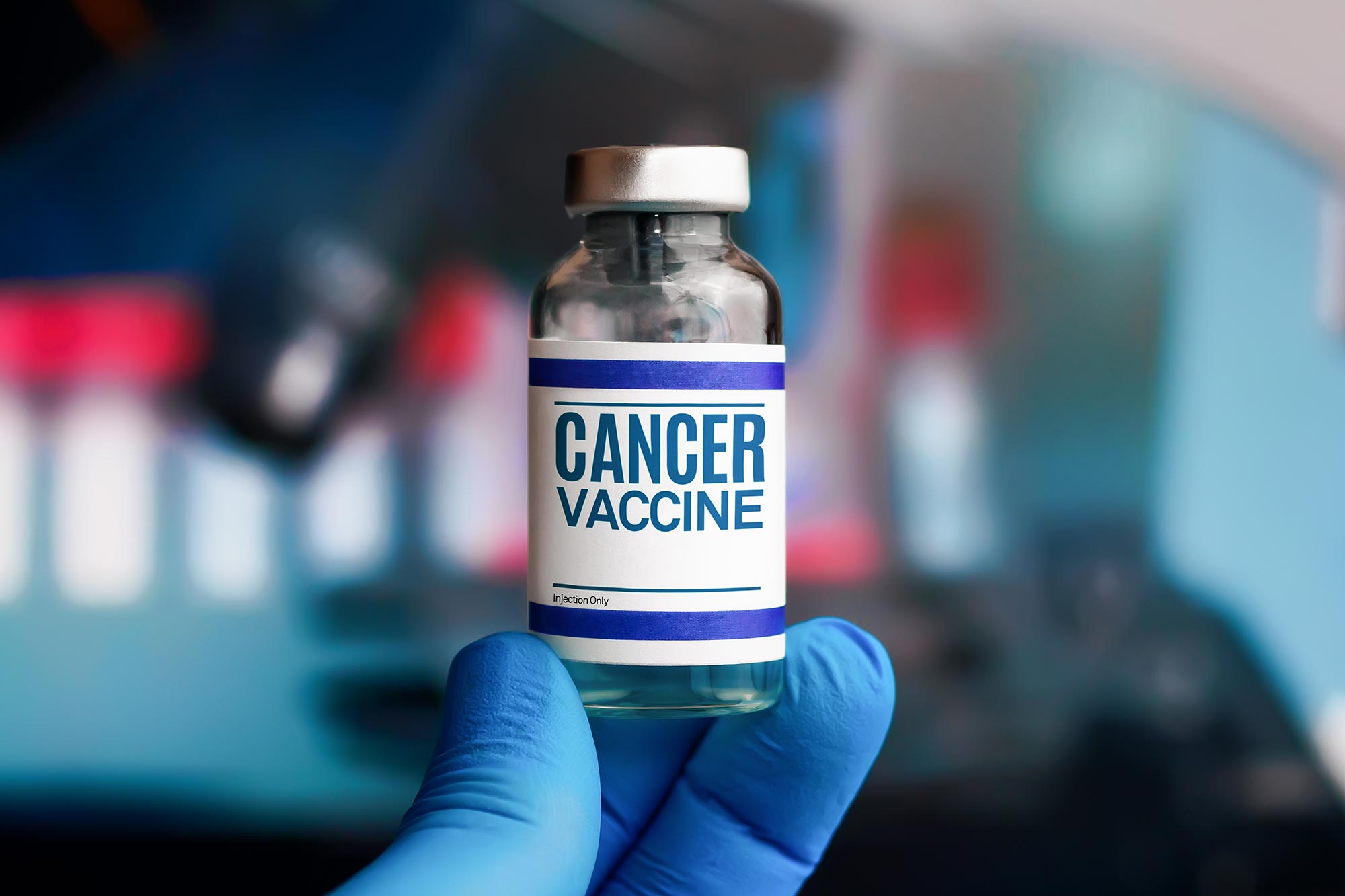
Scientists at UMass Amherst have developed a nanoparticle-based vaccine that successfully prevents multiple aggressive cancers in mice, including melanoma, pancreatic, and breast cancers, by activating strong immune memory and targeting cancer-specific antigens, with potential for broad application in cancer prevention and treatment.
Researchers at UMass Amherst developed a nanoparticle-based 'super vaccine' that successfully prevents and fights aggressive cancers like melanoma, pancreatic, and breast cancer in mice, showing high efficacy in preventing tumor growth and metastasis, with potential for human application.
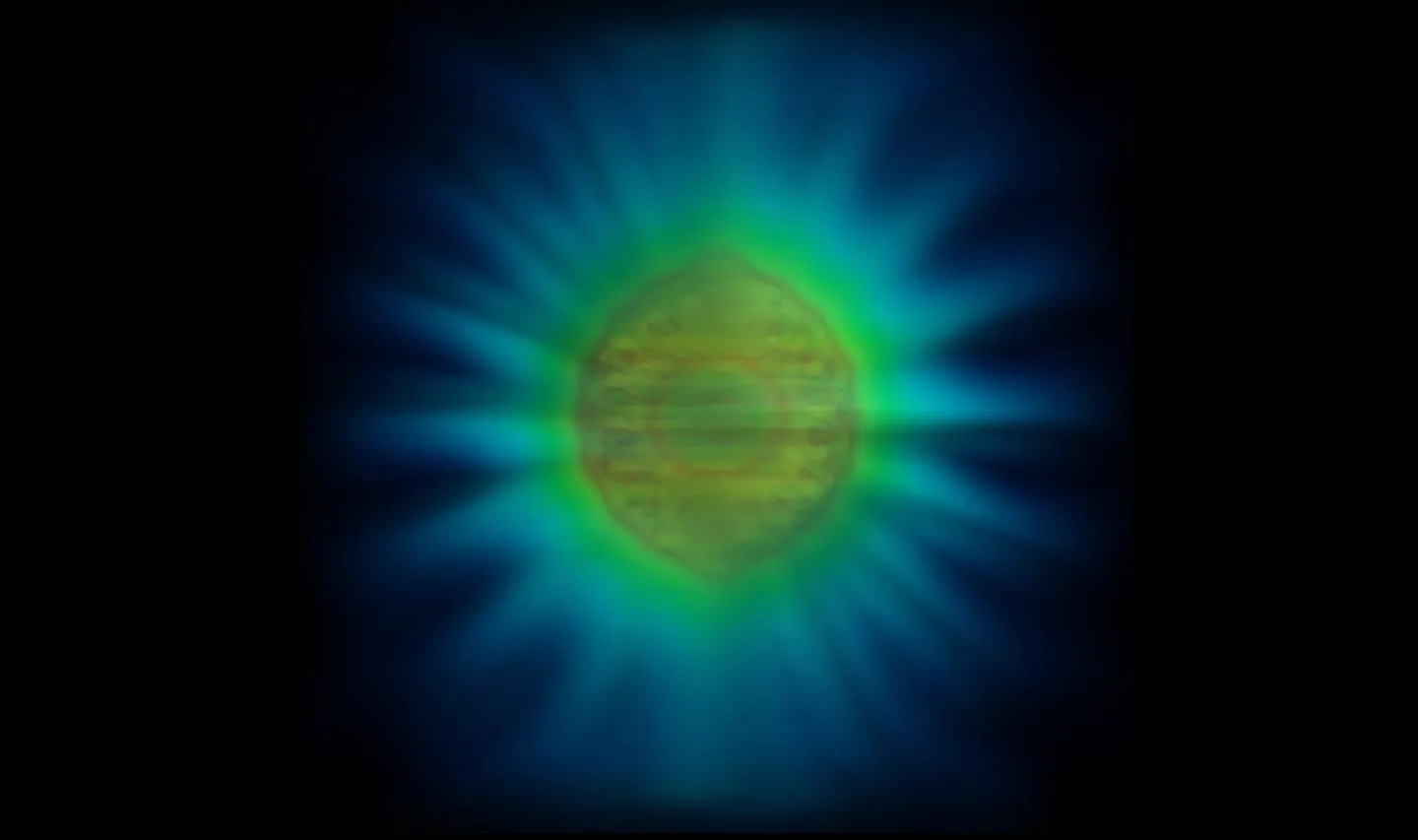
Scientists at the University of Birmingham have visualized the shape of a photon emitted from a nanoparticle using a novel theoretical model, revealing that a photon's form is shaped by its environment, which could impact future technologies like quantum computing and energy systems.
Theoretical physicists propose a pioneering experiment to observe macroscopic quantum superposition states in a nanoscale glass bead by allowing it to evolve in a non-optical ("dark") potential created by electrostatic or magnetic forces, thus avoiding the limitations imposed by laser cooling and minimizing the impact of low-frequency noise and systematic errors. This experiment, aligned with current developments in experimental labs, is expected to provide valuable insights into preparing macroscopic quantum superposition states.
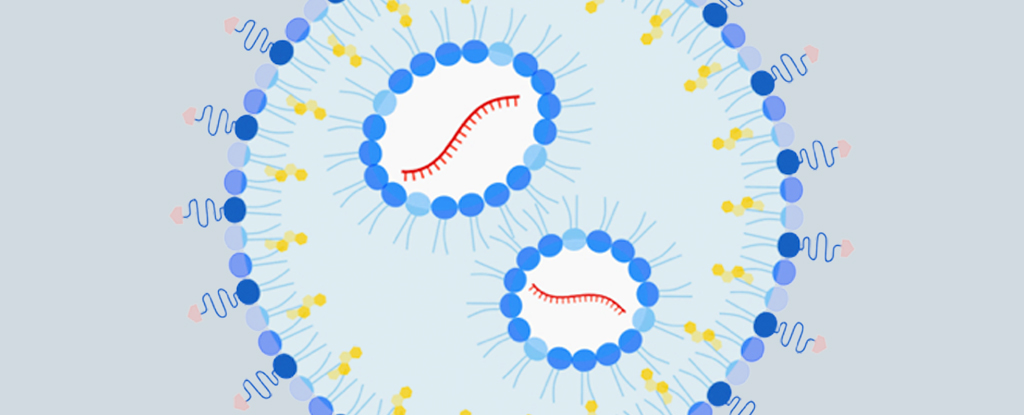
Researchers have developed a nanoparticle-based drug technology that uses mRNA to prevent and treat peanut allergies in mice. The treatment involves a protein fragment called an epitope that is modified to train the body against the full force of the allergen. The nanoparticle uses mRNA to encode multiple epitopes and is aimed at the liver, where antigen-presenting cells live. The treatment can be adapted for other allergies and autoimmune disorders and may help treat type 1 diabetes. Clinical trials with humans could begin in three years.