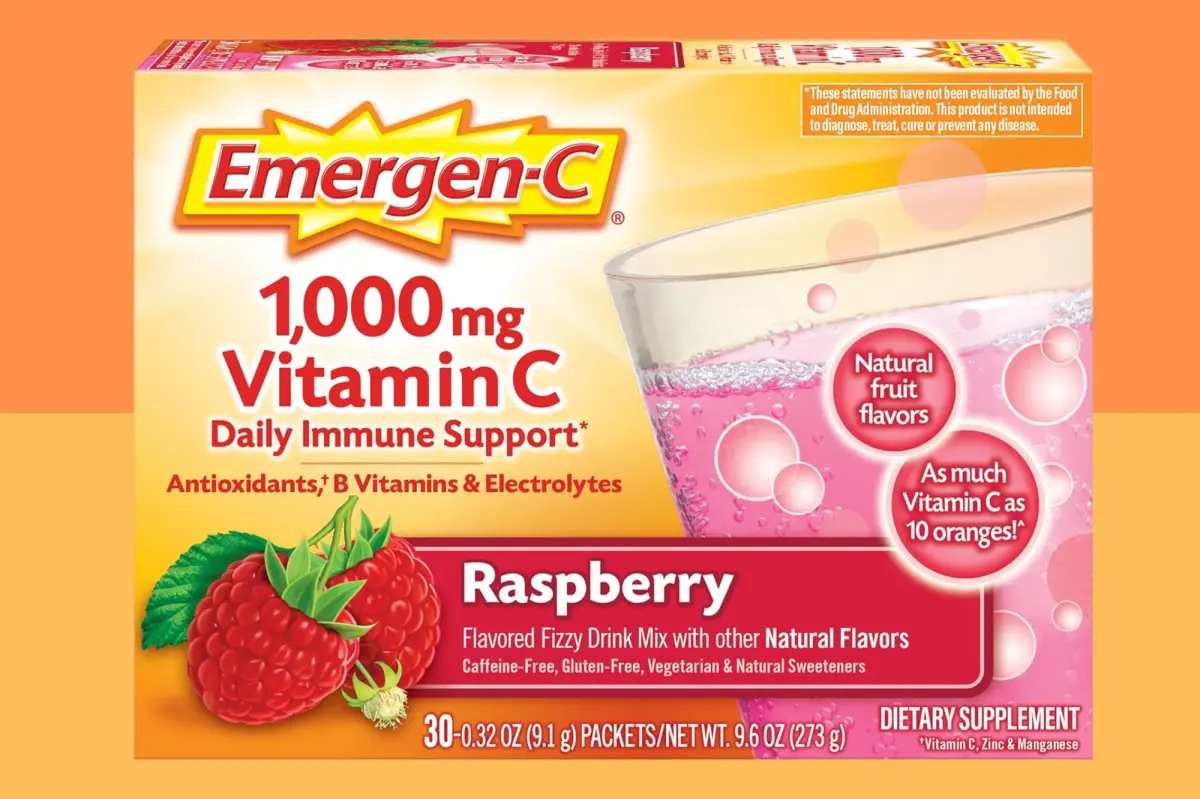
Amid rising flu cases in NYC dubbed the 'Super Flu,' the author shares that taking Emergen-C, which provides 1,000 mg of vitamin C per serving, helped them recover and feel energized during illness, making it a recommended, affordable immune support option.
Nutritionists recommend focusing on nutrient-dense foods like citrus fruits, leafy greens, berries, garlic, ginger, beans, and whole grains to support immune health during winter. Staying hydrated with warm liquids, preparing easy-to-make meals, and incorporating snacks rich in immune-boosting nutrients can help manage cold and flu season effectively.
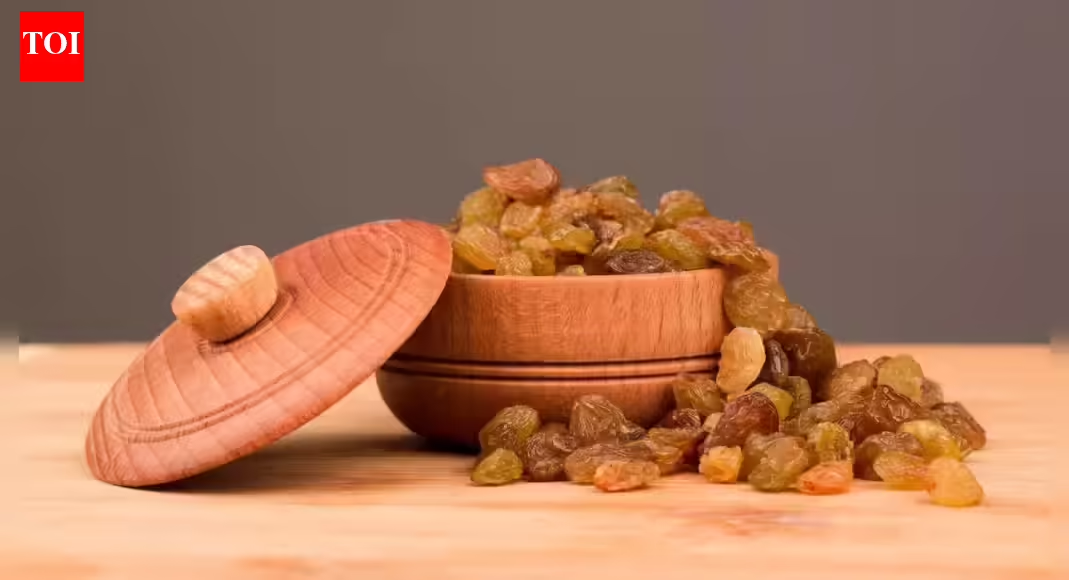
Eating soaked raisins daily during winter can boost immunity, improve digestion, support bone health, and provide sustained energy due to their rich fiber, minerals, antioxidants, and natural sugars, making them a beneficial addition to seasonal diets.
For adults over 60, the most important mistake to avoid when sick is neglecting hydration, as it is crucial for maintaining mucous membrane moisture, supporting immune function, and preventing complications like dehydration, which can be more severe in older adults due to natural age-related changes and medication effects.
A recent study indicates that vitamin D3 supplements are more effective than D2, as D2 can actually lower D3 levels, potentially impairing immunity and bone health. The research emphasizes the importance of choosing D3 for optimal health benefits, especially for those with limited sun exposure or following plant-based diets.
Eating light, balanced snacks rich in protein and complex carbs before a flu shot, and staying well-hydrated, can help prevent dizziness and support immune response. After the shot, consuming nutrient-rich meals with antioxidants, probiotics, and anti-inflammatory foods can aid recovery and enhance immunity. Maintaining a healthy diet throughout flu season is also recommended to support overall immune resilience.
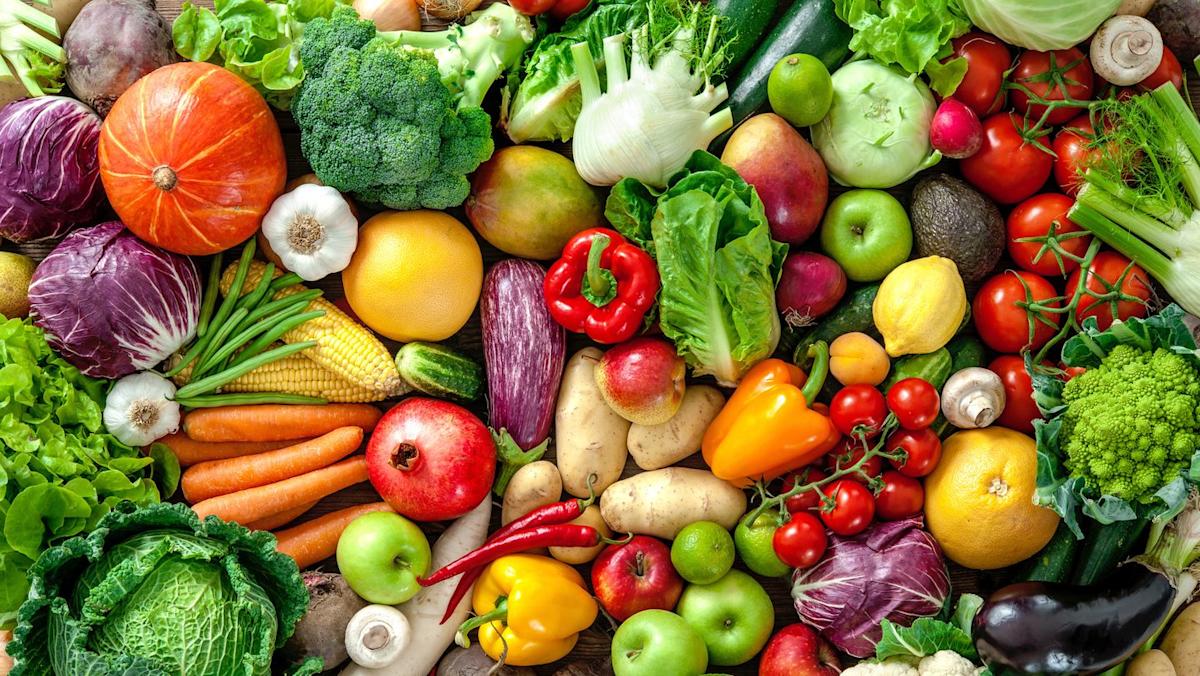
Many vegetables are rich in vitamin C, surpassing citrus fruits like oranges, and offer additional health benefits such as fiber and antioxidants. Key sources include red bell peppers, broccoli, Brussels sprouts, kale, and cauliflower, which can help boost immune function, support skin health, and reduce disease risk. Incorporating a variety of these vegetables into your diet can enhance overall health and nutrient intake.
Vitamin D3 is generally more effective than D2 at raising blood vitamin D levels, but both can be converted into the active form needed for health benefits. D3, sourced from animal products and sunlight, is more bioavailable, making it preferable for correcting deficiencies, though consulting a healthcare provider is recommended before supplementing.
Broccoli is a highly underrated vegetable that provides more vitamin C than an orange, along with other essential nutrients like fiber, potassium, folate, and vitamin K. It supports immune health, collagen production, eye health, and gut health, making it a versatile and nutrient-dense addition to any diet.
Doctors recommend 12 supplements for optimal health, including Vitamin D for immune function, Omega-3 for inflammation, Magnesium for muscle relaxation, Zinc for immune support, and B complex for energy. Other notable supplements include Ashwagandha for stress relief, Vitamin C for cell health, Selenium for infection protection, Chromium for blood sugar control, Ginkgo for brain health, Lion’s Mane for memory, and Garlic for heart health.
Flavored teas, when made without added sugars, offer various health benefits including hydration, immune support, blood sugar control, and heart health. These teas can be a healthy alternative to sugary drinks, providing antioxidants and other beneficial compounds. However, it's important to check for potential allergens, caffeine content, and added sugars in commercially available options.
Papaya leaves offer a range of health benefits, including immune system enhancement, anti-inflammatory and digestive health advantages, due to their rich antioxidant content, immune support, anti-inflammatory properties, digestive health improvement, platelet count regulation, and liver support, making them a valuable addition to one's diet.
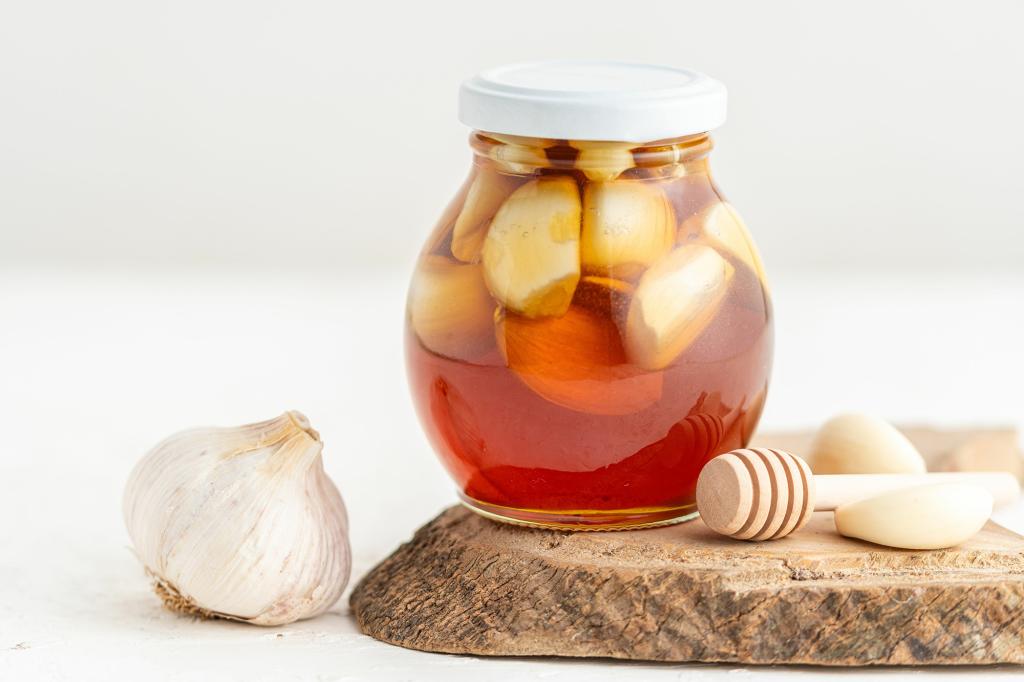
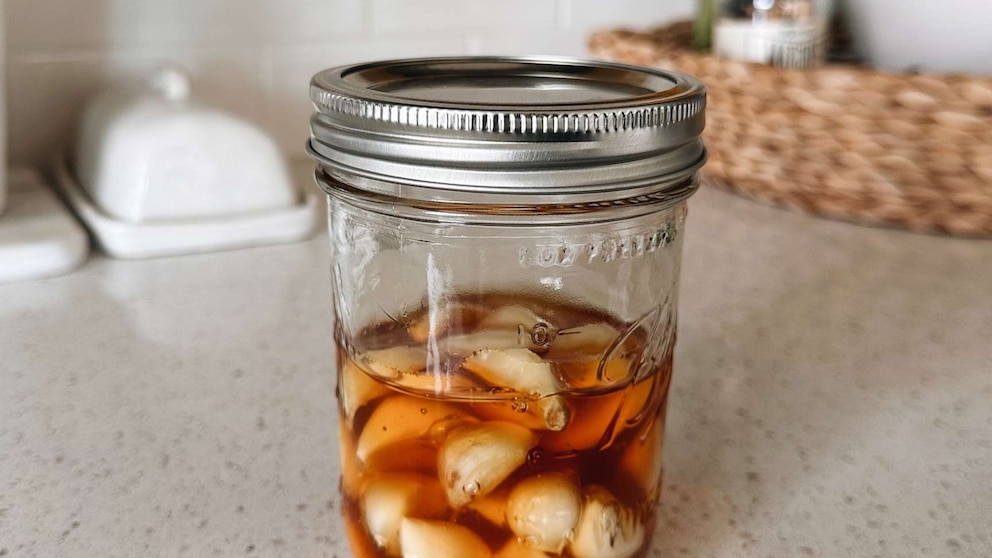
Honey and garlic, both known for their health benefits, are being combined by health enthusiasts to create a DIY cold and flu remedy. The fermentation process of garlic is said to enhance its benefits, while honey offers antioxidant, antimicrobial, and anti-inflammatory effects. The hashtag #HoneyGarlic has gained popularity on TikTok, with devotees praising it as a life-changer. Garlic, when chewed or crushed, produces compounds that boost the immune system and have antiviral properties. The combination of honey and garlic is believed to provide immune support and symptom relief. To make the remedy, garlic cloves are placed in a jar and covered with raw honey, then left to ferment for several weeks before consumption.
As the cold and flu season approaches, homemade remedies using ingredients like honey and garlic are gaining popularity. One such remedy is fermented garlic honey, which combines the immune-boosting properties of garlic with the soothing effects of honey. The fermentation process allows the two ingredients to meld together and become more potent. Garlic is known for its anti-inflammatory and immune support benefits, while honey can help soothe sore throats and coughs. The recipe involves peeling fresh garlic cloves and covering them with raw honey in a jar, allowing the mixture to ferment for 3 to 4 weeks. The resulting fermented garlic honey can be consumed for quick relief and may last up to a year.