Tag

Cold And Flu Season

All articles tagged with #cold and flu season

health1 year ago

"Understanding and Treating Kids' Winter Coughs: A Pediatrician's Guide"

Children can spend up to 140 days with cold-related symptoms during the winter, with various types of coughs caused by different conditions such as the common cold, flu, asthma, and more. Pediatrician Dr. Melanie Wilson-Taylor advises parents to track their child's cough and seek medical attention if it lasts more than five days or interferes with daily activities. While most viral coughs go away without medication, antibiotics may be necessary for coughs caused by ear infections, sinusitis, or pneumonia. Humidifiers, fluids, honey (for children over 1 year old), nasal saline spray, and vapor rubs can help alleviate symptoms, but cough suppressants are not proven to work and may have harmful ingredients.


health2 years ago

Navigating the Cold, Flu, and COVID-19 Season: Tips for Staying Healthy

As winter brings the usual cold and flu symptoms, the dominance of the new COVID-19 variant adds to the concern. With low vaccination rates, basic preventive measures like hand-washing, wearing masks, and increasing ventilation are crucial. Vaccination against COVID-19, flu, and RSV is recommended, especially for children and older adults. Parents of young children should prioritize self-care, as children are more susceptible to illnesses. Prompt testing for COVID-19 and flu is important to determine the need for specific medicines, and free home-based test-to-treat programs are available for uninsured individuals.

health-and-wellness2 years ago

"Unveiling the Truth About Immunity Cubes: Do They Really Keep You Healthy?"

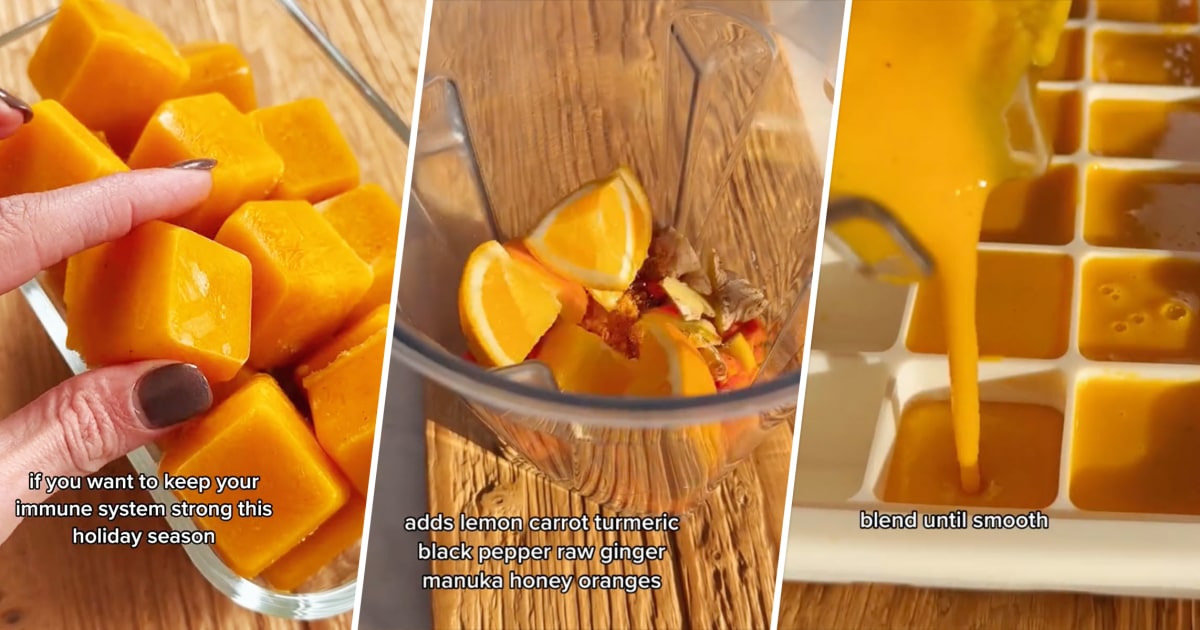
Immunity cubes, a trend on social media, are frozen cubes made of ingredients like orange, lemon, ginger, turmeric, raw honey, black pepper, and coconut water, believed to boost the immune system. While they may help alleviate symptoms and potentially cut sickness short, dietitians recommend consuming no more than two a day to avoid excess vitamin C and diarrhea. An infectious disease specialist suggests trying the trend while continuing other precautions like vaccination, mask-wearing, handwashing, and social distancing.

health-and-wellness2 years ago

"Unpacking the Effectiveness of Immunity Cubes: TikTok's Latest Wellness Trend"

Immunity cubes, a trend on social media, are frozen cubes made of ingredients like orange, lemon, ginger, turmeric, raw honey, black pepper, and coconut water, which are believed to boost the immune system. While they may help support immune health, they are not a guaranteed shield against illness. Dietitians recommend consuming them in moderation and continuing other precautions like vaccination, wearing masks, and handwashing. Making immunity cubes involves blending the ingredients, freezing the mixture in ice cube trays, and adding them to drinks.

health-and-wellness2 years ago

"Honey's Health Impact: Exploring Benefits and Risks"

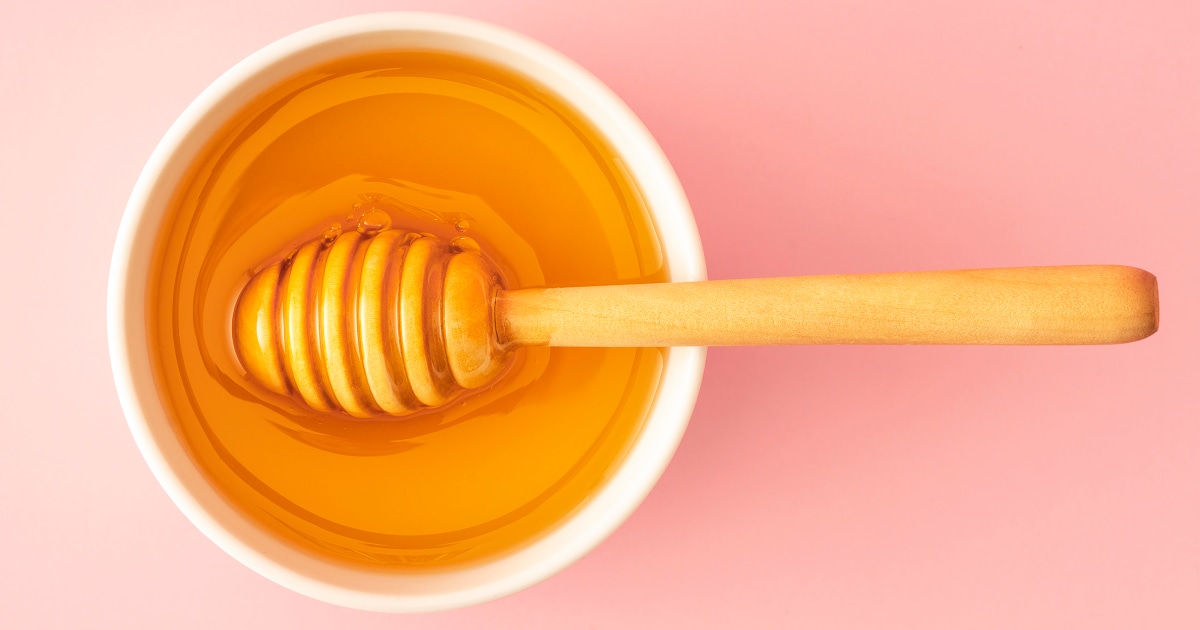
Honey, while high in sugar, offers some health benefits, particularly during cold and flu season. It contains antioxidants and has been shown to outperform cough medicines in studies. However, it should be consumed in moderation due to its high sugar content. Darker, raw honey is recommended for its higher antioxidant content. Honey is not effective for treating allergies and should not be given to infants under 12 months due to the risk of botulism. It's best used as a replacement for other sweeteners, but it's not essential for a balanced diet.

health2 years ago

Flu Cases Surge in North Carolina, Prompting Medication Concerns

The North Carolina Department of Health and Human Services reports a steady rise in respiratory illnesses over the past two months, with 12 percent of emergency department visits attributed to such illnesses. As the holiday season approaches, pharmacies are seeing increased demand for cold and flu remedies, with medications like Mucinex and plain cough medicine flying off the shelves. However, some decongestants have been taken off the shelves due to their ineffectiveness, prompting experts to recommend symptom-specific treatments and avoiding multi-ingredient products.

health2 years ago

"Rising Flu Deaths in NC: Which Medicines to Avoid and How to Stay Safe"

The North Carolina Department of Health and Human Services reports a steady rise in respiratory illnesses over the past two months, with 12 percent of emergency department visits attributed to such illnesses. As the holiday season approaches, pharmacies are seeing increased demand for cold and flu remedies, with medications like Mucinex and plain cough medicine flying off the shelves. However, some decongestants, like phenylephrine, have been deemed ineffective and removed from shelves. Pharmacy owner Brent Talley advises patients to opt for simple, symptom-specific treatments and avoid multi-product medications with numerous ingredients.

health2 years ago

Doctor's Essential Cold and Flu Season Stock: Minimizing OTC Medication Reliance

Dr. John Mafi, an associate professor of medicine, emphasizes prevention as the key to staying healthy during cold and flu season. However, when he does get sick, he reaches for two essentials before turning to over-the-counter medications. The first is honey, which has been found to reduce the duration and severity of common cold symptoms. The second is garlic, which may help reduce the severity and duration of colds. Both honey and garlic have minimal side effects and are considered safe for most people.

health2 years ago

"Effortless Daily Habits for Optimal Health in Under 10 Minutes"

In order to take care of your health, a South Carolina pharmacist and medical director suggests 10 healthy habits that take less than 10 minutes each day. These habits include taking vitamins and supplements, stretching, staying hydrated, meditating and breathing, walking outside, socializing, eating mindfully, keeping a journal, practicing proper hygiene, and winding down for bed earlier. These simple practices can improve overall health, reduce stress, boost mood, and promote better sleep.

health2 years ago

"Identifying the Telltale Signs of a 'Long Cold'"

A recent study published in The Lancet's eClinicalMedicine suggests that some individuals may experience a "long cold" with persistent symptoms lasting for weeks after a common cold or flu infection. The severity of symptoms, such as persistent fevers, sudden onset headaches, lightheadedness, nausea, and facial tenderness, can indicate a higher risk for long-term symptoms. Other common symptoms of long colds include cough, congestion, stomach pain, and diarrhea. If experiencing severe symptoms or symptoms that persist for weeks, seeking medical attention is advised. While there is no specific prevention for long colds, practicing healthy habits, such as rest, hydration, and over-the-counter medications for symptom management, can help. Getting an annual flu shot, washing hands frequently, wearing masks, and staying home when sick can also lower the risk of contracting the flu and spreading illness.

health2 years ago

"Unveiling the Contagious Clues: 5 Sneaky Signs of Illness"

As respiratory viruses continue to make a comeback, it's important to be aware of the early signs of sickness. Before the more obvious cold and flu symptoms appear, there are usually a few clues that indicate an infection is brewing. These signs include a tickle in the throat, feeling fatigued, excessive sneezing, sudden headaches, and mood swings. Paying attention to these early warning signs can help you take better care of yourself and potentially ease symptoms and quicken recovery. Stay hydrated, get enough sleep, and listen to your body's needs.

health2 years ago

Stay Ahead of Cold and Flu Season: Recognize the Warning Signs and Symptoms

As cold and flu season approaches, it's important to know the signs and symptoms that should prompt seeking medical attention. While the common cold and flu share many symptoms, the flu tends to be more intense and come on quicker. Warning signs for seeking medical care include higher fevers, shaking chills, fast or labored breathing, and severe headaches or confusion. Antibiotics are not typically prescribed for colds, as they are caused by viruses, but antivirals may be prescribed for the flu. It's important to watch for complications such as ear or sinus infections, and parents should be vigilant for warning signs in children, such as breathing difficulties or dehydration. Prevention measures include getting flu vaccinations and staying home when ill.

health2 years ago

Unveiling the Secrets of Winter Colds and Flu: Immune System Tips

Scientists have discovered that the cold air in winter damages the immune response occurring in the nose, leading to an increased risk of respiratory illnesses such as colds, flu, and Covid-19. The study found that reducing the temperature inside the nose by as little as 9 degrees Fahrenheit kills nearly 50% of the bacteria-fighting cells and viruses in the nostrils. The nose's immune system relies on extracellular vesicles (EVs) to fight off germs, but cold temperatures decrease the production of EVs and their effectiveness in stopping viruses. Wearing masks can help protect against respiratory infections by keeping the intranasal environment warmer. Researchers hope to develop nasal medications that enhance the immune defense mechanism in the future.

health2 years ago

Unveiling the Mystery: The Reason Behind Winter's Cold and Flu Season

Scientists have discovered that cold air damages the immune response occurring in the nose, providing a biological explanation for why people are more susceptible to respiratory illnesses in winter. A study found that reducing the temperature inside the nose by as little as 9 degrees Fahrenheit kills nearly 50% of bacteria-fighting cells and viruses. The nose's immune system relies on extracellular vesicles (EVs) to fight off germs, but cold weather reduces the production and effectiveness of EVs, weakening the body's ability to fend off colds, flu, and Covid-19. Wearing masks can help protect against cold air and maintain a stronger immune response.