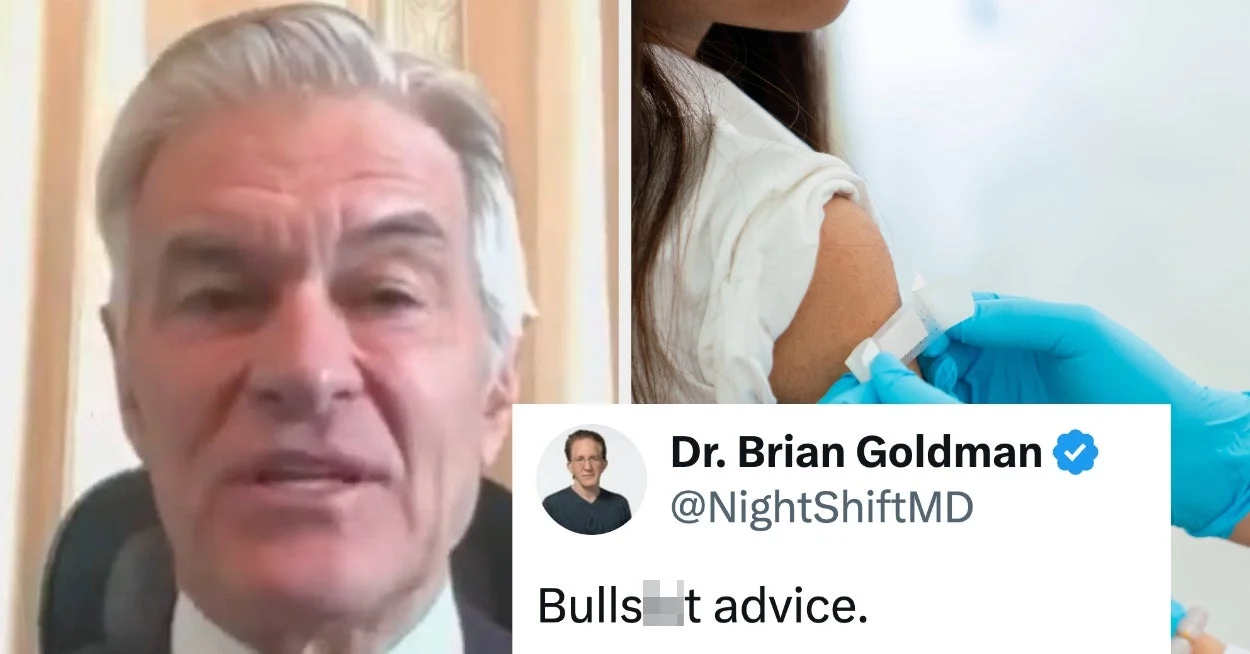
Doctors and health professionals criticize Dr. Oz for dismissing the flu shot and promoting self-care measures instead, amid rising flu cases and concerns over the effectiveness of the vaccine, with experts emphasizing the importance of vaccination to prevent severe illness.
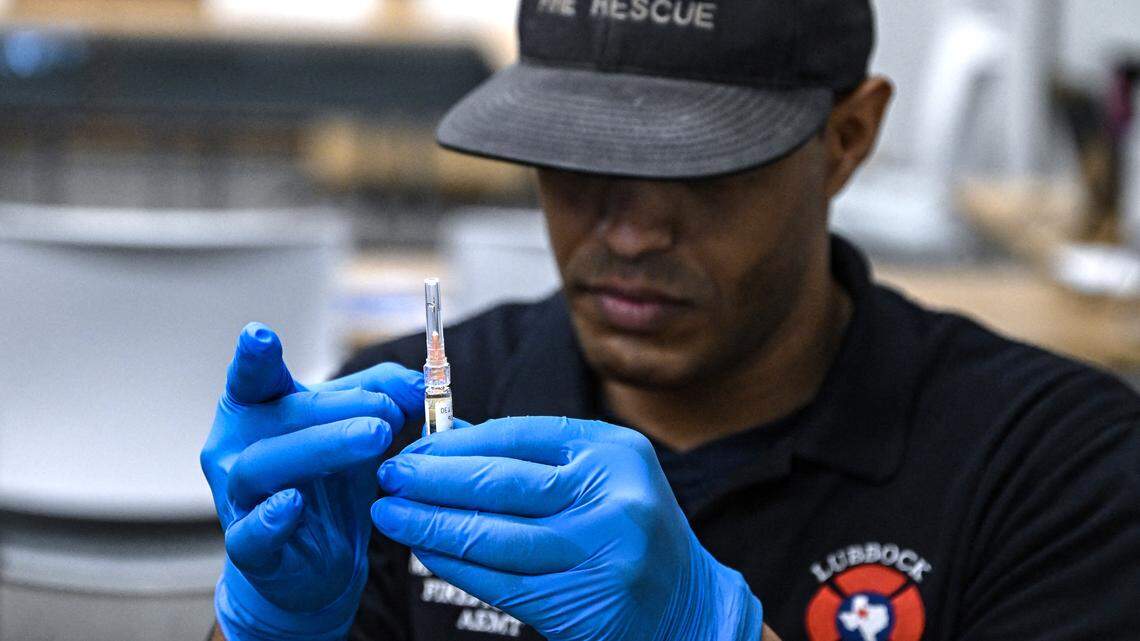
Amid rising flu cases and the spread of the 'super flu' in North Carolina, health experts advise that it's still beneficial to get vaccinated, as immunity takes 1-3 weeks to develop and the flu season peaks later in January. Vaccination rates are lower than usual, partly due to vaccine hesitancy, but vaccines are available at pharmacies, stores, and healthcare providers. Preventive measures like masks and good hygiene are also recommended.
Getting COVID and flu vaccines in the same arm or different arms is a matter of personal preference, with recent studies suggesting no significant difference in effectiveness or antibody response; convenience and comfort are key considerations.
COVID-19 cases are currently declining, but there is an increase in rhinovirus, which causes common colds. Experts recommend getting flu and COVID vaccines, practicing good hygiene, and avoiding sick individuals to stay healthy during the respiratory virus season.
Hays doctors with extensive clinical experience encourage community members to ask their healthcare providers questions about vaccinations, emphasizing the importance of immunizations in reducing respiratory illnesses and hospitalizations, especially during peak seasons.
President Donald Trump received a Covid vaccine booster and a flu shot during a routine health check-up at Walter Reed, where he was found to be in excellent health with a cardiac age significantly younger than his actual age. The visit also included advanced testing and imaging, and occurred amid changing Covid vaccine guidelines and political controversies surrounding vaccine recommendations.
President Donald Trump received a Covid booster and flu shot during a visit to Walter Reed Medical Center, where he also underwent health screenings; his physician reported he is in excellent health with a cardiac age significantly younger than his actual age, despite previous health concerns.
Eating light, balanced snacks rich in protein and complex carbs before a flu shot, and staying well-hydrated, can help prevent dizziness and support immune response. After the shot, consuming nutrient-rich meals with antioxidants, probiotics, and anti-inflammatory foods can aid recovery and enhance immunity. Maintaining a healthy diet throughout flu season is also recommended to support overall immune resilience.
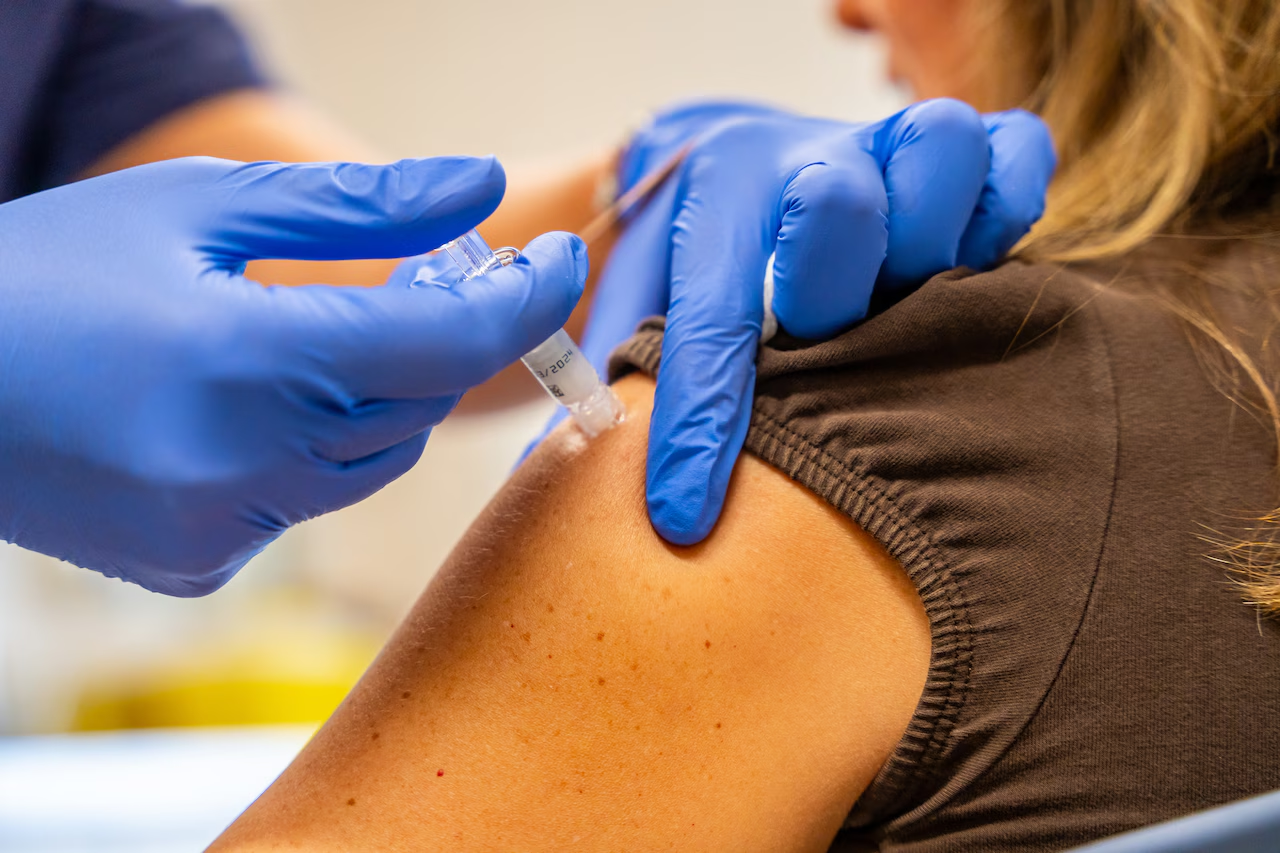
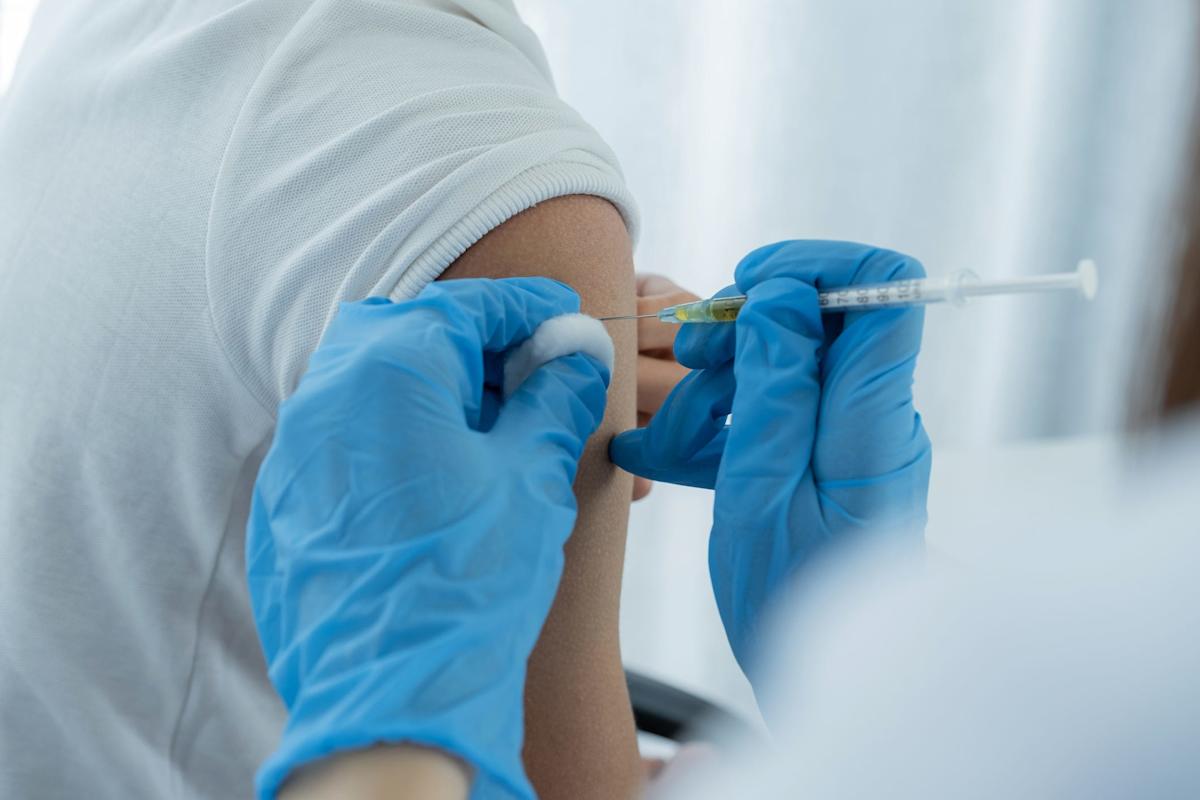
Getting the flu shot in October is recommended to protect against the flu season that lasts until May, especially for vulnerable groups, as it reduces the risk of illness and complications. The vaccine should be taken annually due to virus mutations, and it takes about two weeks to build immunity after vaccination.
Arm soreness after a flu shot is common and temporary, caused by the body's inflammatory response as it builds immunity. To alleviate discomfort, apply a cold compress, consider OTC pain relievers (avoiding preemptive use), and rest. The minor soreness is a small price to pay for the protection against serious flu complications, and if severe allergic reactions occur, seek medical help immediately.
The article discusses recent shifts in vaccine guidance for children regarding flu and COVID-19 shots, highlighting that flu vaccination is broadly recommended for children 6 months and older, while COVID-19 vaccine recommendations are now more varied, with some groups advising vaccination for all children and others emphasizing individual choice, leading to potential confusion among parents.
The article urges readers to get a COVID-19 vaccine while still available, warning of upcoming restrictions that may limit access to only the elderly and those with serious health conditions, as proposed by Health Secretary Worm-Brain, emphasizing the importance of timely vaccination.
The CDC recommends getting the flu shot between September and October for the 2025-2026 flu season to best prevent influenza and its complications, especially for high-risk groups, with vaccination available for everyone 6 months and older. The vaccine options include trivalent and enhanced vaccines for seniors, with egg-free options for those with allergies.
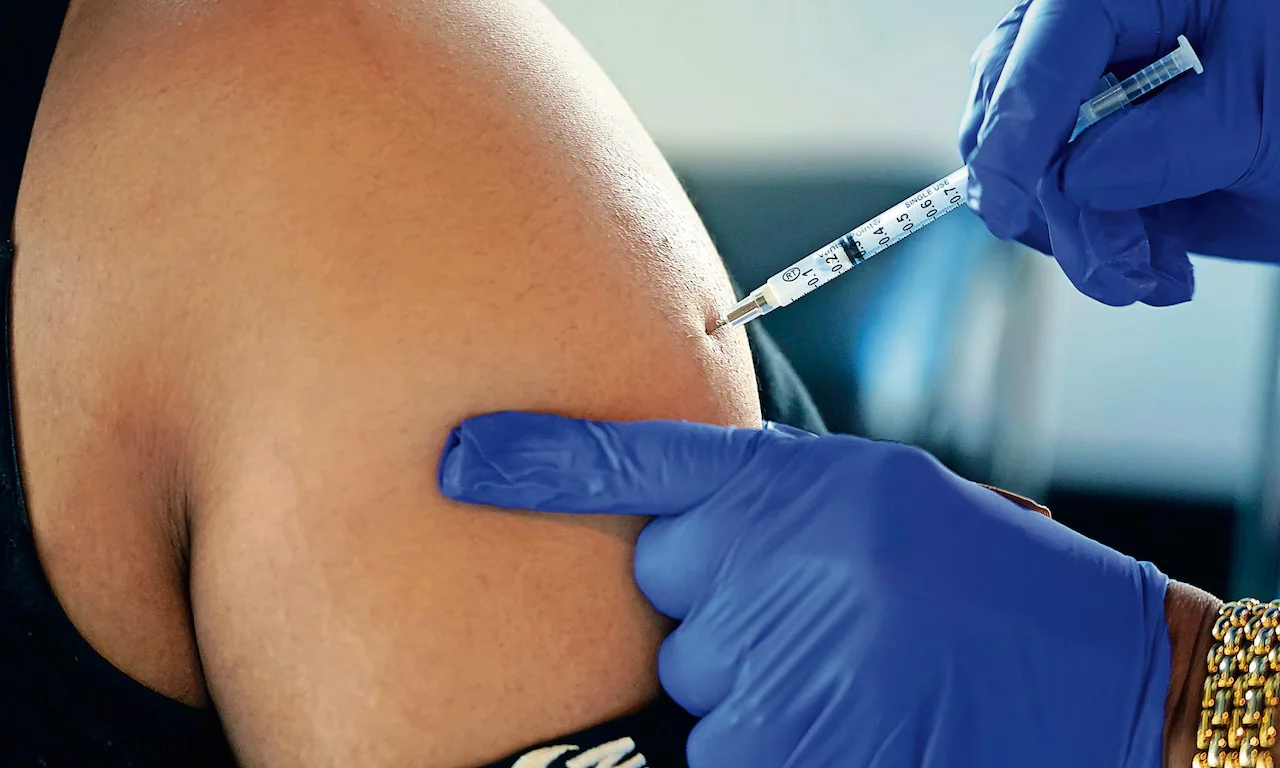
Experts recommend that everyone eligible should get a flu shot this fall to reduce the risk of severe illness, hospitalization, and death, especially among vulnerable groups, despite the forecast of a moderate flu season. The vaccine is most effective when administered early in the fall, and vaccination remains a key preventive measure alongside good hygiene practices.
Getting the flu shot in September or October is crucial this year due to a particularly severe flu season last year, and it helps protect individuals and community health by reducing severity and preventing hospitalizations and deaths, especially among vulnerable groups.