Tag

Humans

All articles tagged with #humans

science7 months ago

Revealing the Origins of Human-Neanderthal Interactions

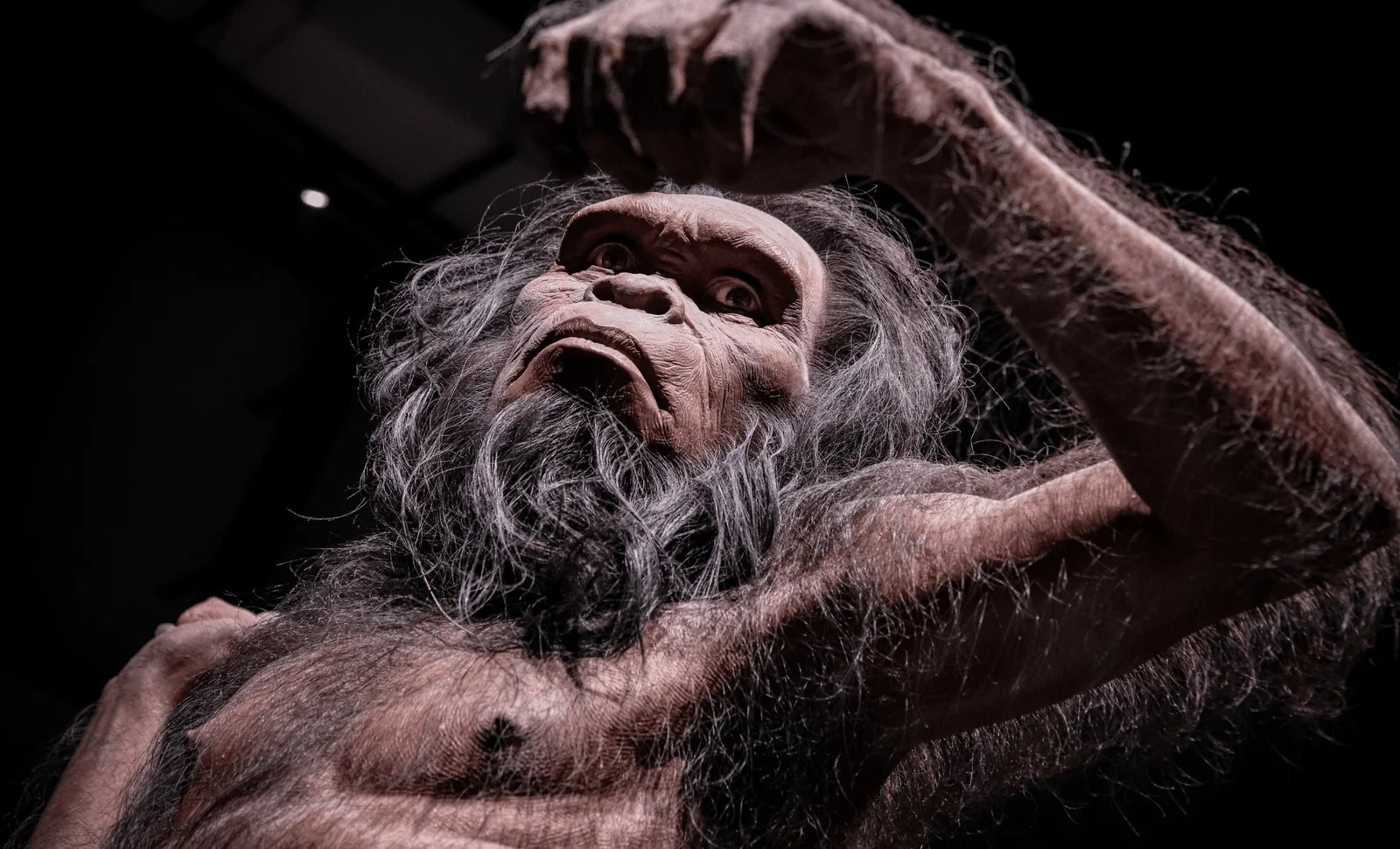
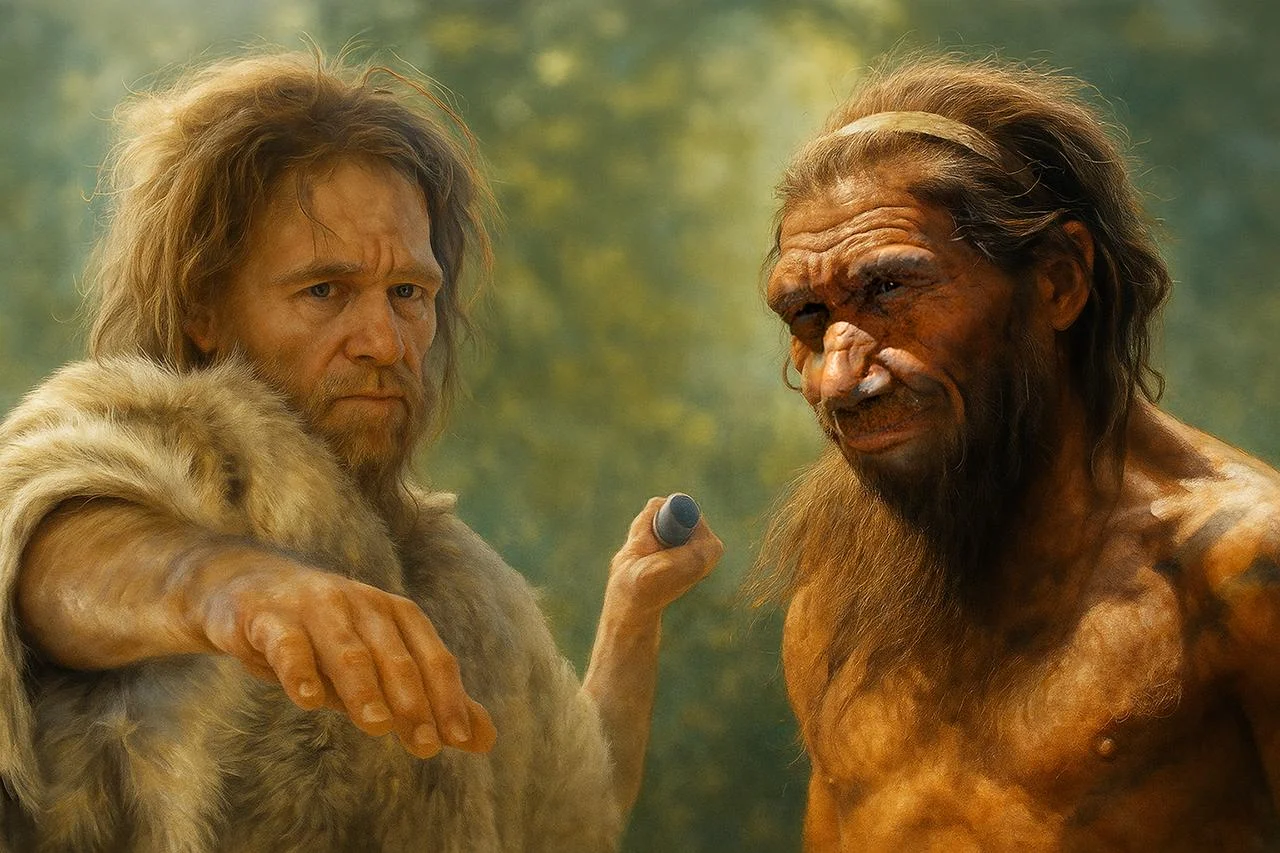
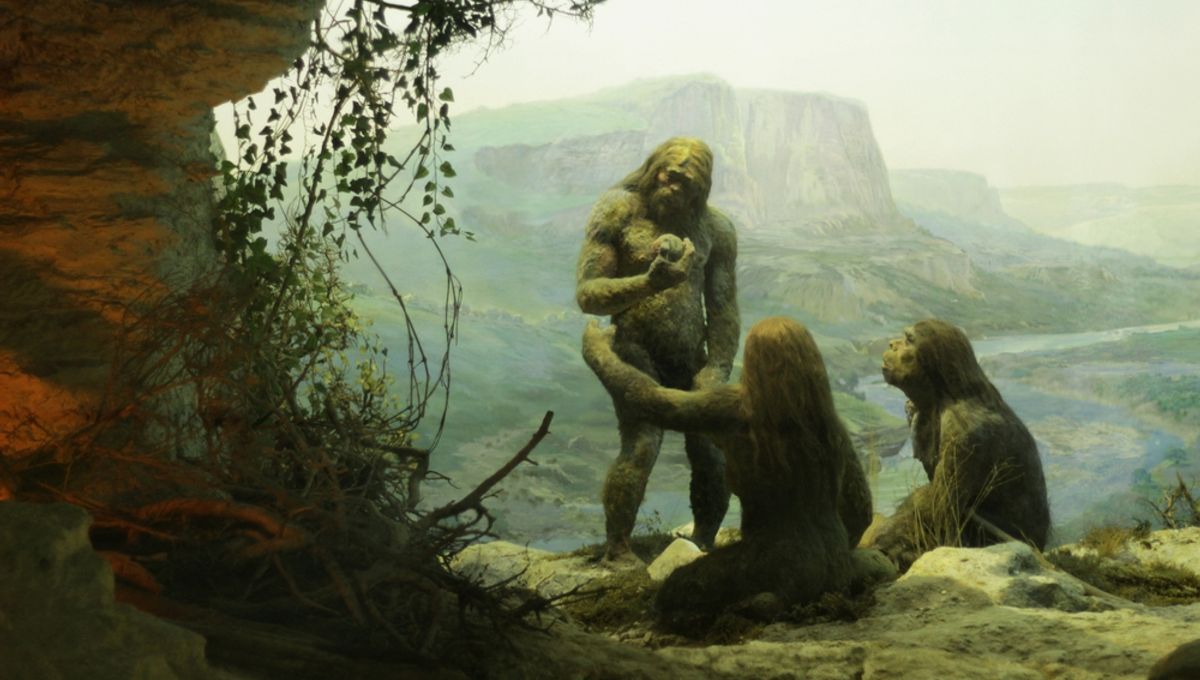
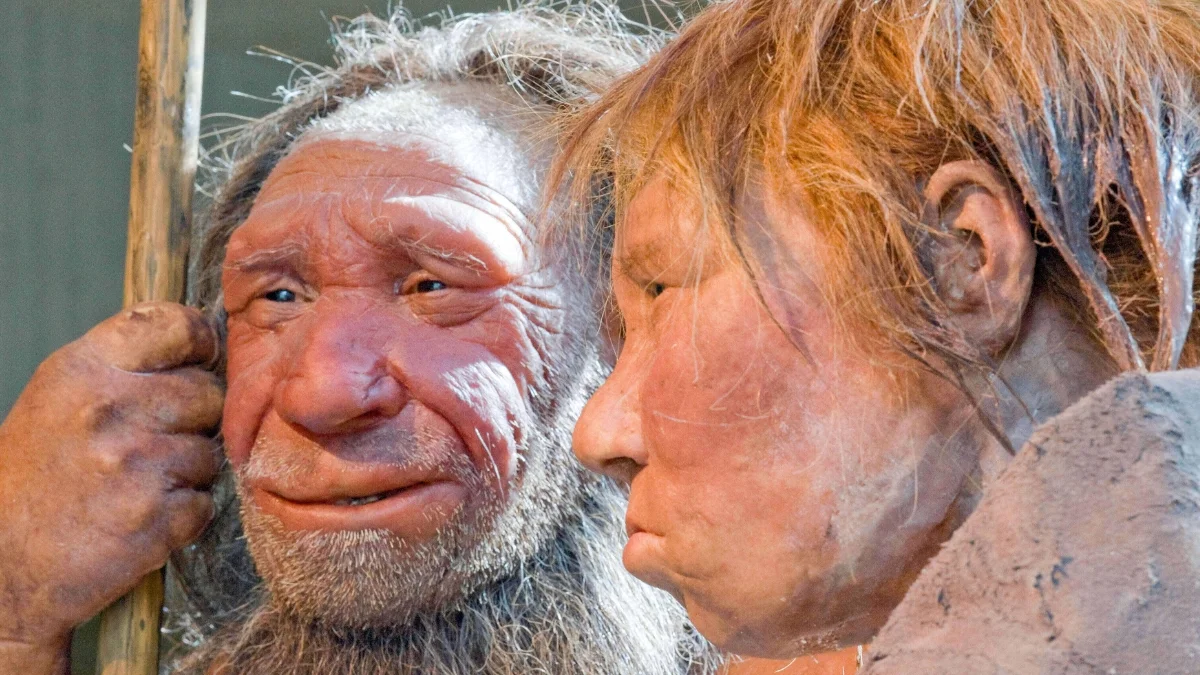
Scientists have identified the Zagros Mountains in Iran, northern Iraq, and southeastern Turkey as the likely location where Homo sapiens and Neanderthals interbred during the Late Pleistocene, supported by archaeological and genetic evidence. This interbreeding contributed 1-4% of Neanderthal DNA to non-African humans today, influencing various physical traits and health aspects.

health1 year ago

"Rising Concerns as Zombie Deer Disease Spreads to Humans"

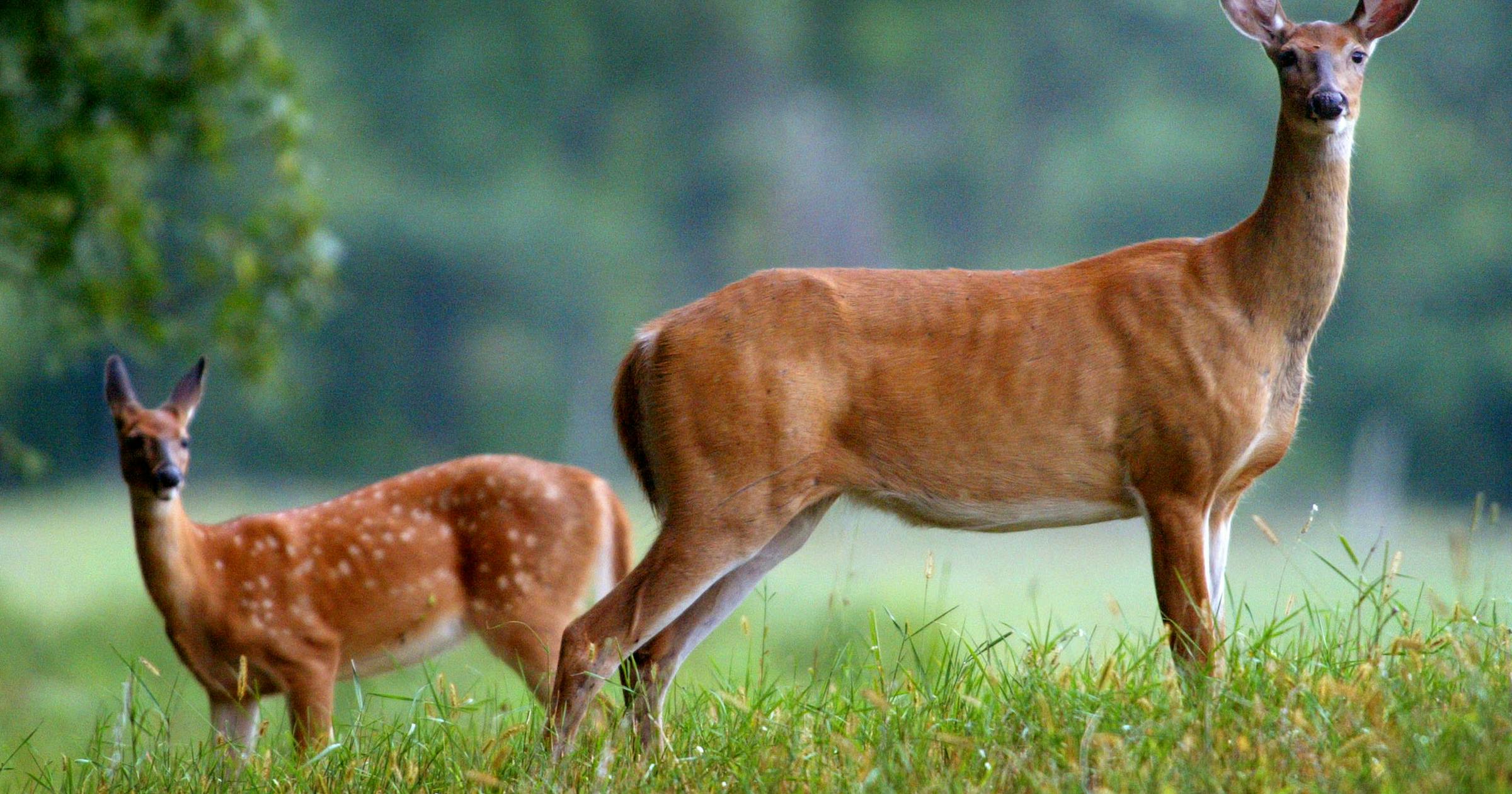
Scientists are growing concerned about the potential for chronic wasting disease (CWD) to cross over from deer to humans, as studies have shown that non-human primates can contract the disease. CWD, a neurological disorder similar to mad cow disease, has been found in deer, elk, and moose in 26 U.S. states and three Canadian provinces. While there is currently no evidence that CWD can infect humans, experts are urging caution and further research to understand the potential risks to public health.

animals2 years ago

The World's Deadliest Animals: A Global Ranking

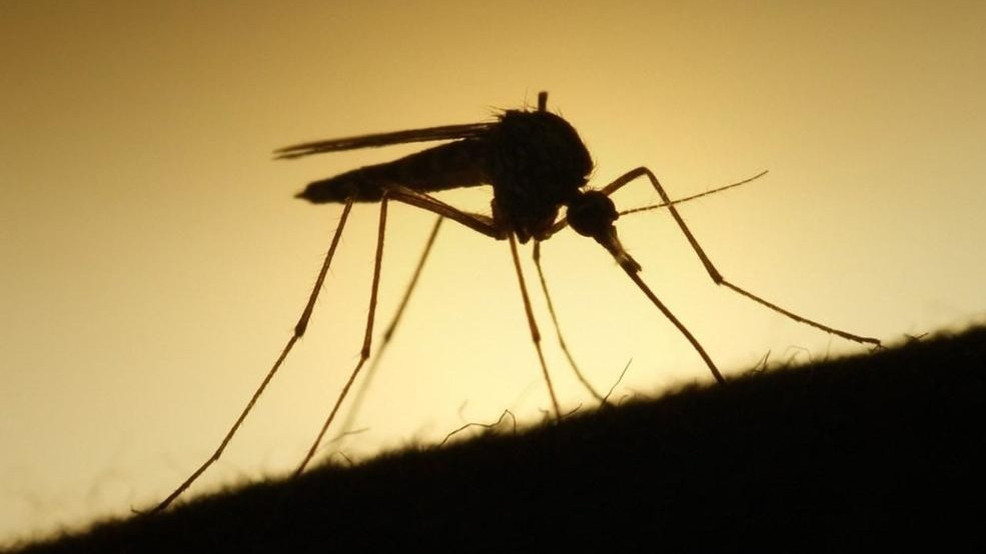
Mosquitos are the most dangerous animals in the world, responsible for transmitting diseases that cause between 725,000 and 1,000,000 deaths annually. Humans come in second, with an estimated 56 million deaths per year, including intentional homicides, unintentional violent deaths, and deaths from war and terrorism. Dogs, saltwater crocodiles, and hippos also make the list of dangerous animals due to their potential for attacking and killing humans.

archaeology2 years ago

Ancient Footprints in New Mexico Rewrite History of Human Arrival in America

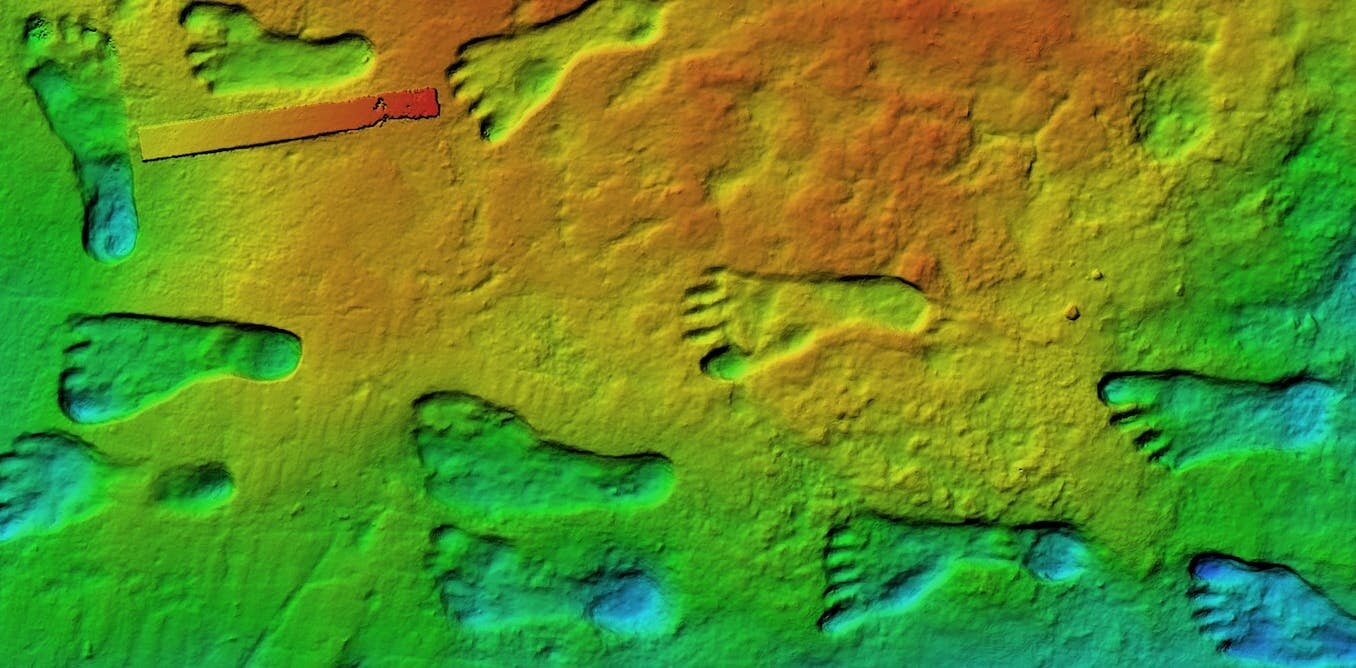
New research using radiocarbon dating and flow cytometry techniques has confirmed that humans settled in America approximately 23,000 years ago, 7,000 years earlier than previously thought. Fossil footprints found in New Mexico were dated to the last Ice Age, challenging the belief that humans arrived in North America as the ice sheets were melting. The study also addressed criticisms of the radiocarbon dating by analyzing pollen grains and using optically stimulated luminescence dating, both of which supported the earlier dates. The findings provide new insights into the prehistory of America and the migration patterns of early humans.

wildlife-conservation2 years ago

The Terrifying Power of Human Voices in the African Savannah

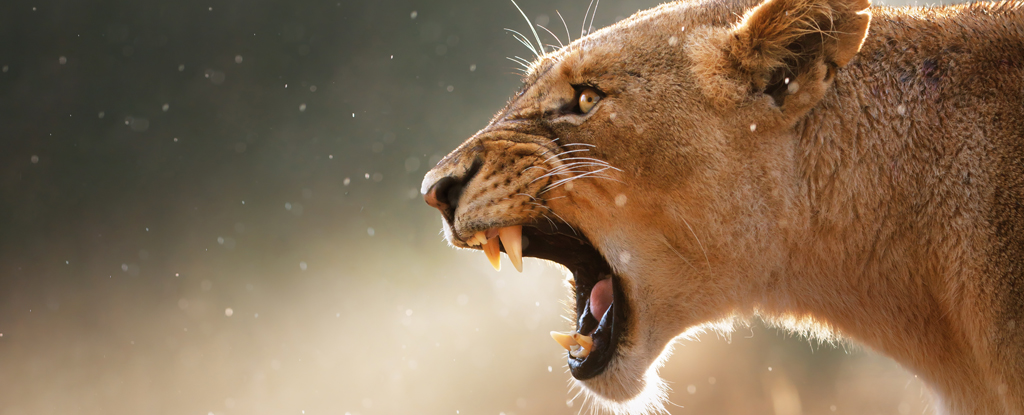
In a study conducted in South Africa's Greater Kruger National Park, researchers found that mammals in the African savannah are more afraid of human vocalizations than the sounds of lions or hunting. The fear of humans is deeply ingrained in these animals, causing them to abandon waterholes when they hear human conversations. This fear poses a threat to the already dwindling populations of many savannah species. However, conservation biologists hope to use this knowledge to protect endangered species by playing human conversations in areas with known poaching activities.

science2 years ago

The Battle of Limbs: Debating the Importance of Legs vs. Arms

The importance of legs versus arms depends on the species. For humans, legs are crucial for mobility and survival, while arms are less essential. However, individuals with amputations have shown that it is possible to thrive without certain limbs. In the case of Tyrannosaurus rex, their small arms were likely a result of evolution prioritizing their large heads and jaws. For birds, wings are vital for flight and are often the largest part of their bodies. Flightless birds may reduce their front limbs, except for swimming purposes. Some species, like snakes and worms, have evolved to be limbless, as it allows them to catch prey or move more efficiently.

entertainment2 years ago

"New Pics: Humans Being Humans in 26 Confusing Moments and Creepy Design Fails in 40 Images"

A Facebook page called "Humans Doing Human Things" shares pictures of people on their most bizarre missions, as well as perfect-timing-like shots that cover some top-tier surprising moments. The incongruity theory is arguably one of the main reasons why we find certain unexpected things funny. Laughing together with their loved ones or even people they’ve just met, for that matter, is seemingly a common human thing humans do.

health2 years ago

Humans Linked to Spread of Cat Parasite Toxoplasmosis

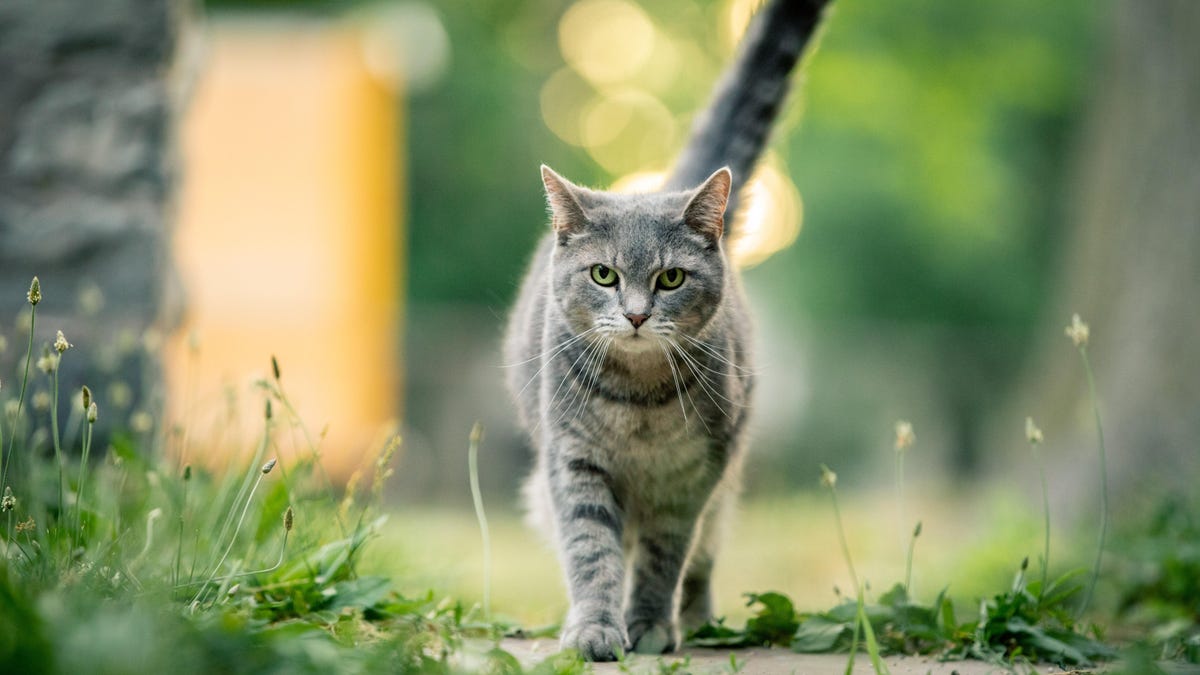
Humans living in densely populated areas could be contributing to the spread of the mind-altering parasite Toxoplasma gondii, which is carried by cats. The parasite infects rodents and manipulates their behavior to make them more vulnerable to being eaten by cats, which then excrete the parasite's eggs in their feces. Humans can become infected with the parasite, which can cause toxoplasmosis and affect behavior and brain health. The study found a clear association between higher human population density and greater rates of T. gondii in the environment. The authors suggest managing free-ranging domestic cats to lower the burden of environmental oocysts.

science2 years ago

Reproductive Inequality: Humans vs. Other Species

A new study suggests that humans are not exceptional when it comes to reproductive inequality compared to other mammals. The study, which looked at the numbers of offspring produced by males, found that humans resemble mammals that live in monogamous partnerships and cooperative breeders. The researchers also found that polygynous societies tend to have greater reproductive egalitarianism for women. Monogamous mating can drive significant inequalities among women, particularly in agricultural and market economies. The study highlights the critical importance of biparental care in humans, which is why we don't show the huge reproductive variability seen in some of the great apes.

biology2 years ago

The Self-Domestication of Wild African Elephants: Insights into Complex Emotions.

A study by biologists and linguists from various universities suggests that wild African elephants may have self-domesticated, similar to humans and bonobos. The researchers compared 20 characteristics of self-domestication between the three species and found many similarities, including increased playfulness, social behavior, and shorter jaws. They also identified 79 genes associated with domestication in the genomes of wild African elephants, indicating that they have self-domesticated over time. The study suggests that other species may have also self-domesticated.