Tag

Apes

All articles tagged with #apes

Did Baby Babbling Spark Human Language?

Originally Published 6 months ago — by The New York Times

Featured image for Did Baby Babbling Spark Human Language?
Source: The New York Times

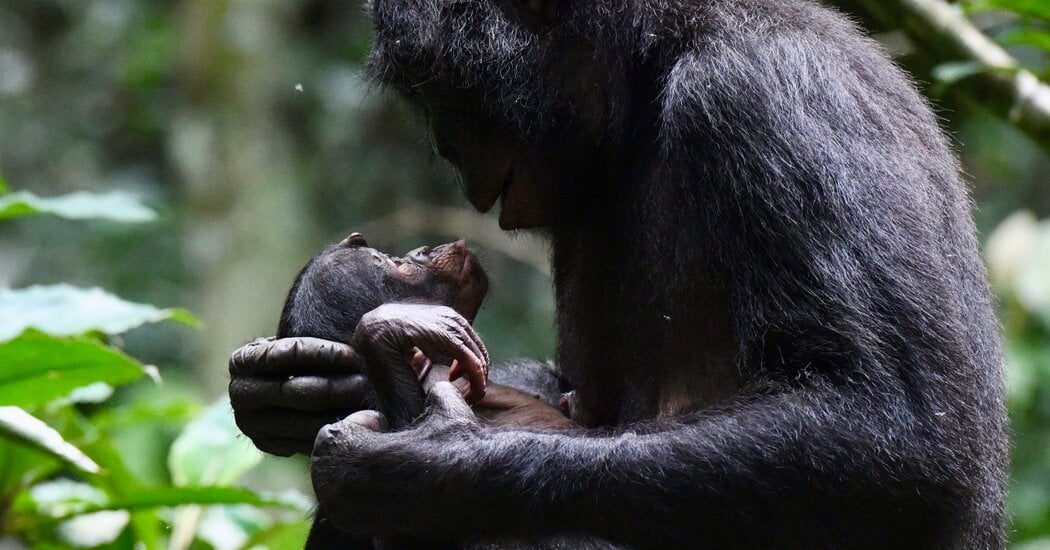
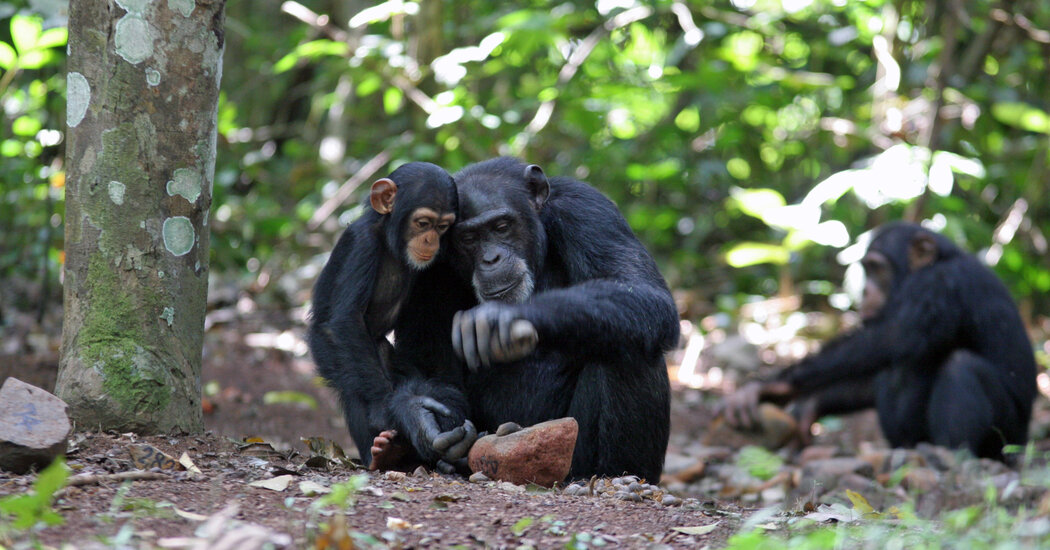
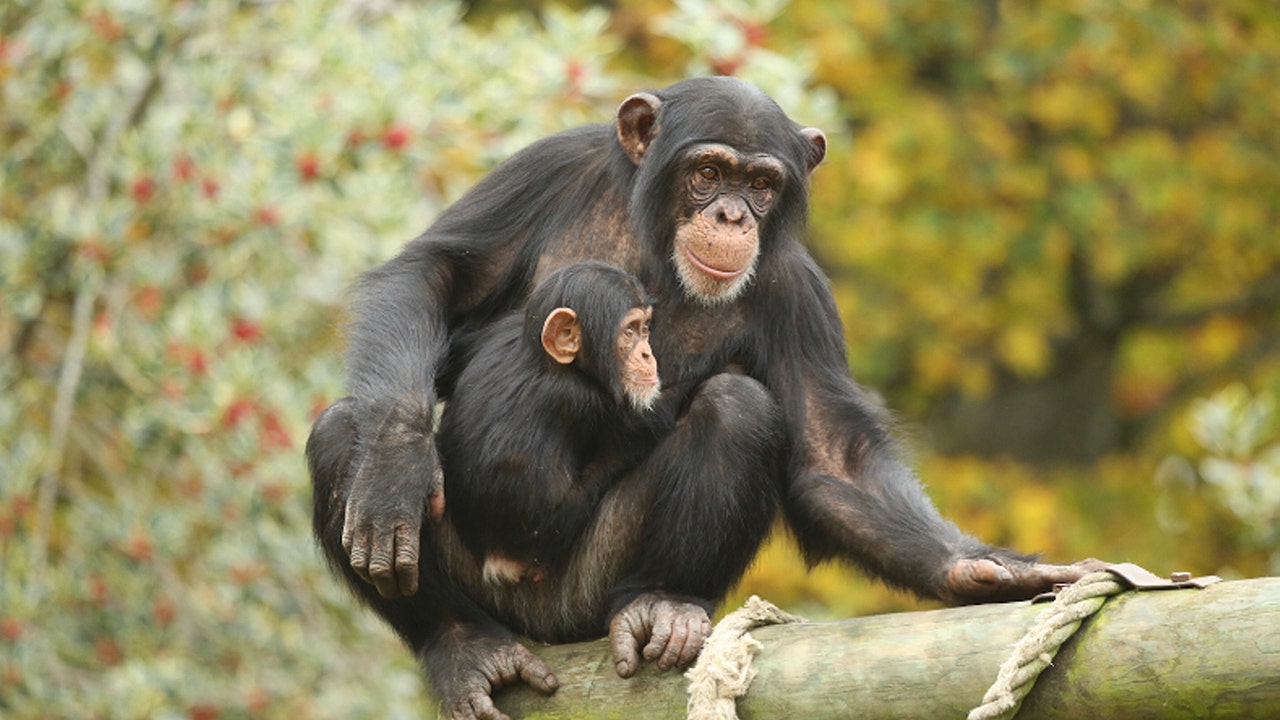
A study comparing communication between human children and apes suggests that the unique and frequent infant-directed speech in humans may have played a crucial role in the evolution of language, with humans engaging in much more frequent and elaborate communication with their young than apes do.

"The Genetic Mystery of Human Tail Loss Unraveled"

Originally Published 1 year ago — by NBC News

Featured image for "The Genetic Mystery of Human Tail Loss Unraveled"
Source: NBC News

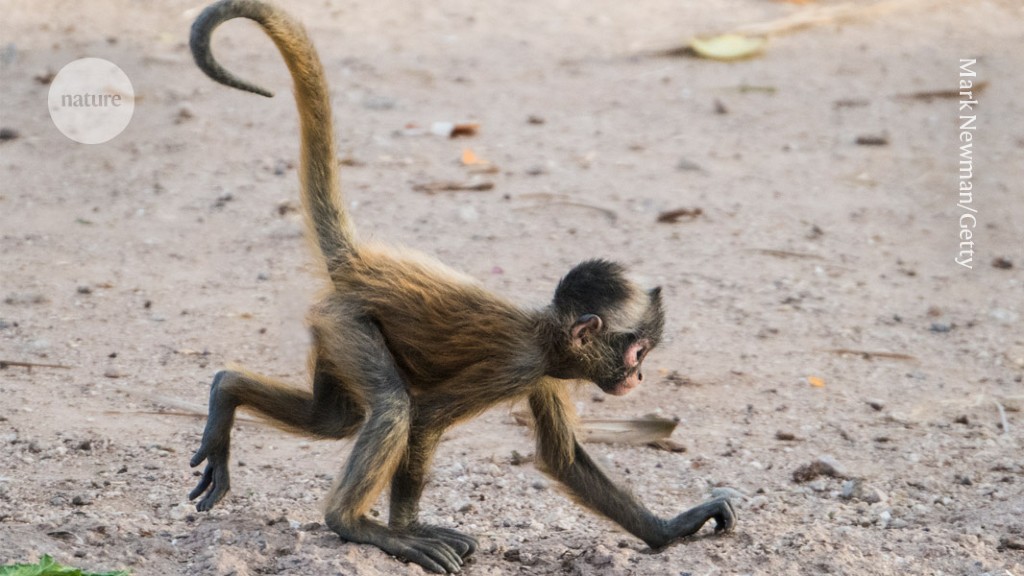
Researchers have identified a genetic mutation that led to the loss of tails in apes, including humans, around 20-25 million years ago. Using CRISPR, they replicated the mutation in mice, resulting in tailless offspring. The reason for this evolutionary change remains a mystery, with theories suggesting it may have provided an advantage for survival or facilitated the transition to upright walking.

The Evolutionary Mystery of Human Tail Loss Unraveled

Originally Published 1 year ago — by Nature.com

Featured image for The Evolutionary Mystery of Human Tail Loss Unraveled
Source: Nature.com

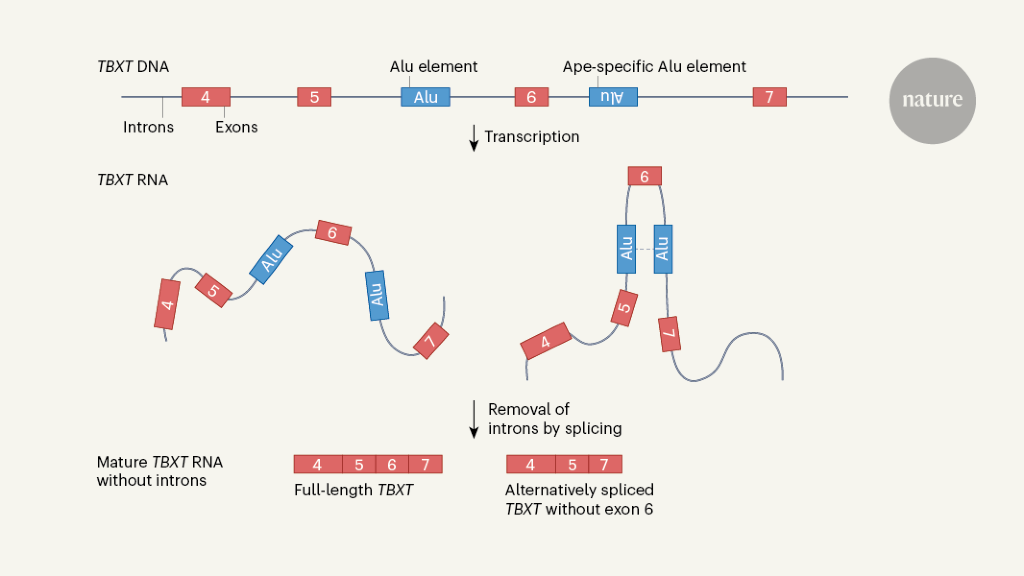
After 2.5 years, researchers have identified a genetic change shared by humans and other apes that might have contributed to their ancestors’ tail loss some 25 million years ago. The study involved developing several strains of gene-edited mice to demonstrate the genetic changes' effects, leading to the publication delay. The findings suggest that a DNA insertion in the TBXT gene can lead to shortened or absent tails in mice, shedding light on the genetic mechanisms behind tail loss and length reduction in apes, although it's not the only factor involved. This research provides insight into the evolution of tail loss and its potential impact on apes' ability to walk upright.

"The Genetic Mystery of Human Tail Loss Unraveled"

Originally Published 1 year ago — by Nature.com

Featured image for "The Genetic Mystery of Human Tail Loss Unraveled"
Source: Nature.com

A recent study published in Nature suggests that the insertion of a mobile genetic sequence, known as a transposable element, could be linked to the loss of tails in the common ancestor of apes, including humans. This genetic event may have influenced the distinctive characteristic of tail loss in apes and could have played a role in the evolution of upright walking.

"Great Apes Display Human-Like Humor Through Teasing, Study Finds"

Originally Published 1 year ago — by The Washington Post

Featured image for "Great Apes Display Human-Like Humor Through Teasing, Study Finds"
Source: The Washington Post

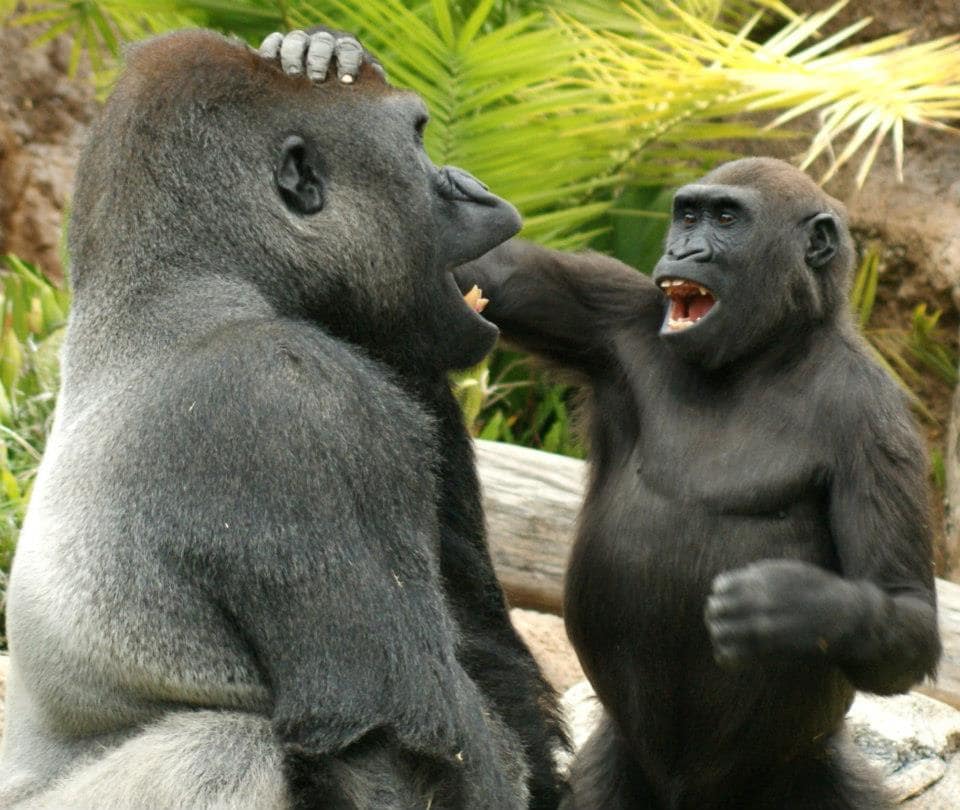
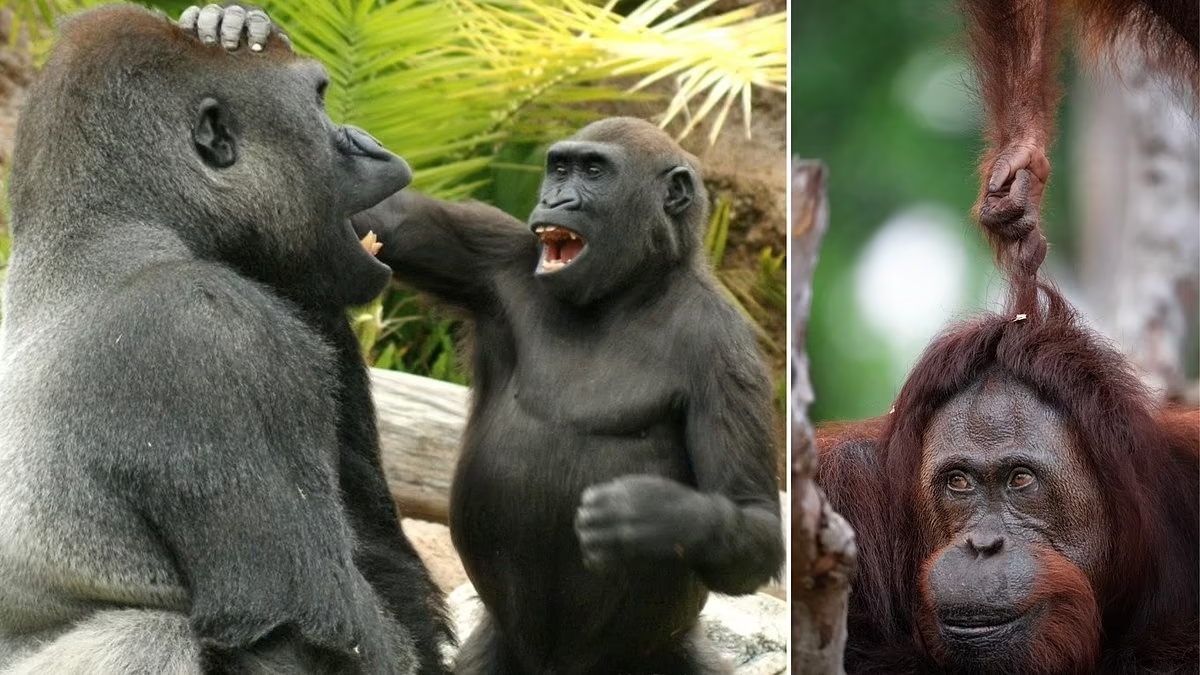
Researchers have detailed how great apes playfully tease, suggesting the human cognitive tools that help us learn humor may date back at least 13 million years. The study observed 18 different types of good-natured teasing behaviors across four species of great apes, such as poking, hitting, hindering movement, body slamming, and pulling on another's body part. Playful teasing is distinct from other play behavior and is usually one-sided, with the teaser initiating an action toward a target. This behavior is seen as entertainment and also helps juveniles better understand their social partners, providing vital information about growing up within a social group and establishing hierarchies.

"Great Apes: Masters of Teasing and Humor, Study Reveals"

Originally Published 1 year ago — by Daily Mail

Featured image for "Great Apes: Masters of Teasing and Humor, Study Reveals"
Source: Daily Mail

A study has found that great apes, including chimpanzees, bonobos, gorillas, and orangutans, engage in playful teasing behavior similar to humans, with the intention of provoking a response or attracting attention. The research suggests that this behavior may have evolved in human ancestors around 13 million years ago. By analyzing videos of juvenile apes engaging in teasing behaviors, the study provides insights into the evolutionary origins of playful teasing and its cognitive prerequisites.

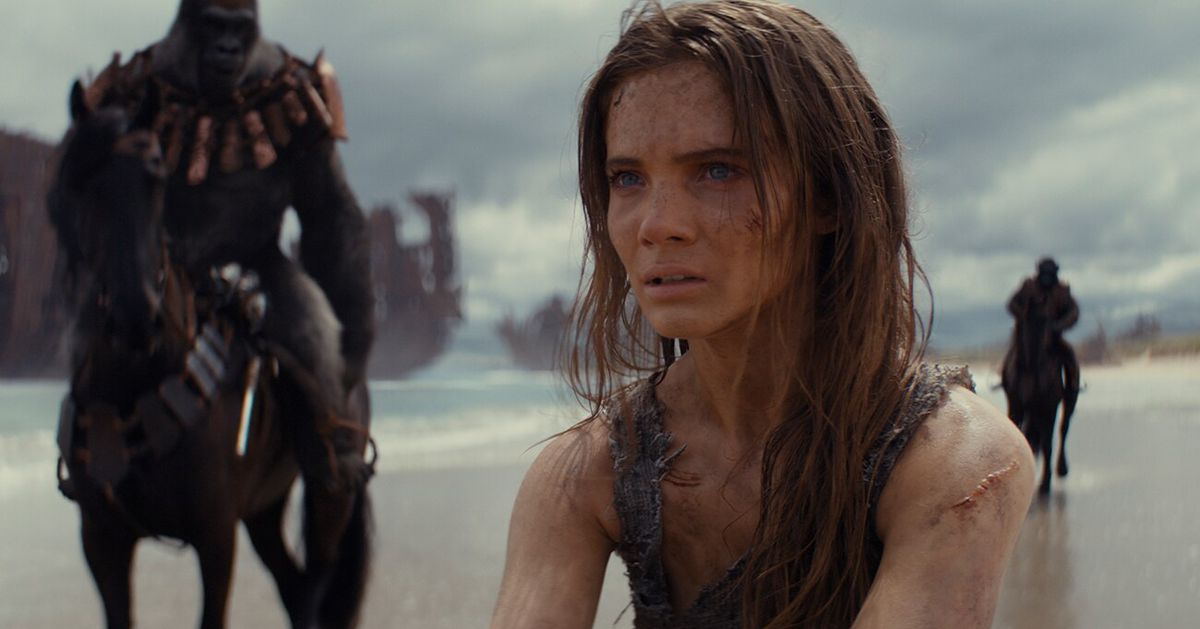
"Humanity's Descent in 'Kingdom of the Planet of the Apes' Super Bowl Trailers"

Originally Published 1 year ago — by Polygon

Featured image for "Humanity's Descent in 'Kingdom of the Planet of the Apes' Super Bowl Trailers"
Source: Polygon

"Kingdom of the Planet of the Apes," the latest installment in the franchise, is set 300 years after the last film, with apes as the dominant species and humans living in fear. The movie follows a young chimpanzee questioning the morality of hunting humans, a bonobo ruler seeking ancient human technologies, and a human with higher intelligence. Directed by Wes Ball, the film is set to release in theaters on May 10.

Primate Memory: Apes Recall Long-Lost Connections Decades Later

Originally Published 2 years ago — by The Washington Post

Featured image for Primate Memory: Apes Recall Long-Lost Connections Decades Later
Source: The Washington Post

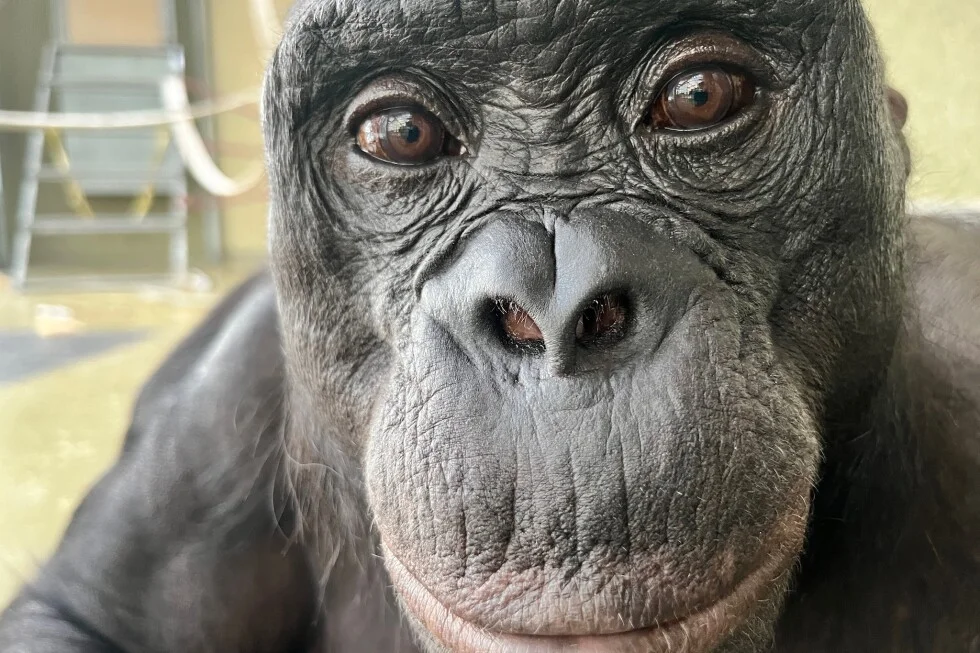
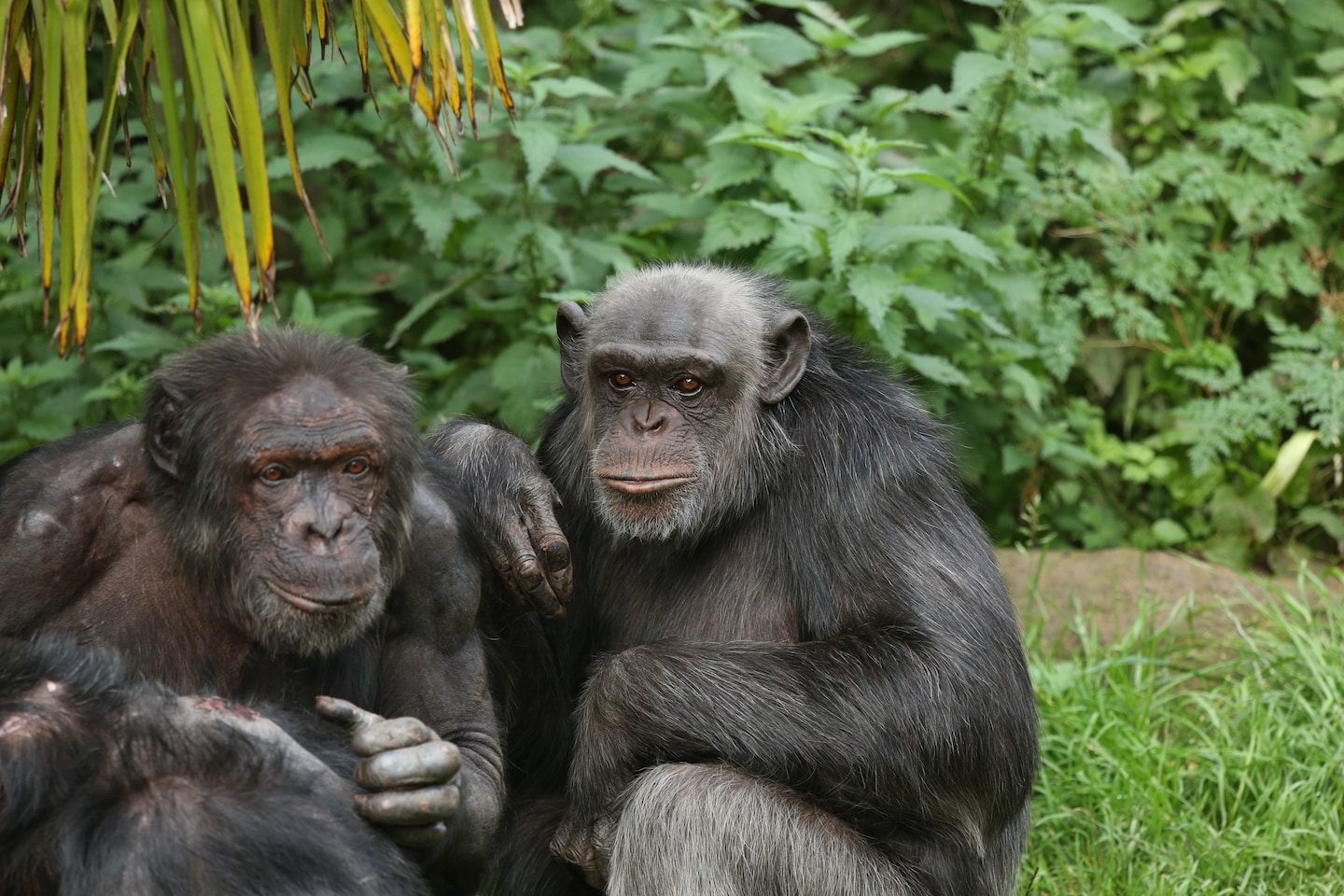
A study published in the Proceedings of the National Academy of Sciences reveals that bonobos and chimpanzees have the ability to remember old friends, family members, and groupmates even after decades of separation. The research suggests that long-term memory is a trait shared by humans, chimps, and bonobos, indicating deep evolutionary roots in complex social networks. Using eye-tracking technology, the study found that the apes showed a greater interest in images of familiar individuals compared to strangers. The results provide insight into the cognitive abilities and social relationships of our closest living relatives.

Primate Memory: Apes Recall Familiar Faces for Decades

Originally Published 2 years ago — by Fox News

Featured image for Primate Memory: Apes Recall Familiar Faces for Decades
Source: Fox News

A new study reveals that apes, including chimpanzees and bonobos, have an impressive memory, potentially surpassing that of some humans. Researchers conducted an experiment where apes were shown photos of old friends they hadn't seen in over 25 years. The apes displayed recognition and positive reactions towards familiar individuals, gazing at their images for a significantly longer time. The study suggests that apes possess cognitive mechanisms similar to humans, including long-term memory influenced by social relationships. The findings raise questions about the possibility of apes experiencing emotions associated with missing others. Further research aims to explore the nature of ape memory and its impact on their social interactions.

Apes' Remarkable Memory: Recognizing Long-Lost Friends Decades Later

Originally Published 2 years ago — by CNN

Featured image for Apes' Remarkable Memory: Recognizing Long-Lost Friends Decades Later
Source: CNN

New research has found that apes, including chimpanzees and bonobos, can recognize old friends they haven't seen for decades, marking the longest-lasting social memory documented outside of humans. The study used photographs of deceased or departed apes and found that the participating apes looked significantly longer at those they knew, regardless of the time that had passed since their last interaction. The research suggests that apes' social memory could extend beyond 26 years and may be comparable to humans. The study highlights the importance of conservation efforts and raises questions about the possibility of apes missing their loved ones. Future research will explore if apes can recognize former friends in their current appearance and investigate social memory in other primates.

"Kingdom of the Planet of the Apes: A Thrilling Sci-Fi Saga Unfolds"

Originally Published 2 years ago — by CNN

Featured image for "Kingdom of the Planet of the Apes: A Thrilling Sci-Fi Saga Unfolds"
Source: CNN

The teaser trailer for "Kingdom of the Planet of the Apes," the fourth film in the "Planets of the Apes" revival series, has been released. Set for release in spring 2024, the movie takes place after the death of Caesar in the previous film and depicts a world where apes are now dominant over humans. The cast includes Milliam H. Macy, Owen Teague, Kevin Durand, Freya Allen, and Peter Macon. Directed by Wes Ball, the film was shot in Sydney, Australia, and wrapped in February 2023.

Unveiling the Appearance of the Last Common Ancestor between Humans and Apes

Originally Published 2 years ago — by Livescience.com

Featured image for Unveiling the Appearance of the Last Common Ancestor between Humans and Apes
Source: Livescience.com

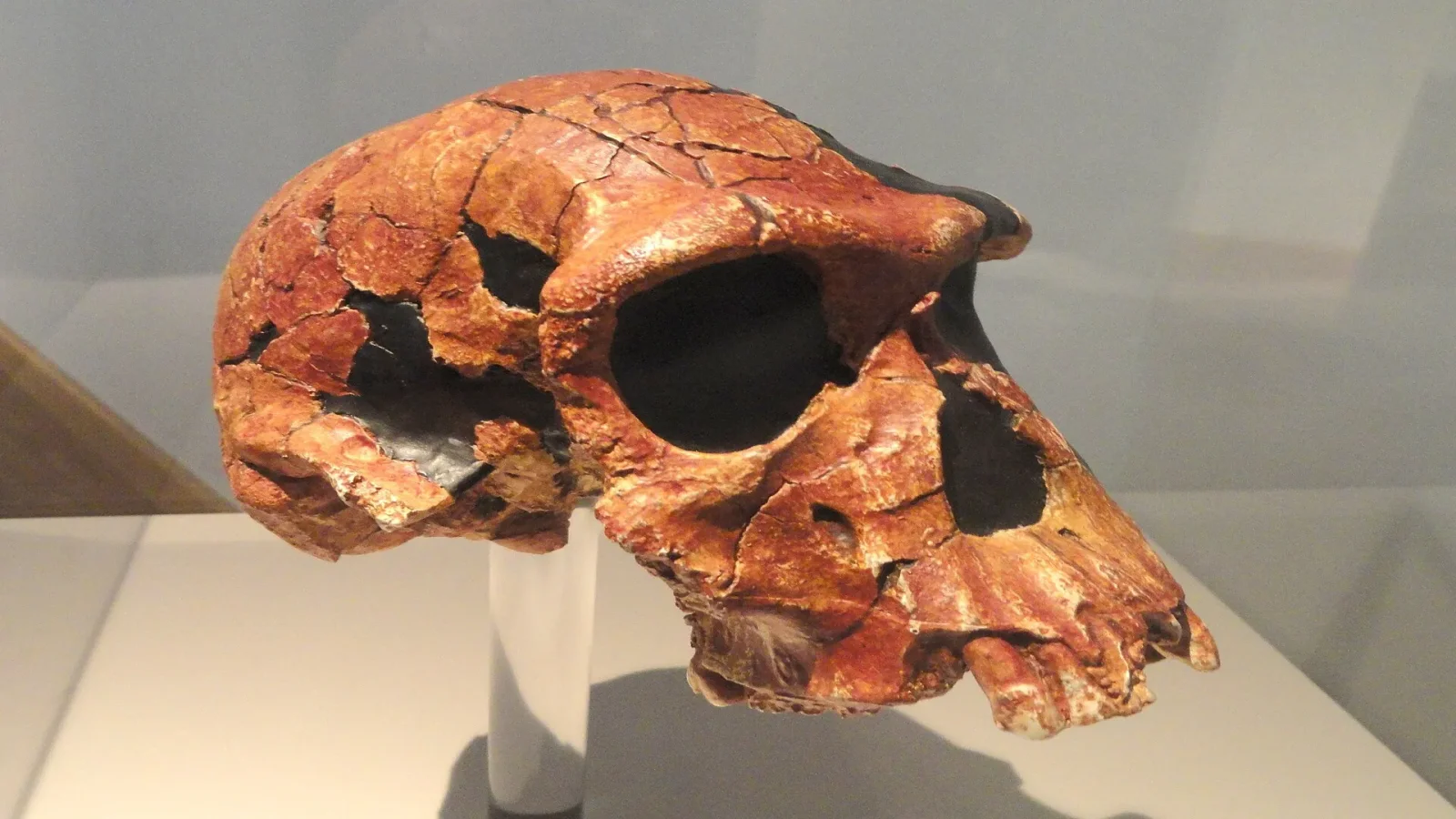
Scientists have limited information about the appearance of the last common ancestor (LCA) between humans and apes, as there are no remains of this creature. However, based on available evidence, the LCA likely resembled modern gorillas and chimpanzees in terms of size, head shape, and limb structure. It was probably a quadrupedal animal that climbed trees and had a smaller brain size compared to humans. The LCA may have had long, curved finger bones and walked with its heels touching the ground, similar to modern apes. Further fossil discoveries are needed to gain a clearer understanding of the LCA's appearance.

Rethinking Ape Evolution: Wooded Grasslands in Africa 21 Million Years Ago.

Originally Published 2 years ago — by Phys.org

Featured image for Rethinking Ape Evolution: Wooded Grasslands in Africa 21 Million Years Ago.
Source: Phys.org

New research challenges the traditional narrative that the evolution of apes and humans was driven by the expansion of grasslands in Africa. A multidisciplinary team of scientists has found evidence that the earliest known ape with upright locomotion, Morotopithecus, consumed leaves and inhabited an open woodland with grassy areas. The team discovered that wooded grasslands existed in Africa 21 million years ago, much earlier than previously thought, and that the ecological signal measured at Moroto was part of a broader pattern in eastern Africa during this time. The findings call for a reassessment of the evolution of apes, humans, and other African mammals.

"Grassland Theory Challenges Traditional Views on Human Evolution"

Originally Published 2 years ago — by The Times

Featured image for "Grassland Theory Challenges Traditional Views on Human Evolution"
Source: The Times

The theory that ancient apes first adopted an upright posture while living high in the canopies of dense forests may have to be rewritten after a new study challenges the idea. The research suggests that the east African home of these apes was not a dense forest, but rather a grassland. This reappraisal of when Africa gained its earliest grasslands could change the story of how our distant ancestors first came to stand upright.