Tag

Deer

All articles tagged with #deer

Louisiana Declares Emergency After Chronic Wasting Disease Detected in Concordia Parish Deer

Originally Published 1 day ago — by WBRZ

Featured image for Louisiana Declares Emergency After Chronic Wasting Disease Detected in Concordia Parish Deer
Source: WBRZ

The Louisiana Department of Wildlife and Fisheries declared an emergency after detecting chronic wasting disease in a deer in Concordia Parish, affecting multiple parishes with restrictions on baiting, feeding, and carcass transport to prevent the spread of this fatal disease.

Chronic Wasting Disease Spreads Further in Tennessee

Originally Published 24 days ago — by WTVC

Featured image for Chronic Wasting Disease Spreads Further in Tennessee
Source: WTVC

Chronic wasting disease (CWD) in Tennessee whitetail deer is spreading eastward, with the first positive test in Wayne County confirming its presence in 20 counties. The Tennessee Wildlife Resources Agency maintains restrictions on carcass movement and feeding within the CWD Management Zone to control its spread, and hunters are encouraged to participate in testing programs to aid surveillance efforts.

Infectious Diseases Threaten Deer and Rural Economies in the US

Originally Published 2 months ago — by The Guardian

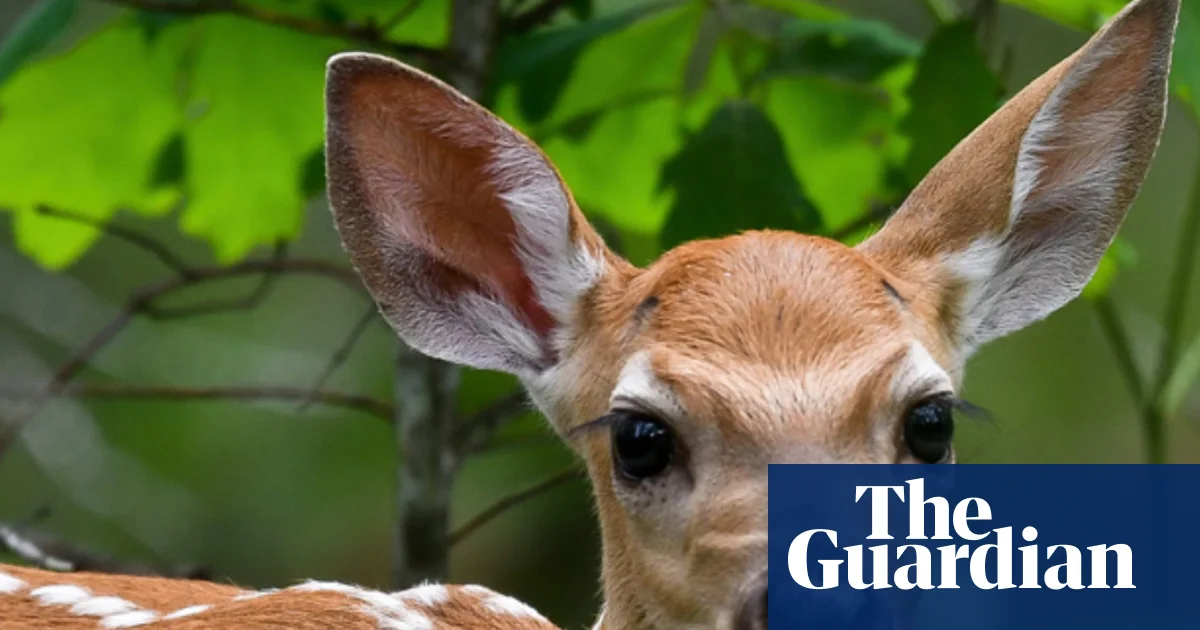
Featured image for Infectious Diseases Threaten Deer and Rural Economies in the US
Source: The Guardian

In Ohio and the Midwest, infectious diseases like chronic wasting disease and epizootic hemorrhagic disease are causing significant deer mortality, threatening local economies dependent on hunting tourism and raising concerns about environmental and public health impacts, although the broader deer population remains resilient.

Multiple States Detect 'Zombie Deer Disease' in Wildlife

Originally Published 2 months ago — by Bored Panda

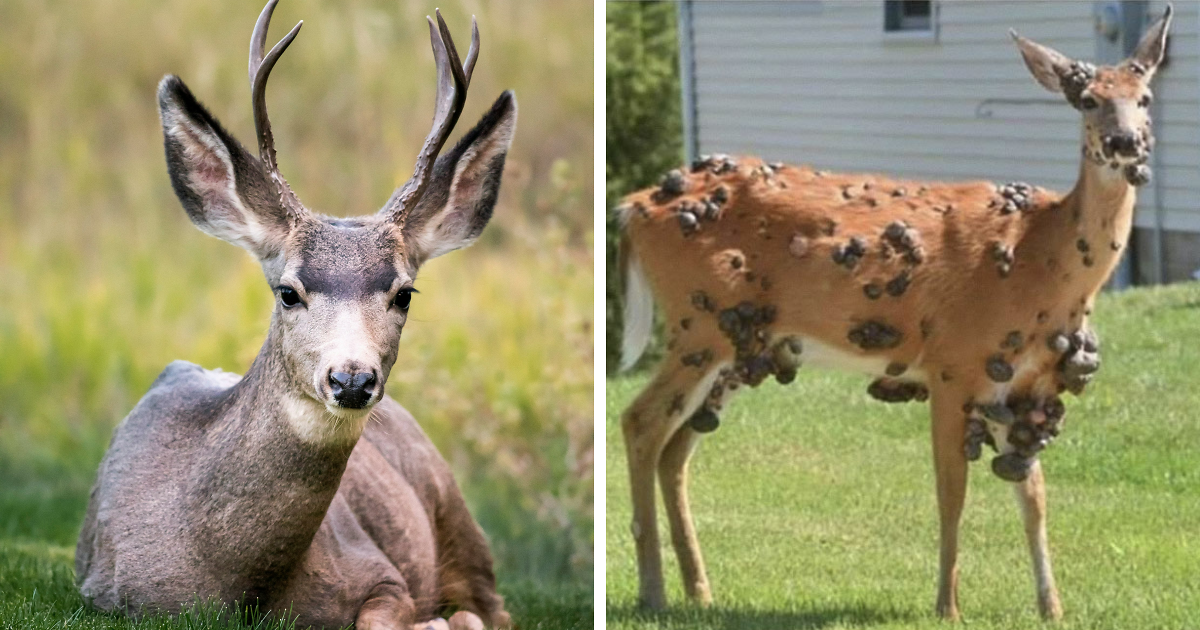
Featured image for Multiple States Detect 'Zombie Deer Disease' in Wildlife
Source: Bored Panda

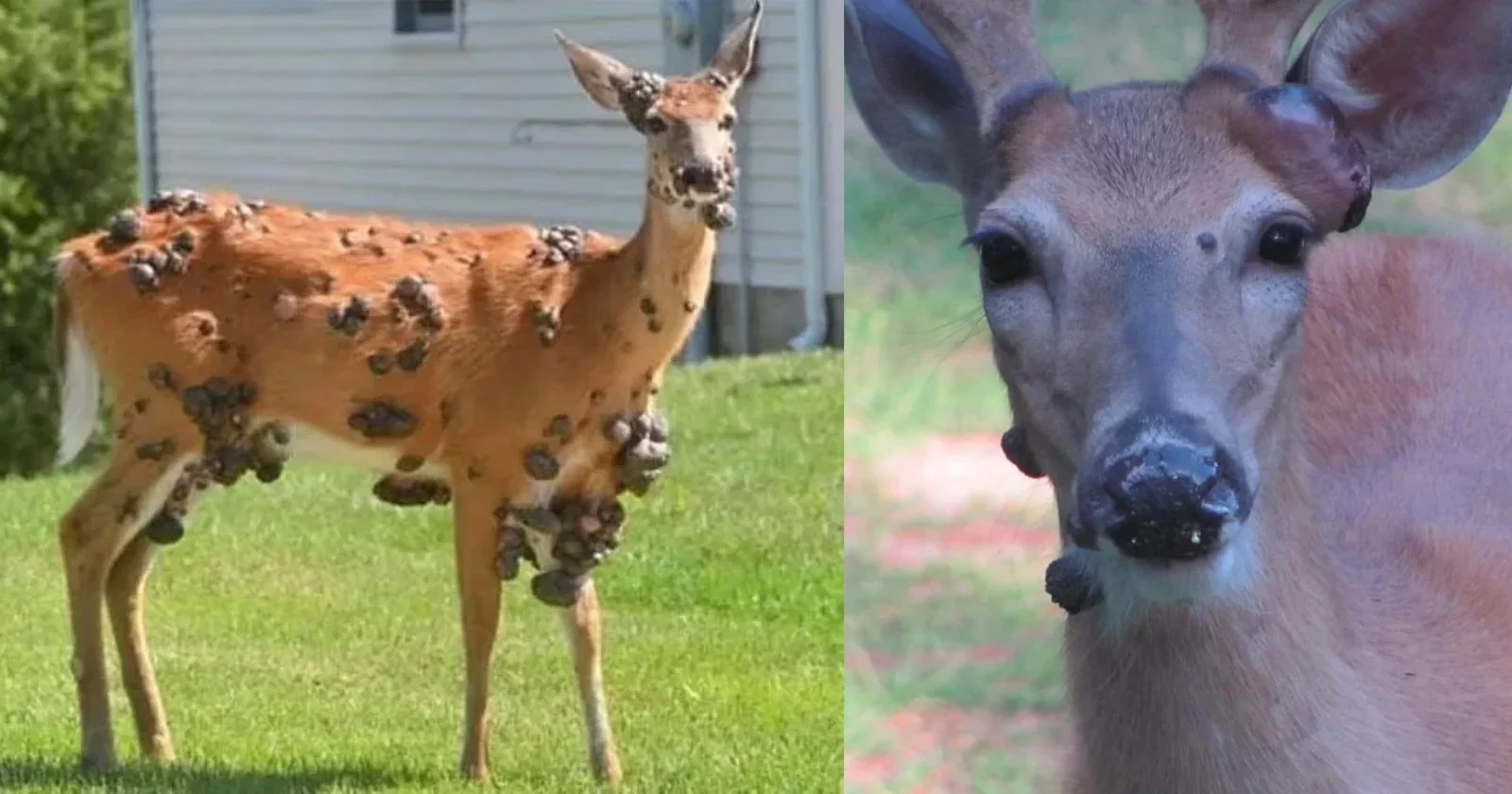
Florida has detected its second case of Chronic Wasting Disease (CWD) in a deer near the Georgia border, prompting a disease response plan. CWD is a fatal neurodegenerative disease affecting deer and related species, with no known cure or vaccine, and is being addressed through federal research funding. The disease has garnered public attention and misinformation, with some confusing it with harmless skin growths called fibromas, often called 'zombie deer'.

Viral Deer Disease Spreads Across Multiple Counties, Authorities Urge Public Vigilance

Originally Published 4 months ago — by WKBN.com

Featured image for Viral Deer Disease Spreads Across Multiple Counties, Authorities Urge Public Vigilance
Source: WKBN.com

The Pennsylvania Gaming Commission reports outbreaks of epizootic hemorrhagic disease (EHD) in deer across Mercer, Lawrence, Butler, and Erie counties, caused by infected midges, with no current treatments available. The bluetongue virus (BT) also affects deer, causing severe symptoms and potential death, but some deer survive with chronic issues. Domestic livestock can also be affected, and wildlife populations typically recover within a few years.

Hemorrhagic Disease Outbreaks Affect Deer in Multiple States

Originally Published 4 months ago — by The MoCo Show -

Featured image for Hemorrhagic Disease Outbreaks Affect Deer in Multiple States
Source: The MoCo Show -

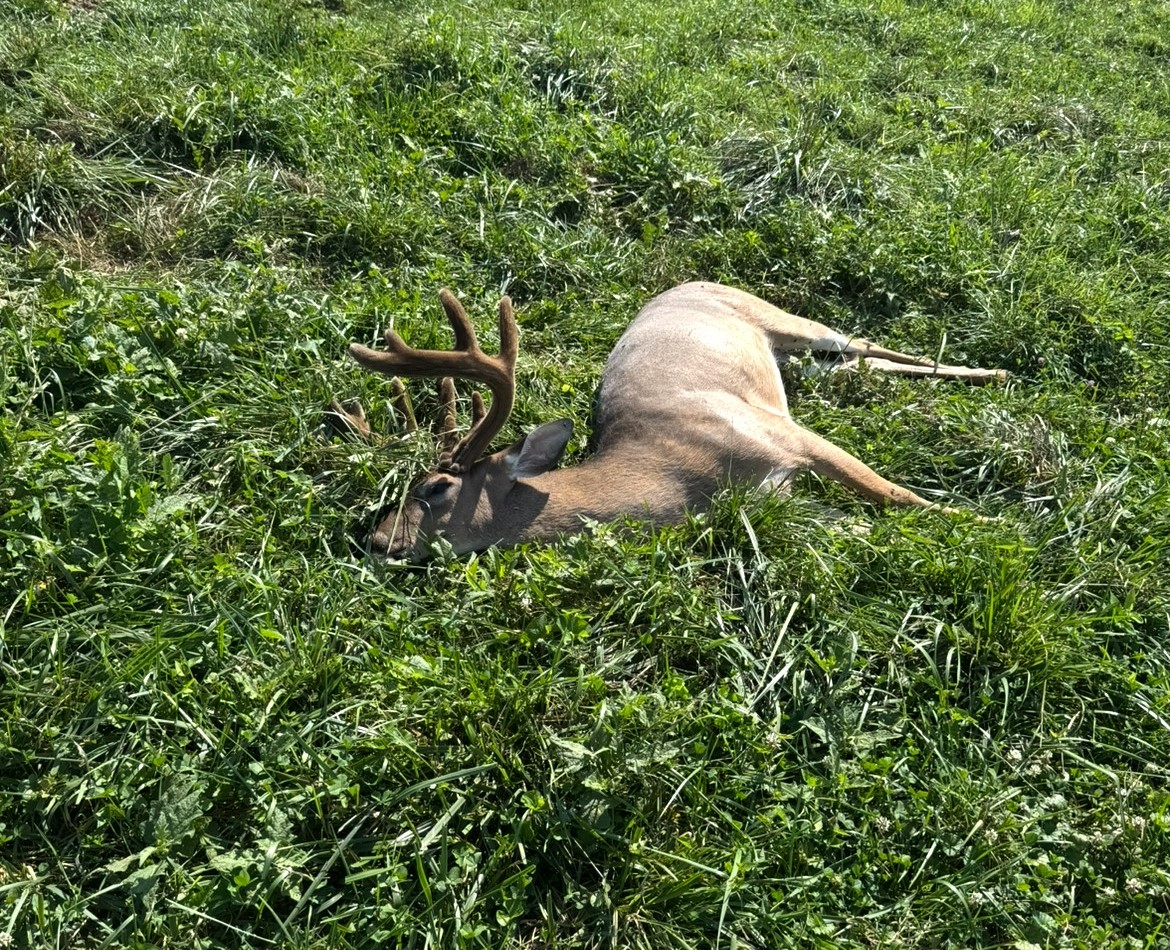
Several counties in Maryland are experiencing an outbreak of Epizootic Hemorrhagic Disease (EHD) among white-tailed deer, caused by a virus transmitted through midges, with no threat to humans. The disease is common annually and typically resolves with the onset of cold weather, and affected deer should not be consumed if they have open sores. Authorities advise reporting sick or dead deer to local wildlife offices.

EHD Detected in Deer Across Four Michigan Counties

Originally Published 4 months ago — by woodtv.com

Featured image for EHD Detected in Deer Across Four Michigan Counties
Source: woodtv.com

The Michigan Department of Natural Resources has confirmed the first cases of epizootic hemorrhagic disease (EHD) in deer for 2025, found in four counties including West Michigan, with the disease being transmitted through midge bites and not contagious to humans or pets. EHD is often fatal but deer can develop immunity, and the DNR advises reporting suspected cases and consuming healthy-appearing venison. The disease tends to appear late summer to early fall, especially after wet springs and hot, dry summers.

Michigan reports first deer hemorrhagic disease cases of 2025 in four counties

Originally Published 4 months ago — by MLive.com

Featured image for Michigan reports first deer hemorrhagic disease cases of 2025 in four counties
Source: MLive.com

Michigan has reported its first cases of epizootic hemorrhagic disease (EHD) in deer for 2025, confirmed in four counties, with the disease transmitted by biting flies and not affecting humans or pets. The outbreak is typical for late summer and early fall, with localized impacts on deer populations, but no long-term threat to overall deer numbers.

EHD Outbreaks Spread Across Midwest and Ohio River Regions

Originally Published 4 months ago — by WV MetroNews

Featured image for EHD Outbreaks Spread Across Midwest and Ohio River Regions
Source: WV MetroNews

An outbreak of Epizootic Hemorrhagic Disease (EHD) has been confirmed in deer across several counties in West Virginia's Mid-Ohio Valley, caused by infected midges, with the outbreak likely to end with the first frost killing the midges. The disease has resulted in multiple deer deaths, but some animals survive and develop immunity.

Mutant Deer with Flesh Bubbles Sparks US Outbreak Fears

Originally Published 4 months ago — by UNILAD

Featured image for Mutant Deer with Flesh Bubbles Sparks US Outbreak Fears
Source: UNILAD

A recent surge in deer with flesh bubbles in the US is caused by deer fibroma, a virus that results in wart-like growths, likely exacerbated by climate change. These conditions are not contagious to humans and typically resolve on their own, though severe cases may require euthanasia. The rise in such animal mutations is linked to warmer weather enabling disease-carrying ticks and mosquitoes to thrive.