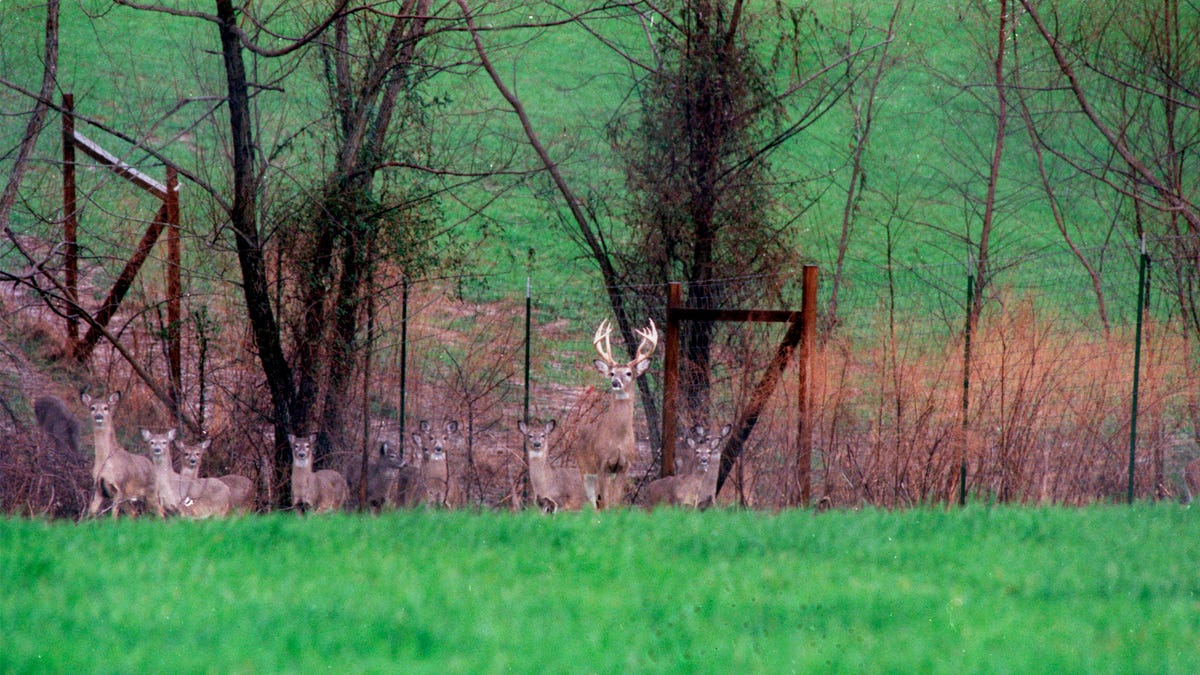
The Louisiana Department of Wildlife and Fisheries declared an emergency after detecting chronic wasting disease in a deer in Concordia Parish, affecting multiple parishes with restrictions on baiting, feeding, and carcass transport to prevent the spread of this fatal disease.
Chronic wasting disease (CWD) in Tennessee whitetail deer is spreading eastward, with the first positive test in Wayne County confirming its presence in 20 counties. The Tennessee Wildlife Resources Agency maintains restrictions on carcass movement and feeding within the CWD Management Zone to control its spread, and hunters are encouraged to participate in testing programs to aid surveillance efforts.
The N.C. Wildlife Resources Commission is investigating a potential case of Chronic Wasting Disease in a deer in Edgecombe County, North Carolina, with testing underway to confirm the diagnosis. If confirmed, it would be the 35th case in the state since 2022. Hunters are advised to take precautions when handling and disposing of deer carcasses, and to submit samples for testing, as the disease can spread among deer populations.
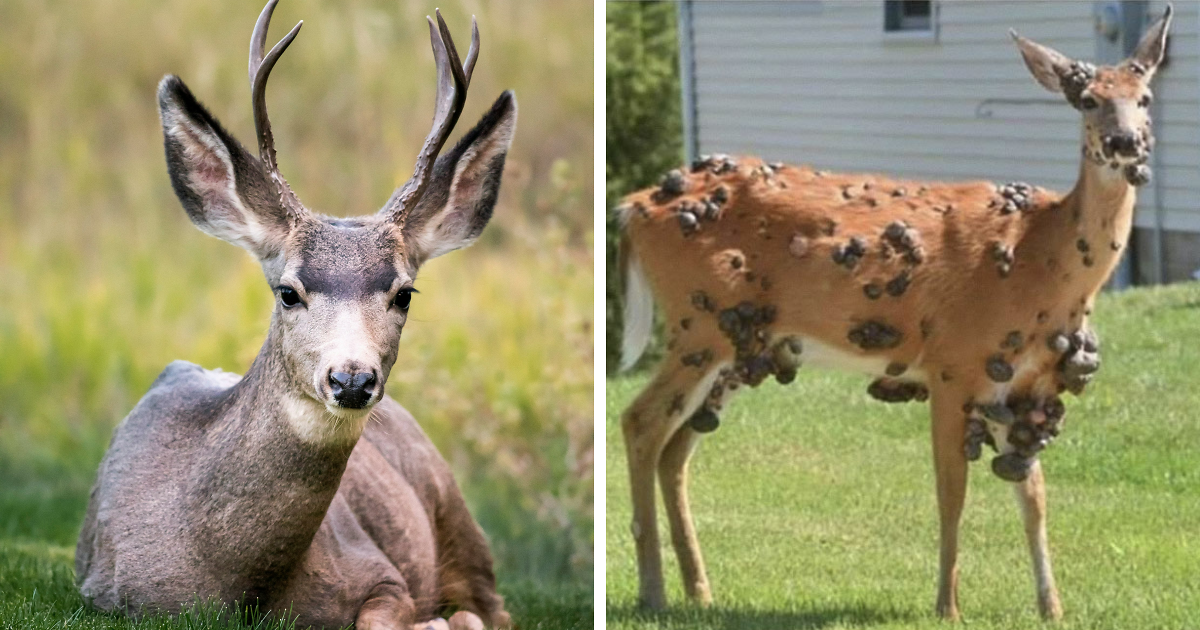
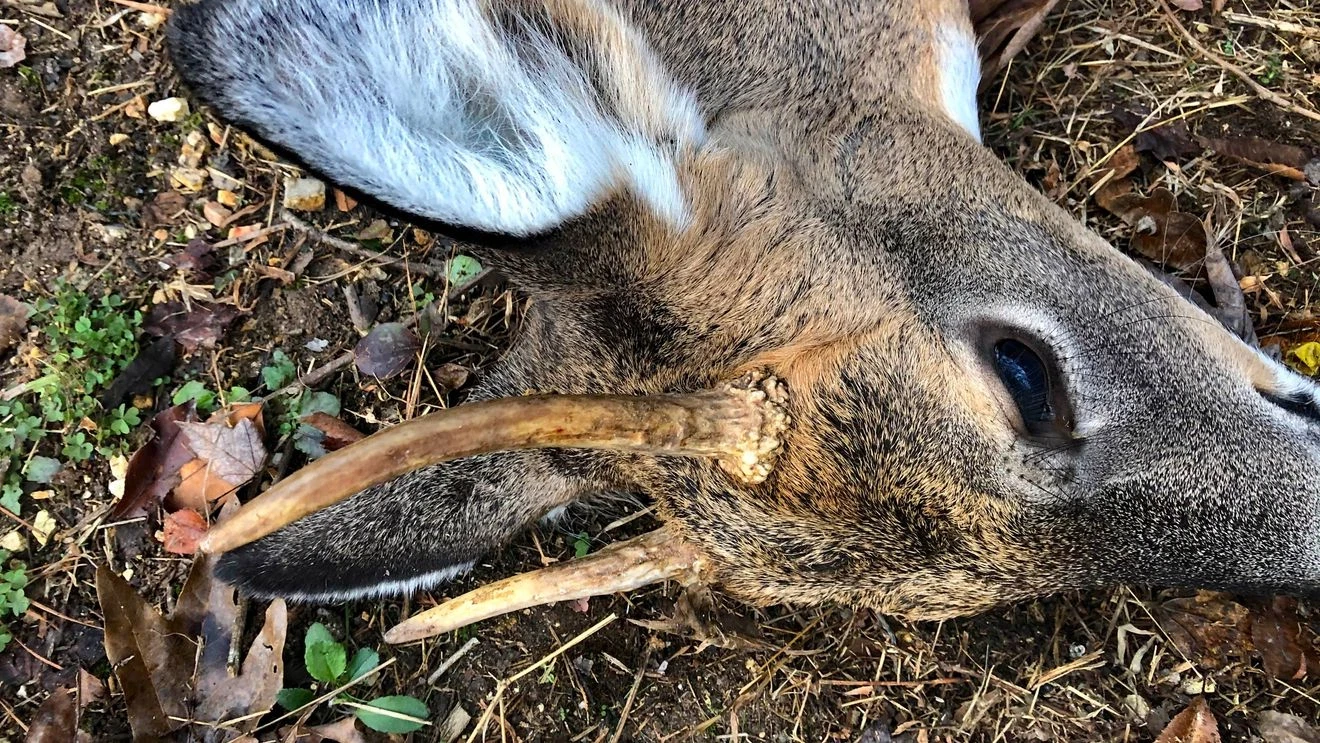
Florida has detected its second case of Chronic Wasting Disease (CWD) in a deer near the Georgia border, prompting a disease response plan. CWD is a fatal neurodegenerative disease affecting deer and related species, with no known cure or vaccine, and is being addressed through federal research funding. The disease has garnered public attention and misinformation, with some confusing it with harmless skin growths called fibromas, often called 'zombie deer'.
Georgia officials are urging hunters in Lanier, Berrien, and Lowndes counties to test harvested deer for chronic wasting disease, which has been detected in the state, to monitor and manage the disease's spread, despite no current evidence of transmission to humans.
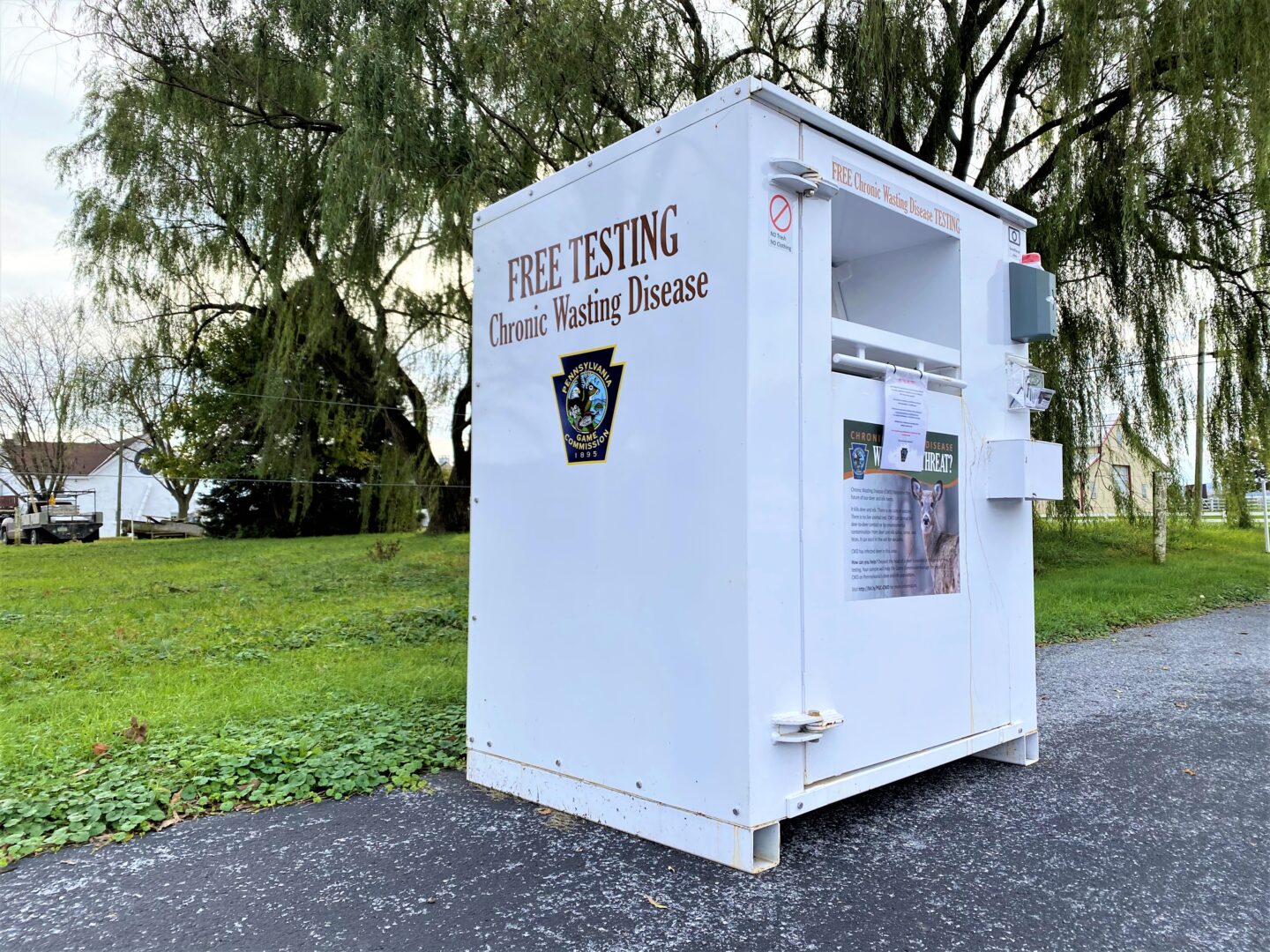
Pennsylvania hunters can now submit deer heads from anywhere in the state for free testing of chronic wasting disease at collection bins located throughout the state, aiding in disease monitoring and management efforts, with no restrictions on where the deer was shot.
A buck harvested near Wheaton, Minnesota, tested positive for chronic wasting disease (CWD), marking the first detection of CWD in Deer Permit Area 271, which includes Traverse County and parts of Big Stone and Wilkin counties. The Minnesota Department of Natural Resources plans to implement a three-year testing plan to assess the disease's prevalence and will coordinate with South Dakota and North Dakota wildlife agencies. Management actions may include carcass movement restrictions and bans on deer feeding to prevent the spread of CWD.
Chronic wasting disease (CWD) has been detected for the first time in a whitetail deer near Wheaton, western Minnesota, prompting the Department of Natural Resources (DNR) to implement new regulations for local hunters. These measures include testing hunter-harvested deer for three years, restricting carcass movement, banning deer feeding and attractants, and possibly increasing bag limits. The DNR will collaborate with South Dakota and North Dakota wildlife agencies to manage the disease, which is fatal to deer, elk, and moose, and has no known cure.
Chronic Wasting Disease (CWD), a neurological disease affecting deer, elk, and moose, has been detected in Michigan's Upper and Lower Peninsulas. The disease, caused by misfolded prion proteins, is incurable and leads to severe symptoms and death in infected animals. While there are no reported human cases, CWD poses a theoretical risk if humans consume infected meat. Michigan's Department of Natural Resources (DNR) is conducting CWD testing in specific counties, with various submission options available for hunters. Testing is voluntary but encouraged, and proper disposal of deer carcasses is advised.
The Arkansas Game and Fish Commission confirmed a deer in Stone County tested positive for chronic wasting disease (CWD), a fatal neurological disease affecting deer and other cervids. The deer was harvested on private land near Sylamore WMA, within the existing CWD Management Zone. No immediate changes to deer hunting regulations are planned, but the AGFC will assess the need for adjustments post-season. Hunters are encouraged to utilize free testing facilities to help monitor the disease's spread.
Chronic Wasting Disease (CWD), a fatal illness affecting deer, has been detected in New York for the first time in nearly 20 years, with the latest case found in a facility in upstate New York. The disease, which causes severe physiological and behavioral changes in deer, was confirmed by the USDA's National Veterinary Services Laboratories. State and federal agencies are investigating to prevent its spread, although no wild deer are currently known to be infected. CWD is not transmissible to humans, but consuming infected meat is discouraged.
Chronic wasting disease (CWD), a fatal prion disease affecting deer and other cervids, is spreading across North America, raising concerns about potential human transmission. The disease, which causes severe neurological decline, is difficult to detect and has no cure. Researchers are intensifying efforts to understand and control CWD, with some studies suggesting prions could eventually infect humans. The disease's spread is exacerbated by animal feeding operations and environmental persistence of prions, posing significant ecological and public health challenges.
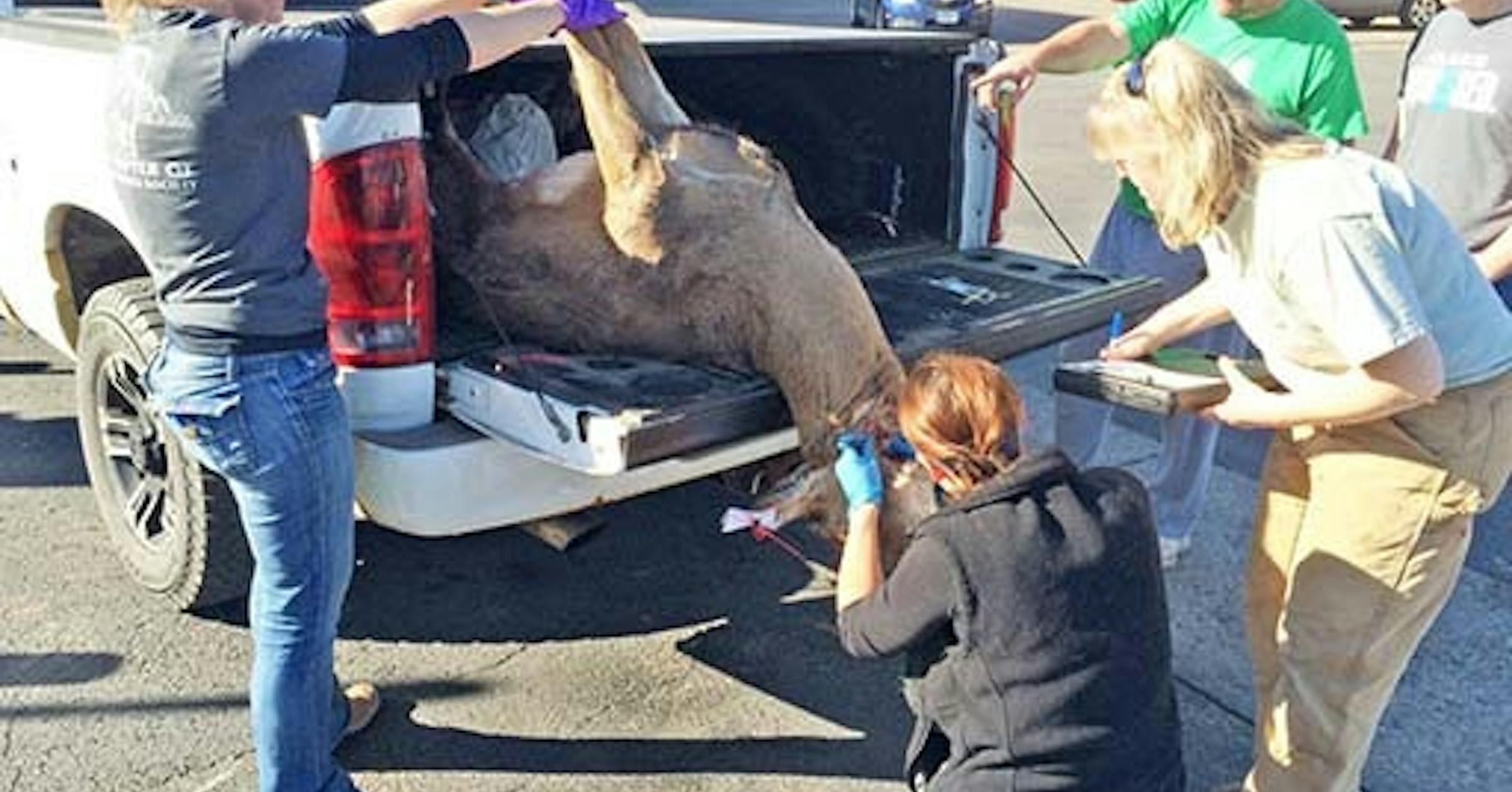
The Texas Parks and Wildlife Department culled 249 white-tailed deer from Robert Williams' RW Trophy Ranch in Terrell, marking the largest chronic wasting disease (CWD) outbreak in Texas. The Texas Supreme Court ruled that eradicating the deer did not violate Williams' property rights, as the state owns all white-tailed deer. CWD, a fatal neurological condition affecting cervids, has been detected in 34 states and five Canadian provinces. The disease has spread to 30 Texas counties, with Hunt, Uvalde, and Medina counties accounting for over 68% of the state's cases.
Texas wildlife officials killed nearly 250 white-tailed deer infected with chronic wasting disease (CWD) at RW Trophy Ranch in Terrell, marking the state's largest CWD outbreak. The depopulation followed a legal battle with ranch owner Robert Williams, who lost a court case to prevent the eradication. CWD is a fatal, highly contagious disease affecting deer, moose, reindeer, and elk, with no known cases in humans. The state emphasized the necessity of the cull to protect Texas' wildlife and related economies.
Texas wildlife officials euthanized 249 captive deer at RW Trophy Ranch, ending an 85-year-old rancher's three-year legal battle against the state's policy to control chronic wasting disease (CWD). Despite Robert Williams' protests and legal challenges, the Texas Supreme Court allowed the depopulation to proceed to protect wild deer from CWD, a fatal neurodegenerative disease. The decision has significant implications for deer breeders and wildlife conservation efforts in Texas.