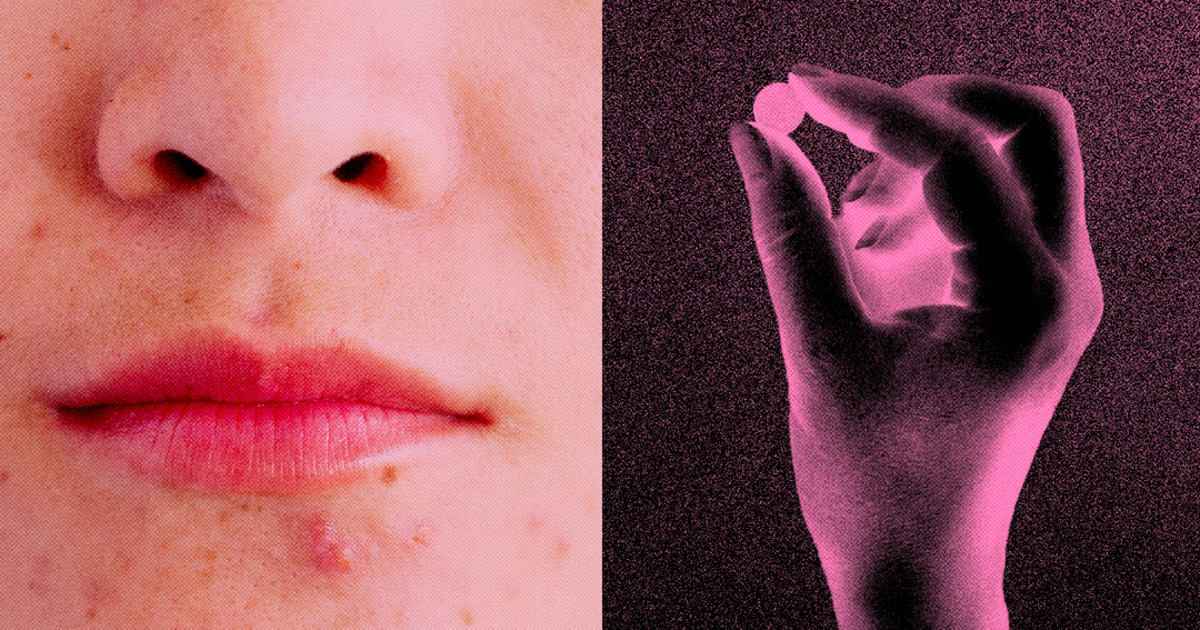
Microdosing Accutane, a treatment for severe acne, is being explored as a way to reduce its often severe side effects, but its effectiveness remains uncertain.
Researchers are developing acne vaccines that aim to treat and prevent the condition by targeting bacteria and inflammation, offering a potential long-term solution beyond topical treatments and antibiotics, with clinical trials underway by companies like Sanofi and academic researchers.
Lili Reinhart shared her personal techniques for hiding acne, including creating fake bangs and using filters on set, highlighting the unrealistic beauty standards in Hollywood. She received praise for her honesty and relatability, inspiring many fans to embrace their imperfections and challenge societal beauty norms.
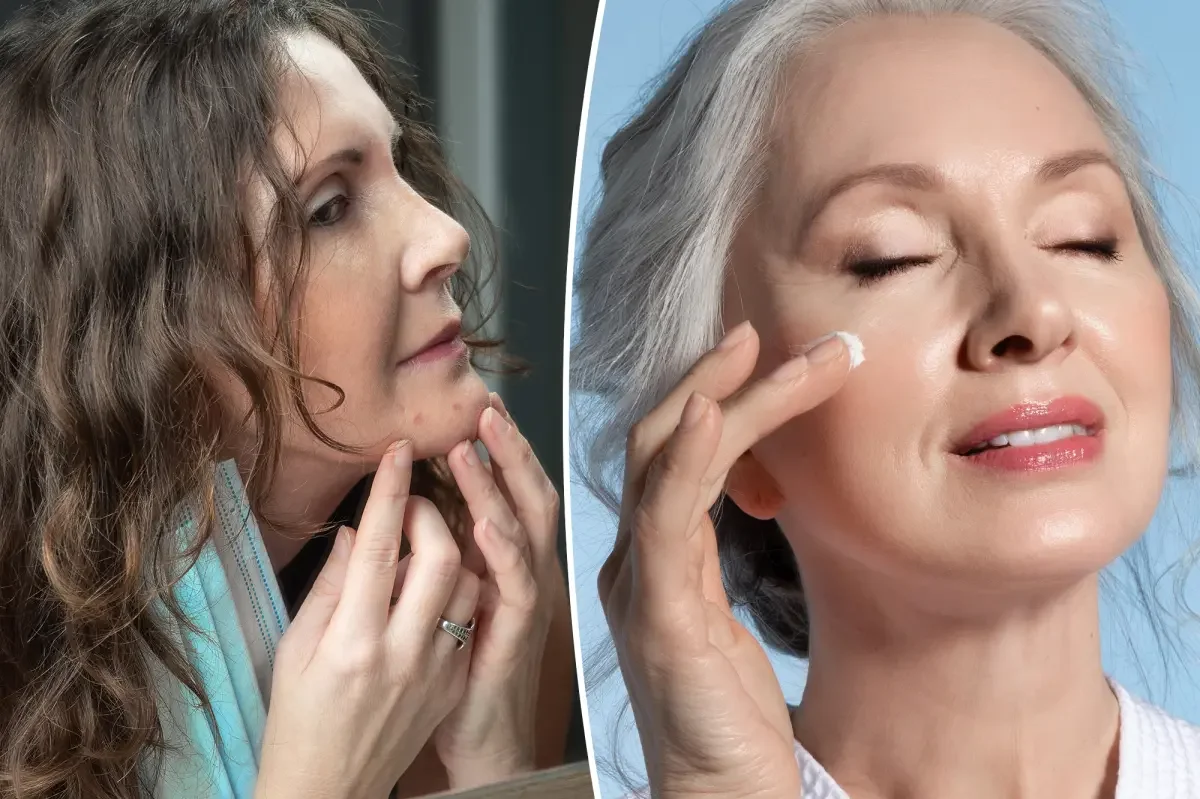
Popping pimples in the "danger triangle" of the face, an area from the nose bridge to the mouth corners, is often cautioned against due to potential serious infections, though such cases are extremely rare. Experts advise against pimple popping in general, as it can lead to infections, scarring, and skin discoloration. Instead, they recommend using treatments like hydrocolloid bandages and over-the-counter medications such as salicylic acid and benzoyl peroxide. For persistent or severe acne, consulting a dermatologist is advised.
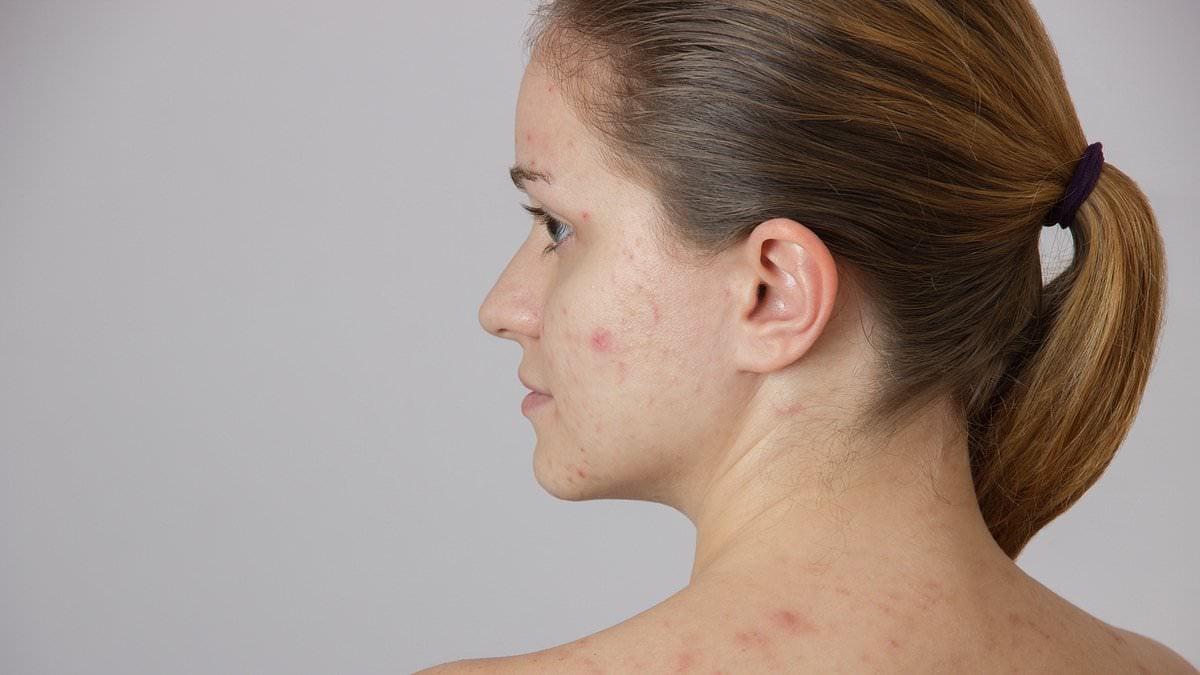
Despite following a strict skincare routine, many people still struggle with acne due to factors like over-washing, using inappropriate products, hormonal imbalances, genetics, poor laundering habits, and stress. Dermatologists suggest that acne can be influenced by a variety of lesser-known causes and recommend a balanced approach to skincare, proper product selection, and addressing underlying issues such as hormonal changes and stress.
A generic high blood pressure drug, spironolactone, has become the most commonly prescribed oral medication for treating acne in women, surpassing antibiotics and birth control pills. This shift is influenced by guidelines to limit antibiotic use to combat drug resistance and growing evidence supporting spironolactone's safety and effectiveness. The rise in IUD use, which can lead to increased acne, also contributes to this trend.
Dermatologists are increasingly prescribing spironolactone, a blood pressure medication, to women for treating acne, with prescribing rates rising nearly 300% from 2017 to 2020. The drug works by blocking hormones that cause acne, particularly in women, and is considered when other treatments like oral antibiotics or creams don't work. While spironolactone is generally safe, it's not FDA-approved for acne and has potential side effects, so more high-quality studies are needed to fully understand its long-term safety and efficacy.
Dermatologists are increasingly prescribing spironolactone, a blood pressure medication, to women for treating acne due to its ability to block hormones that cause acne. The drug, which is not FDA-approved for acne, has seen a nearly 300% rise in prescribing rates for acne in women from 2017 to 2020. While spironolactone has shown effectiveness in treating acne, its long-term safety and potential side effects, including mild ones like breast tenderness and irregular bleeding, as well as more serious ones like potential impact on pregnancy and cancer risk, need further study. Despite these concerns, the American Academy of Dermatology is encouraging the limited use of antibiotics for acne treatment, potentially leading to increased use of spironolactone.
Dermatologist Dr. Charles Puza warns that high doses of vitamin B6 and B12, commonly found in multivitamins and supplements, can cause or worsen acne by affecting the bacteria on the skin. Many supplements contain doses far above the recommended intake, leading to potential side effects such as skin problems. Research has shown that these vitamins can alter the DNA of acne bacteria and help them thrive, potentially leading to breakouts and skin lesions.
An independent lab found dangerously high levels of benzene, a known carcinogen, in several acne products containing benzoyl peroxide, prompting a petition to the FDA for their removal from shelves. Benzene exposure can lead to cancers and other life-threatening conditions, and the lab's tests revealed inhalation risks as well. While products with salicylic acid or adapalene did not show the same issue, the manufacturer of Clearasil products dismissed the findings as reflecting unrealistic scenarios.
Heidi Klum's 19-year-old daughter Leni shared a makeup-free selfie on Instagram, revealing her struggle with acne and aiming to normalize it for others. Leni, who recently made her runway debut, has been open about the stigma of acne and has posted several close-up photos of her breakouts to battle the misconception that models don't have acne. She also shared anecdotes about her upbringing and family life, including finding her mother's sex closet and her mother's topless tanning habits.
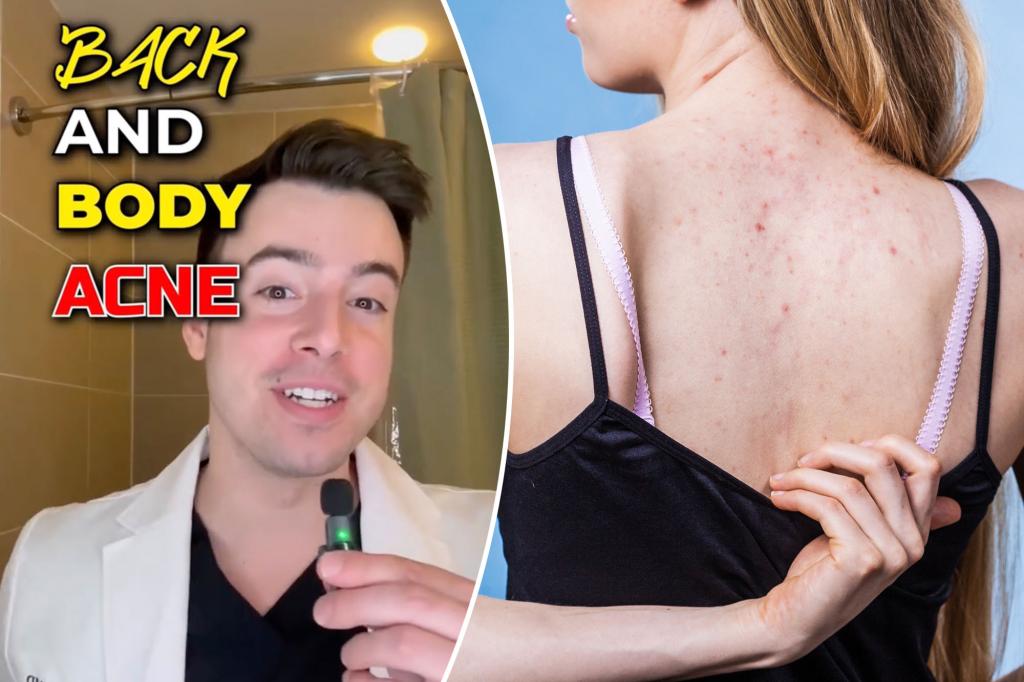
Dermatologist Dr. Charles Puza shares three ways to combat back acne, or "bacne," including eliminating bacteria with mupirocin ointment, using a benzoyl peroxide wash, and changing workout clothes regularly. Other experts recommend cleaning the back with a long-handled sponge, undergoing a chemical peel, and making dietary and clothing changes to combat back acne.
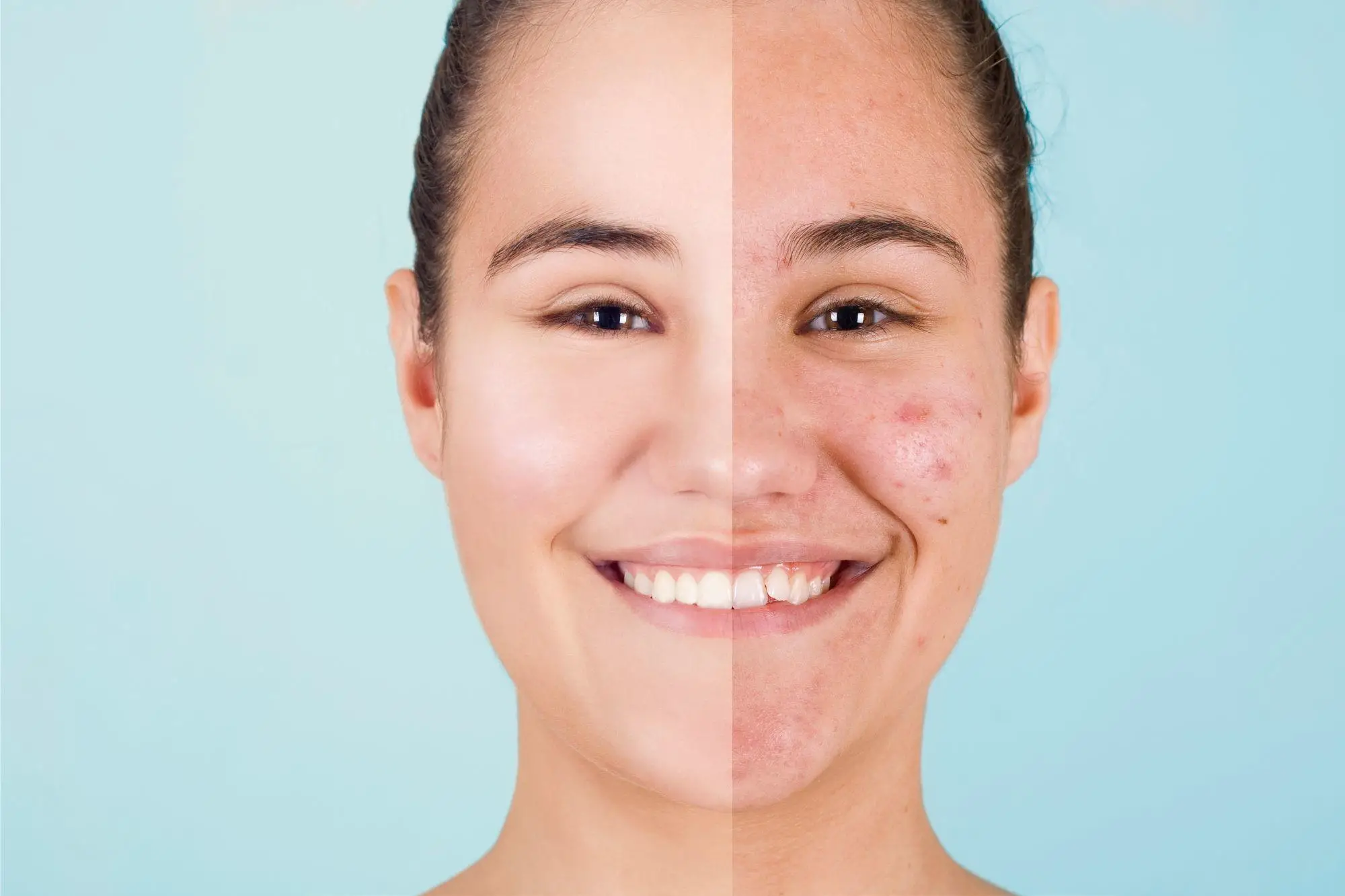
A study conducted by researchers at Brigham and Women's Hospital in Massachusetts found that people with acne are less likely to be hired, dated, or make friends easily compared to those with clear skin. The study also revealed that individuals with severe acne were stigmatized and faced negative reactions, with participants expressing a greater desire to socially distance themselves from people with acne and dark skin. The researchers emphasized the need for health insurance companies to cover acne treatment, as it is often wrongly perceived as a cosmetic issue.
Australian scientists have developed a potential breakthrough treatment for acne using nanoparticles. They encapsulated an antibacterial compound called Narasin in tiny nanoparticles and applied it in gel form to acne sites. The drug, traditionally used in the livestock industry, showed a significantly higher absorption rate when delivered via nanocarriers. With acne affecting a large portion of the global population and causing psychological distress, this innovative approach holds great promise for improving acne treatment options.
Millie Bobby Brown, known for her role in Stranger Things, posted a selfie on Instagram showing her acne while wearing full makeup. The actress has previously been open about her skin struggles, and her post received support from fans and celebrities alike. The caption also referenced her beauty company, Florence by Mills.