Mothership is a new independent website launched by former Polygon staff, focusing on gender and identity in gaming, as a response to the collapse of mainstream gaming media and the sale of Polygon. It aims to provide quality journalism without ads, emphasizing underrepresented perspectives and a critical, identity-first approach to gaming culture.
The article discusses the rise of self-mocking man sketches in comedy, highlighting how modern portrayals of masculinity on social media and in stand-up comedy reveal the absurdities and contradictions of being a man in the 2020s, emphasizing humor rooted in insecurity and self-awareness.
Slovakia's parliament amended its constitution to recognize only two genders, restrict adoption to married heterosexual couples, and ban surrogacy, while asserting national law's precedence over EU law in cultural and ethical matters, sparking criticism from human rights organizations and raising concerns about the country's democratic and human rights trajectory.
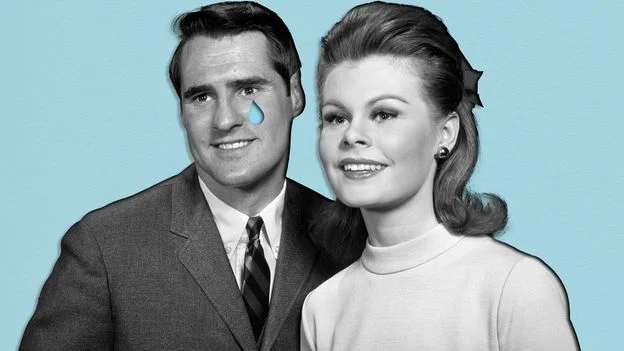
Gen Z is creating a new meme of a 'performative male' characterized by soft, alt aesthetics and progressive interests, often as a humorous or lighthearted critique of traditional masculinity. While largely playful, this trend raises questions about authenticity and societal perceptions of gender, with some viewing it as a form of social commentary or even suspicion of genuine intent. The phenomenon reflects broader cultural shifts around gender expression and the complexities of modern dating dynamics.
Gen Z is creating a new archetype of men called 'performative males' who embrace an alt, soft aesthetic to attract progressive women, often poking fun at traditional masculinity. While largely a lighthearted trend, it raises questions about authenticity, gender performance, and societal trust, with some viewing it as a response to restrictive gender norms and social skepticism.
Scarlett Johansson discusses how Hollywood roles for women have evolved from being centered around desirability and the male gaze to more diverse and powerful roles, reflecting a shift in industry messaging and opportunities for women.
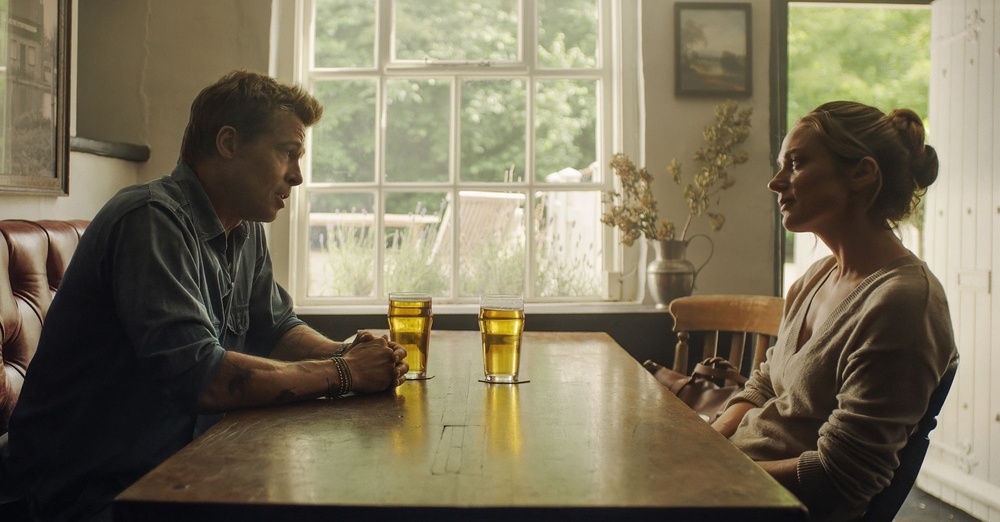
The article critiques the portrayal of women in 'F1: The Movie,' highlighting that despite the inclusion of a female technical director and a multicultural cast, the film depicts women as inept and secondary, reinforcing stereotypes rather than promoting genuine diversity and inclusion. It also notes the film's failure to pass the Bechdel Test and criticizes the superficial treatment of female characters, suggesting the movie misses an opportunity to portray women in strong, layered roles.
A study by CU Boulder researchers reveals that female animals experience less restorative sleep than males, suggesting biological factors play a significant role in sleep patterns. This finding challenges past biomedical research that often excluded females, potentially skewing drug development and treatment effectiveness. The study emphasizes the need for equal representation of sexes in research to avoid flawed data interpretations and improve clinical outcomes.
A new report from Altrata's 2024 Billionaire Census reveals that the typical billionaire is a self-made man in his 60s, living in New York City, and working in finance or banking. The global billionaire population has reached 3,323, with a cumulative net worth of $12.1 trillion. The majority of billionaires are male, with 87% being men, and they often have their wealth tied up in public companies. In contrast, female billionaires, who are more likely to have inherited wealth, often have liquid assets like cash and private holdings. Male billionaires tend to indulge in luxury vehicles, while female billionaires prefer property and art. Philanthropy is a common interest among billionaires, with education being the top cause.
Elena Theophilidou, a consultant surgeon at a major trauma unit in England, shares her journey and challenges as a female surgeon. Growing up in Cyprus, a family tragedy inspired her to pursue medicine. Despite facing gender biases and a tough path to becoming a surgeon, Elena emphasizes the importance of role models and hopes to inspire young women to pursue careers in surgery. She highlights the changing perceptions in medicine and the need for more female representation in the field.
In the final days of a political race, former President Donald Trump, J.D. Vance, and their allies have been criticized for making derogatory remarks about women. This behavior has drawn attention and controversy as the election approaches, highlighting ongoing issues of gender and respect in political discourse.
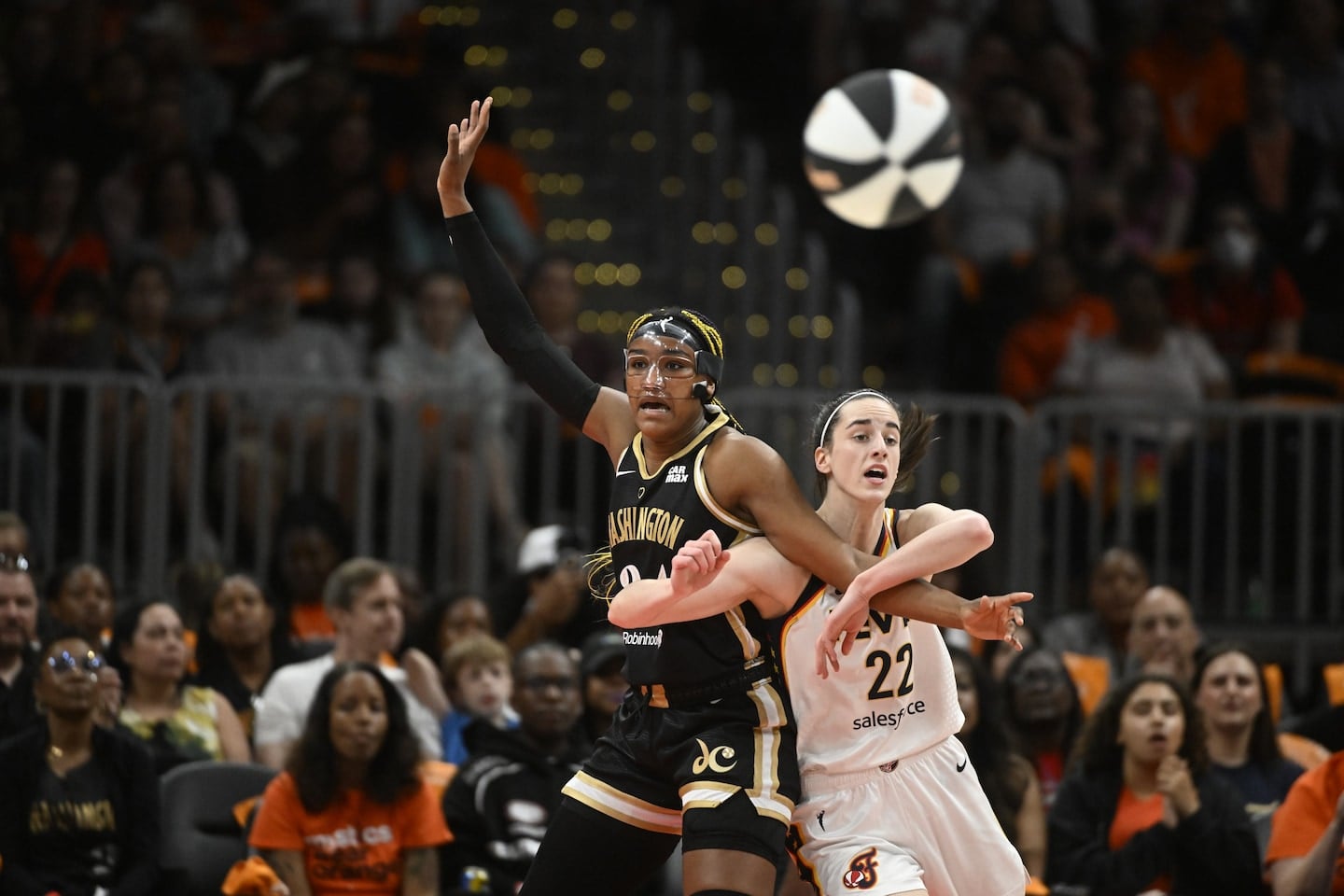
The recent uproar surrounding Caitlin Clark's entry into the WNBA highlights broader cultural and political tensions, including issues of race, gender, and sexuality. While Clark's talent has significantly boosted interest in the league, some of her fans have used her success to push divisive agendas. Clark herself has called for respect and unity, emphasizing that her journey is just beginning and that the contributions of veteran players should not be overlooked.
Ava Phillippe clarified her stance on sexuality and gender, emphasizing that gender does not matter to her when it comes to attraction. She reiterated this message on Instagram to clear up any confusion, celebrating Pride Month and expressing support for the LGBTQ+ community.
Former head of Spanish soccer, Luis Rubiales, denies sexually assaulting a player with an unwanted kiss, claiming it was consensual and that he's being questioned because he's a man. Spanish prosecutors seek a prison sentence for Rubiales, who insists there was nothing sexual about the kiss and that he had asked for consent. The player, Jennifer Hermoso, has stated she did not consent and has faced consequences for an act she didn't provoke. Rubiales has also been detained for questioning in an ongoing corruption probe related to his tenure as RFEF president.
A study published in Humanities and Social Sciences Communications reveals a concerning trend of self-sexualization among female streamers on Twitch.tv, with women engaging in self-sexualization to a much greater extent and intensity than men. The research highlights the prevalence of sexualized content in categories like ASMR and "Pools, Hot Tubs & Beaches," raising concerns about the pressures and incentives driving self-sexualization on digital platforms and its potential implications for audience attitudes towards gender and sexuality. The study's authors emphasize the need for further research and conversations on this important topic to create more inclusive and healthy online communities.