Tag

Footprints

All articles tagged with #footprints

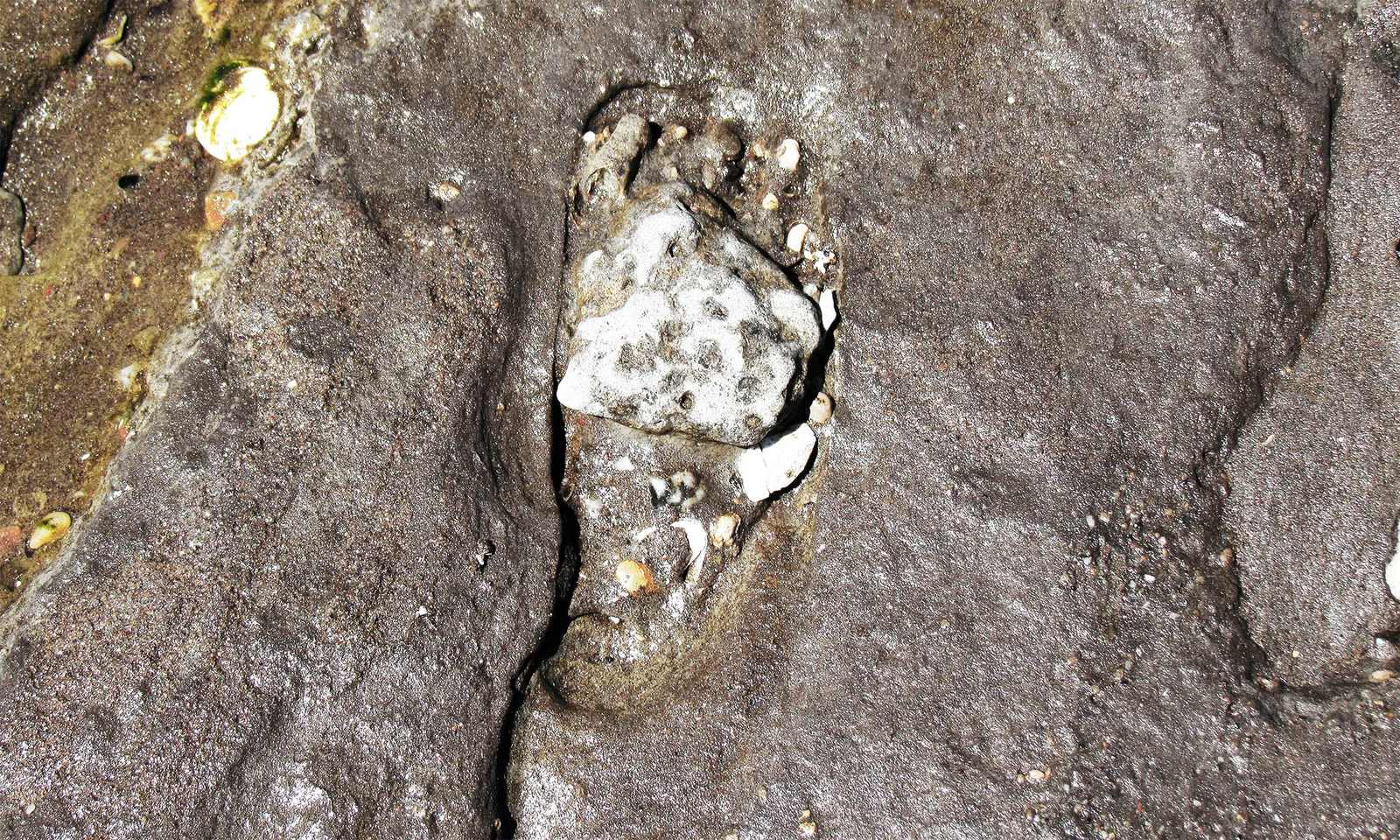
Neanderthal Footprints Discovered on Portugal’s Coast Challenge Human Origins

Originally Published 2 months ago — by SciTechDaily

Featured image for Neanderthal Footprints Discovered on Portugal’s Coast Challenge Human Origins
Source: SciTechDaily

New discoveries along Portugal's Algarve coast have revealed the first fossilized Neanderthal footprints in the region, dating back around 78,000 to 82,000 years. These footprints provide direct evidence of Neanderthal behavior, movement, and social structure, indicating they explored coastal environments and had a diverse diet including deer, horses, and marine resources. This challenges previous ideas about Neanderthal ecology and highlights their adaptability to coastal habitats.

Dinosaur Mating Rituals: T-Rex May Have Performed 'Moonwalks'

Originally Published 5 months ago — by Futurism

Featured image for Dinosaur Mating Rituals: T-Rex May Have Performed 'Moonwalks'
Source: Futurism

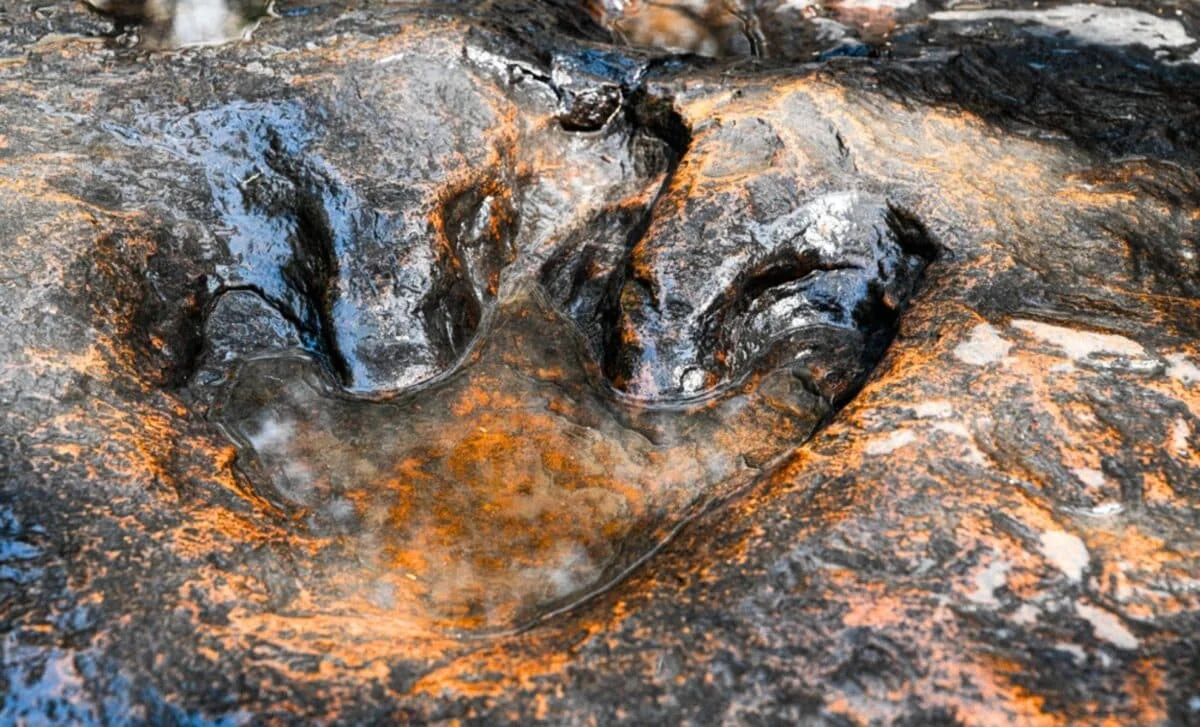
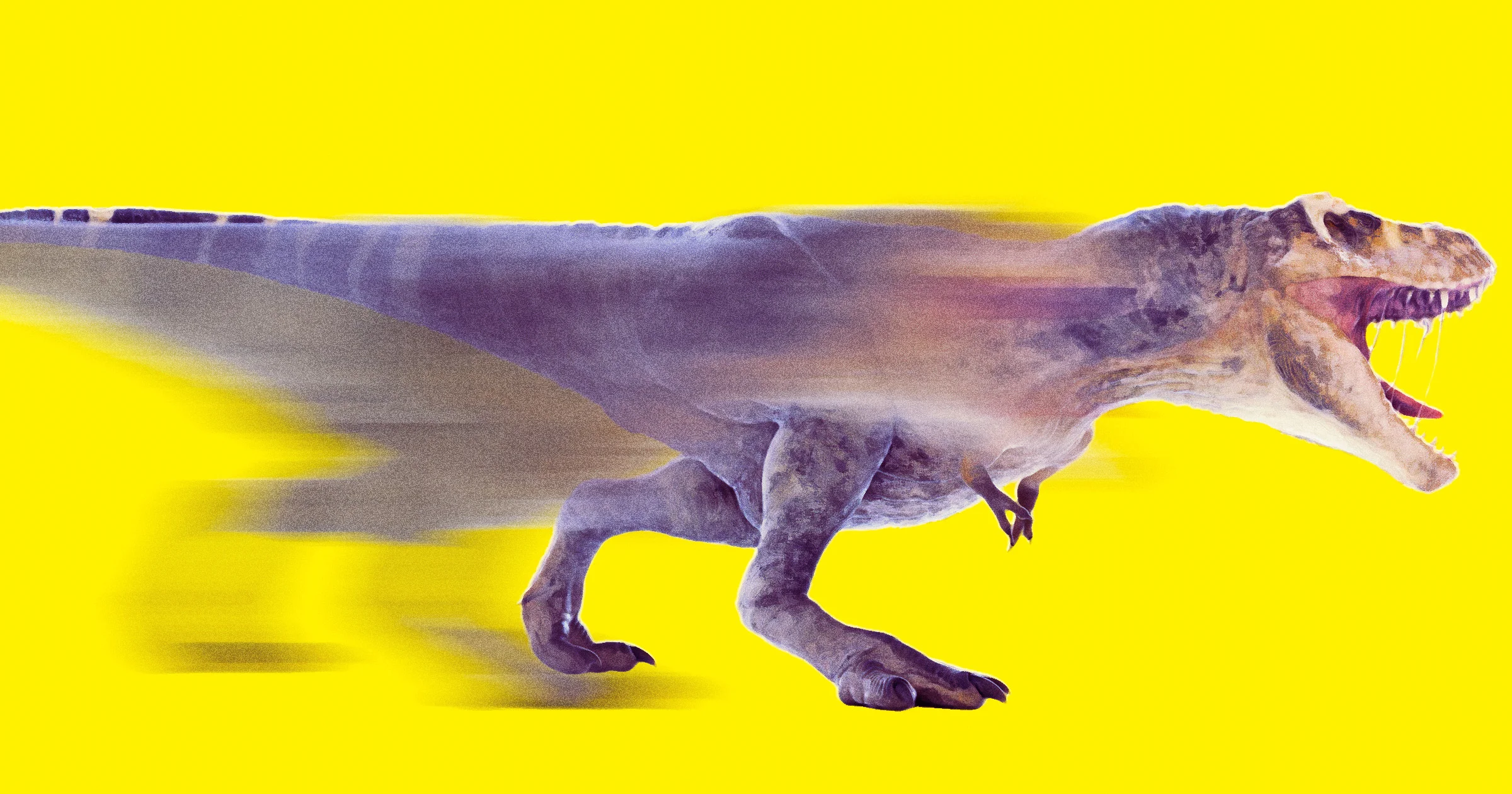
Scientists discovered fossilized dinosaur footprints at Colorado's Dinosaur Ridge indicating that male dinosaurs, possibly similar to T. rex, performed courtship dances resembling a moonwalk to attract females, suggesting the site was a major lek for mating displays, and providing new insights into dinosaur behavior.

Fossilized Footprints Reveal Multi-Species Dinosaur Herds and Predatory Watch

Originally Published 5 months ago — by The Daily Galaxy

Featured image for Fossilized Footprints Reveal Multi-Species Dinosaur Herds and Predatory Watch
Source: The Daily Galaxy

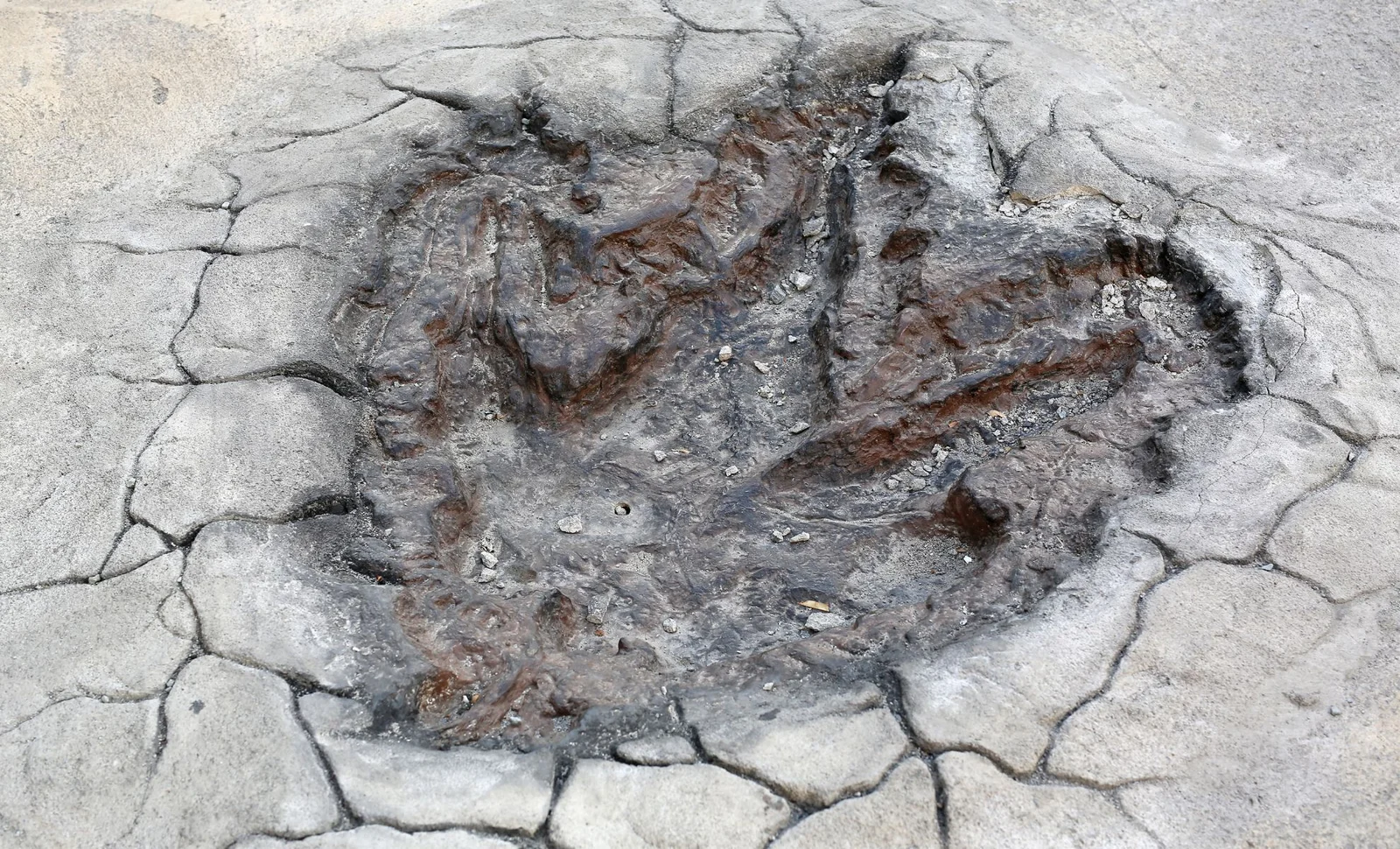
A 76-million-year-old footprint discovery in Alberta's Dinosaur Provincial Park reveals that tyrannosaurs were likely stalking herds of herbivorous dinosaurs, providing new insights into predator-prey interactions and dinosaur social behavior during the Late Cretaceous period.

1.5-Million-Year-Old Footprints Reveal Hominin Coexistence in Kenya

Originally Published 1 year ago — by SciTechDaily

Featured image for 1.5-Million-Year-Old Footprints Reveal Hominin Coexistence in Kenya
Source: SciTechDaily

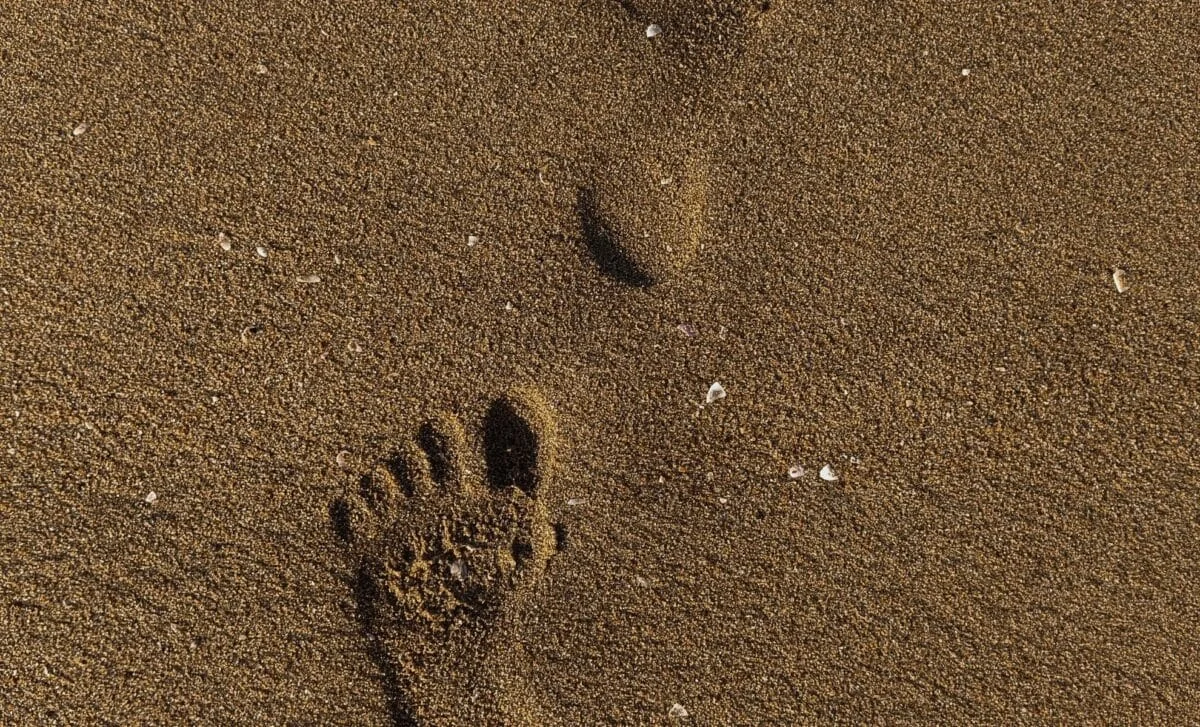
Researchers have discovered 1.5-million-year-old footprints in Kenya, providing evidence that two hominin species, Homo erectus and Paranthropus boisei, coexisted and possibly interacted. This finding, published in Science, offers new insights into human evolution, revealing how these species shared habitats and faced environmental challenges. The footprints, found near Lake Turkana, are significant as they are "trace fossils," offering direct evidence of behavior and coexistence, unlike body fossils which can be displaced.

"Brazilian Footprints Reveal New Dinosaur Species Unearthed by Scientists"

Originally Published 2 years ago — by NDTV

Featured image for "Brazilian Footprints Reveal New Dinosaur Species Unearthed by Scientists"
Source: NDTV

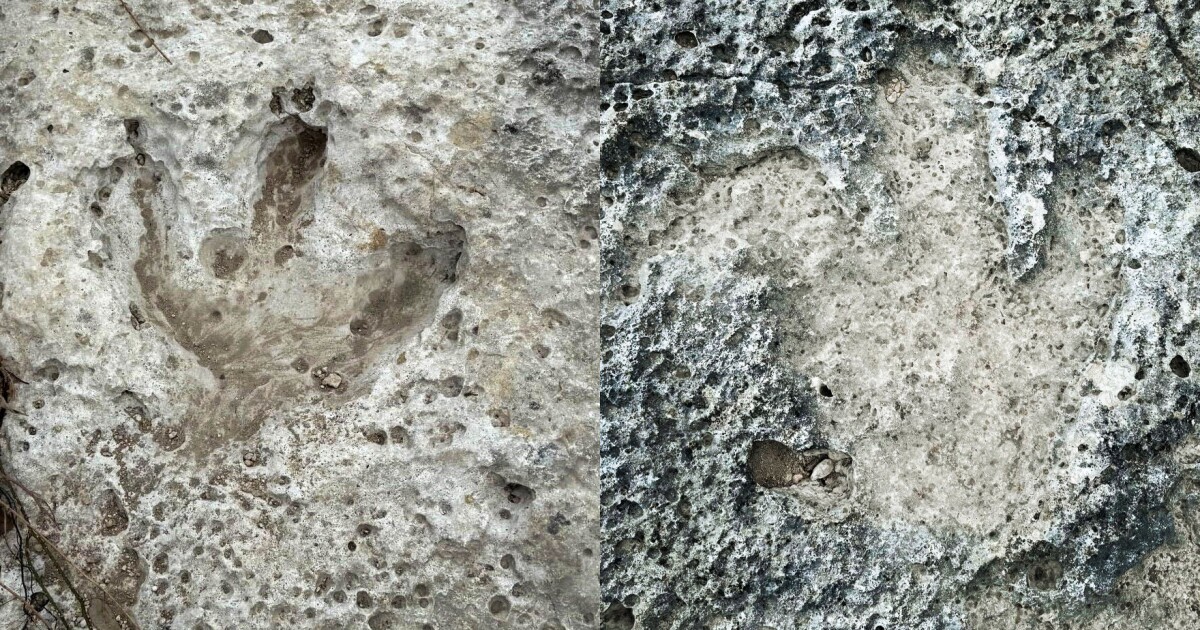
Scientists have identified a new dinosaur species, named Farlowichnus rapidus, based on footprints found in Brazil. The footprints, discovered in the 1980s, belonged to a small, agile carnivorous dinosaur that lived approximately 125 million years ago. The unique characteristics of the footprints, including long, slender toes and a wide stride, suggest that this dinosaur was adapted to desert environments. The discovery highlights the importance of studying fossil trackways to gain insights into the diversity and behavior of ancient dinosaurs.

"Discovery of New Dinosaur Species in Brazil through Footprint Analysis"

Originally Published 2 years ago — by KSL.com

Featured image for "Discovery of New Dinosaur Species in Brazil through Footprint Analysis"
Source: KSL.com

Scientists in Brazil have identified a new species of dinosaur called Farlowichnus rapidus, based on fossilized footprints found in the city of Araraquara. The small carnivorous dinosaur lived during the early Cretaceous period and was about 2-3 feet tall. The footprints indicate that it was a fast reptile that ran across ancient dunes. The discovery is significant as the footprints are different from all other known dinosaur footprints.

Unearthing Argentina's Terrifying Terror Bird Footprints

Originally Published 2 years ago — by Phys.org

Featured image for Unearthing Argentina's Terrifying Terror Bird Footprints
Source: Phys.org

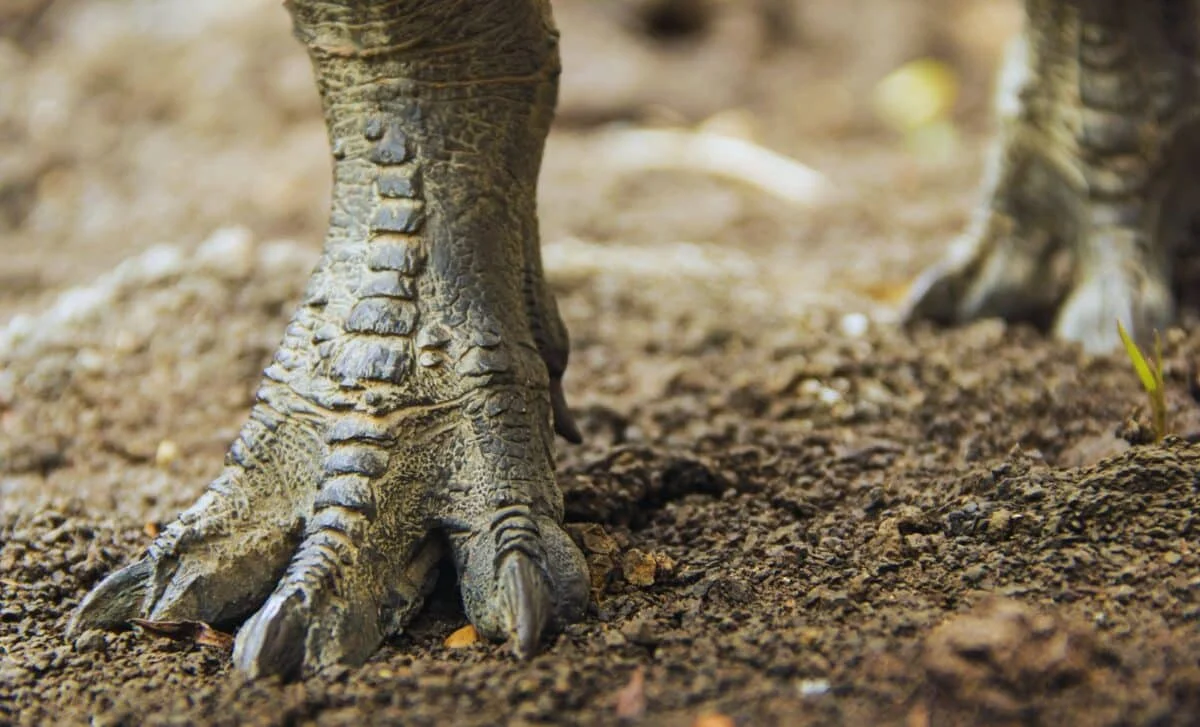
Paleontologists in Argentina have discovered the first well-preserved footprints of Phorusrhacidae, also known as "terror birds." The footprints were made by a medium-sized bird approximately 8 million years ago and show evidence of wrinkle traces and mud cracks. The researchers suggest that the bird had a hip height of 0.81 m, weighed around 55 kg, and ran at a speed of 2.74 m/s. The footprints indicate that terror birds had developed adaptations for running quickly and killing prey, similar to Velociraptors.

Ancient Footprints Rewrite History of Human Arrival in the Americas

Originally Published 2 years ago — by The Guardian

Featured image for Ancient Footprints Rewrite History of Human Arrival in the Americas
Source: The Guardian

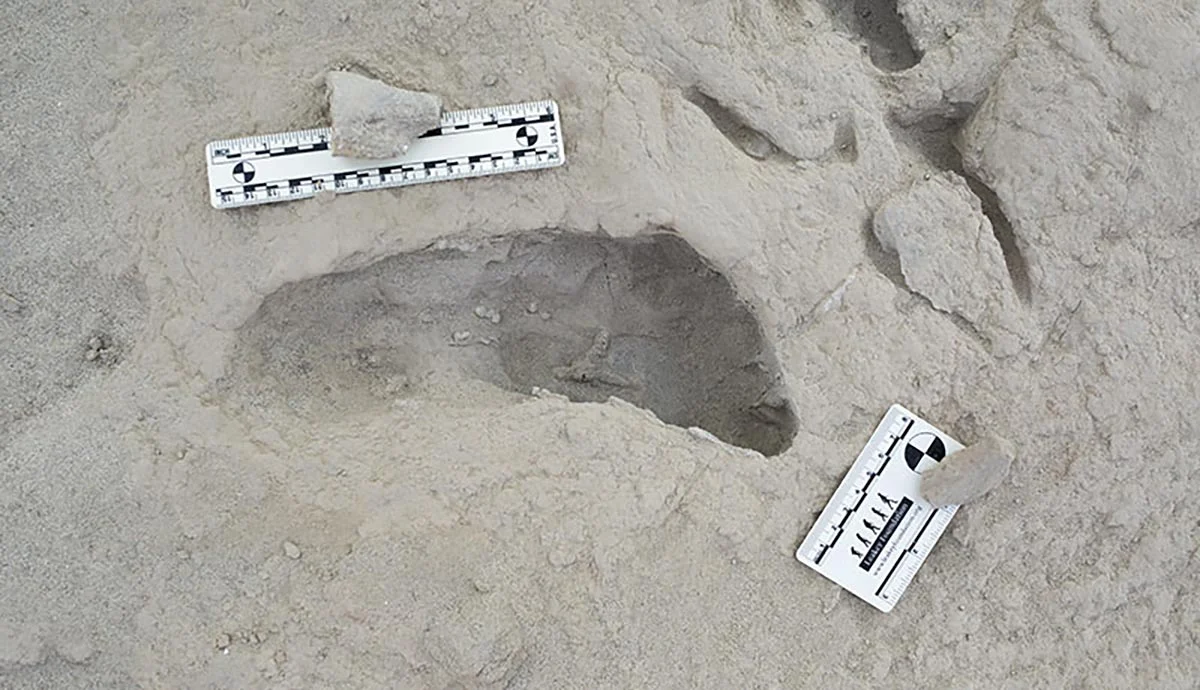
Fossil human footprints discovered in New Mexico's White Sands national park have been confirmed as the oldest direct evidence of human presence in the Americas, dating back between 21,000 and 23,000 years ago. The findings challenge the previous belief that humans arrived in the Americas only a few thousand years before rising sea levels covered the Bering land bridge. The study used multiple lines of evidence, including ancient conifer pollen and quartz grains, to support the older date range. The footprints provide a clear indication of human presence and offer valuable insights into the peopling of the Americas.

South African Discovery: World's Oldest Human Footprint Rewrites History.

Originally Published 2 years ago — by ScienceAlert

Featured image for South African Discovery: World's Oldest Human Footprint Rewrites History.
Source: ScienceAlert

Researchers have identified the oldest known human footprint in South Africa, dating back 153,000 years. The footprint was found in the Garden Route National Park on the Cape south coast, and is one of nine sites in the "South African cluster" of hominin ichnosites. The sites range in age from 153,000 to 71,000 years, and complement the relatively few skeletal hominin remains found in the area. The Cape south coast was an area in which early anatomically modern humans survived, evolved and thrived, before spreading out of Africa to other continents.