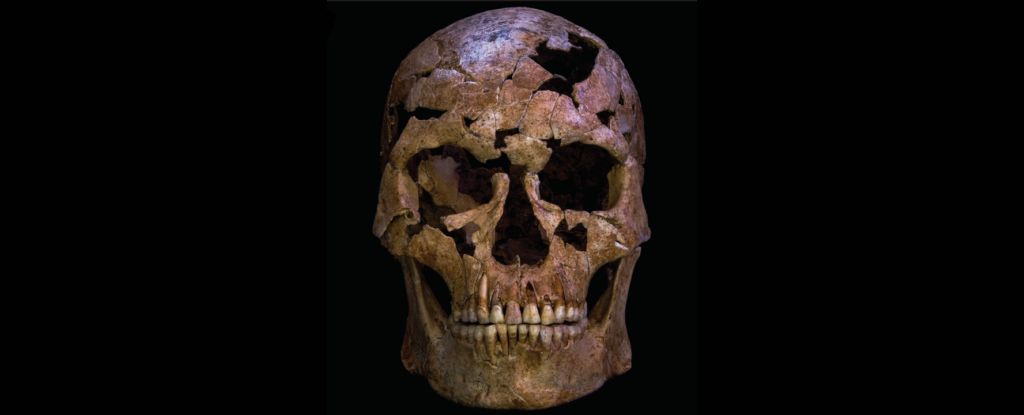
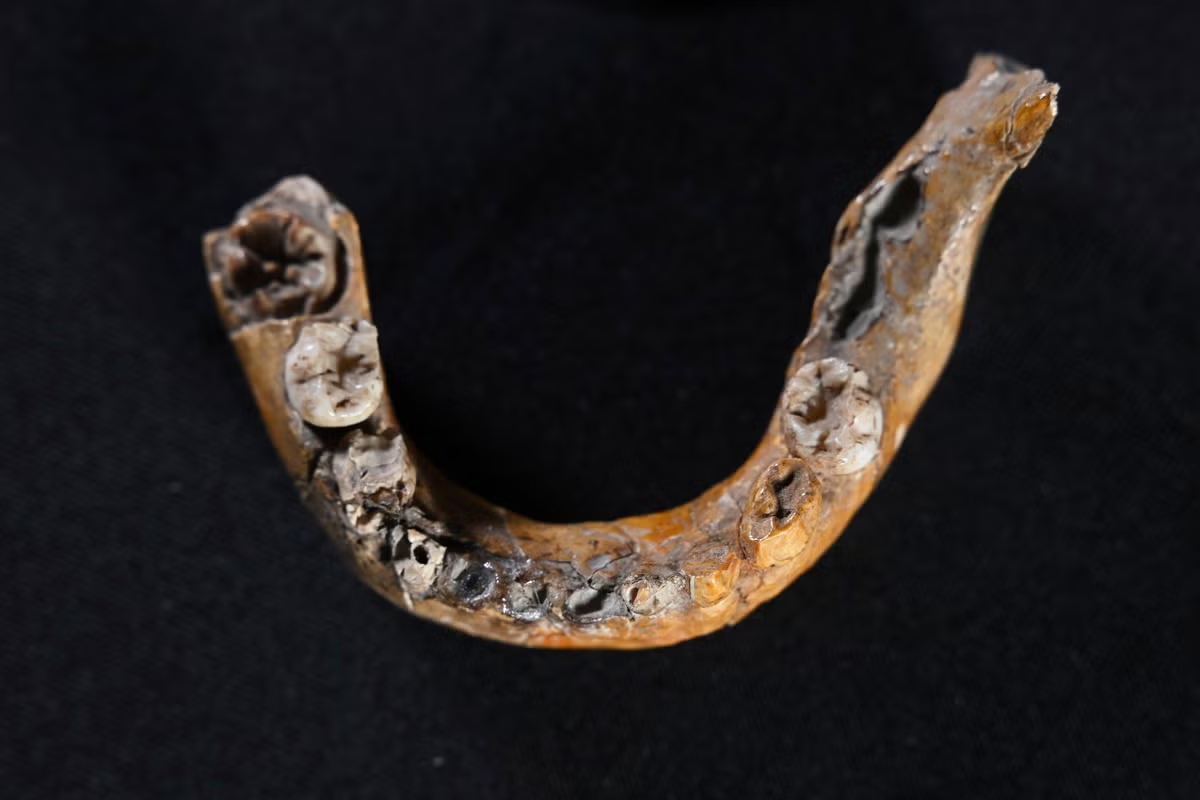
Ancient bones found in a Vietnamese cave, dating back 12,000 years, show evidence of interpersonal violence, possibly making it one of the earliest known murder cases in Southeast Asia, with signs of a projectile injury leading to infection and death.
Researchers used advanced 3D imaging to study the bones of a 140,000-year-old child from Israel, revealing evidence of interbreeding between early humans and Neanderthals much earlier than previously thought, challenging assumptions about their interactions and coexistence.
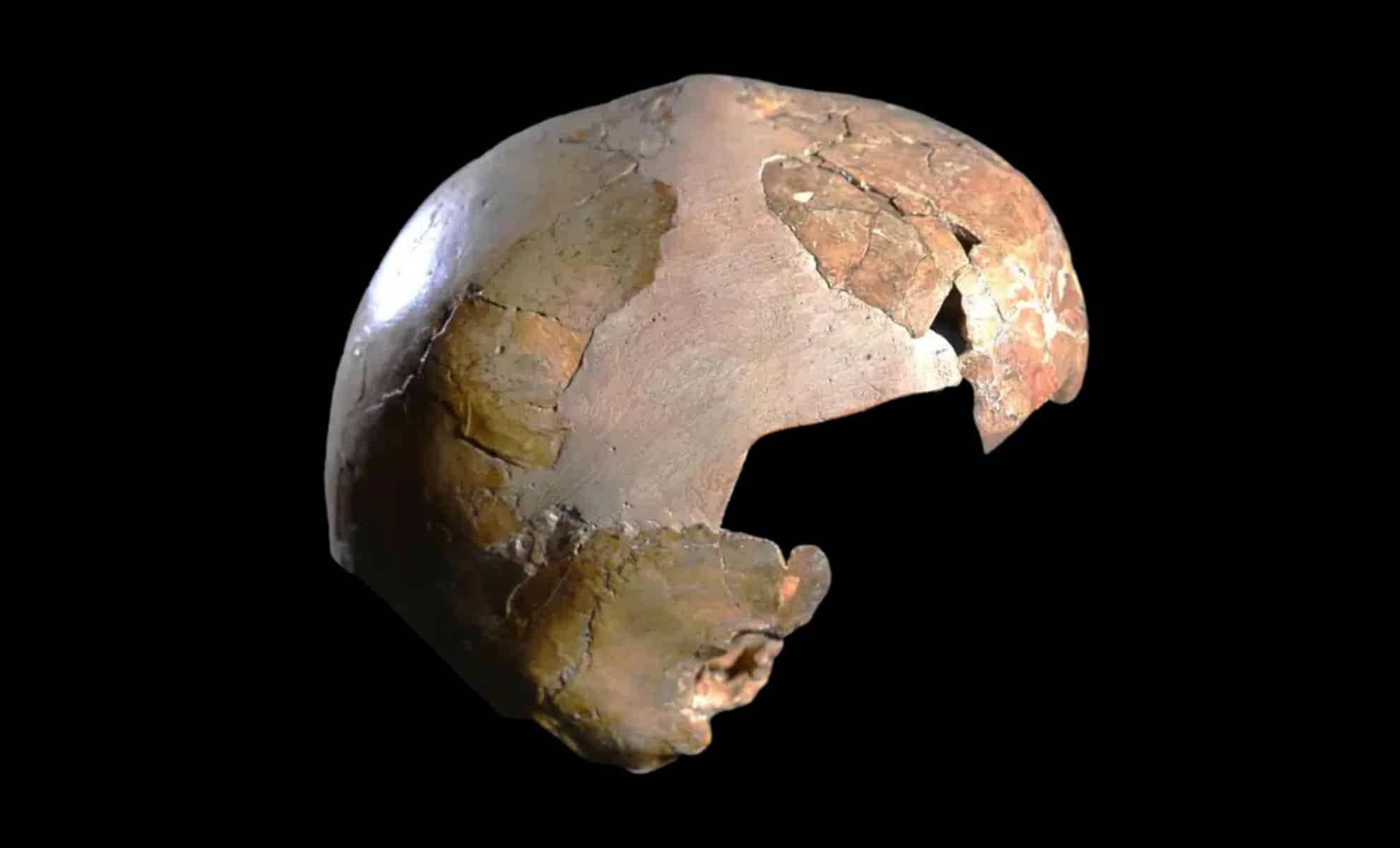
A 140,000-year-old skull from Israel suggests early interbreeding between Neanderthals and Homo sapiens, challenging previous timelines and indicating complex social behaviors like burial rituals among hybrid individuals, reshaping understanding of human evolutionary history.
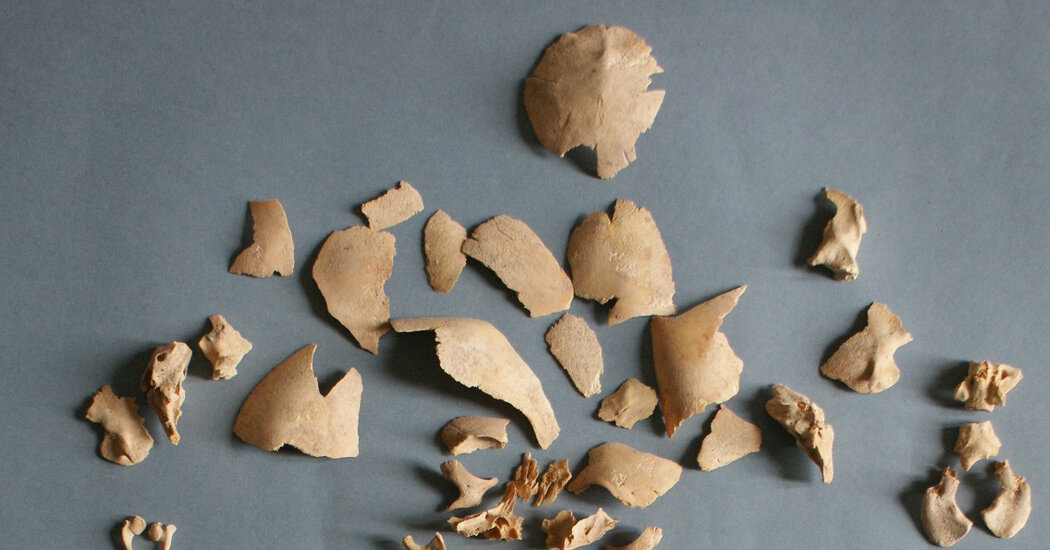
Scientists have identified the genetic signature of Down syndrome in ancient bones of seven infants, some dating back 5,500 years, shedding light on how prehistoric societies may have treated individuals with rare conditions. The method, published in Nature Communications, may provide insight into the historical prevalence and treatment of Down syndrome, which is caused by an extra copy of chromosome 21 and can result in various health challenges. This discovery challenges the difficulty of confidently diagnosing ancient skeletons with Down syndrome due to its variable nature.