Archaeologists at Kalambo Falls in Zambia discovered a wooden structure dating back approximately 476,000 years, predating Homo sapiens, indicating early humans engaged in deliberate construction and environmental reshaping using timber, with implications for understanding prehistoric technology and behavior.
Archaeologists in Zambia have discovered a 476,000-year-old wooden structure beneath Kalambo Falls, revealing advanced early human craftsmanship and environmental manipulation, challenging traditional views of the Stone Age and highlighting the complexity of early human societies.
Archaeologists at Kalambo Falls in Zambia discovered a wooden structure dating back approximately 476,000 years, predating Homo sapiens, indicating early humans engaged in deliberate construction and environmental reshaping using timber, with implications for understanding prehistoric technology and behavior.
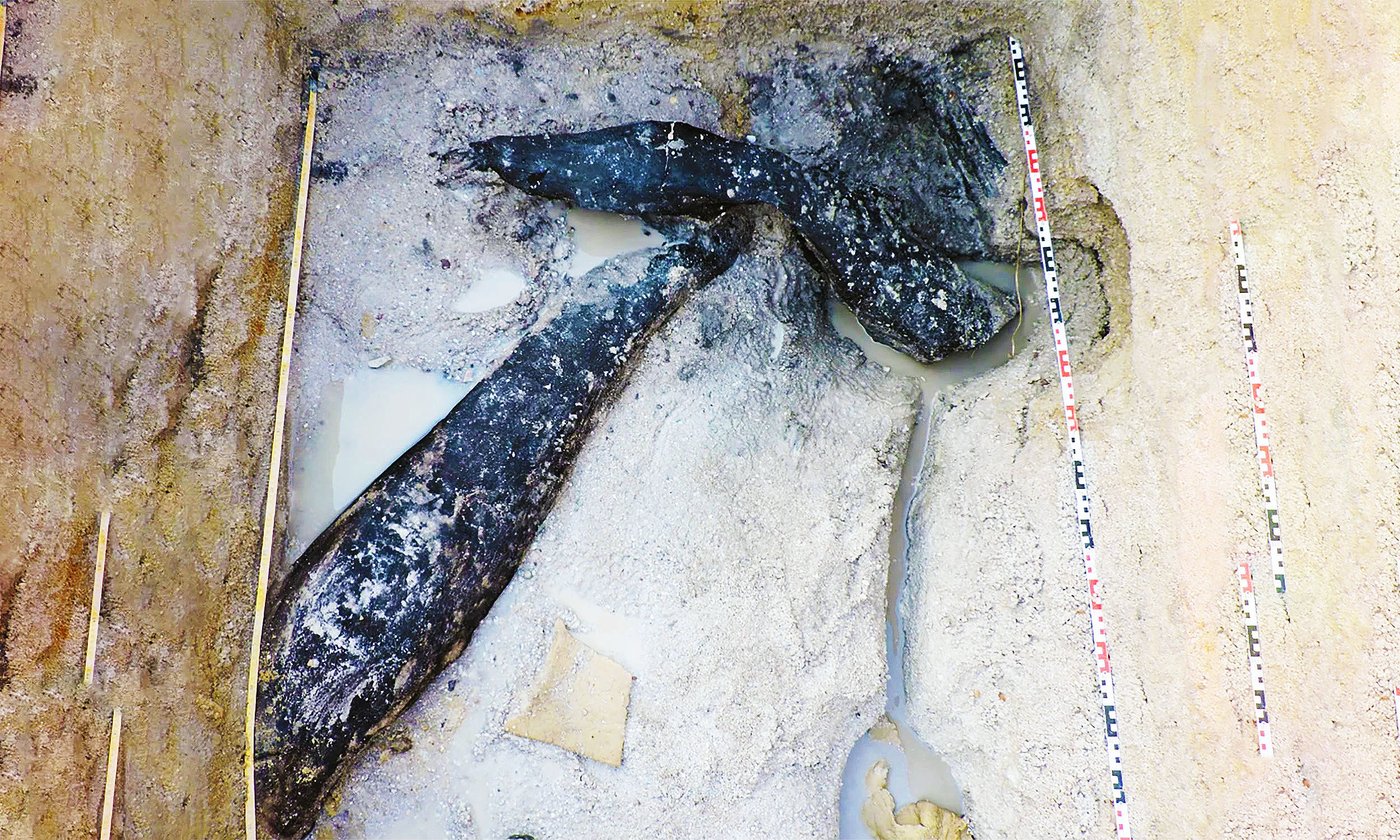
A groundbreaking discovery at Kalambo Falls in Zambia has revealed wooden structures dating back 476,000 years, challenging the traditional view of early humans as primarily stone tool users. These artifacts, possibly created by Homo heidelbergensis, include a platform or shelter base, a wedge, and a digging stick, indicating advanced woodworking skills. The findings suggest early hominins were more inventive and resourceful than previously thought, using wood to shape their environment long before Homo sapiens emerged. This discovery prompts a reevaluation of the "Stone Age" label, highlighting the significance of wood in early human history.
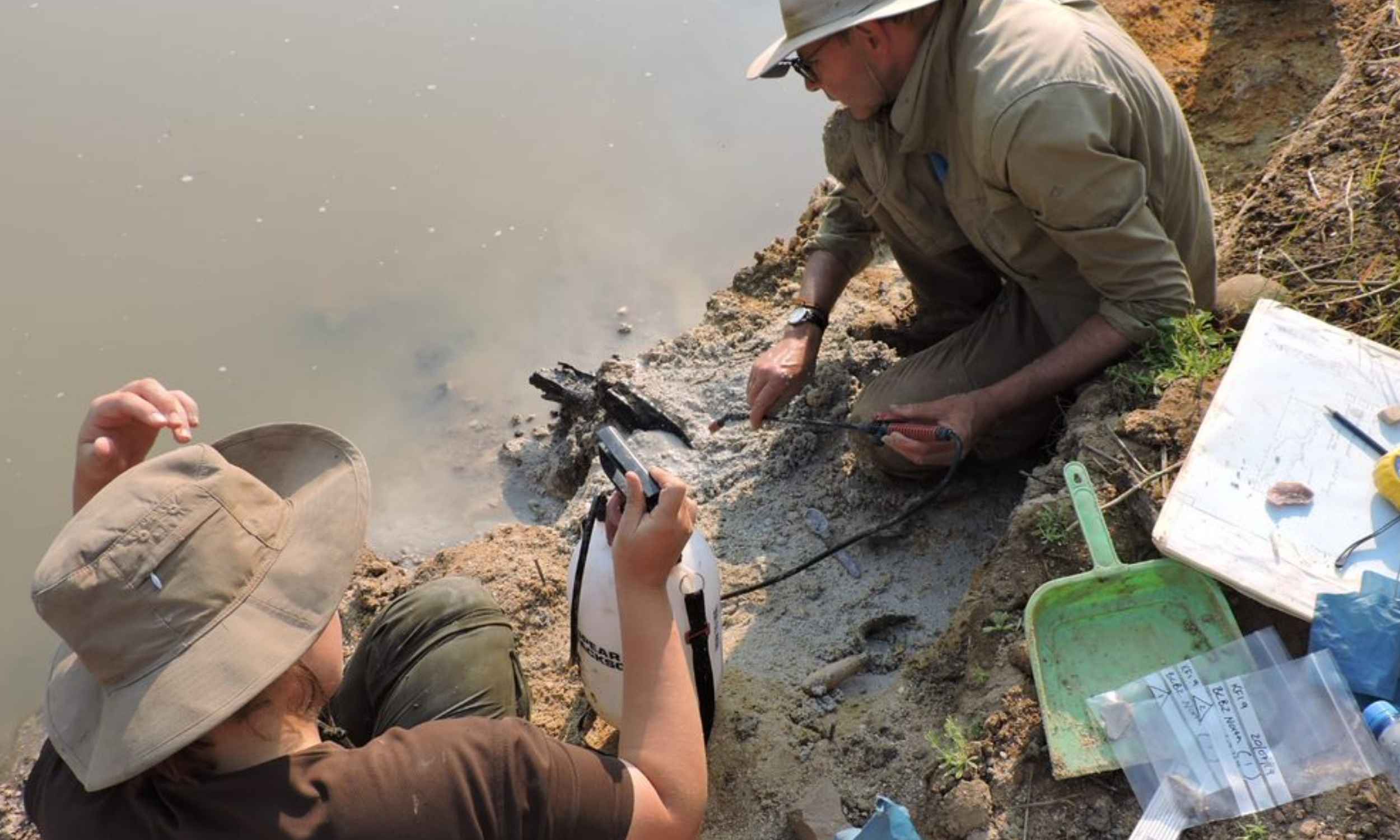
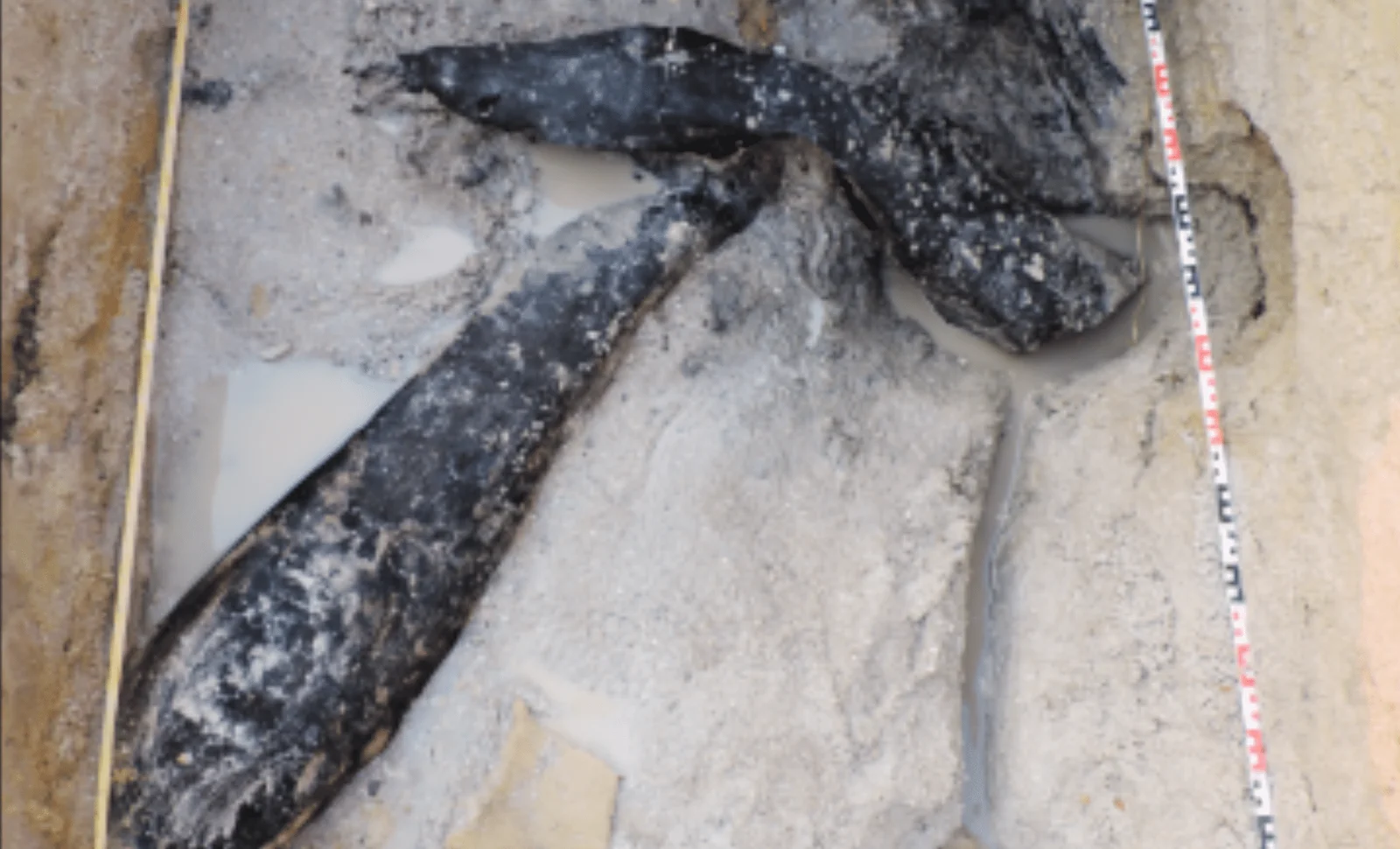
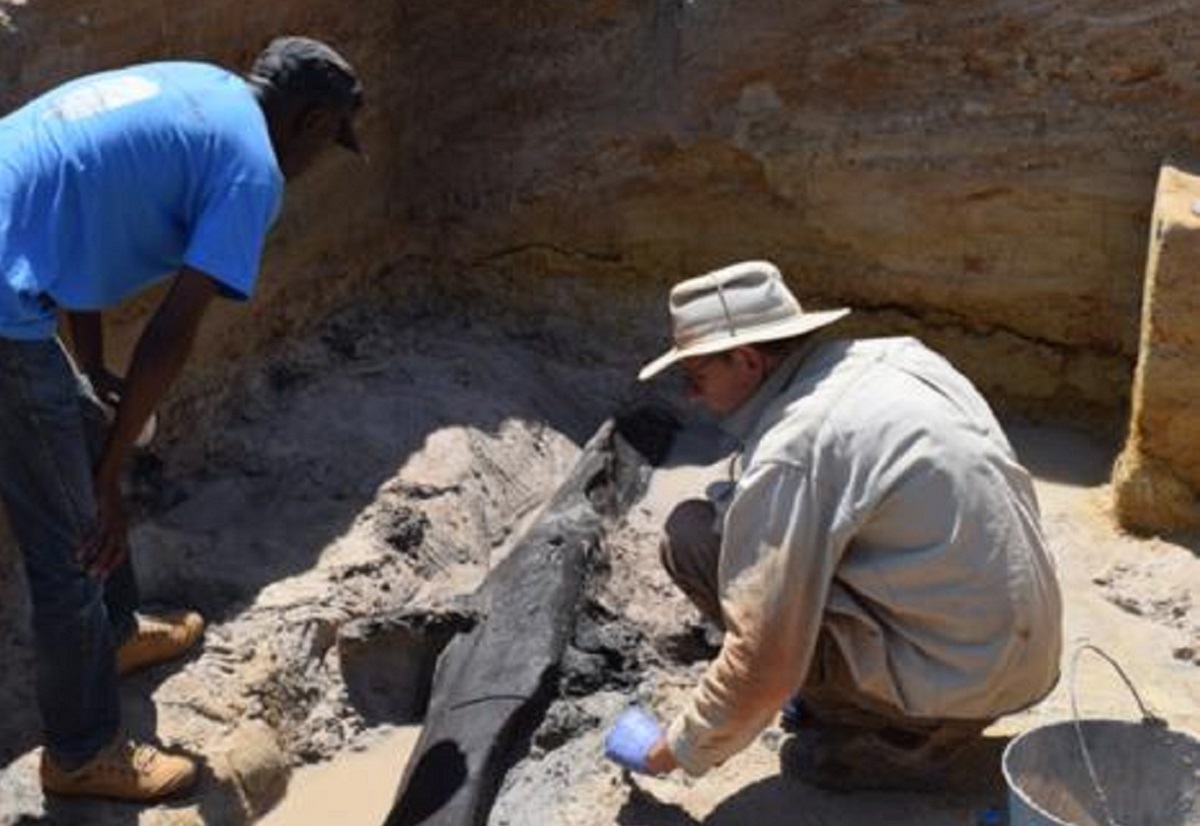
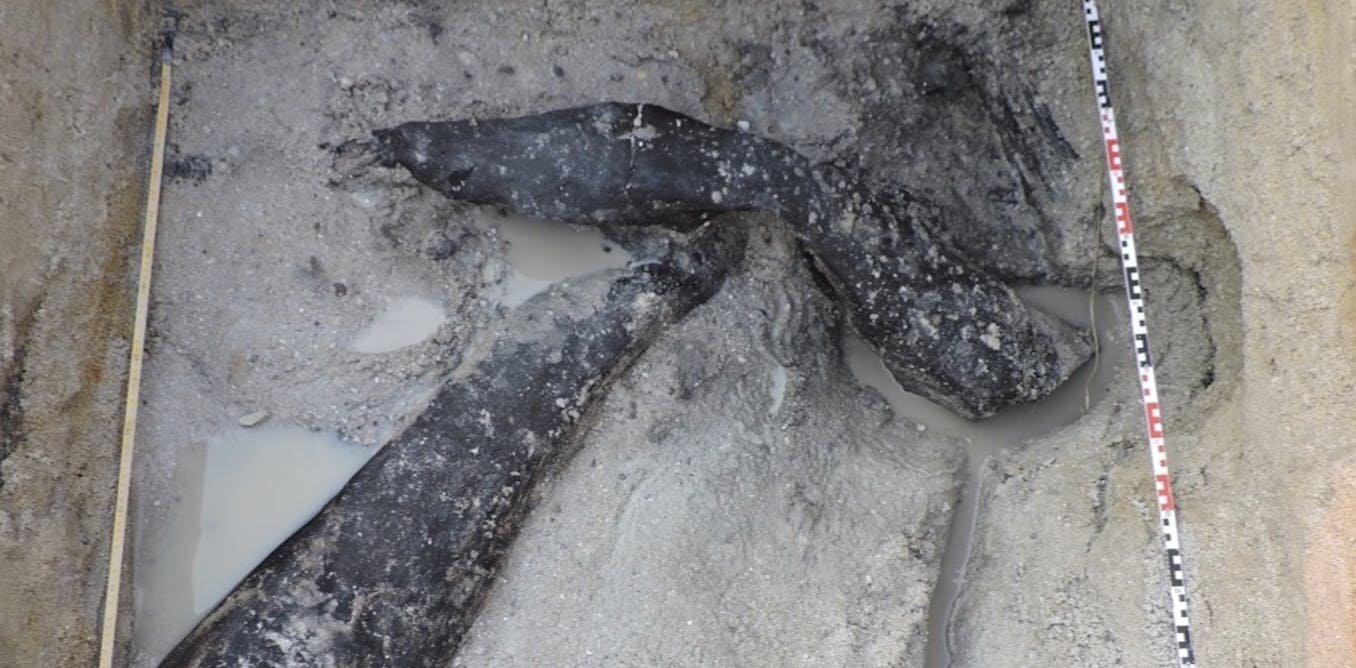
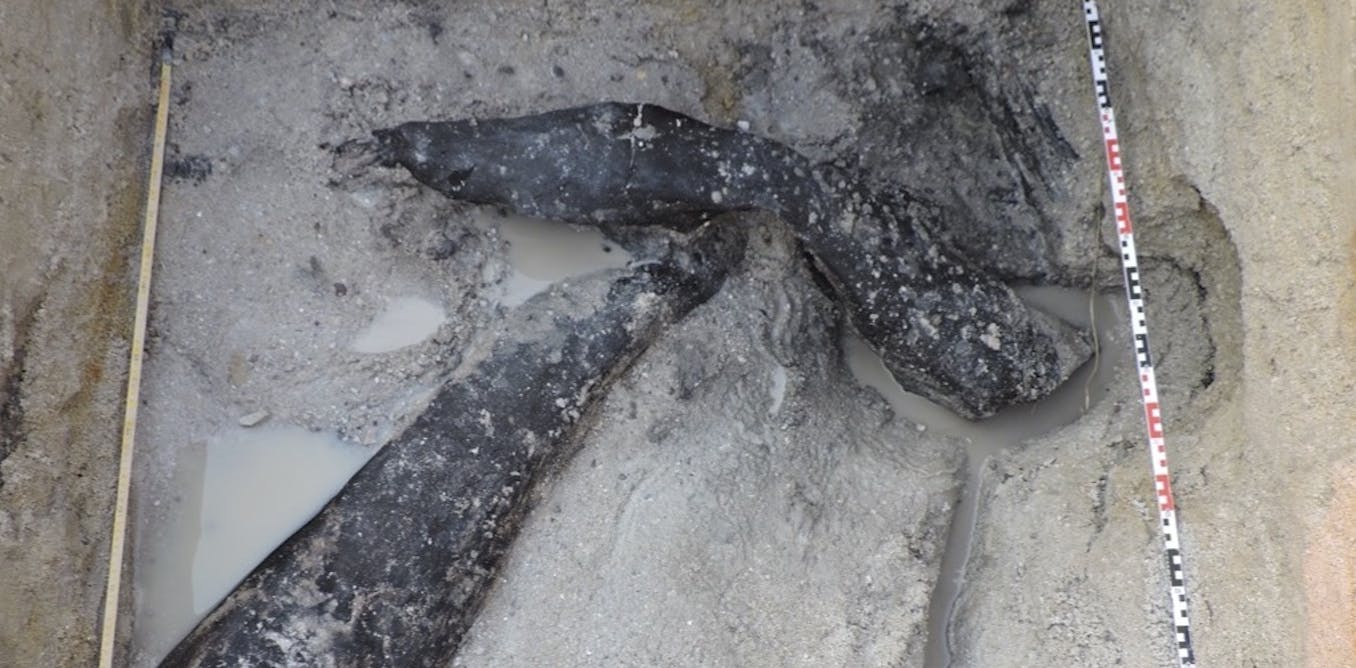
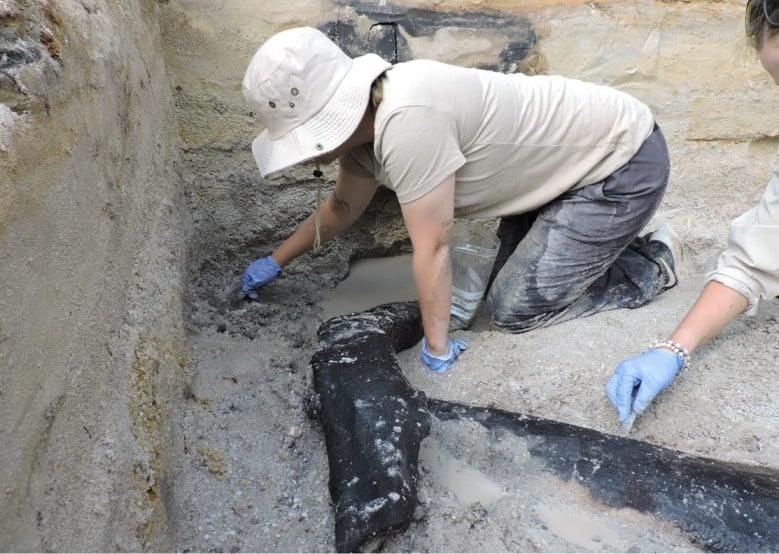
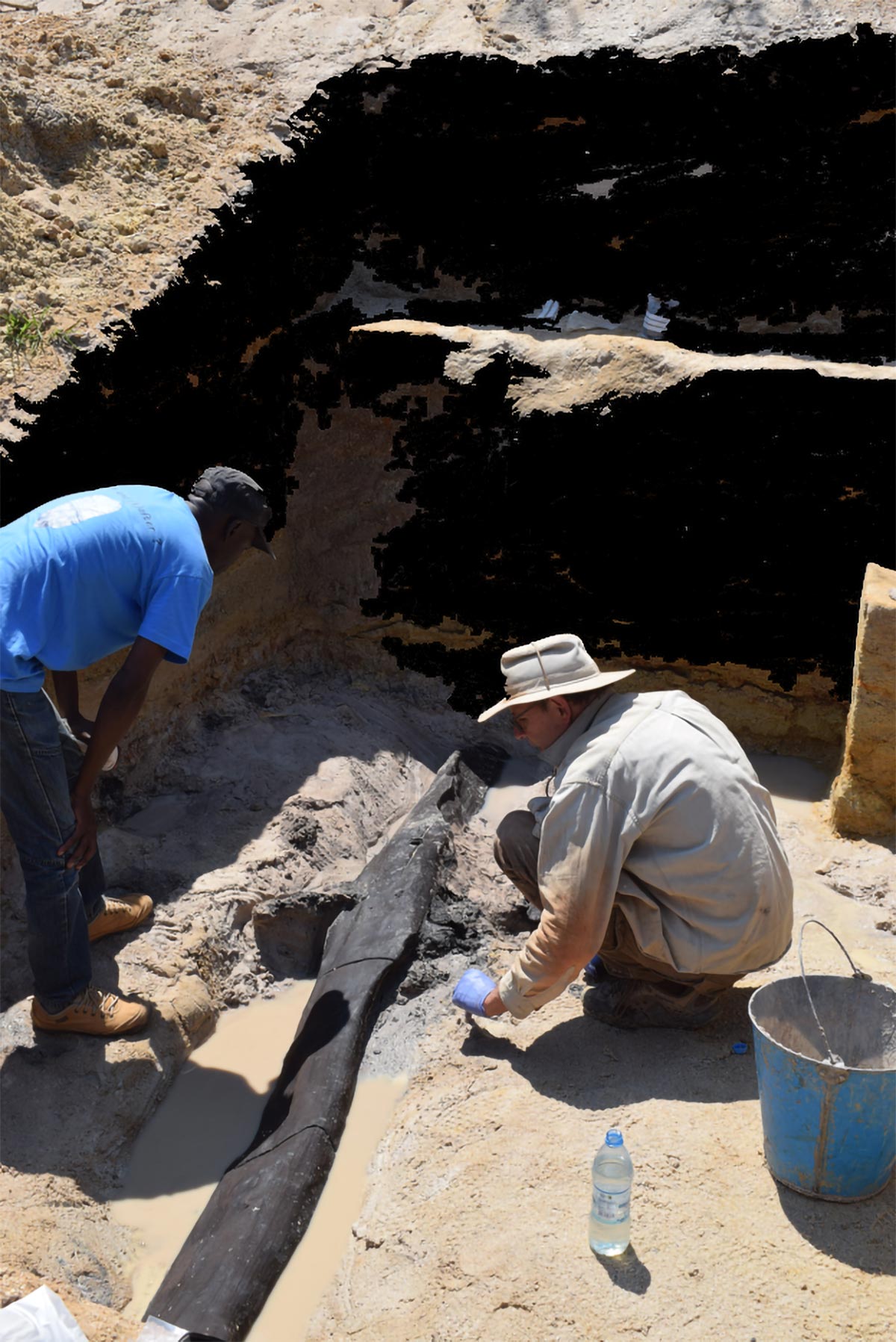
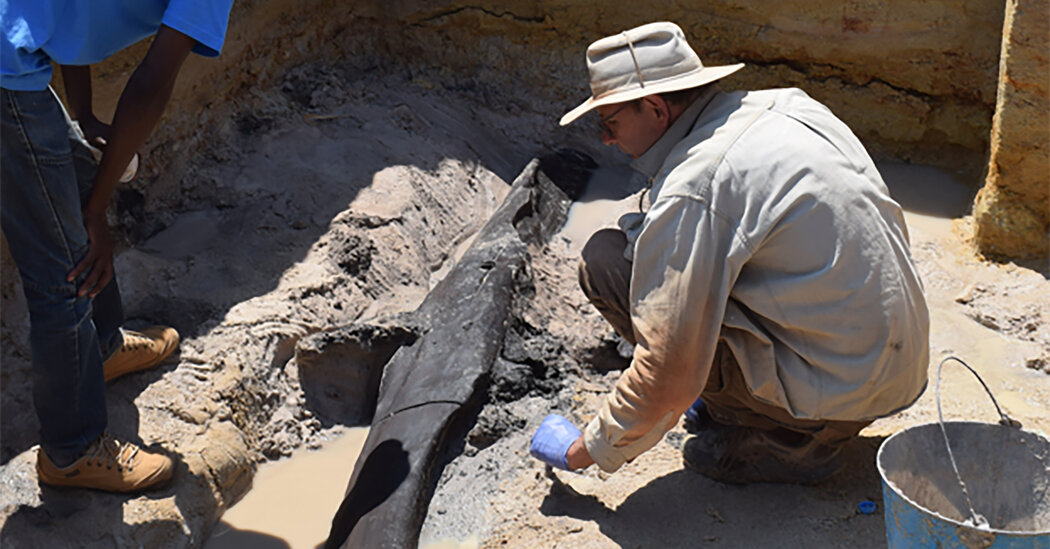
Archaeologists have discovered the oldest wood structure ever found, dating back 476,000 years, at Kalambo Falls in Zambia. The structure, made by an unknown species of hominins predating Homo sapiens, consisted of two interlocking logs joined by a cut notch. Additionally, four wooden tools were found at the site. The discovery challenges previous assumptions about early human capabilities and suggests that these hominins may have lived in the area for an extended period of time. The finding provides valuable insights into human evolution and may contribute to Kalambo Falls becoming a UNESCO World Heritage Site.
Researchers have discovered an extraordinary 476,000-year-old wooden structure at Kalambo Falls, Zambia, indicating that ancient human ancestors were engaging in advanced woodworking much earlier than previously believed. The artifacts found suggest that these early humans intentionally shaped and combined logs, challenging the notion that Stone Age humans were strictly nomadic. The preservation of the wood is remarkable, as it is typically lost to deterioration over time. Advanced dating techniques were used to determine the age of the artifacts, providing deeper insights into human evolution. Kalambo Falls is being considered for UNESCO World Heritage Site status, and further discoveries are anticipated from this significant archaeological site.
The discovery of a wooden structure dating back 476,000 years challenges the notion that our ancient relatives were less sophisticated than modern humans. Excavated from Kalambo Falls, Zambia, the well-preserved evidence includes wooden tools and a sophisticated wooden structure, highlighting the early hominins' ability to source and shape wood. This finding has significant implications for our understanding of sustainable materials and the capabilities of early hominins during the Early Stone Age. It also challenges the linear view of progress and highlights the potential benefits of using perishable materials like wood for construction.
The discovery of a half-a-million-year-old wooden structure at Kalambo Falls in Zambia challenges the notion that our ancient relatives were less sophisticated than modern humans. The well-preserved evidence, including wooden tools and structures, demonstrates the early hominins' ability to source and shape wood with tools. This finding has significant implications for our understanding of sustainable materials and the capabilities of early hominins during the Early Stone Age. It also highlights the potential benefits of using perishable materials like wood for construction, which is more environmentally friendly compared to modern materials.
Archaeologists have discovered a half a million-year-old wooden structure at the archaeological site of Kalambo Falls in Zambia, predating the evolution of Homo sapiens. Stone tool cut marks on the wood indicate that early humans shaped and joined two logs to create a structure, challenging the belief that Stone Age humans were nomadic. The finding provides evidence of early humans using wood for more than just fire, sticks, and spears, and suggests they had the intelligence and skills to create something new. The wood was dated using luminescence dating, and the researchers hope to uncover more discoveries in the area in the future.
Archaeologists from the University of Liverpool and Aberystwyth University have discovered the world's oldest wooden structure at Kalambo Falls, Zambia, dating back at least 476,000 years. The well-preserved wood reveals that early humans were capable of constructing wooden structures, challenging previous notions about Stone Age lifestyles. The find suggests that these humans had the ability to settle and create new things, highlighting their intelligence and imagination. The discovery also challenges the belief that Stone Age humans were nomadic, as the site provided a perennial water source and abundant food. The research was part of the 'Deep Roots of Humanity' project and has significant archaeological implications for the site's potential UNESCO World Heritage status.
Researchers have discovered nearly half a million-year-old logs in Zambia, Africa, providing evidence of early human woodworking. The logs, found near the Kalambo Falls, show signs of deliberate shaping and were likely used in the construction of large structures. This discovery pushes back the historical record of structural woodworking and suggests that early humans used wood for more ambitious creations beyond spears and digging sticks. The age of the logs was determined using a new dating technique based on quartz and feldspar grains.
Archaeologists have discovered the oldest suspected wooden structure near Zambia's Kalambo Falls, dating back to nearly half a million years ago, before the appearance of Homo sapiens. The site contains four wooden tools, including a notched branch and a cut log, indicating the use of intelligence and skills to create something new. The construction material was preserved due to waterlogging. The findings push back the timeline of human construction and provide insights into human evolution.