Most people do not consume enough dietary fiber, which is essential for health and weight management. The article highlights five natural, fiber-rich foods—oats, beans, lentils, broccoli, and apples—that can help curb appetite and support weight loss efforts, along with tips on hydration and meal timing for better appetite control.
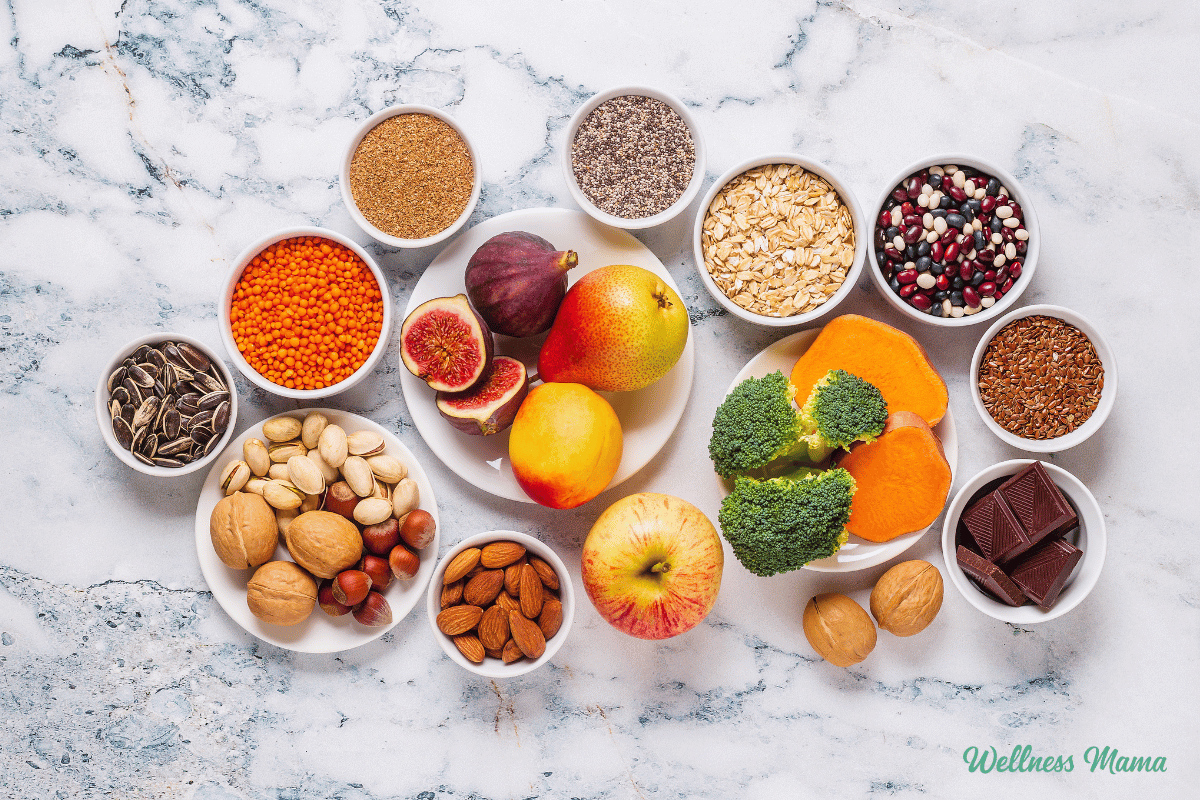
Dietary fiber is essential for digestive health and can be found in various plant-based foods such as fruits, vegetables, grains, nuts, seeds, and legumes. It comes in two types: soluble and insoluble, each offering unique health benefits. Most adults need between 25 and 38 grams of fiber daily, but many Americans fall short of this recommendation. High-fiber diets can aid in preventing constipation, lowering the risk of colon cancer, improving heart health, balancing blood sugar levels, and supporting weight management. Foods rich in fiber include beans, legumes, whole grains, vegetables, fruits, nuts, and seeds. However, individuals with certain digestive conditions or recovering from surgery may need to limit their fiber intake. Increasing fiber can be achieved through whole foods, soups, stews, raw vegetables with dip, nuts and seeds, and grain-free flour substitutes.
Due to a shortage of laxatives caused by increased demand, experts suggest that certain high-fiber foods can effectively relieve constipation. Fiber increases the size and softness of stool, making it easier to pass. Foods high in soluble fiber, such as beans, avocados, and sweet potatoes, are recommended. Kiwis have been found to be as beneficial as prunes for bowel movements, without causing bloating or gas. Other high-fiber foods include whole grains, legumes, berries, apples, carrots, and broccoli. Coffee and seafood, which contains magnesium, may also help with constipation.
A new study published in the journal Nature Communications suggests that the body reacts differently to calories from high-fiber whole foods compared to ultra-processed junk foods. Cheap processed foods are quickly absorbed in the upper gastrointestinal tract, providing more calories for the body and fewer for the gut microbiome. In contrast, high-fiber foods are not easily absorbed, allowing them to reach the large intestine and feed the gut microbiome. The study found that participants lost more calories on a fiber-rich diet compared to a processed-food diet, despite consuming the same amount of calories and similar macronutrient composition. This research highlights the role of gut microbes in the calorie balance and suggests that not all calories are created equal when it comes to weight gain.
Incorporating high-fiber foods, fermented foods, foods high in polyphenols, and antioxidant-rich foods into your diet can support gut health by promoting regular bowel movements, reducing inflammation, and improving overall digestive health. However, people with specific gut-related issues may require a more specific diet, and sudden changes in gastrointestinal symptoms should be discussed with a doctor.