Eggs can help support weight maintenance after stopping GLP-1 drugs like Wegovy by promoting satiety, preserving muscle, and addressing nutritional deficiencies, making them a simple, affordable aid in managing weight regain.
Most people do not consume enough dietary fiber, which is essential for health and weight management. The article highlights five natural, fiber-rich foods—oats, beans, lentils, broccoli, and apples—that can help curb appetite and support weight loss efforts, along with tips on hydration and meal timing for better appetite control.
Scientists discovered that the protein MRAP2 supports the appetite-regulating receptor MC3R, and mutations in MRAP2 can impair this support, potentially leading to obesity. This insight could pave the way for new obesity treatments targeting MRAP2 to improve appetite regulation.
Experts highlight walnuts as a beneficial addition to autumn diets, showing a 31% lower risk of weight gain due to their ability to regulate appetite, provide healthy fats, and support heart health, with a recommended daily handful for optimal benefits.
A woman from Texas, Caroline Davis, shared her significant weight loss of over 100 pounds after using Wegovy, a semaglutide injection originally designed for diabetes management, which helps reduce appetite. The article discusses the popularity of GLP-1 drugs like Wegovy and Ozempic for weight loss, their effects, and the importance of combining medication with lifestyle changes. Medical experts emphasize that these drugs are not miracle solutions and should be used under medical supervision, considering potential side effects and risks.
A new study reveals that the diabetes drug Metformin and solid foods elevate a natural appetite suppressant called Lac-Phe, offering potential strategies against obesity and type-2 diabetes. The research, published in Nature Metabolism, highlights the impact of food choices on hunger control and opens avenues for novel anti-obesity treatments and dietary guidelines. The study's findings provide insights into how Metformin influences appetite and the role of Lac-Phe in promoting the feeling of fullness after a meal, potentially leading to the development of safe and effective anti-obesity drugs.
Researchers have discovered that the molecule lac-phe, abundant after intense exercise, is responsible for the weight loss effects of the diabetes drug metformin, linking it to appetite control and metabolism. Metformin increases lac-phe levels, mirroring the effects of vigorous exercise, potentially paving the way for new weight loss drugs. The study, published in Nature Metabolism, reveals that metformin stimulates lac-phe production, leading to reduced hunger and weight loss, offering insights into potential pathways for developing effective weight loss treatments.
Incorporating spices like cinnamon, turmeric, ginger, black pepper, and mustard seeds into your diet can promote weight loss by improving metabolism, controlling appetite, regulating blood sugar levels, reducing inflammation, boosting fat metabolism, and aiding in calorie burning.
A new study challenges the traditional understanding of appetite control, revealing that taste perception, rather than signals from the stomach, primarily regulates eating behavior. Neurons in the brainstem respond quickly to taste signals to control food intake, highlighting the complex interplay between taste and brain signals in managing eating behavior. This discovery could have implications for the development of more effective weight-loss drugs and treatments.
Mounjaro, an injectable medication primarily prescribed for type 2 diabetes, can also aid in weight loss by reducing appetite and enhancing feelings of fullness. However, stopping the medication may lead to a spike in blood sugar levels and increased hunger, potentially causing weight regain. Digestive issues may also occur temporarily. The duration of Mounjaro treatment varies for each individual, and it is best to consult with a doctor for personalized guidance.
High-fiber foods, particularly those with fermentable fiber like barley, oats, rye, wheat products, beans, peas, lentils, apples, pears, and green bananas, can mimic the effects of weight-loss drugs such as Ozempic by triggering the release of hormones that decrease appetite. Fiber moves through the digestive system slowly, suppressing appetite for a longer period and reducing cravings between meals. However, not all fiber is equally effective, and foods with added fiber may not promote weight loss. Increasing fiber intake, specifically beta-glucan and barley, can be a significant step towards improving health and controlling appetite.
Users of the diabetes medication Ozempic, which contains the active ingredient semaglutide, have reported a loss of interest in alcohol, nicotine, gambling, and even favorite foods. The drug, known for its weight loss effects, appears to curb cravings and addictive behaviors by triggering hormones in the brain that keep the stomach full and reduce appetite. Some users have found it to be a game-changer for alcoholics and those struggling with other addictions. While research is limited, studies on mice have shown that semaglutide can reduce alcohol consumption and inhibit the brain's reward system. However, more research is needed before the drug can be used to help people quit alcohol.
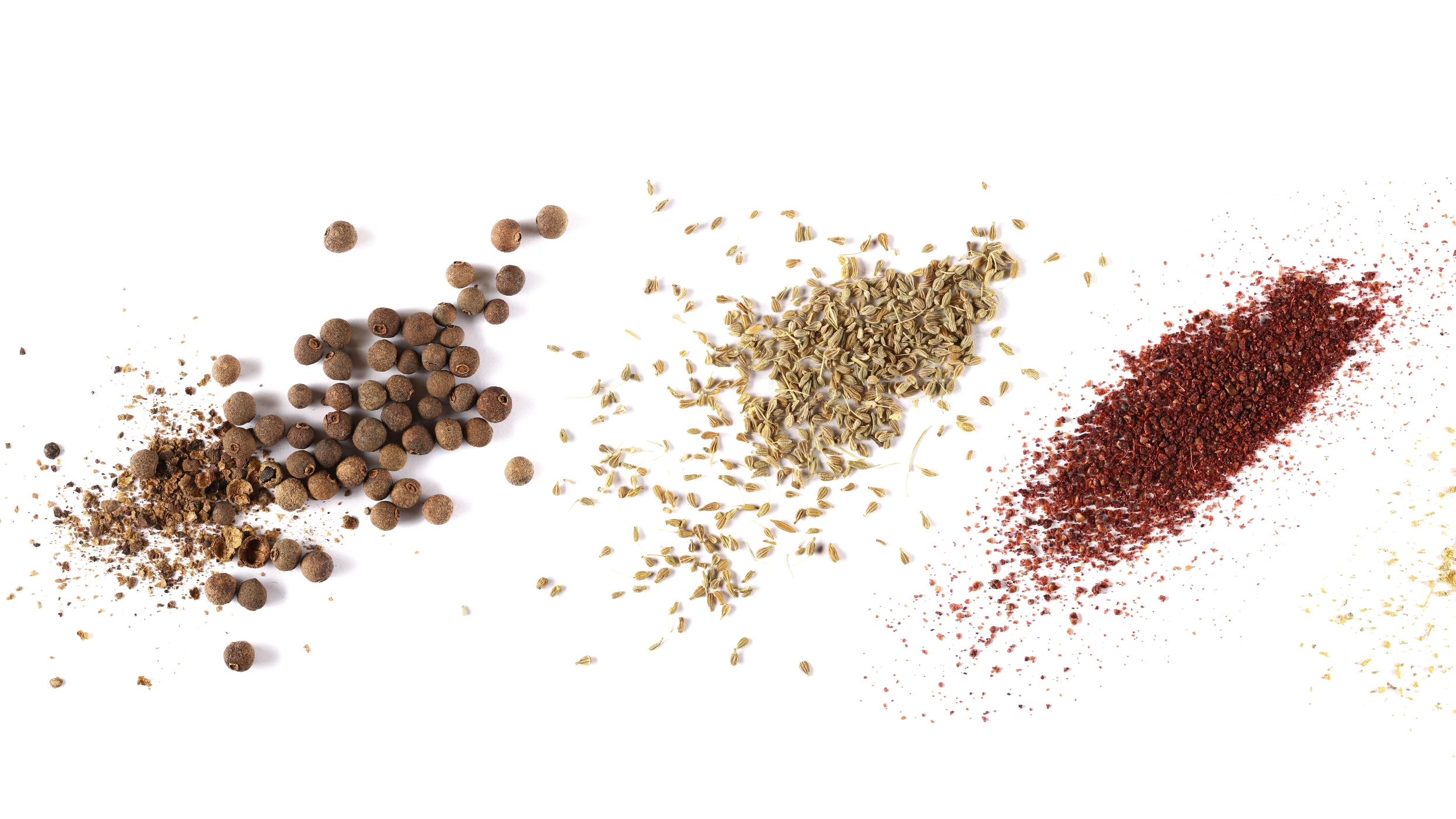
Research shows that certain spices, such as allspice, cayenne, fenugreek, and ginger, may aid in weight loss by increasing metabolism, suppressing appetite, and curbing cravings. Allspice may help prevent weight gain by aiding in the secretion of hunger-reducing hormones, while cayenne contains capsaicin, a chemical that may aid in weight loss. Fenugreek may help control appetite and reduce daily fat intake, and ginger may stimulate digestion and suppress appetite. However, professional medical advice should always be consulted before pursuing any treatment plan.
Researchers from Tohoku University’s Graduate School of Life Sciences have discovered a connection between the neuropeptides that regulate food intake in jellyfish and fruit flies, despite their 600 million years of divergence. The GLWamide/MIP system controlling feeding behavior was found to be functionally conserved between the two species, revealing deep evolutionary origins of a conserved satiety signal.