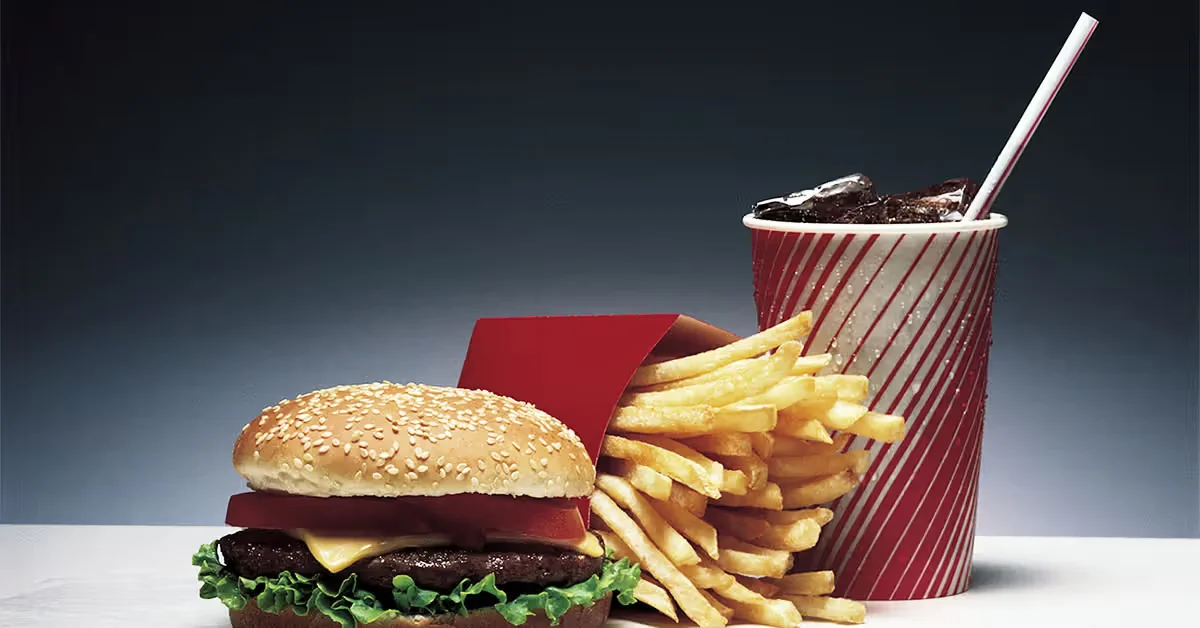
Researchers warn that ultra-processed foods (UPFs) such as Coca-Cola–flavored Oreos are engineered to hijack the brain’s reward system, fueling cravings and overconsumption; they draw parallels with tobacco, urging stricter regulation, advertising limits, and clearer labeling to curb diet-related health risks.
A BMJ study tracking more than 100,000 people for nearly 15 years found that higher intake of several common food preservatives—such as sulfites, nitrates/nitrites, potassium sorbate, and related additives—was associated with a modestly higher overall cancer risk. The researchers emphasize that this is an association, not causation, and results may reflect broader ultra-processed diet patterns; experts advise moderating processed foods, reading labels, and prioritizing whole foods while encouraging safer preservation methods.
A BMJ-backed study tracking over 100,000 people for about 15 years found that higher intake of several common food preservatives (including sulfites, nitrates/nitrites, and potassium sorbate) was linked to a modestly higher risk of overall cancer and some cancer types. The authors emphasize association, not causation, and experts note results may reflect broader ultra-processed diets. To reduce risk, focus on whole foods, read labels, limit processed meats, and consider safer preservation methods when possible.
New research links emulsifiers in ultra-processed foods to disruption of the gut microbiome: animal studies show emulsifiers push bacteria toward the gut lining, causing inflammation, and human data hint at increased risk of inflammatory diseases and diabetes with higher exposure; a small trial showed emulsifiers can reduce healthy gut microbes, while a Crohn's disease study suggested symptoms improved on a restricted-emulsifier diet. There is no clear public guidance yet, due to the complexity of additive mixtures ('cocktail effect'). A separate trial found that a low-UPF diet preserved greater gut microbe diversity than a high-UPF diet, reinforcing the value of cooking from fresh ingredients and moderating processed foods.
A Financial Times Books Essay reviews two titles—Feed the People! and Meat—that argue not all ultra-processed foods are equal and that the future of feeding a growing population lies in embracing industrial innovation rather than shunning it. The authors praise the democratizing potential of shelf-stable foods (like Huel) while emphasizing the need to reduce meat consumption and pursue affordable meat substitutes, including plant-based ingredients and cultured meat. They warn of environmental and health risks from intensive farming, antibiotic resistance, and regulatory uncertainties, but advocate pragmatic government action to encourage healthier, scalable solutions without moralising. The piece also critiques nostalgic calls for a pre-industrial diet while acknowledging the social costs of current systems, such as poverty wages in the agrifood sector.
Health Secretary RFK Jr. says the FDA will act on a petition to overhaul how ultra-processed foods are evaluated, potentially challenging the GRAS status of sweeteners; however, he cautions that action may not mean immediate new regulations and emphasizes informing the public about what they're eating.
A Healthline study of over 24,000 adults in southern Italy found that cancer survivors who ate the most ultra-processed foods had about 48% higher risk of death from any cause and 57% higher risk of death from cancer, compared with those who ate the least. The researchers link this to increased inflammation and resting heart rate, and emphasize that overall dietary patterns matter more than individual foods. The study is observational and cannot prove causation, but experts advocate reducing ultra-processed foods in favor of fresh, minimally processed meals.
A JAMA Oncology study of over 29,000 women under 50 found that those with about 10 servings per day of ultra-processed foods had a 45% higher risk of adenomas, precursors to colorectal cancer, than those consuming around three servings. While observational and not proof of causation, experts say reducing ultra-processed foods and prioritizing whole foods may lower risk, possibly by improving gut health and reducing obesity; regular screening remains important.
A licensed dietitian identifies five eating habits she says may accelerate aging—regular overconsumption of sugar and refined carbs, heavy reliance on ultra-processed foods, persistently high animal-protein intake, neglecting gut health, and chronic under-fueling—and offers a plant-forward, minimally processed approach with adequate protein and gut-friendly foods to support long-term healthspan.
A scoping review of 123 studies links higher intake of ultra-processed foods with more depressive symptoms and other mental-health issues, potentially through brain lipid disruption and increased inflammation. The findings suggest that shifting toward whole, nutrient-dense foods and healthier fats may support better mood and emotional well-being, with practical swaps like choosing fruits, vegetables, nuts, and water or coffee with less sugar over sugary drinks and fried snacks.
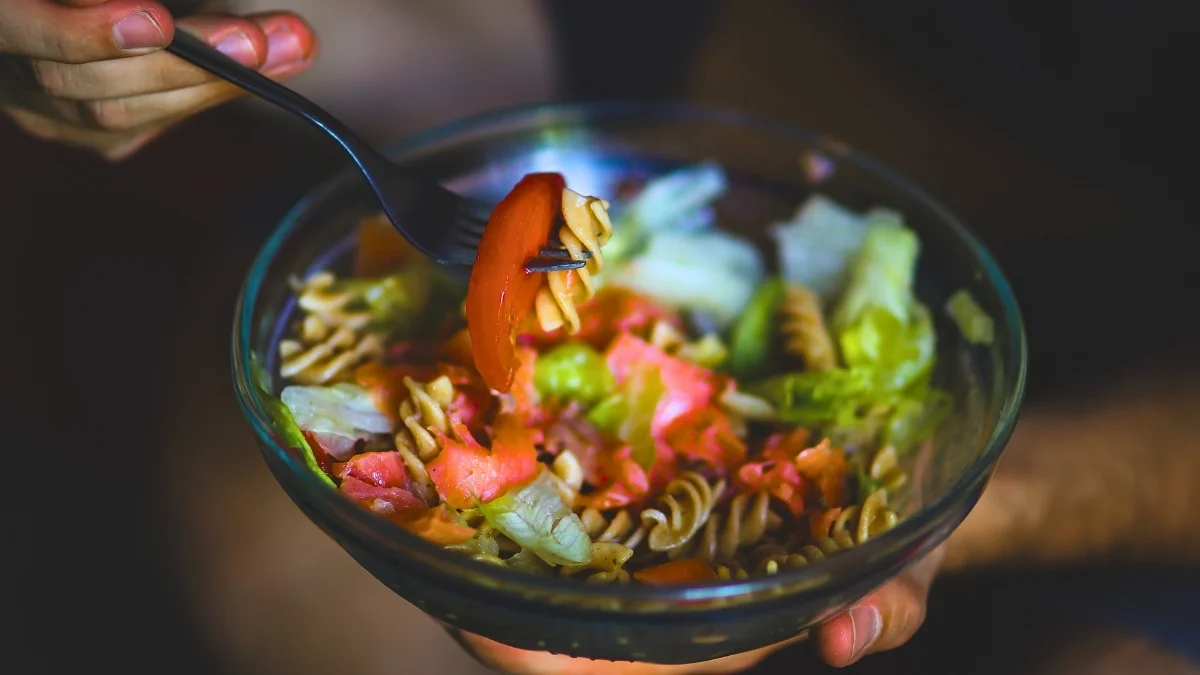
A NutriNet-Santé study links certain preservatives in ultra-processed foods to higher risks of breast and prostate cancer and type 2 diabetes. The piece outlines seven practical swaps to reduce exposure: swap processed meats for fresh proteins (or nitrite-free options), flavor water with cucumber and lemon instead of cordials, use lemon-based dressings rather than vinegar-containing ones, choose tinned tomatoes with fewer additives over ready-made sauces, opt for fruit over sweets, switch crumpets to sourdough varieties with no artificial preservatives, and choose freshly baked bread or products with shorter ingredient lists. The article notes the relative risk increases are small and emphasizes label-reading tools and ongoing regulatory review.)
A global study of 400,787 adults across 60 countries finds that frequent ultra-processed food intake is associated with lower mental wellbeing and higher clinical distress, including poorer cognitive control and depressive symptoms. The effect is dose‑dependent with intake frequency and remains after adjusting for exercise and trauma; the authors estimate 3.4%–7.8% of global mental distress could be linked to such diets, especially among young adults in English-speaking nations. Because the study is cross‑sectional, causality can’t be established; researchers call for longitudinal studies and policy actions like labeling or taxation to shift consumption.
A UK Biobank study of about 170,000 adults over a median of ten years found that high adherence to the MIND diet—rich in leafy greens, berries, nuts, whole grains, and fish—was linked to lower risk of dementia and stroke and fewer depression and anxiety symptoms, along with slower biological aging and preserved brain volumes; in contrast, high intake of ultra-processed foods predicted higher risks for dementia, depression, anxiety, and Parkinson's disease. The findings were validated in American and Chinese cohorts, and potential pathways include improved metabolism and aging biomarkers (e.g., GDF-15). Mendelian randomization suggested possible causality, but the study remains observational and randomized trials are needed.
In a small, real-world feeding study of adults 65 and older, lowering ultra-processed foods to under 15% of calories (via two eight‑week diets—one meat-based, one vegetarian with dairy) led to natural calorie reductions, weight and abdominal fat loss, and improvements in insulin sensitivity, cholesterol, inflammation, and appetite/metabolism hormones, with similar benefits across both diet types; the study suggests realistic dietary shifts away from ultra-processed foods can boost metabolic health in aging populations, though larger, longer trials are needed.
Cream cheese provides vitamin A, zinc and vitamin K2 but is high in saturated fat (about 16 g per 100 g) and relatively low in calcium compared with other cheeses. Some experts classify it as ultra-processed due to stabilisers and emulsifiers in mass‑market brands, while others note its fermented status and potential gut benefits. The health impact depends on context: it’s better eaten with vegetables or wholegrain bread, and lower‑fat versions exist. Overall, a small daily portion can fit into a balanced diet, especially if paired with nutrient‑dense foods.