A study suggests that consuming polyphenol-rich foods like berries, coffee, and olive oil may support long-term heart health by improving cardiovascular risk profiles and maintaining favorable cholesterol levels, although causality has not been established. Incorporating these foods into a balanced diet could be beneficial for heart health as part of overall healthy lifestyle choices.
A decade-long study from King’s College London found that diets rich in polyphenol-containing foods like berries, tea, coffee, and whole grains are associated with slower progression of cardiovascular risk, supporting better long-term heart health.
A large international study finds that moderate wine consumption is associated with a 24% lower risk of coronary heart disease, mainly due to polyphenols in wine, but emphasizes that the benefits depend on amount and pattern of drinking, and that moderation and individual health considerations are crucial.
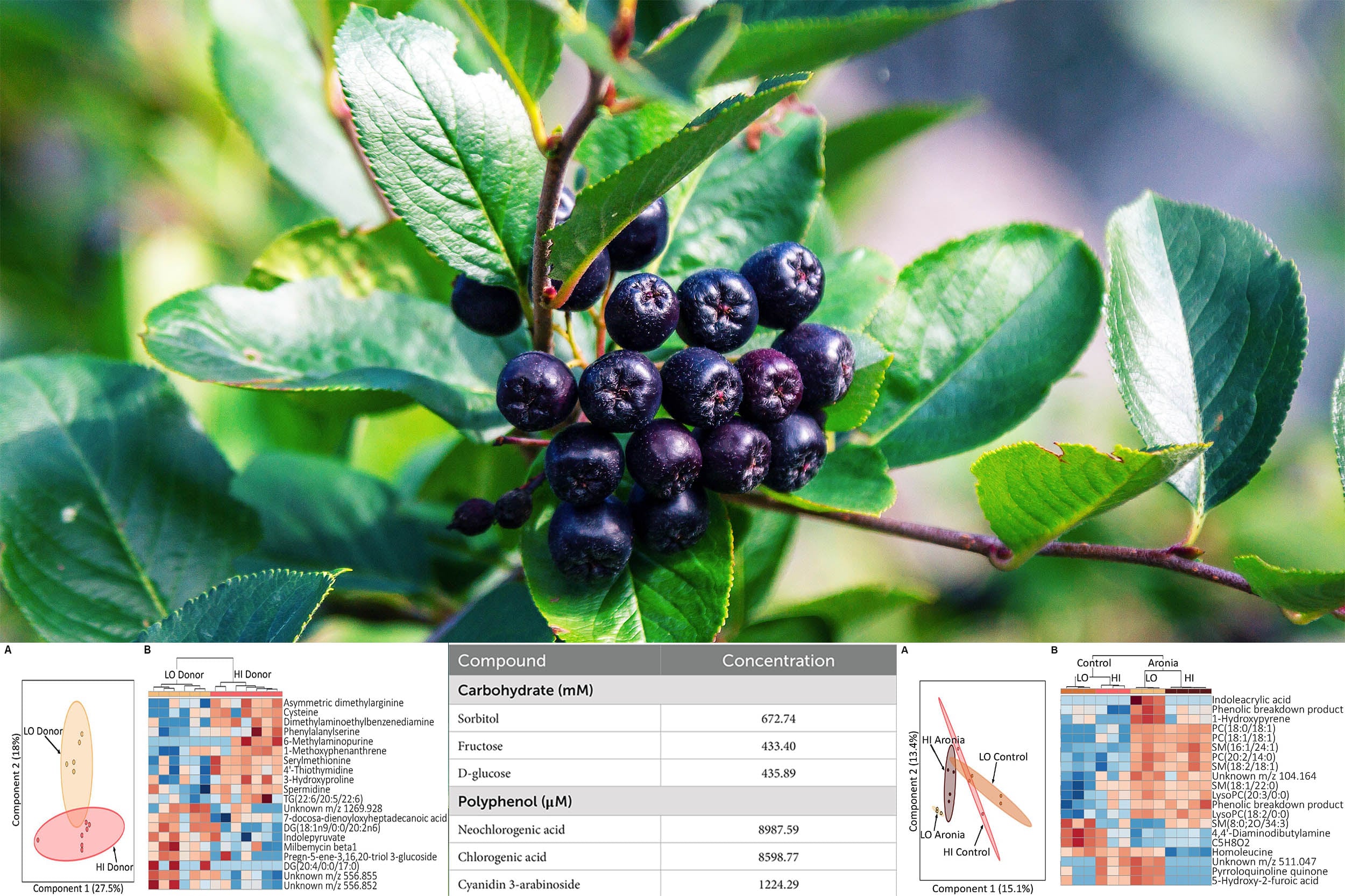
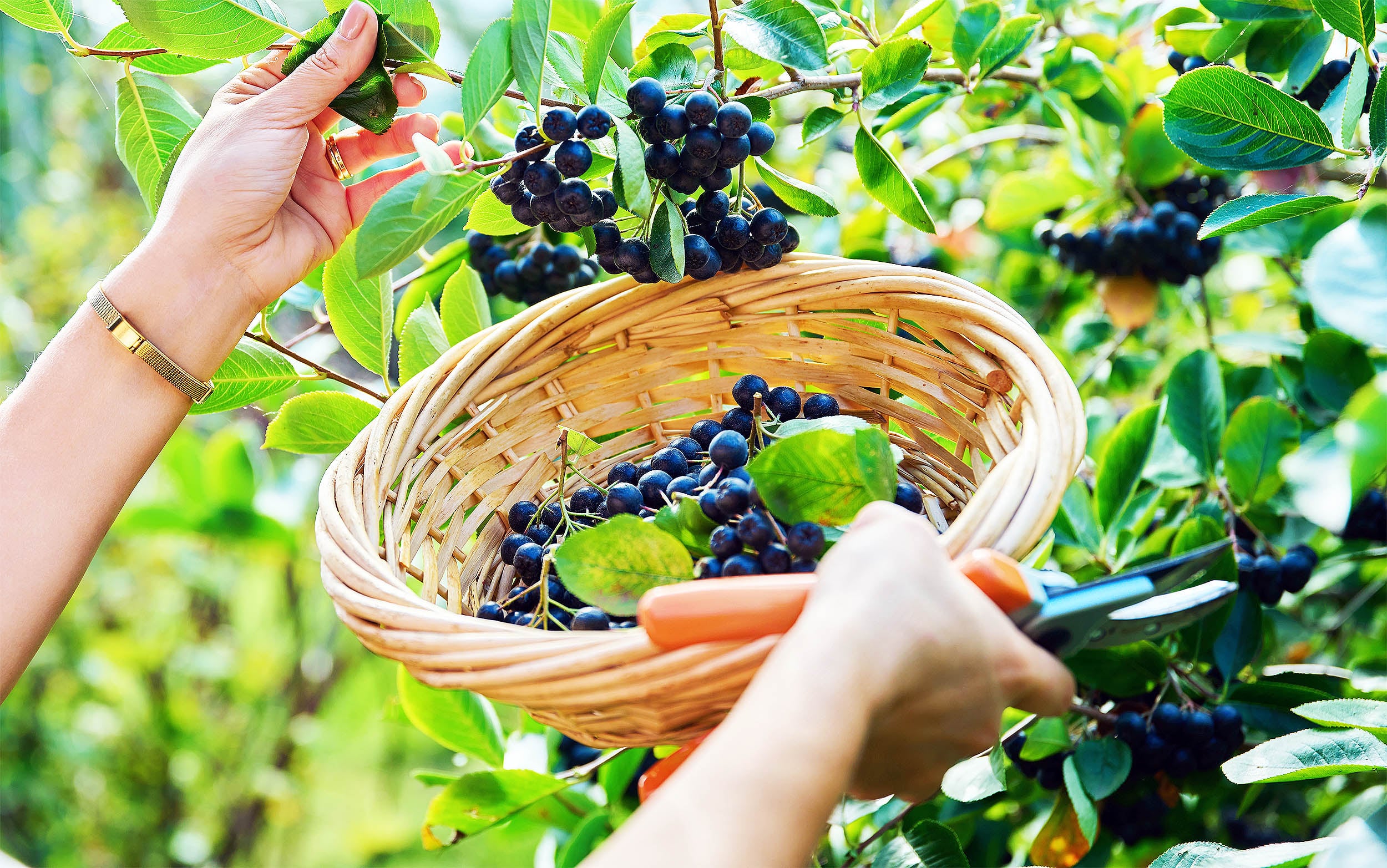
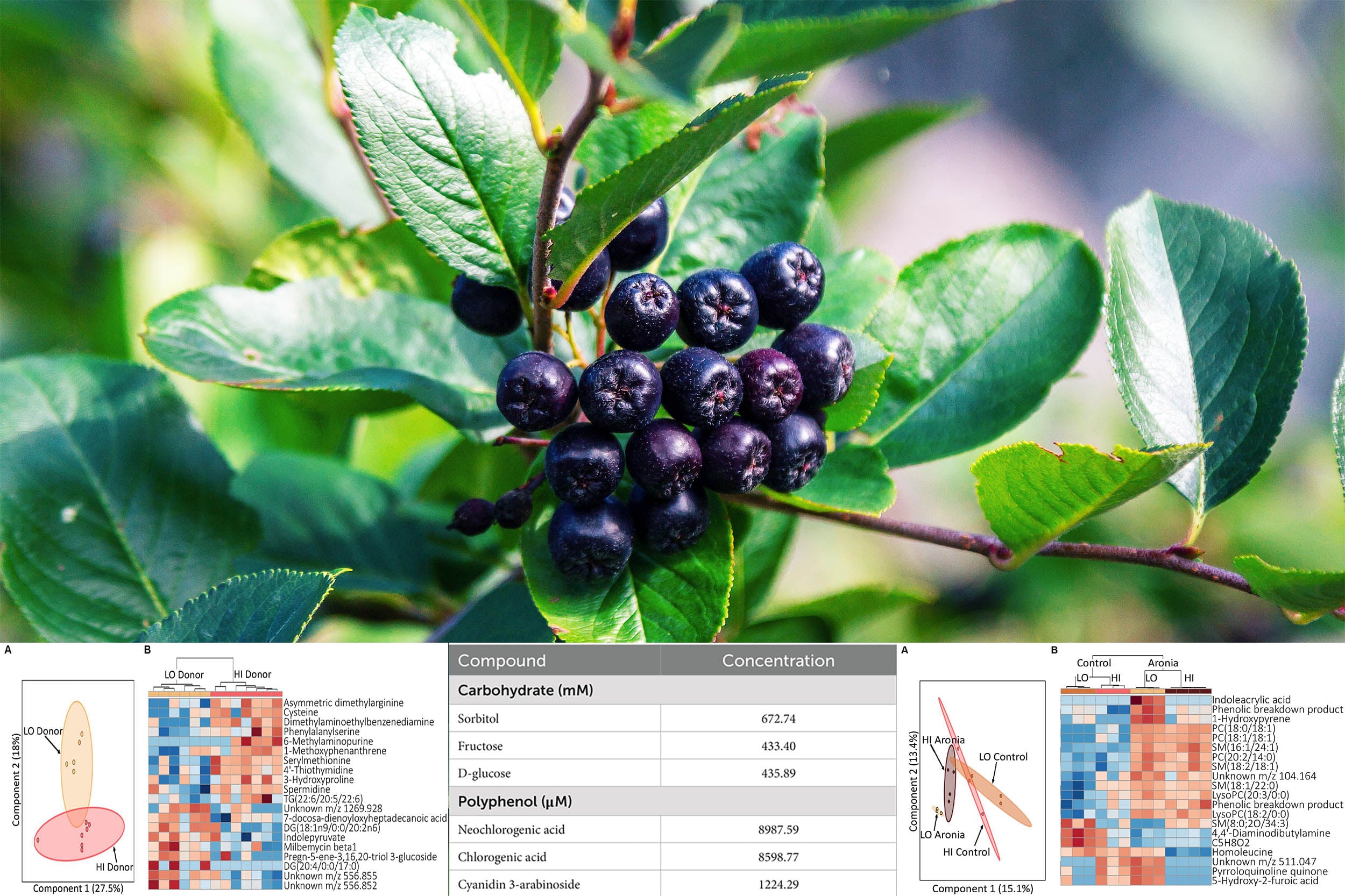
A study shows that polyphenol-rich Aronia juice can support gut health and improve metabolic responses to a high-fat diet, potentially lowering blood sugar and blood pressure, with effects influenced by the existing microbiome composition.
A study using a human microbiome mouse model found that polyphenol-rich Aronia (black chokeberry) juice can support gut health and metabolic stability during a high-fat diet, potentially helping regulate blood sugar and blood pressure, with effects influenced by the existing gut microbial community.
A study shows that polyphenol-rich Aronia juice can support gut health and metabolic stability, especially during high-fat diets, by promoting beneficial bacteria and improving blood lipid profiles, with effects influenced by the existing microbiome composition.
A study suggests that a green Mediterranean diet, rich in plant-based foods like walnuts, green tea, and Mankai, may help slow brain aging by reducing proteins linked to cognitive decline, likely due to its high polyphenol content and anti-inflammatory properties.
Recent research suggests that increasing intake of polyphenols—plant compounds found in berries, green tea, coffee, and dark chocolate—may have geroprotective effects, potentially supporting healthier aging and longevity, especially when part of a balanced, plant-rich diet. However, longevity is influenced by multiple factors including lifestyle and genetics, and more research is needed to determine specific intake levels for health benefits.
A new study suggests grapes should be recognized as a superfood due to their rich content of antioxidants and polyphenols, which support various health aspects including heart, brain, and skin health, despite their high sugar content. Experts recommend including grapes as part of a balanced diet rather than focusing solely on their potential superfood status.
While matcha offers health benefits like antioxidants and improved focus, excessive consumption may hinder iron absorption, especially in vegetarians relying on plant-based iron sources, potentially leading to iron deficiency. To enjoy its benefits without risks, it's advised to avoid drinking matcha with meals and to consume it plain.
Scientists are exploring the use of polyphenols, natural antioxidants found in fruits, to create ice cream that resists melting by forming a supportive network within the cream, potentially leading to more durable frozen desserts, though it may alter texture and does not prevent melting entirely.
A peer-reviewed study argues that grapes should be classified as a superfood due to their rich content of over 1,600 bioactive compounds, including antioxidants and polyphenols, which support cardiovascular, brain, skin, gut, and eye health, as well as positively influence gene expression.
Harvard researchers suggest that eating about five ounces of dark chocolate weekly may reduce the risk of developing type 2 diabetes by 21%, thanks to its high polyphenol content, though moderation is advised as milk chocolate does not offer the same benefits.
Originally Published 6 months ago — by MindBodyGreen
Recent research suggests that consuming plant-based foods rich in polyphenols, such as turmeric, garlic, berries, and green tea, may help slow biological aging by reducing epigenetic age, a marker of cellular aging, although more diverse studies are needed to confirm these findings.
A nutritionist warns that unfiltered coffee brewing methods like French press and espresso may increase cancer risk due to diterpenes, while filtered methods like drip coffee can reduce this risk by trapping harmful compounds. She also advises avoiding plastic equipment to prevent microplastic contamination and highlights that instant coffee contains higher levels of carcinogenic acrylamide, though significant health risks require high consumption. The choice of brewing method and equipment can influence coffee's health effects.