The article discusses the negative health impacts of ultra-processed foods, identifies five common UPFs to avoid, and offers healthier alternatives, emphasizing moderation and informed choices for a better diet.
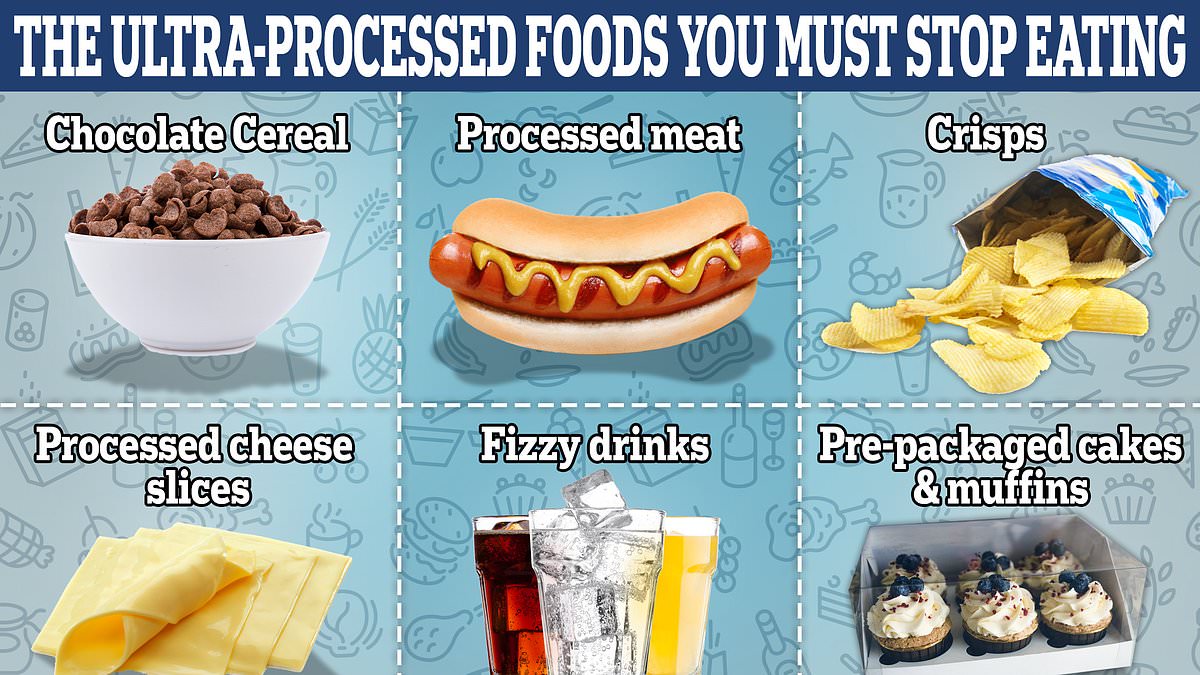
Registered nutritionist Rob Hobson suggests swapping ultra-processed foods like chocolate breakfast cereals, processed meat, crisps, processed cheese slices, fizzy drinks, and pre-packaged cakes and muffins for healthier options to lower the amount of UPFs in your diet. He recommends choosing wholegrain cereals with less sugar, replacing processed meats with plant proteins or lean poultry, opting for plainer crisps, using real cheese instead of processed slices, switching fizzy drinks for sparkling water with added fruit, veggies, and herbs, and choosing healthier sweet treats like pressed fruit and nut bars.
A food writer shares her love for Trader Joe's Kohlrabi Vegetable Pasta, praising its versatility, nutrient content, and time-saving convenience. The kohlrabi noodles are low in calories and carbs, high in fiber, and quick to cook, making them a great option for those seeking to incorporate more vegetables into their meals. With a mild flavor and sturdy texture, they can be used in various dishes as a nutritious and easy pasta swap.
An anti-diet approach to nutrition focuses on intuitive eating and gentle nutrition, which involves incorporating nutrient-dense foods without restriction. Strategies to improve overall nutrition include eating a high-protein and high-fiber breakfast, making simple swaps like using natural sweeteners instead of coffee creamer and whole grains instead of refined grains, combining macronutrients when snacking, honoring food cravings while adding beneficial nutrients, and adding nutrient-packed foods to meals. It's important to view nutrition as a long-term journey and focus on incorporating healthy habits into your overall eating pattern.
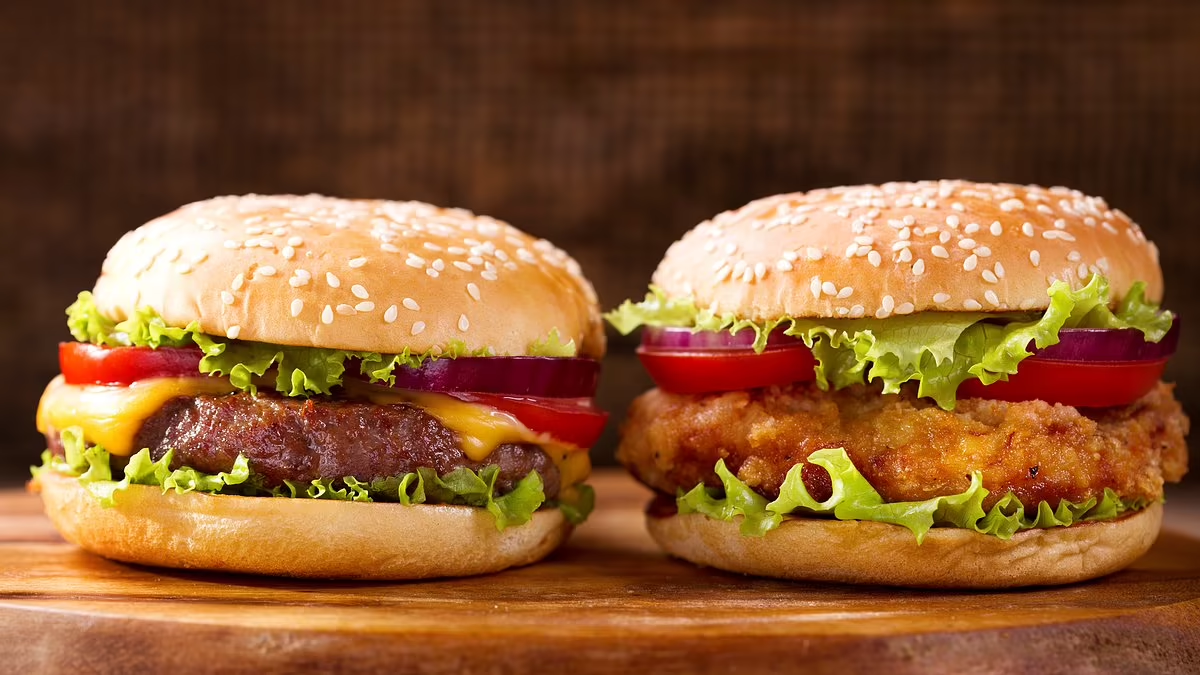
Simple food swaps can help reduce your carbon footprint by up to 35%. Researchers from Stanford University and Tulane University analyzed the diets of over 7,700 Americans and identified commonly eaten foods with high climate impact. They found that substituting grilled beef steak with grilled chicken, BBQ beef short ribs with BBQ pork short ribs, canned corned beef with turkey ham, cooked crab with poached salmon, and cheeseburgers with grilled chicken sandwiches can significantly reduce carbon emissions. These substitutions, along with others, can lead to a 35% reduction in the average American's carbon footprint. The study emphasizes that small changes in diet can have a significant impact on both climate outcomes and overall health.
Making simple food swaps in your diet can significantly lower the risk of developing type 2 diabetes. These swaps include opting for scrambled eggs instead of cereal for breakfast, drinking black coffee instead of a latte, choosing dark chocolate over milk chocolate, replacing romaine lettuce with spinach or kale in salads, snacking on nuts instead of chips, sweetening with cinnamon or ginger instead of sugar, sipping green tea instead of black tea, garnishing with cilantro instead of parsley, and munching on berries instead of grapes. In addition to food swaps, lifestyle changes such as having a big lunch instead of a big supper, incorporating movement throughout the day, using glass cups instead of plastic, and taking warm baths can further reduce the risk of diabetes.