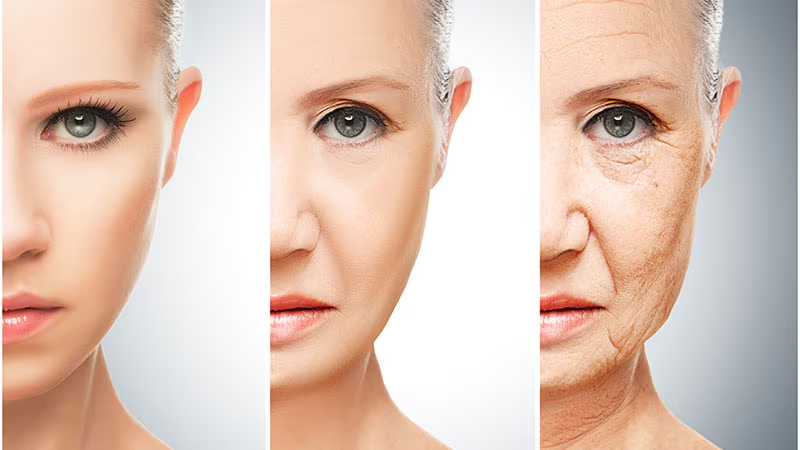
A doctor shares six cost-effective lifestyle changes—improving VO2 max, nurturing relationships, sauna use, meditation, data tracking, and biomarker awareness—that can help extend health span and promote longevity, emphasizing that simple, manageable steps can make a significant difference in aging well.
Eating about 22 almonds a day may help reduce oxidative stress and improve overall oxidative health, potentially extending health span, according to a systematic review of multiple studies. Almonds are rich in antioxidants like vitamin E and polyphenols, which combat cellular damage, and incorporating them into the diet can be a proactive, low-risk strategy for disease prevention. However, due to their calorie content, almonds should replace other snacks rather than be added on top of a normal diet.
A review in JAMA discusses advances in geroscience, a field aiming to slow aging and extend health span through interventions like caloric restriction, metformin, rapamycin, and senolytics, potentially transforming aging from a health problem into an opportunity for healthier, longer lives.
The Blue Zones lifestyle, which combines a plant-based diet with daily activity, stress reduction, and community involvement, is associated with longer and healthier lives. Blue Zones are regions around the world where residents live longer and healthier lives, and the dietary portion of the lifestyle has gained attention. The Blue Zones diet consists of mostly whole, minimally processed plant foods, with limited animal products and added sugar. While the diet has benefits, such as improved health outcomes, affordability and accessibility of fresh foods can be challenging for some. Additionally, the impact of diet and lifestyle on longevity is complex and may be influenced by genetics and other factors. Nonetheless, adopting health-promoting behaviors like stress reduction, physical activity, and a plant-forward diet can still benefit overall health.
Longevity researchers are focusing on increasing the number of disease-free years, known as health span, as people are living longer but spending more time dealing with health conditions. Genetic studies of centenarians are providing insights into health-promoting genes, with a focus on mimicking their effects through drugs. Lifestyle factors such as diet, exercise, social engagement, and good sleep are also crucial for improving health span. Some researchers are experimenting with off-label medications to combat aging, but the long-term effects are unknown. Better self-monitoring and social connectivity are also emphasized as key pillars for expanding health span.
Roy Gori, CEO of Manulife, highlighted at Davos that while people are living longer, they are not necessarily living healthier lives. He identified four main barriers to extending the American health span: nutrition, stress, sleep, and the healthcare system's focus on reacting to health problems rather than preventing them. Gori emphasized the need to address these factors to improve both life span and health span.
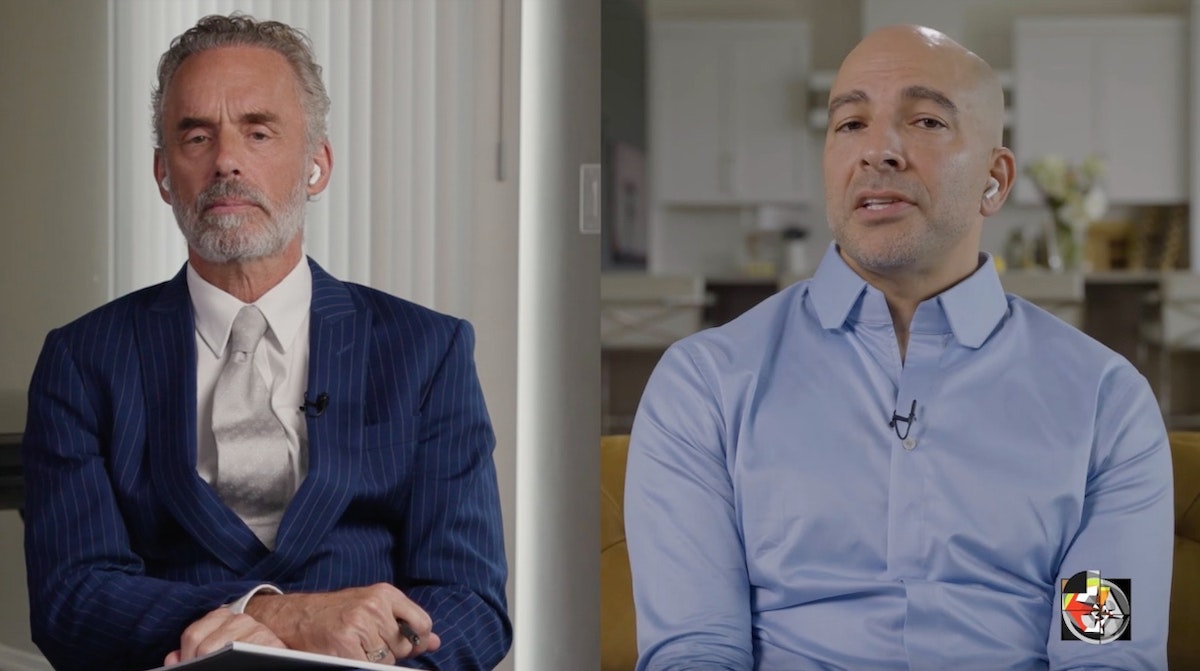
Dr. Jordan Peterson and physician Peter Attia discuss the benefits of exercise, particularly for cognitive function and overall health. They emphasize the significant impact of even just three hours of exercise per week, highlighting its role in improving cognitive function, delaying dementia, and reducing all-cause mortality. They also provide practical advice for initiating and sustaining an exercise routine, emphasizing the behavioral aspects of behavior change and the potential benefits of starting with small, manageable steps.
As Americans are living longer, the focus should shift from simply reaching a certain age to maintaining a longer health span. With the number of 85+ year-old Americans set to increase, experts suggest aiming for a decade of healthy years after retirement. Scientific research delves into the genetic markers associated with reaching 100 and beyond, with some centenarians eluding age-related diseases and others surviving earlier health challenges. The discussion of long lifespan should be paired with a discussion of health span, emphasizing the importance of maintaining good health in older age.
The SuperAgers Study, a large genetic study of elders, aims to understand why some individuals live well into their ninth or tenth decades with few physical or cognitive problems. While genetics play a role, researchers are still uncovering the protective inherited and natural factors that contribute to healthy aging. SuperAgers tend to have the APoE2 gene variant, which protects against Alzheimer's or dementia, but this is only a partial explanation. The study aims to create therapies based on biological knowledge to extend health span and lower the risk of age-related diseases for everyone. The research team hopes to enroll 10,000 individuals in the study within two years.
SuperAgers, individuals aged 80 or older who exhibit mental and physical capabilities similar to those decades younger, are being studied in the SuperAgers Study to understand the genetic factors behind their healthy aging. While genetics play a role, researchers are still uncovering the protective inherited and natural factors that contribute to longevity. The study aims to create therapies based on this biological knowledge to improve health span and lower the risk of age-related diseases for everyone. The research team hopes to enroll 10,000 individuals in the study within the next two years.
Physician and author Peter Attia emphasizes the importance of maximizing health span to live a fulfilling and disease-free life, rather than solely focusing on living to 100. Attia suggests training specifically for physical goals through the "Centenarian Decathlon" to maintain functionality and strength as we age. Exercise is highlighted as the most crucial tactic for longevity, with even small amounts of physical activity resulting in significant reductions in mortality. Attia also emphasizes the connection between metabolic diseases like Type 2 diabetes and the exacerbation of chronic diseases like cancer and cardiovascular disease. While preventive measures like screenings and gene testing may come at a cost, Attia argues that the long-term benefits outweigh the expenses, and that anyone can prioritize sleep, nutrition, and exercise for a healthier life.
Physician and author Peter Attia emphasizes the importance of maximizing health span to live a fulfilling and disease-free life, rather than solely focusing on living to 100. Attia suggests training specifically for physical goals through the "Centenarian Decathlon" to maintain functionality in old age. Exercise is highlighted as the most crucial tactic for longevity, with even small amounts resulting in significant reductions in mortality. Attia also emphasizes the connection between metabolic diseases like Type 2 diabetes and the exacerbation of chronic diseases like cancer and cardiovascular disease. While preventive measures may come at a cost, Attia argues that the alternative of treating these diseases is even more expensive. Ultimately, Attia believes that anyone can prioritize their health through lifestyle changes, regardless of wealth.
Physician and author Peter Attia emphasizes the importance of maximizing health span rather than simply aiming to live to 100. He introduces the concept of the Centenarian Decathlon, which involves training specifically for physical goals in order to maintain functionality and independence in old age. Attia highlights exercise as the most crucial tactic for longevity, with even small amounts of exercise resulting in significant reductions in mortality. He also discusses the link between chronic diseases and metabolic disease, advocating for preventive measures such as screening and gene testing. Attia emphasizes that living healthfully to 100 is not limited to the wealthy and encourages individuals to prioritize sleep, nutrition, and exercise to increase their health span.