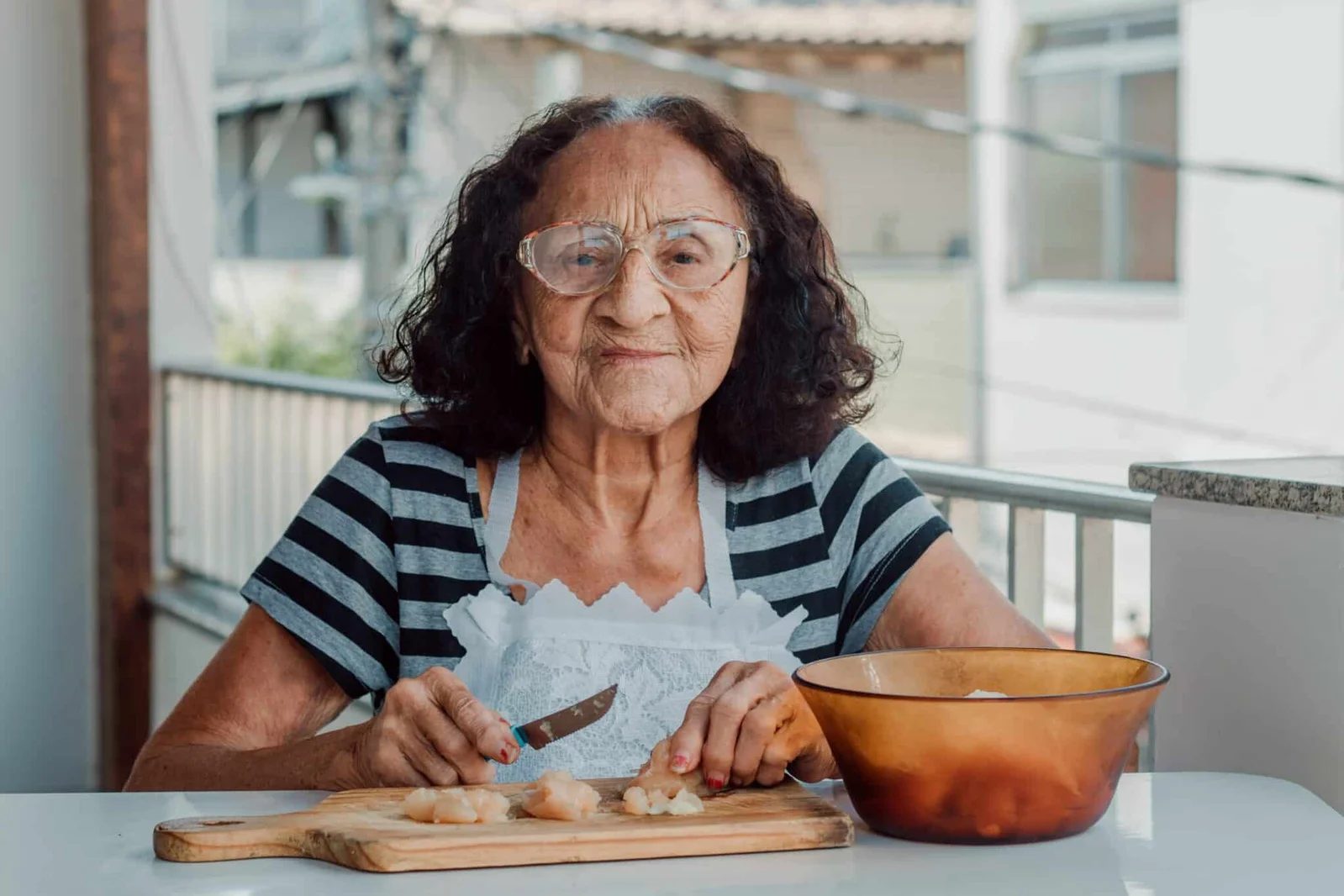
Brazilian supercentenarians demonstrate exceptional immune resilience and unique genetic traits that may contribute to their extreme longevity, including strong antibody responses to COVID-19, unusual immune cells, and protective genetic variants, offering valuable insights into aging and disease resistance.
The article discusses the science behind living a longer, healthier life, highlighting studies of super-agers like María Branyas Morera and Emma Mazzenga. It emphasizes that genetics and lifestyle factors such as regular exercise, a balanced diet including yogurt, social connections, vitamin D, walking, moderate coffee intake, and avoiding unnecessary supplements and alcohol are key to extending healthspan. The article also debunks myths about supplements and red wine, advocating for consistent physical activity and social engagement as the most effective strategies for aging well.
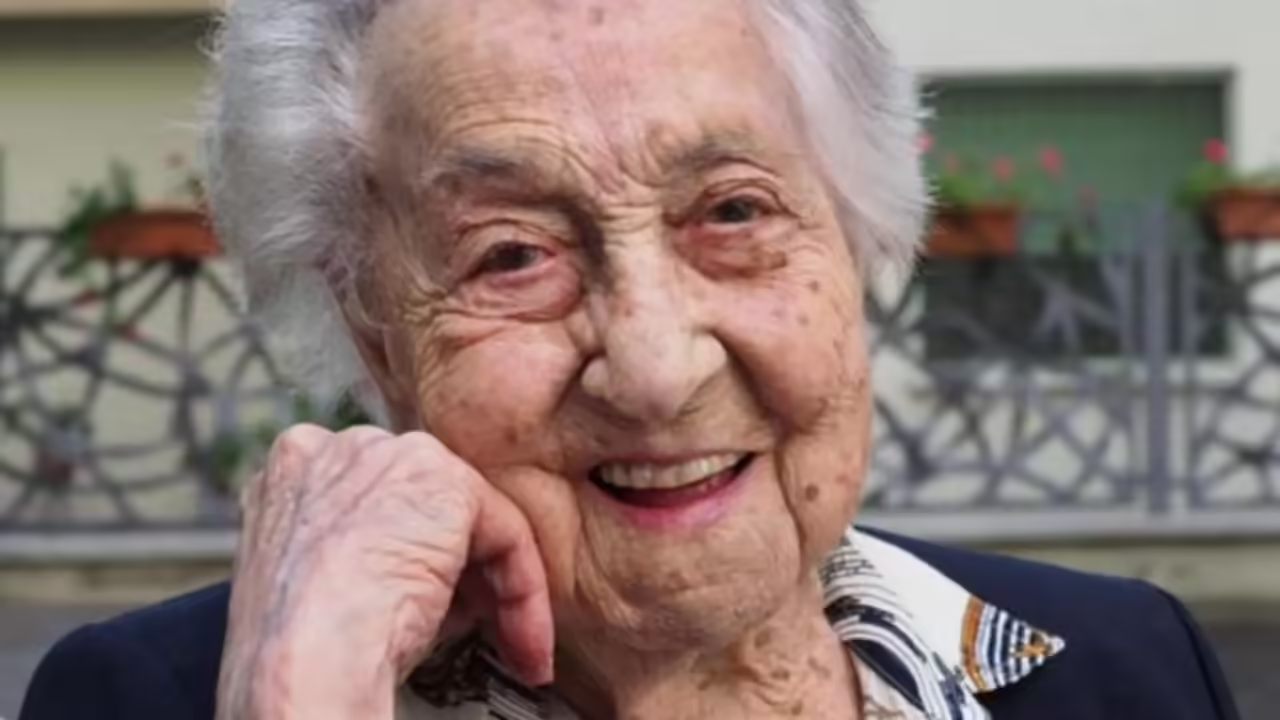
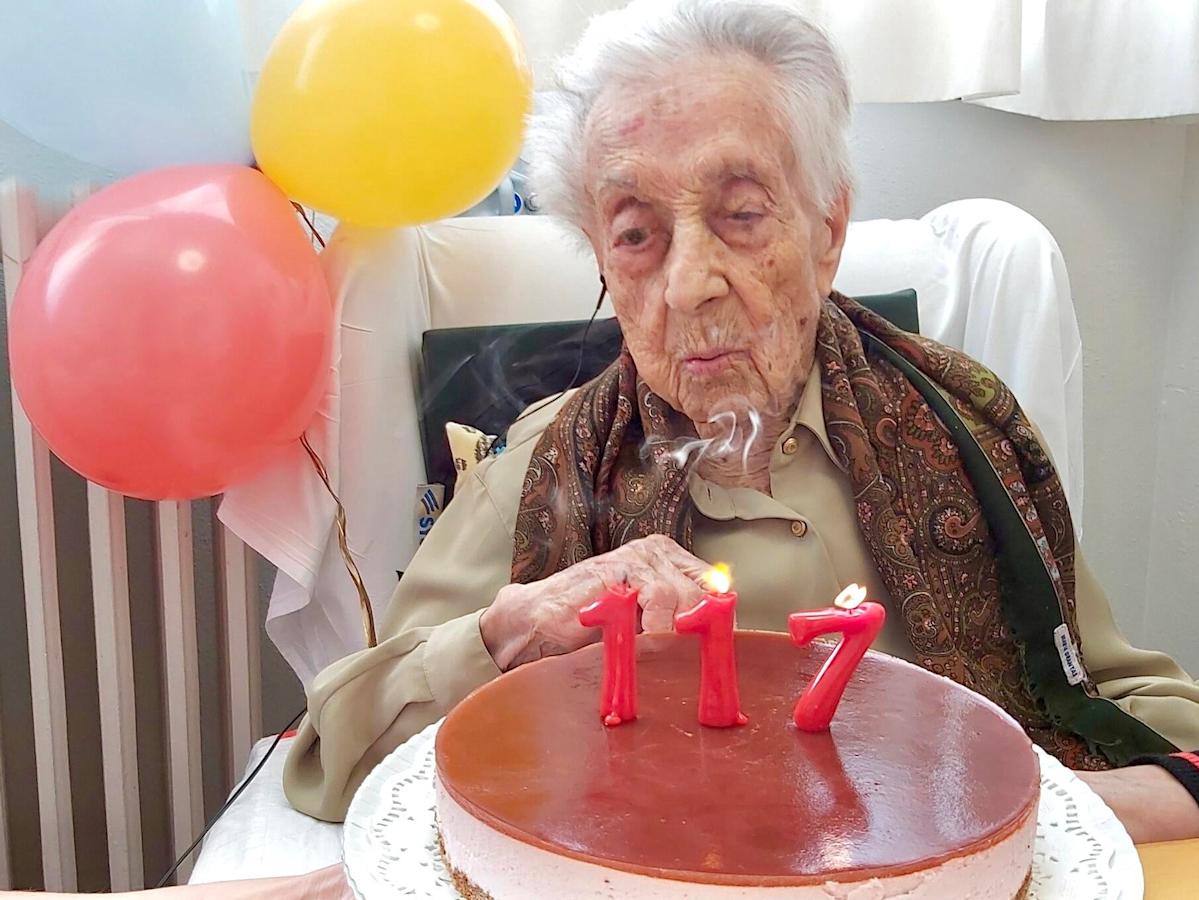
Maria Morera lived to 117 due to a combination of genetics, a healthy lifestyle, and a daily habit of eating yogurt, which supported her youthful gut microbiome and overall health. Her story highlights the importance of consistent healthy habits, balanced diet, and mental well-being in achieving a long, healthy life.
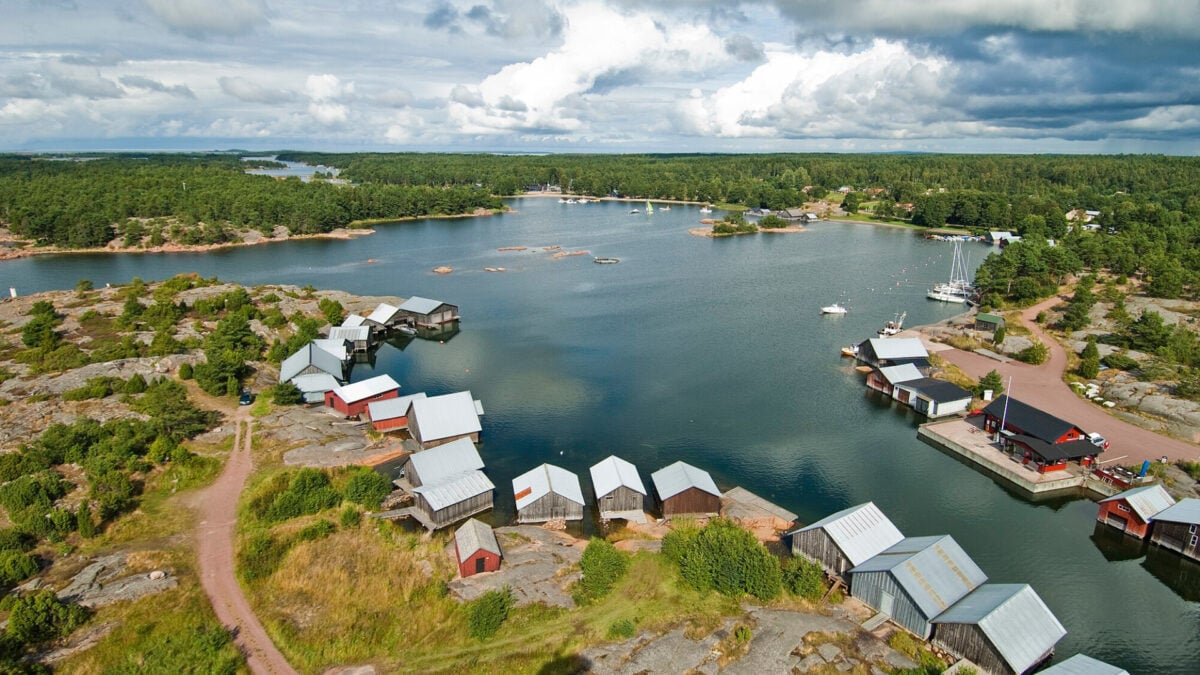
Research suggests Swedish-speaking Ostrobothnia in Finland could be a new Blue Zone due to its high life expectancy and healthy lifestyle patterns, although regional differences indicate that longevity and health outcomes do not always align. The study highlights the complexity of factors influencing longevity beyond lifestyle alone.
A study of Maria Branyas Morera, the world's oldest person at 117, suggests that a combination of good genetics and healthy habits, such as a diet rich in fish, olive oil, and yogurt, contributed to her exceptional lifespan. Her lifestyle included avoiding smoking and alcohol, and her gut health, possibly supported by yogurt consumption, may have played a role in her longevity and health, which was free of major diseases. The study highlights the complex interplay of genetics and lifestyle in aging but notes that conclusions from a single case should be cautious.
Dr. Ira Eliasoph, a 96-year-old retired ophthalmologist, attributes his longevity to a passion for his career, a low-fat diet, maintaining close family connections, staying mentally active through hobbies like painting and writing, and staying socially engaged. His lifestyle emphasizes moderation, stress management, and continuous curiosity, which have helped him lead a long, active, and fulfilling life.
Researchers are exploring how Blue Zone lifestyle principles relate to longevity in four regions of Western Finland, finding that these principles don't always correlate with longer life or better health, and suggesting that factors like environment and culture also play significant roles. The study highlights a potential new Blue Zone in Swedish-speaking Ostrobothnia but emphasizes that long life doesn't necessarily equate to good health, with a growing focus on extending healthspan.
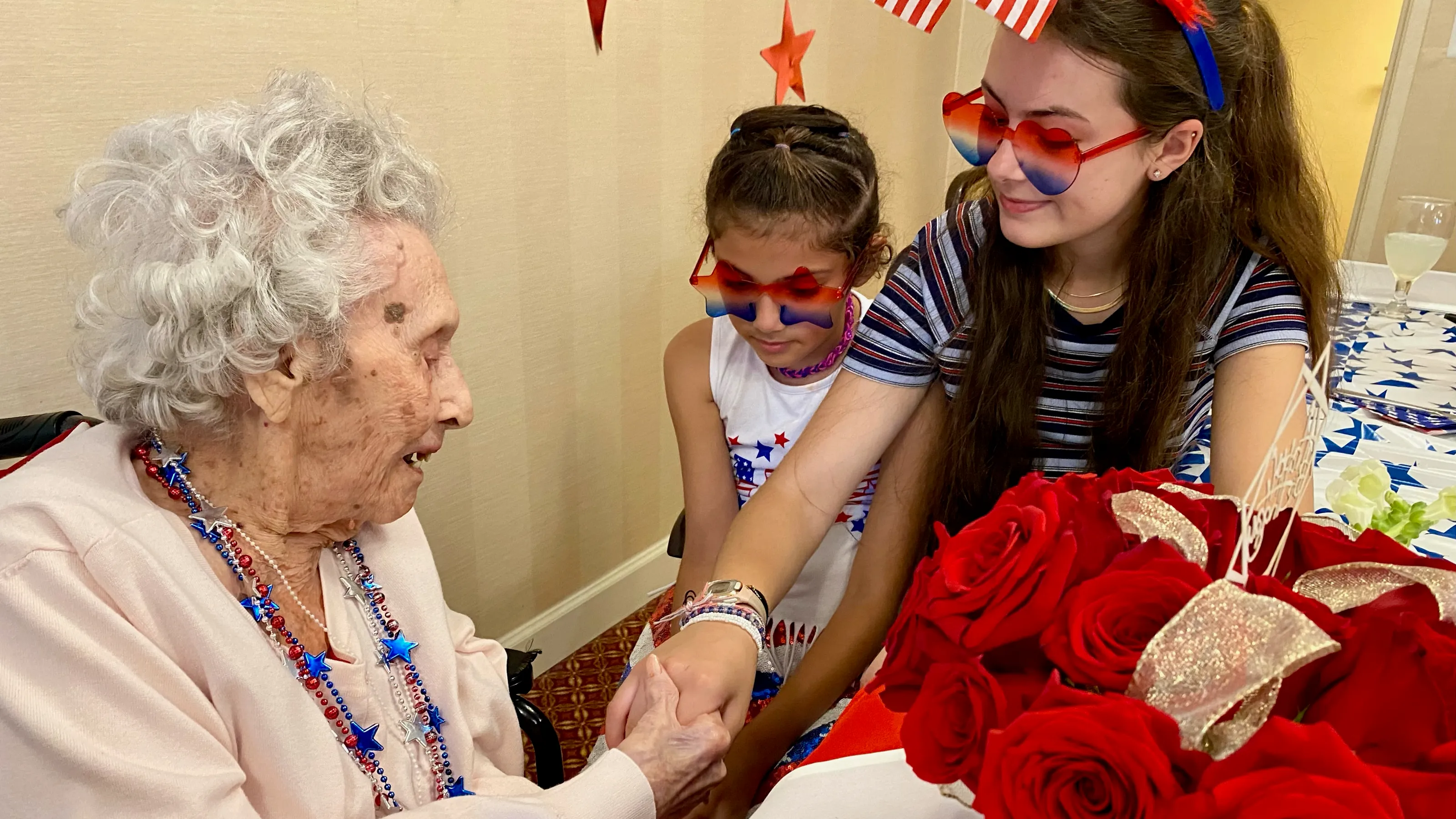
A Michigan woman, Bonita Gibson, celebrated her 114th birthday, attributing her long life to eating potatoes, staying positive, and healthy habits, having survived multiple historical events and COVID-19, and living a life filled with family, travel, and joy.
The Italian town of Cilento, known for its high number of centenarians and healthy lifestyle, offers lessons on longevity through its diet rich in olive oil and seafood, active community life, mental engagement, independence, and contentment with simple living. Researchers believe these habits, along with biological factors, contribute to their remarkable health and longevity, making Cilento a potential Blue Zone to study for healthy aging.
Scientists studying Italian centenarians in Cilento have identified diet, lifestyle, and biological factors, such as a Mediterranean diet rich in olive oil, physical activity, social engagement, and unique immune responses, as key contributors to their exceptional longevity and health. Advanced bio-analytical tools reveal these individuals are biologically younger than their chronological age, with genetic and epigenetic factors playing a significant role, offering insights into promoting healthy aging for others.
Longevity researchers are focusing on increasing the number of disease-free years, known as health span, as people are living longer but spending more time dealing with health conditions. Genetic studies of centenarians are providing insights into health-promoting genes, with a focus on mimicking their effects through drugs. Lifestyle factors such as diet, exercise, social engagement, and good sleep are also crucial for improving health span. Some researchers are experimenting with off-label medications to combat aging, but the long-term effects are unknown. Better self-monitoring and social connectivity are also emphasized as key pillars for expanding health span.