Caltabellotta, a mountain town in Sicily, is emerging as a new Blue Zone with residents exhibiting exceptional longevity, attributed to habits like low stress, a Mediterranean diet, strong social bonds, physical activity, and connection with nature. Adopting these lifestyle practices can promote healthier, longer lives.
Recent research suggests that increasing intake of polyphenols—plant compounds found in berries, green tea, coffee, and dark chocolate—may have geroprotective effects, potentially supporting healthier aging and longevity, especially when part of a balanced, plant-rich diet. However, longevity is influenced by multiple factors including lifestyle and genetics, and more research is needed to determine specific intake levels for health benefits.
A health expert highlights five everyday foods—beans, oats, leafy greens, berries, and nuts—that are scientifically linked to increased lifespan and overall health when incorporated into a balanced diet, emphasizing the importance of consistency and lifestyle alongside these foods.
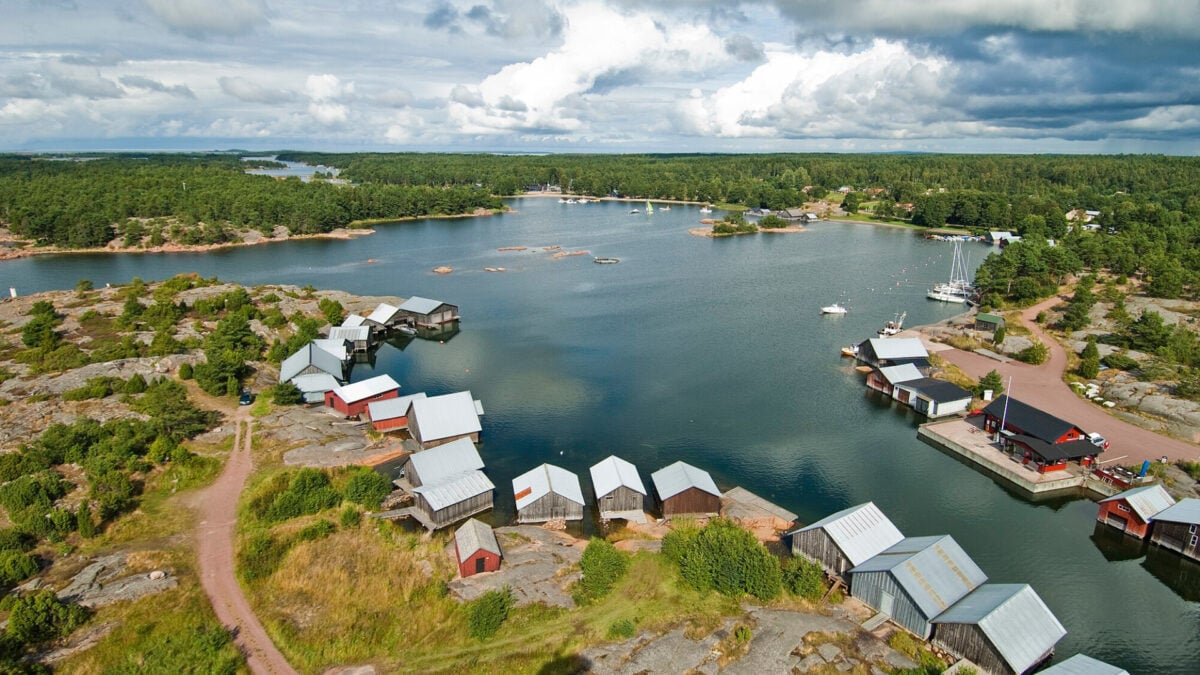
Researchers are exploring how Blue Zone lifestyle principles relate to longevity in four regions of Western Finland, finding that these principles don't always correlate with longer life or better health, and suggesting that factors like environment and culture also play significant roles. The study highlights a potential new Blue Zone in Swedish-speaking Ostrobothnia but emphasizes that long life doesn't necessarily equate to good health, with a growing focus on extending healthspan.
Residents of the 'Blue Zones', regions known for high longevity rates, attribute part of their long lives to a plant-based 'longevity stew' popular in Icaria, Greece. This vegetarian dish, rich in black-eyed peas and vegetables, is praised for its nutritional benefits, including high fiber and essential nutrients. Nutrition expert Helen Bell highlights its role in promoting satiety and aiding weight loss, while emphasizing that a broader lifestyle approach, including diet and social connections, is key to longevity.
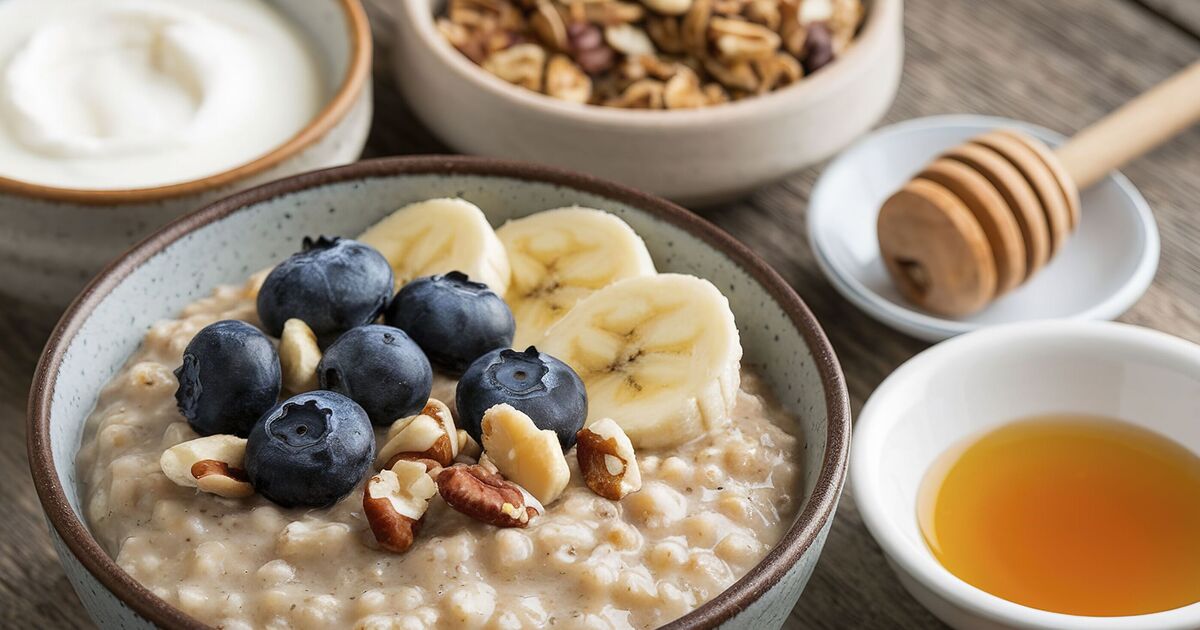
Residents of 'Blue Zones,' regions known for high longevity rates, often include oatmeal in their daily breakfast, attributing it to their long lives. Oatmeal is praised for its health benefits, particularly its beta-gluten content, which may help reduce heart disease risk by lowering cholesterol absorption. Nutritionists recommend oatmeal for its versatility and nutrient-rich profile, making it a staple for those aiming for a longer, healthier life.
Pecorino cheese, popular in Sardinia's Blue Zone, is high in omega-3 fatty acids, which are linked to heart health and longevity. Sardinians, known for their long lifespans, include this cheese in their traditional diet, which also features whole grains, beans, and vegetables. While omega-3s are beneficial, experts advise moderation due to cheese's high fat and salt content. Omega-3s are essential fats that the body cannot produce, and they may help prevent coronary heart disease.
Dan Buettner, a National Geographic fellow, highlights the dietary habits of blue zones, regions where people live significantly longer. His research emphasizes the importance of a whole-food, plant-based diet, with beans as a cornerstone due to their nutritional benefits and affordability. Other recommended foods include nuts, whole fruits, leafy greens, sweet potatoes, and turmeric. Buettner argues that adopting these dietary habits is accessible and can promote health and longevity without the need for expensive superfoods.
Longevity expert Dan Buettner highlights the dietary habits of people in 'Blue Zones,' regions known for their high life expectancy, such as Nicoya in Costa Rica. He emphasizes a diet rich in corn, squash, and beans, which are staples in these areas and are believed to contribute to longer, healthier lives. These foods, known as the 'three sisters,' provide essential nutrients and are part of a lifestyle that promotes daily movement and social connectedness, key factors in achieving longevity.
Residents of the world's Blue Zones, regions known for high longevity rates, attribute part of their long life to moderate wine consumption, particularly red wine, which contains resveratrol, a compound with potential antioxidant benefits. Experts caution that while moderate drinking may have some health benefits, excessive alcohol consumption poses significant health risks. Blue Zone residents also practice the '80% trick' for eating, which involves consuming food until only 80% full, contributing to their overall healthy lifestyle.
Inhabitants of the world's 'Blue Zones'—regions known for high longevity rates—often incorporate moderate wine consumption into their daily lives, which some experts suggest may contribute to their extended lifespans. This practice, alongside a plant-based diet and strong community ties, is believed to promote longevity. However, health experts caution that while moderate red wine consumption may offer some benefits due to compounds like resveratrol, excessive alcohol intake poses significant health risks. They emphasize moderation and a balanced diet as key to health, rather than relying on alcohol for benefits.
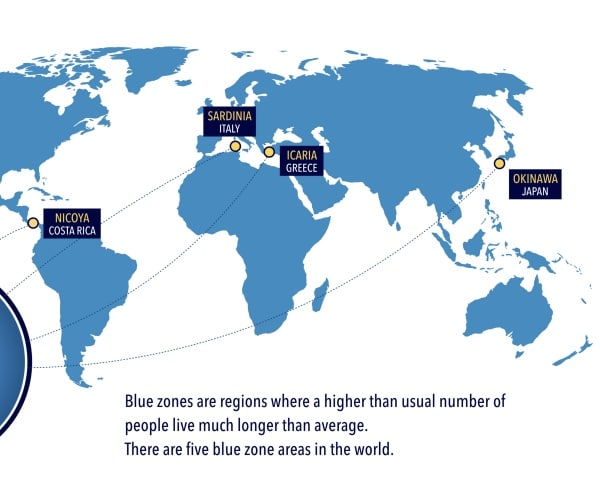
The concept of 'blue zones' refers to regions where people live significantly longer, often surpassing 100 years. These areas, including Sardinia, Italy, and Okinawa, Japan, share common lifestyle factors such as plant-based diets, regular physical activity, strong community ties, and a sense of purpose. The Melis family from Sardinia, recognized as the world's longest-lived family, exemplifies these traits, with their diet including nutrient-rich foods like minestrone soup. Environmental factors like clean air and a supportive community also contribute to longevity in these regions.
A study from Japan's National Center for Geriatrics and Gerontology suggests that a traditional Japanese diet, rich in fish, tea, soybeans, and other specific foods, may protect against brain shrinkage and reduce the risk of dementia, particularly in women. The study compared brain scans of individuals following a traditional Japanese diet with those following a Western diet over a two-year period. The findings highlight the potential benefits of the Japanese diet for brain health and overall well-being, emphasizing the importance of incorporating elements such as fish, seafood, soy, miso, seaweed, and shiitake mushrooms.
Dan Buettner, a longevity expert, has adopted habits from the Blue Zones, where people live longer, to maintain his own health. His habits include walking, eating a mostly plant-based diet, building social connections, not working past 5 p.m., engaging in physical activity daily, and prioritizing sleep, all of which contribute to his exceptional health at 63 years old.
The Blue Zones lifestyle, which combines a plant-based diet with daily activity, stress reduction, and community involvement, is associated with longer and healthier lives. Blue Zones are regions around the world where residents live longer and healthier lives, and the dietary portion of the lifestyle has gained attention. The Blue Zones diet consists of mostly whole, minimally processed plant foods, with limited animal products and added sugar. While the diet has benefits, such as improved health outcomes, affordability and accessibility of fresh foods can be challenging for some. Additionally, the impact of diet and lifestyle on longevity is complex and may be influenced by genetics and other factors. Nonetheless, adopting health-promoting behaviors like stress reduction, physical activity, and a plant-forward diet can still benefit overall health.