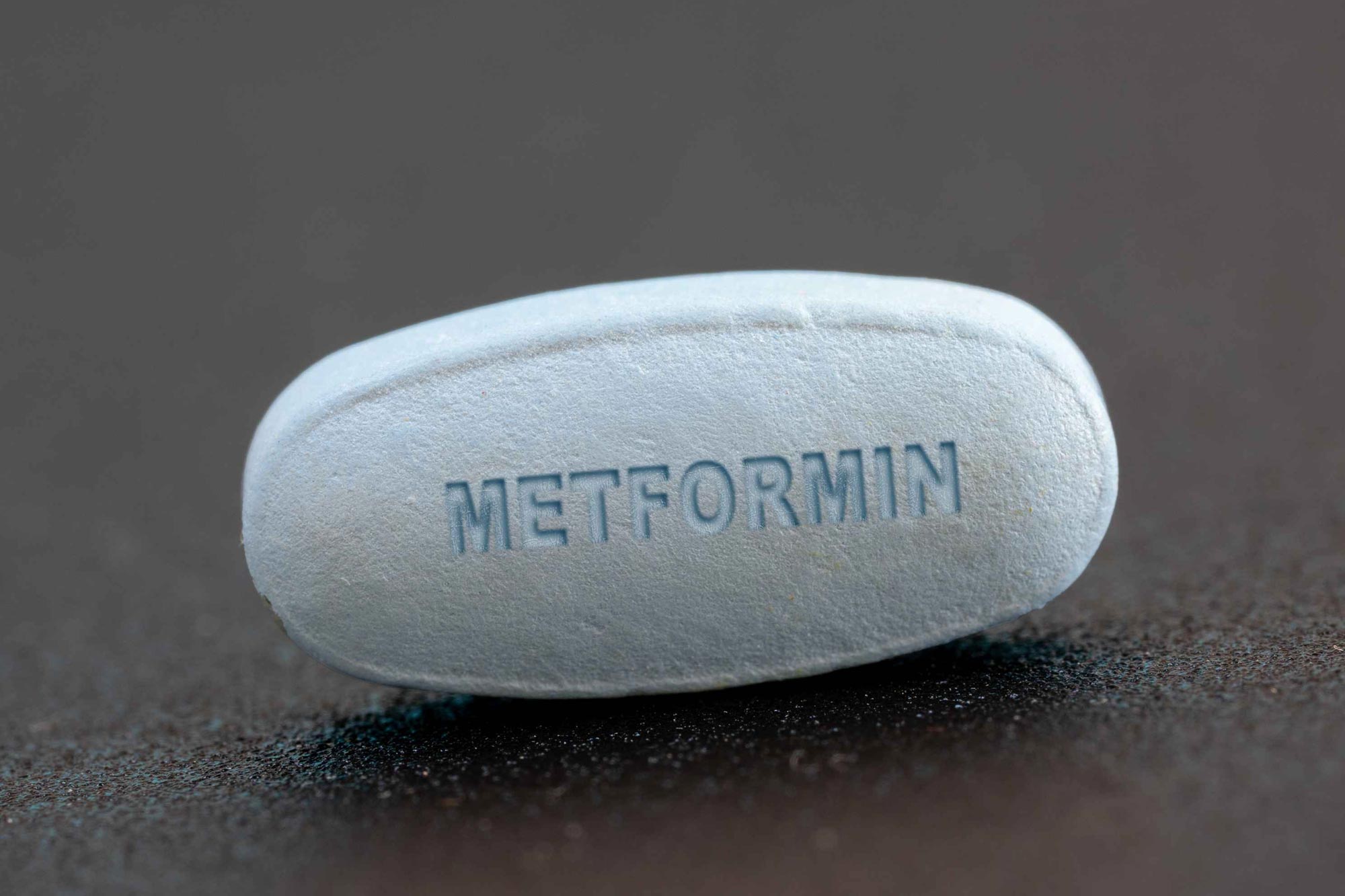
Recent research suggests that diabetes drugs like metformin, SGLT2 inhibitors, and GLP-1 receptor agonists may influence cancer risk and progression through mechanisms beyond blood sugar control, affecting inflammation, immune responses, and cellular signaling, highlighting potential therapeutic opportunities and the need for further studies.
A review in JAMA discusses advances in geroscience, a field aiming to slow aging and extend health span through interventions like caloric restriction, metformin, rapamycin, and senolytics, potentially transforming aging from a health problem into an opportunity for healthier, longer lives.
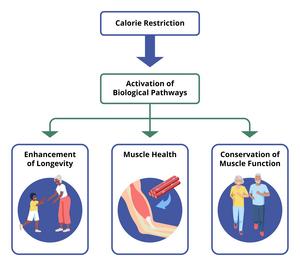
Calorie restriction in humans resulted in changes in muscle cells that are consistent with improved muscle health, suggesting that it could help preserve muscle function during aging. A study called CALERIE found that participants on calorie-restricted diets achieved a 12% reduction in calorie intake and a 10% weight reduction over two years, with minor loss of muscle mass but no significant decline in muscle strength. Gene expression analysis revealed that more than 1,000 genes were expressed differently between calorie-restricted and non-calorie restricted participants, with many of these genes being affected by calorie restriction in animal models. The affected genes were grouped into 53 biological pathways, including those related to muscle formation and repair, circadian clock regulation, and aging. These findings suggest that moderate calorie restriction may prevent age-related declines in muscle function in humans.
A study conducted by researchers at the National Institutes of Health (NIH) suggests that reducing calorie intake, without depriving the body of essential nutrients, can rejuvenate muscles and activate biological pathways important for healthy aging in humans. The study analyzed data from participants in the CALERIE study and found that even a modest reduction of 12% in daily caloric intake was enough to activate most of the biological pathways associated with healthy aging. The researchers also discovered that calorie restriction improved muscle specific force, despite a loss in muscle mass. The study confirms that calorie restriction affects similar gene pathways in humans as observed in animal models, leading to improved energy generation, metabolism, and reduced inflammation.
A study conducted by researchers at the National Institutes of Health suggests that reducing calorie intake, without depriving the body of essential nutrients, can rejuvenate muscles and activate biological pathways associated with healthy aging. The study analyzed data from participants in the CALERIE study and found that even a modest reduction in calorie intake (12%) was enough to activate key genes involved in healthy aging. Calorie restriction also improved muscle specific force and downregulated inflammatory genes, potentially preventing age-related inflammation. The findings highlight the potential benefits of calorie restriction in humans for promoting muscle strength and healthy aging.