Christina Applegate discusses how her MS diagnosis has deeply affected her 14-year-old daughter Sadie, describing it as a loss of the mother she once knew and highlighting the emotional toll on her family, while also sharing her recent hospitalization for a kidney infection.
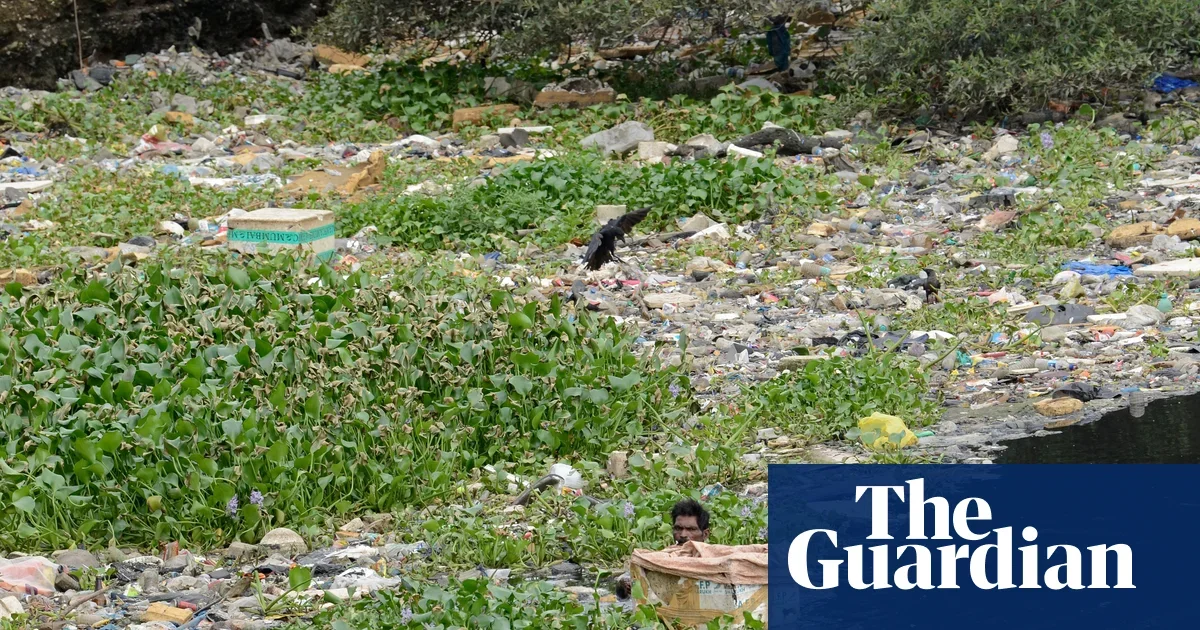
A new report warns that the global plastics crisis, driven by a 200-fold increase in plastic production since 1950, is causing significant health and environmental damage worth at least $1.5 trillion annually, affecting all life stages and contributing to climate change, with calls for stronger international action.
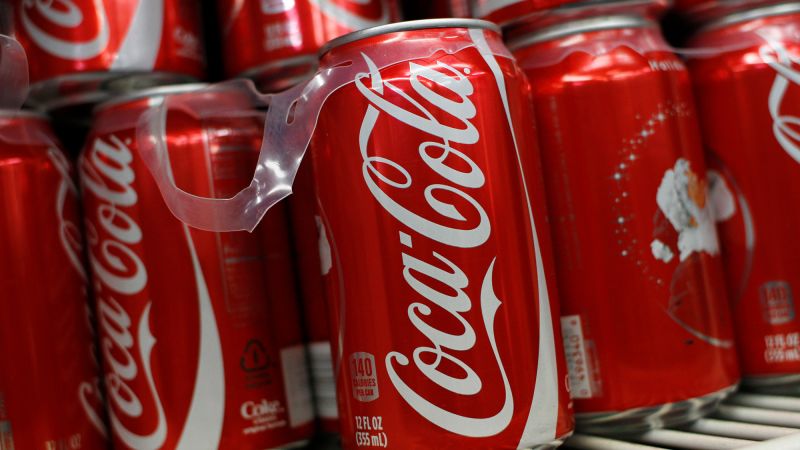
President Trump announced that Coca-Cola might replace high-fructose corn syrup with cane sugar in US products, but health experts agree that switching types of sugar doesn't make soda healthier, as excessive sugar consumption is harmful regardless of the source. The debate involves economic and trade considerations, with health advocates emphasizing reducing overall sugar intake for better health.
Research from the University of Georgia shows that adverse childhood experiences, especially in unsafe environments and among Black communities, can lead to long-term health issues, including increased substance use, heart problems, and accelerated aging, highlighting the importance of early intervention and community support.
A large Sahara dust cloud is covering the Caribbean and heading towards the U.S., causing hazy skies and health warnings, with the highest concentration this year and potential impacts on air quality and sunlight.
A health journalist conducted a week-long experiment to eliminate ultra-processed foods from her diet, revealing how ingrained these foods are in modern eating habits and how challenging it is to avoid them, even for health-conscious individuals. She learned that reading ingredient lists and planning meals around whole foods makes it easier to reduce ultra-processed food intake, though some processed foods like chocolate-covered fruit remain hard to resist.
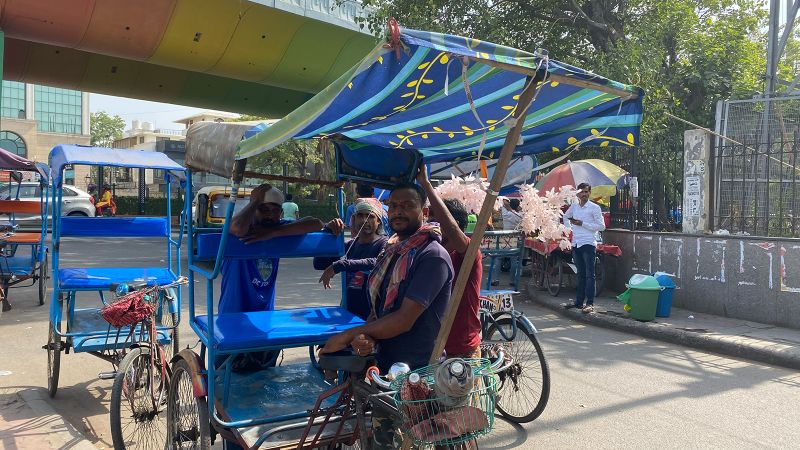
Delhi residents are suffering from dangerously high nighttime temperatures amid a severe heatwave, exacerbated by the urban heat island effect. The relentless heat is causing health issues, straining resources, and making it difficult for people, especially those without air conditioning, to rest and recover. The situation highlights the broader impacts of the climate crisis, with significant health risks and increased mortality rates, particularly among vulnerable populations like the homeless and outdoor workers.
A new 265-page report from the National Academies of Sciences, Engineering, and Medicine highlights the serious and persistent nature of long COVID, affecting millions of Americans across all demographics. The report notes that long COVID can cause a wide range of symptoms, impact daily functioning, and may require tailored rehabilitation programs. It also emphasizes the need for better diagnostic criteria and treatment options, and highlights the increased risk for those with severe initial infections, women, and unvaccinated individuals. Children are less affected but can still experience significant symptoms. The report calls for accommodations for those returning to work and acknowledges the additional challenges faced by economically disadvantaged and marginalized groups.
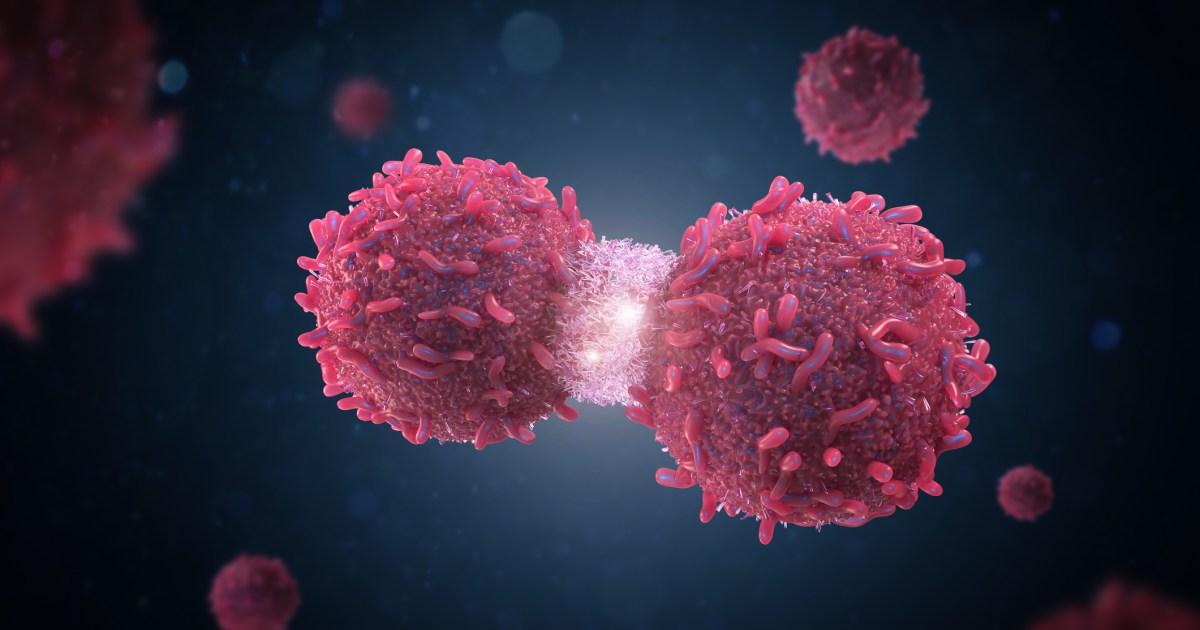
A new study suggests that microplastics in the body could make cancer more aggressive and cause it to spread faster. Research has shown that cells coming into contact with plastic particles smaller than 0.25 micrometres are more likely to migrate, potentially leading to secondary tumors. The study highlights the urgent need for policymakers to fund research into the impact of plastic on human health and work to eradicate this dangerous pollutant from daily lives. Negotiations for a UN Global Plastics Treaty are ongoing in Ottawa, Canada, aiming to transform how the world produces and disposes of plastics.
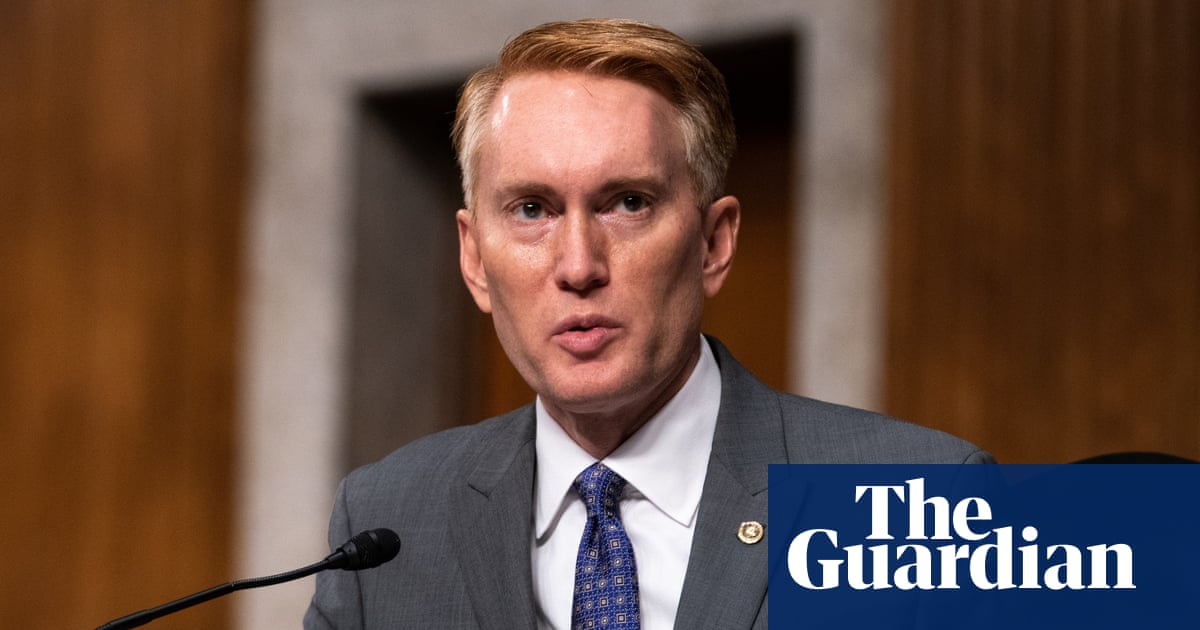
Republican senator James Lankford is renewing his efforts to make daylight savings time permanent, citing its antiquated origins and negative health impacts. Lankford recounted a conversation with a veteran who expressed a strong desire to end daylight savings time before he died. He emphasized the need to eliminate the time change and pointed to Arizona as an example of a state that has successfully stopped adjusting its clocks. This comes as Lankford faces criticism from his own party over a failed bipartisan border security agreement, which was mentioned by President Joe Biden during the State of the Union address.
A year after a train derailment in East Palestine, Ohio, the community continues to grapple with the aftermath of environmental contamination and trauma. While progress has been made in the cleanup, residents still face uncertainty and health concerns. The town remains divided, with some seeking to move forward and others deeply affected by the disaster. Efforts by Norfolk Southern and government agencies to address the situation have been met with mixed reactions, and ongoing health studies aim to provide clarity on potential long-term impacts.
The United Nations' Food and Agriculture Organization (FAO) has released a report revealing that the hidden costs of the world's food system amount to $12.7 trillion annually, equivalent to around 10 percent of global GDP. The report highlights the impact on health, society, and the environment embedded in the current food system. The largest hidden costs are associated with diets leading to obesity and non-communicable diseases, followed by environmental impacts. The costs vary significantly between countries, with low-income countries experiencing higher costs related to poverty. The FAO emphasizes the need for government action, individual choices, and responsible behavior from the food industry to address these hidden costs.
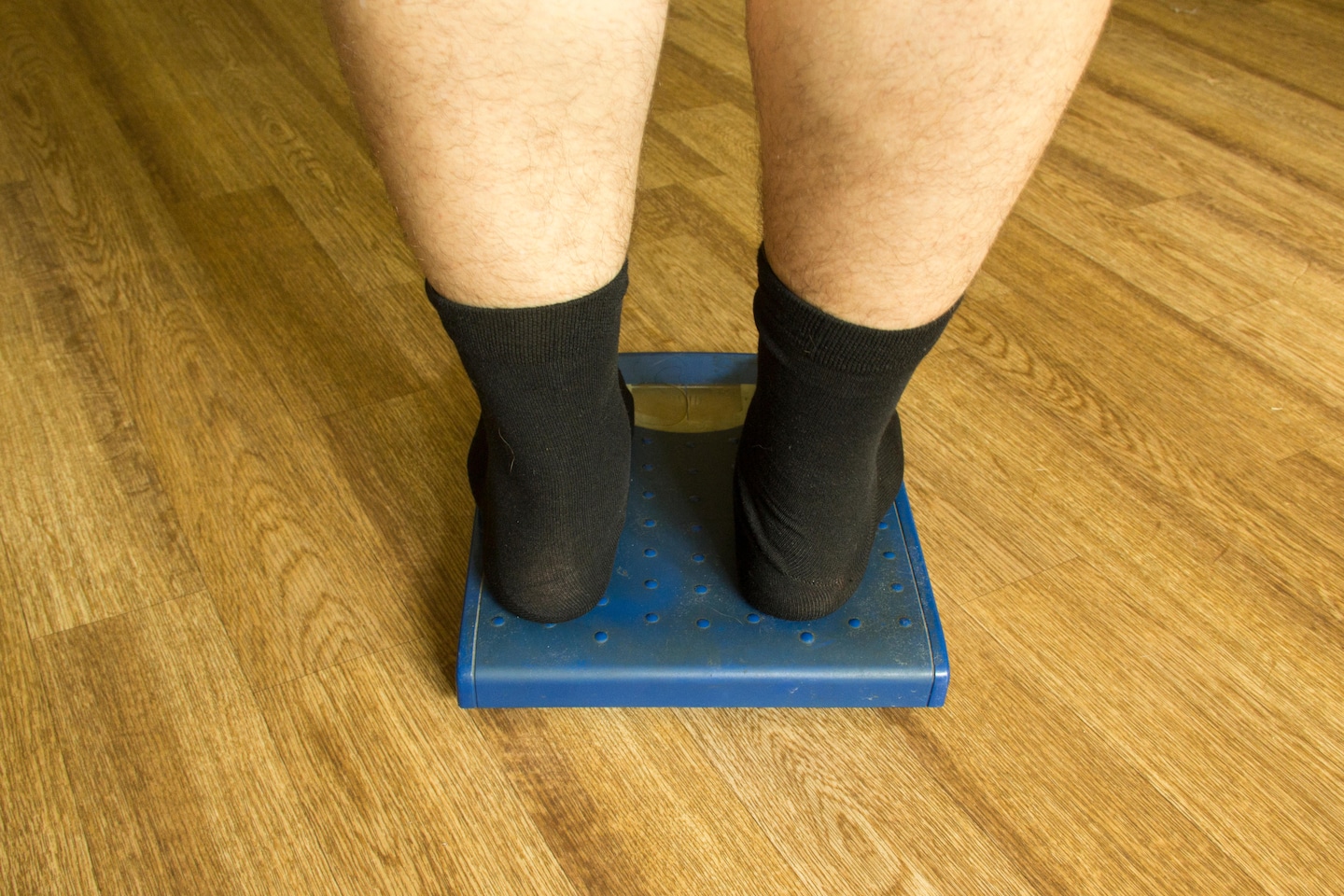
The demand for obesity drugs is growing, but the focus on their potential benefits and celebrity use is overshadowing a crucial question: Will these medications truly improve the health of the country? While these drugs have shown promising results in helping people lose weight and potentially providing additional health benefits, more research is needed to evaluate their full range of benefits, long-term safety, and impact on dietary patterns. Additionally, limited access and high costs prevent many who need these medications from obtaining them, exacerbating healthcare disparities. The public health approach to obesity should include a combination of policies to improve diet and exercise, research on new medications, and greater access to effective care.
A study from the University of Nebraska warns against microwaving plastics, as it releases billions of nanoplastics and millions of microplastics per square centimeter. The health impact of these synthetic materials is still unknown, but studies suggest they could be harmful. Researchers exposed kidney cells to the microplastics released during the experiment and found that about 75% of the cells were killed, indicating a potential link to kidney damage. Experts urge the FDA to take a more proactive approach in addressing this issue, and recommend avoiding microwaving plastics and opting for plastic-free alternatives.
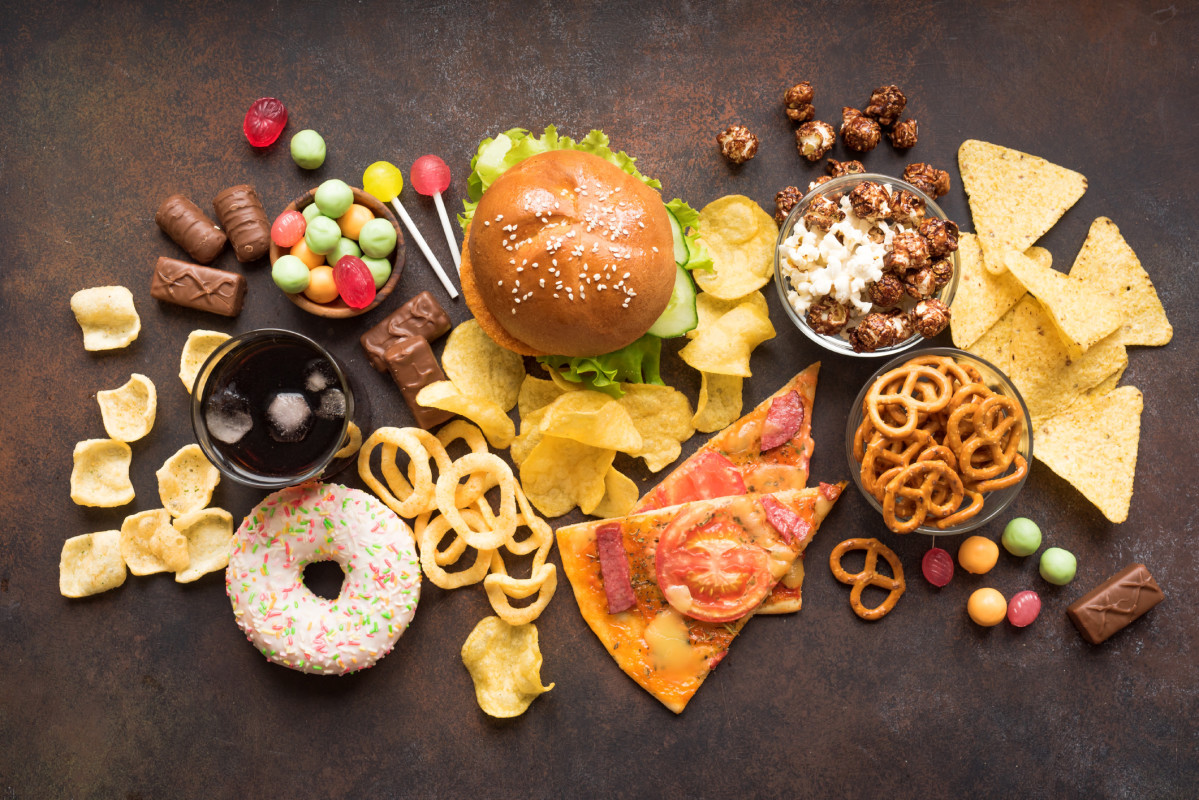
Ultra-processed foods are those that have undergone significant processing during production and contain additives not used in home cooking. These foods often have high quantities of salt, sugar, and saturated fat, which can lead to negative health outcomes such as cancer. The Nova food classification divides food into four categories based on processing level, with ultra-processed foods being the most processed. While some experts argue that not all ultra-processed foods are unhealthy, a balanced diet should focus on whole foods and limit consumption of ultra-processed foods.