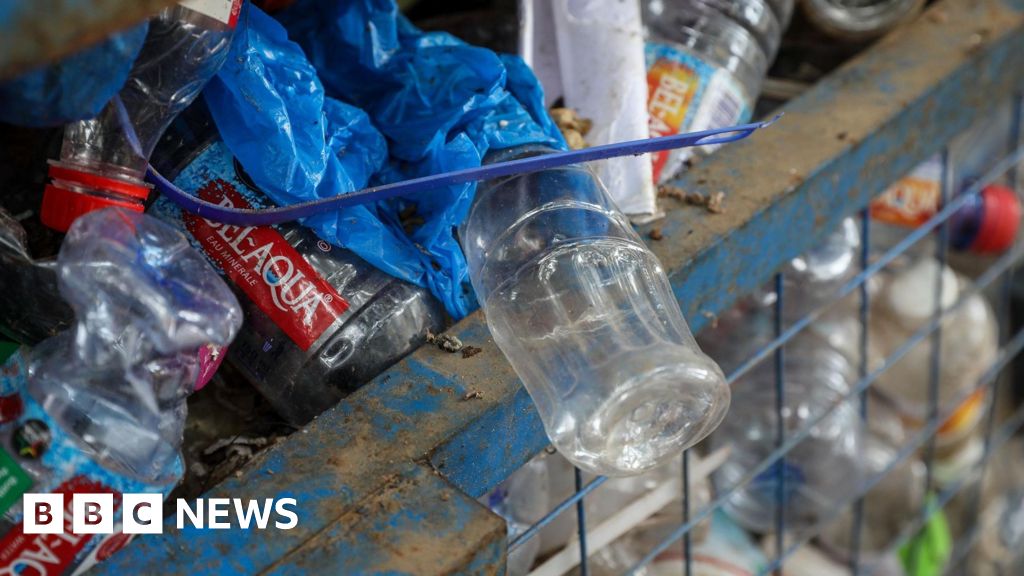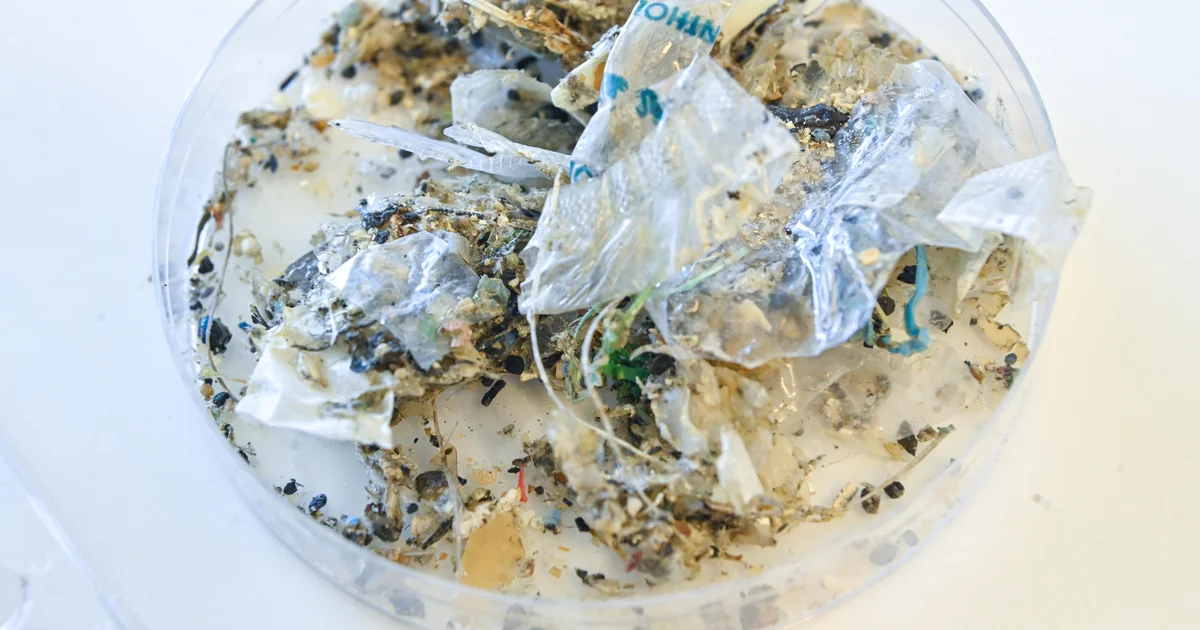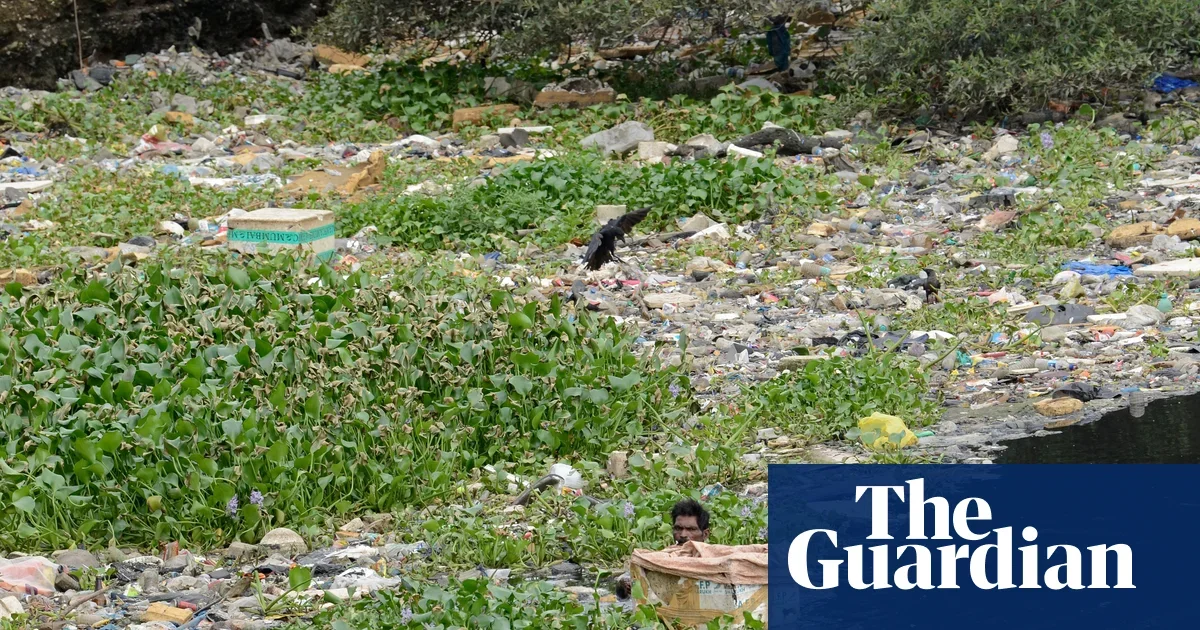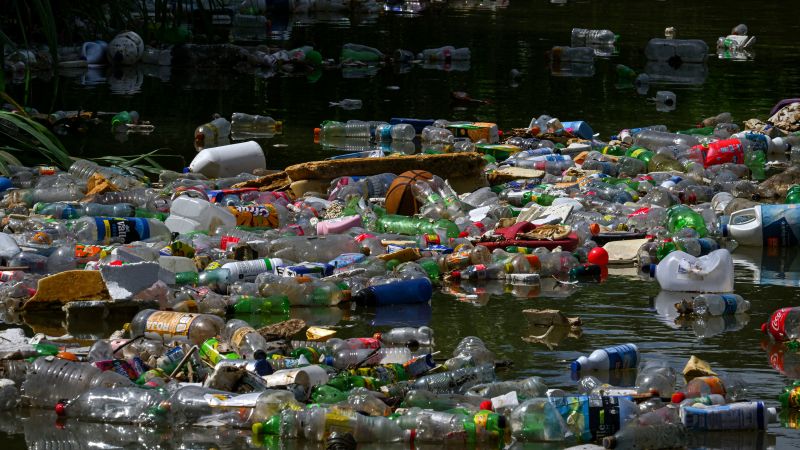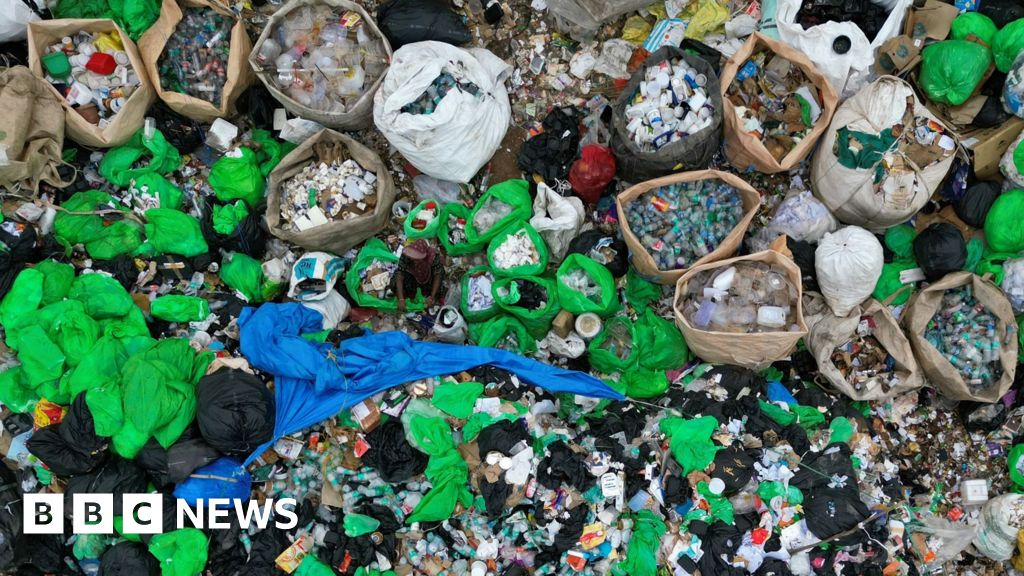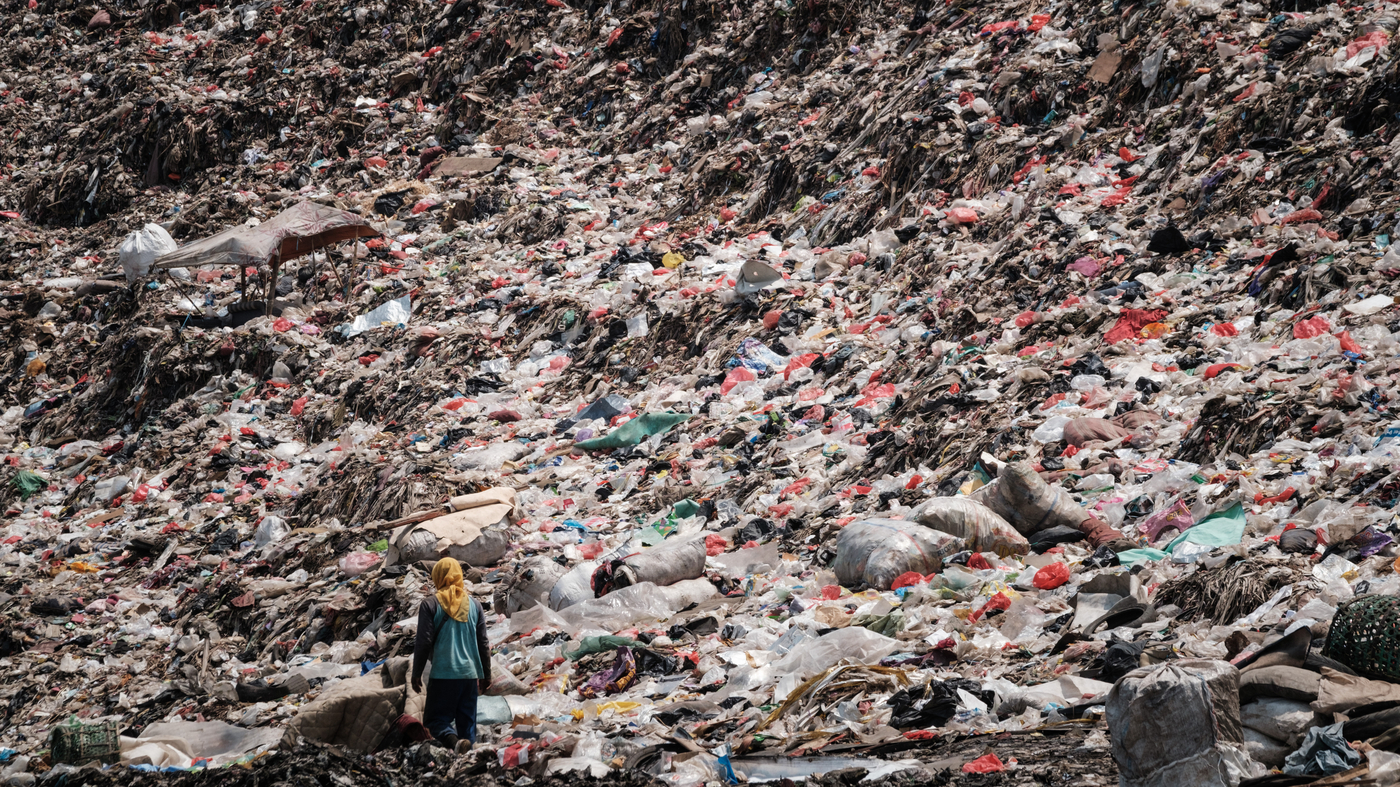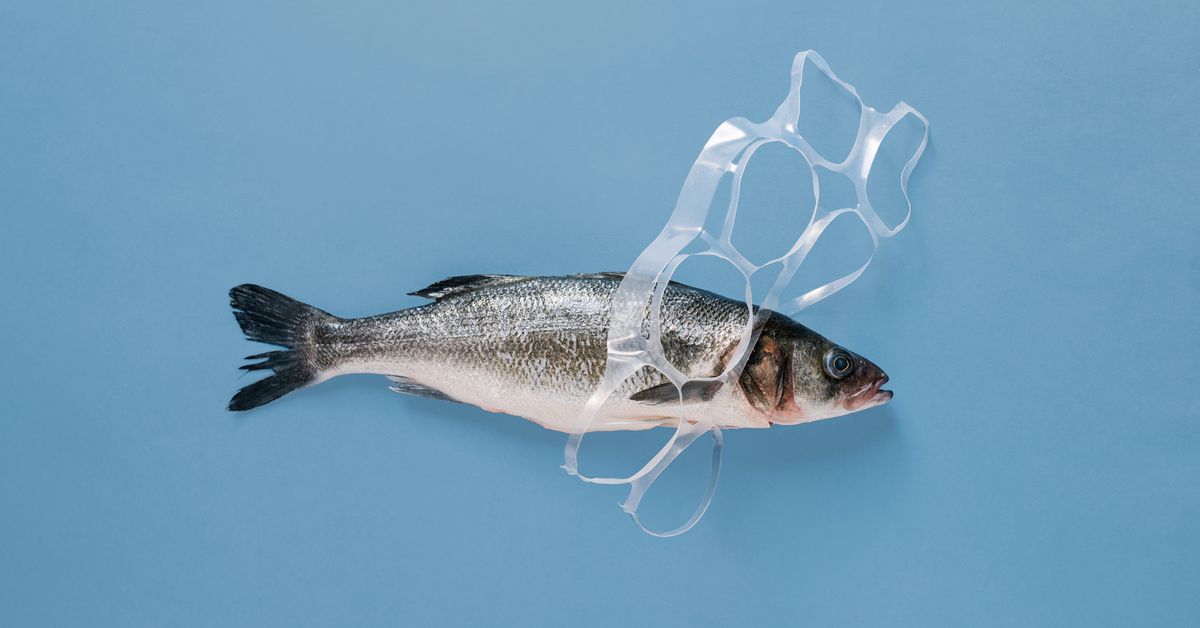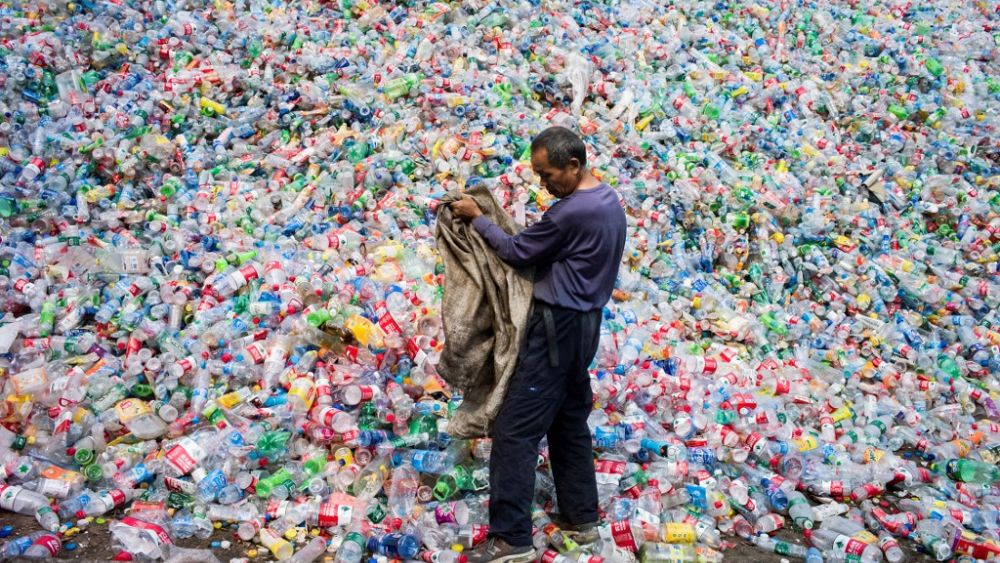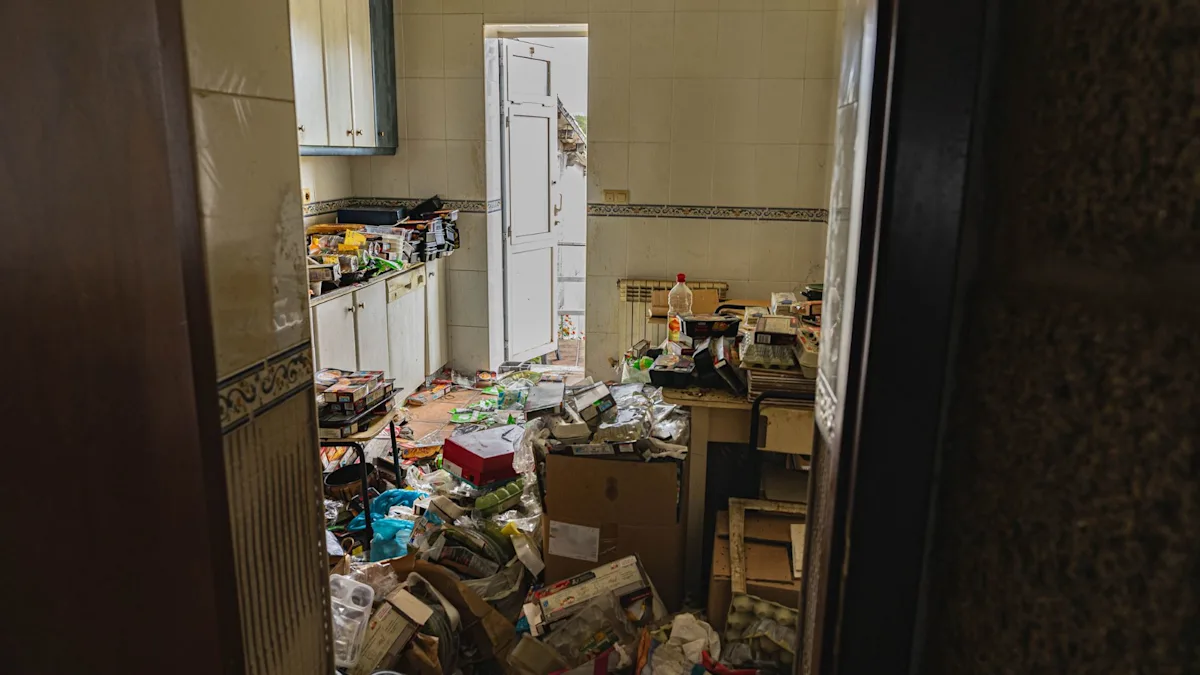
A report in The Lancet warns that plastic pollution is a 'grave' and growing threat to human health and the environment, with production expected to triple in the next 35 years. The pollution, originating from fossil fuel-based plastics, poses risks from infancy through old age, including reproductive, cognitive, and cardiovascular issues, and contributes significantly to climate change. Despite international efforts, including UN negotiations, progress on binding regulations remains stalled, emphasizing the need for local actions and innovations in recycling and pollution detection to mitigate the crisis.
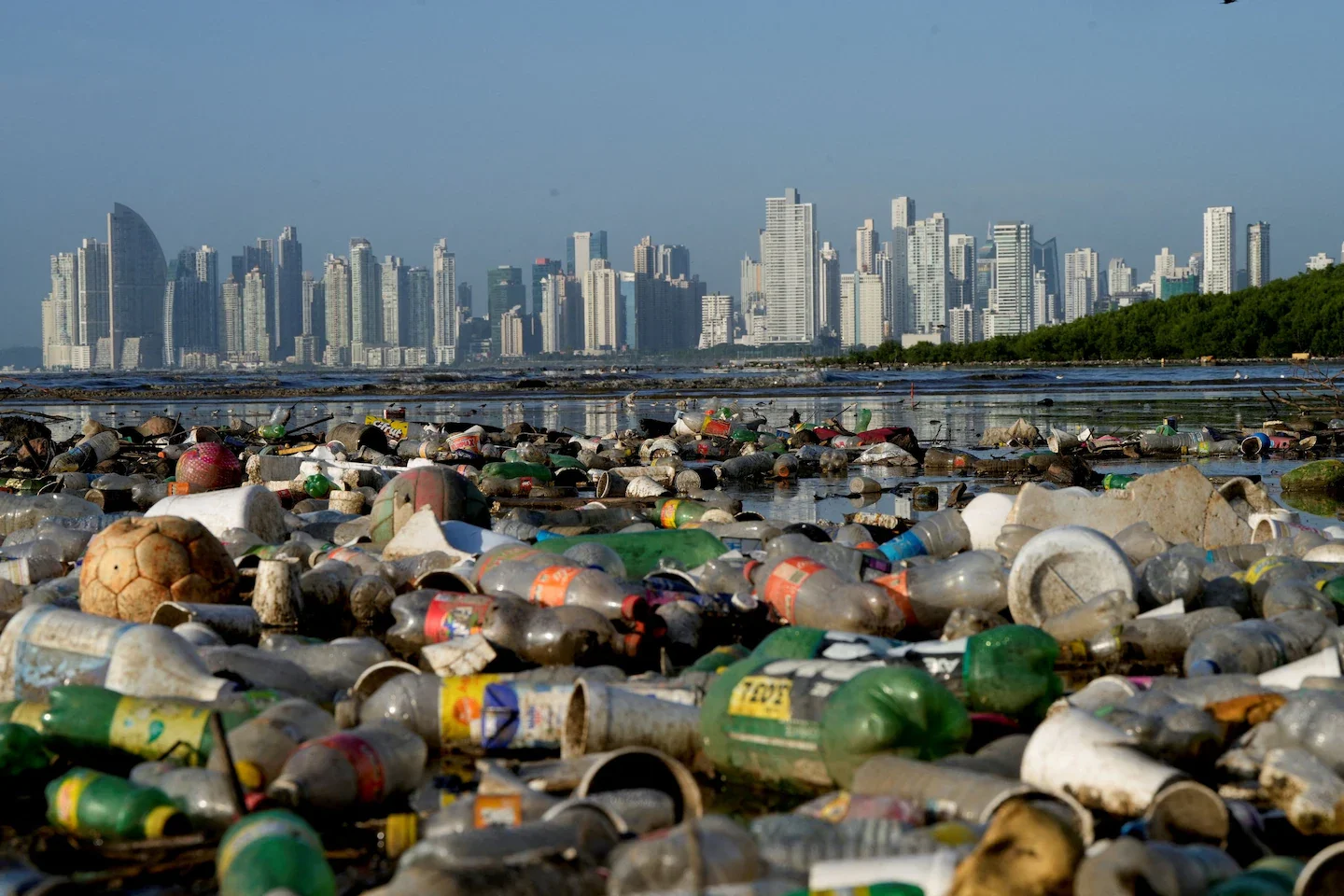
The landmark plastic treaty talks in Geneva collapsed after the US, under Trump, opposed key production limits, reflecting a broader shift away from global environmental efforts and highlighting deep divisions over how to address plastic pollution, with the US prioritizing industry interests over environmental restrictions.
Countries are negotiating a global treaty to address the plastic crisis, which involves reducing production, banning harmful chemicals, and improving recycling standards, amid concerns over plastic's environmental and health impacts, with some nations opposing production limits due to economic interests.
A report in The Lancet warns that plastic pollution causes significant health issues across all ages, costing at least $1.5 trillion annually, and calls for an international treaty to address the crisis, highlighting the link between plastic and climate change.
A new report warns that the global plastics crisis, driven by a 200-fold increase in plastic production since 1950, is causing significant health and environmental damage worth at least $1.5 trillion annually, affecting all life stages and contributing to climate change, with calls for stronger international action.
Countries failed to reach an agreement on a global treaty to curb plastic pollution during the UN Intergovernmental Negotiating Committee meeting in Busan, South Korea. Over 100 nations supported capping plastic production, but oil-producing countries opposed this, leading to a postponement of key decisions. The treaty, if agreed upon, would be a significant environmental protection measure akin to the Paris Agreement. The next round of talks, INC 5.2, will address unresolved issues, including production caps and financing for developing countries.
Negotiations for a global treaty to tackle plastic pollution have collapsed after two years, as oil-producing nations opposed measures to reduce plastic production, citing economic concerns. The talks in South Korea ended without agreement, with a key division over whether to legally bind countries to cut plastic production or focus on recycling. Environmental groups and some nations expressed disappointment, highlighting the influence of the fossil fuel industry. The failure to reach consensus delays critical action against plastic pollution, though a group of 95 countries may pursue their own treaty.
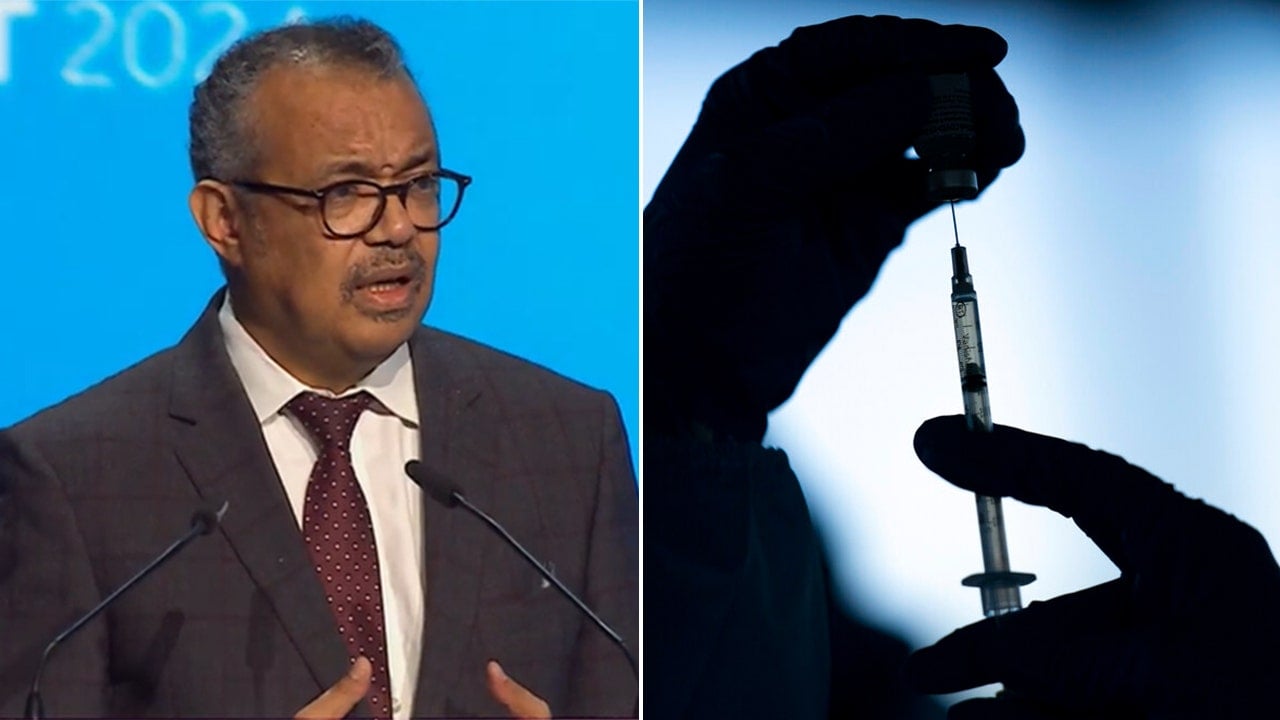
WHO Director-General Tedros Ghebreyesus warns that the outbreak of Disease X is a matter of when, not if, and urges global leaders to prepare for a new pathogen and pandemic. He emphasizes the urgent need for a global treaty to strengthen pandemic preparedness, dismissing suspicions of it being a WHO power grab as unfounded. Disease X is a hypothetical virus that could be 20 times deadlier than COVID-19, and Tedros stresses the importance of learning from the lessons of COVID-19 to prevent future pandemics.
The plastics industry has long promoted recycling as a solution to waste, but documents reveal that it was mainly for public relations, with officials acknowledging its limitations as early as 1989. Less than 10% of plastic waste is recycled globally, and the industry's push for recycling may have been to avoid regulations and ensure demand for plastics. As the U.N. leads negotiations for a global plastics treaty, concerns arise that plastic producers could prioritize recycling over substantial cuts in new plastic production, potentially influenced by the fossil fuel industry's stake in petrochemicals. Critics argue that the industry's "advanced recycling" technology is ineffective and harmful, and call for accountability to address the plastic waste problem.
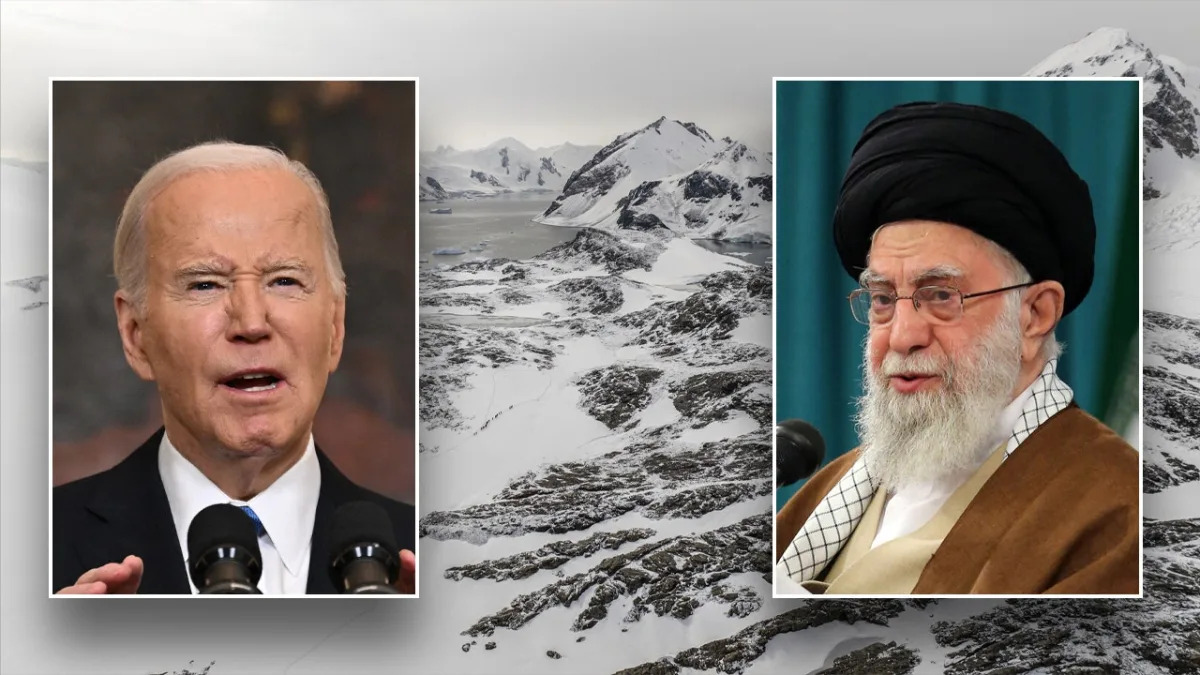
Iran's Navy commander declared that the regime owns Antarctica and plans to build a military operation in the South Pole, challenging the global treaty and the Biden administration. Despite growing bellicosity, the U.S. released $6 billion in sanctions relief to Iran, which Iran's President, Ebrahim Raisi, stated would be used "wherever we need it." Experts warn that Iran's expansion into Antarctica violates multilateral conventions and poses a threat to world stability, while others view it as an ambitious but pointless plan by a state with wrong priorities.
A top Senate Democrat, Senator Mark Warner, has stated that the United States is not ready to join a binding treaty proposed by Pope Francis to regulate artificial intelligence (AI) on a global scale. Warner believes that Congress needs to do more work on AI regulation at the national level before committing to a global treaty. While U.S. lawmakers continue discussions on AI regulation, the European Union has reached a deal to establish comprehensive rules for AI, which could serve as a model for the rest of the world. Warner emphasizes the need for responsible innovation in AI with appropriate safeguards in place.
Pope Francis has called for a binding global treaty on artificial intelligence (AI), emphasizing the need for regulation to prevent harmful practices and encourage best practices. While acknowledging the potential benefits of AI, the Pope also warned of its potential for destruction and the risks of social control and lethal autonomous weapon systems. He stressed the importance of human oversight and ethical decision-making, urging the application of AI to tackle fake news and promote cultural understanding. The Pope's statement aligns with recent efforts by the European Union to regulate AI, while highlighting the need for global standards and ethical considerations in the development and deployment of AI technologies.
World leaders, scientists, and advocates are working on a global, legally binding treaty under the United Nations to end plastic waste. The agreement will require countries to do far more than just fix their recycling systems. Negotiators will discuss a menu of options including a cap on overall plastic production, bans on certain materials and products including many single-use plastics, and incentives to grow an industry around reusable items. The treaty could literally transform entire chunks of the global economy.
The UN-sponsored Paris summit on plastic pollution has agreed to aim for a first draft of a global treaty on the issue by November, with hopes for a final deal before the end of 2024. The annual production of plastic has more than doubled in 20 years to 460 million tonnes, and could triple by 2060 if nothing is done. Negotiations will continue in Kenya, Canada, and South Korea, despite diverging ambitions and opposing pressure from certain industries and oil-producing countries.
Around 170 countries agreed to develop a first draft by November of what could become the first global treaty to curb plastic pollution by the end of next year. The negotiations were bogged down by more than two days focused on the rules of procedure for the talks. Countries agreed to prepare a "zero draft" text of what would become a legally binding plastics treaty and to work between negotiation sessions on key questions such as the scope and principles of the future treaty.