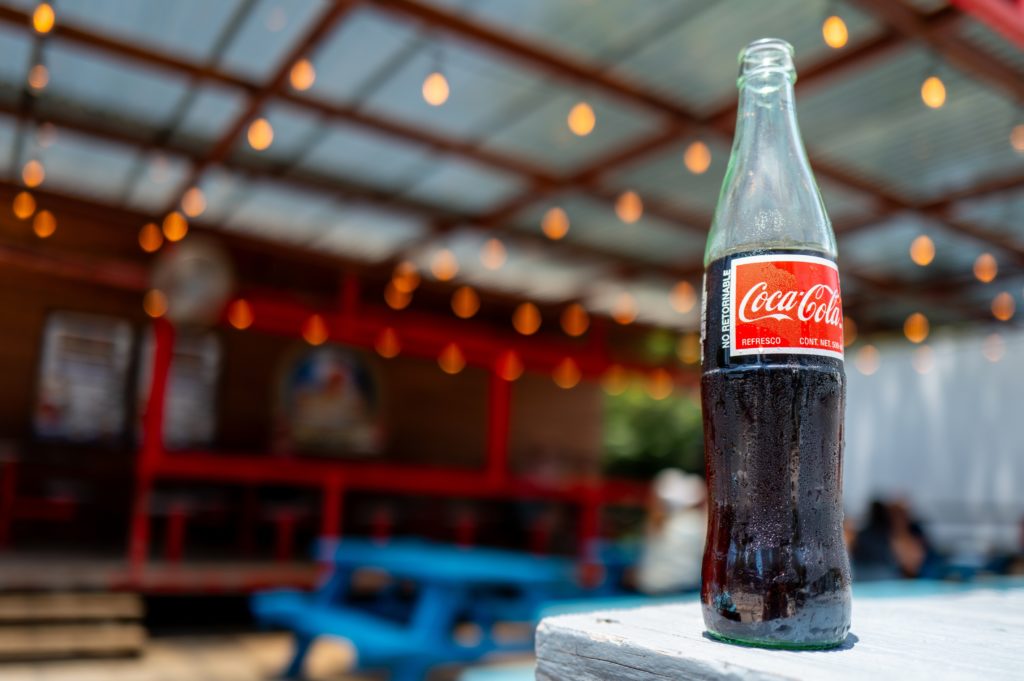
Coca-Cola's plan to reintroduce cane sugar in the US has faced challenges due to limited availability, making the rollout a gradual process, despite earlier announcements and political pressure.
Coca-Cola has started selling a cane sugar soda in select U.S. cities following President Trump's request, marking a shift from high-fructose corn syrup, amid a broader focus on healthier beverage options and successful sugar-free products.
Replacing high-fructose corn syrup with cane sugar in sodas does not significantly impact health, as both are similar in calories and metabolic effects; overall sugar intake is the key factor in health outcomes.
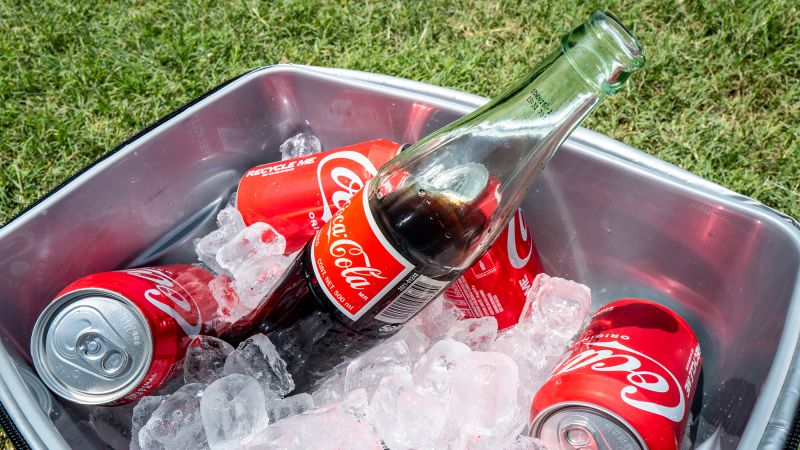
Starting this fall, Coca-Cola will offer a version sweetened with domestic cane sugar instead of high-fructose corn syrup in the U.S., a move praised by some officials but debated by health experts who note that cane sugar is not necessarily healthier. Both sweeteners are ultra-processed and linked to health risks like obesity and diabetes, with current high sugar consumption in the U.S. remaining a major concern. Experts emphasize that reducing overall processed food intake and sugar consumption should be the priority for improving public health.
Coca-Cola plans to introduce a cane sugar-based version of its classic soda alongside the traditional high-fructose corn syrup version, aiming to appeal to niche markets and health-conscious consumers, though experts warn it may face marketing and pricing challenges similar to past product battles.
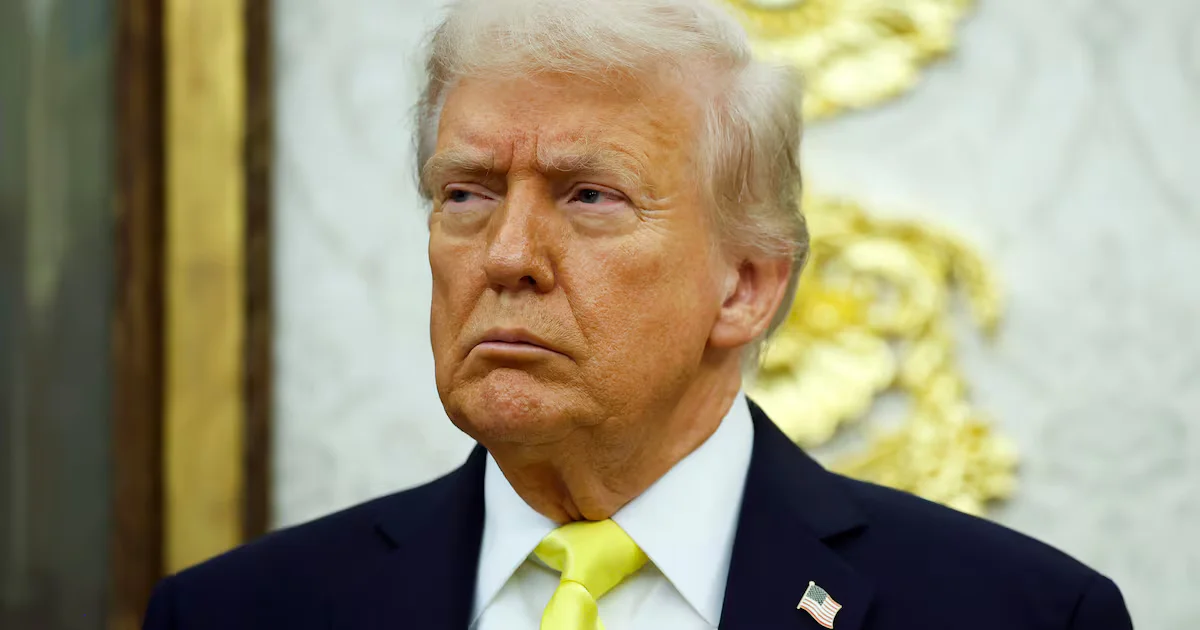
Coca-Cola plans to introduce a cane sugar-sweetened version of Coke in the US in response to President Trump's push, offering consumers a choice between traditional cane sugar and the usual corn syrup, with the new product launching in autumn.
Coca-Cola plans to introduce a US product made with cane sugar later this year, following claims by Donald Trump that the company would switch from high-fructose corn syrup to cane sugar, aiming to offer consumers more choices without replacing its existing formula.
Coca-Cola announced it will launch a new version of its signature drink sweetened with cane sugar in the U.S., following President Trump's push for the use of 'real cane sugar,' while maintaining its existing corn syrup formula. The move aims to offer more choices without replacing the current product entirely, avoiding significant impacts on U.S. agriculture and costs. The decision aligns with efforts by RFK Jr. to promote healthier ingredients, though experts note little health difference between cane sugar and corn syrup.
Coca-Cola will introduce a cane sugar version of its soda in the U.S. this fall, responding to consumer demand and political influence, despite ongoing debates about health impacts and higher costs compared to high-fructose corn syrup.
Coca-Cola's Q2 profits exceeded estimates despite sales falling short, with adjusted earnings per share beating expectations and revenue slightly below forecasts. The company plans to launch a new U.S. cane sugar-sweetened product this fall, aiming to diversify its portfolio amid ongoing tariff impacts and market challenges.
Coca-Cola announced it will launch a new version made with cane sugar in the fall, following President Trump's claim that he persuaded the company to replace high-fructose corn syrup, though the flagship recipe will remain unchanged. The new product aims to offer more choices, but health experts continue to warn about the risks of excessive sugar consumption.
Coca-Cola plans to launch a new soda made with U.S. cane sugar this fall, responding to President Trump's call for using sugar instead of high fructose corn syrup, and potentially benefiting Florida and Louisiana's sugar industries.
Coca-Cola exceeded quarterly revenue and profit estimates driven by strong demand for zero-sugar drinks and higher prices, and plans to launch a cane sugar-based product in the U.S., responding to consumer preferences and political influences.
President Trump announced Coca-Cola will switch from high-fructose corn syrup to cane sugar in the U.S., but experts say the health differences are minimal and excessive consumption of either sweetener is unhealthy. Both sweeteners can contribute to metabolic issues if consumed in excess, and the switch may not significantly improve health outcomes.
President Trump announced that Coca-Cola might replace high-fructose corn syrup with cane sugar in US products, but health experts agree that switching types of sugar doesn't make soda healthier, as excessive sugar consumption is harmful regardless of the source. The debate involves economic and trade considerations, with health advocates emphasizing reducing overall sugar intake for better health.