The article reveals how the spread of highly pathogenic avian influenza (H5N1) among US dairy cattle and poultry, facilitated by industrial farming practices and lack of government oversight, poses significant health risks to animals and humans, highlighting the broader dangers of the consolidated, profit-driven food industry and advocating for systemic reforms.
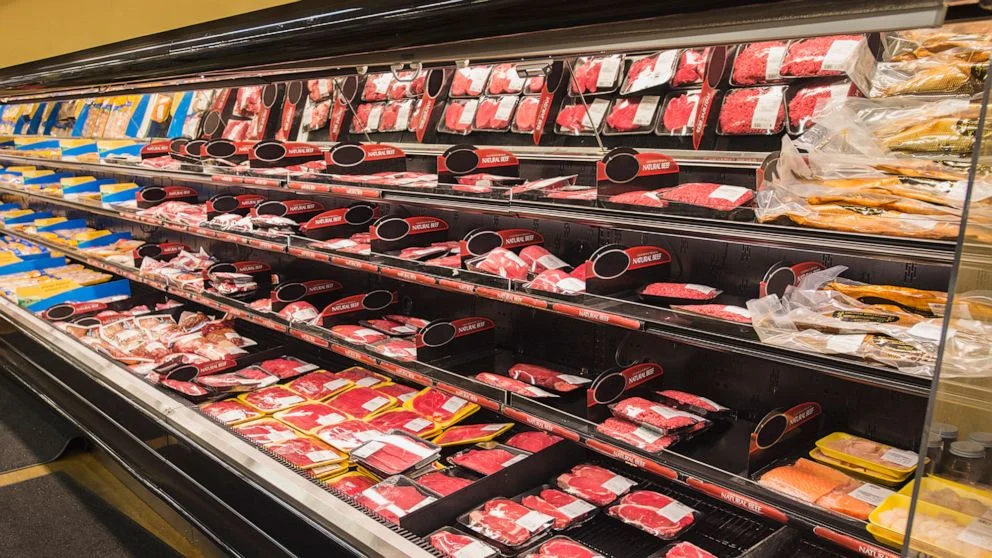
A scientific review links the global food system to both rising obesity and climate change, highlighting how ultra-processed foods and beef-heavy diets contribute to health issues and environmental damage, and advocating for systemic policy changes to promote healthier and more sustainable food options.
Farm protests in Europe are not only reshaping the continent's food system but also its politics, with the far right seeing an opportunity. Farmers like Jean-Michel Sibelle in France are feeling the squeeze of EU and national environmental regulations, rising costs, and unregulated competition, leading to a steady exodus from the agricultural sector. Sibelle, who is about to sell his family farm, feels suffocated by norms and sees no future in continuing the labor-intensive work.
The United Nations' Food and Agriculture Organization (FAO) has released a report revealing that the hidden costs of the world's food system amount to $12.7 trillion annually, equivalent to around 10 percent of global GDP. The report highlights the impact on health, society, and the environment embedded in the current food system. The largest hidden costs are associated with diets leading to obesity and non-communicable diseases, followed by environmental impacts. The costs vary significantly between countries, with low-income countries experiencing higher costs related to poverty. The FAO emphasizes the need for government action, individual choices, and responsible behavior from the food industry to address these hidden costs.
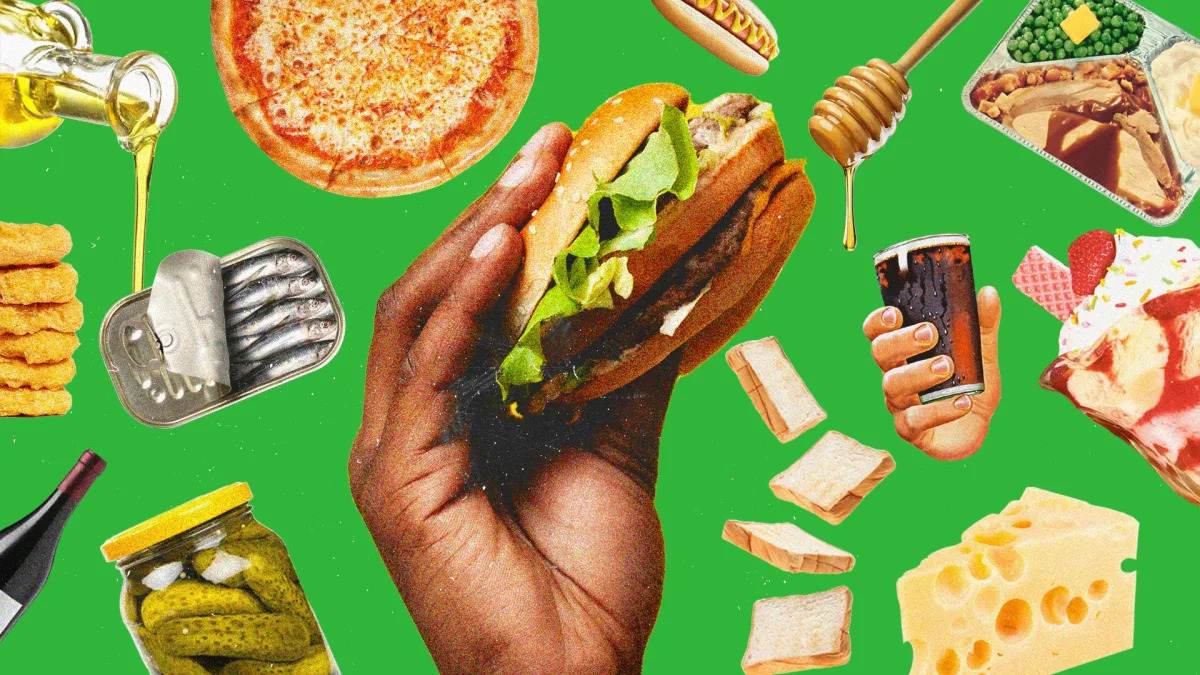
The debate over ultraprocessed foods is gaining attention as experts question whether the way our food is made is just as important as its nutritional content. Ultraprocessed foods, which are heavily altered and often contain additives, have been linked to various health problems. Some argue that these foods are specifically engineered to promote overeating and contain artificial ingredients with unknown effects on the body. Critics argue that the issue lies with diets high in fat, sugar, and salt, which ultraprocessed foods tend to have. There are concerns that discussing the dangers of ultraprocessed foods may lead people to avoid generally healthy foods that fall into this category. Experts suggest that widespread changes to the food system are needed to make healthier options more accessible. The U.S. government is considering whether to address ultraprocessed foods in the next set of dietary guidelines.