
A CDC report reveals that 76% of U.S. adults have at least one chronic health condition, with older adults being most affected, experiencing high rates of issues like high blood pressure, obesity, and diabetes, emphasizing the importance of early intervention and lifestyle changes.
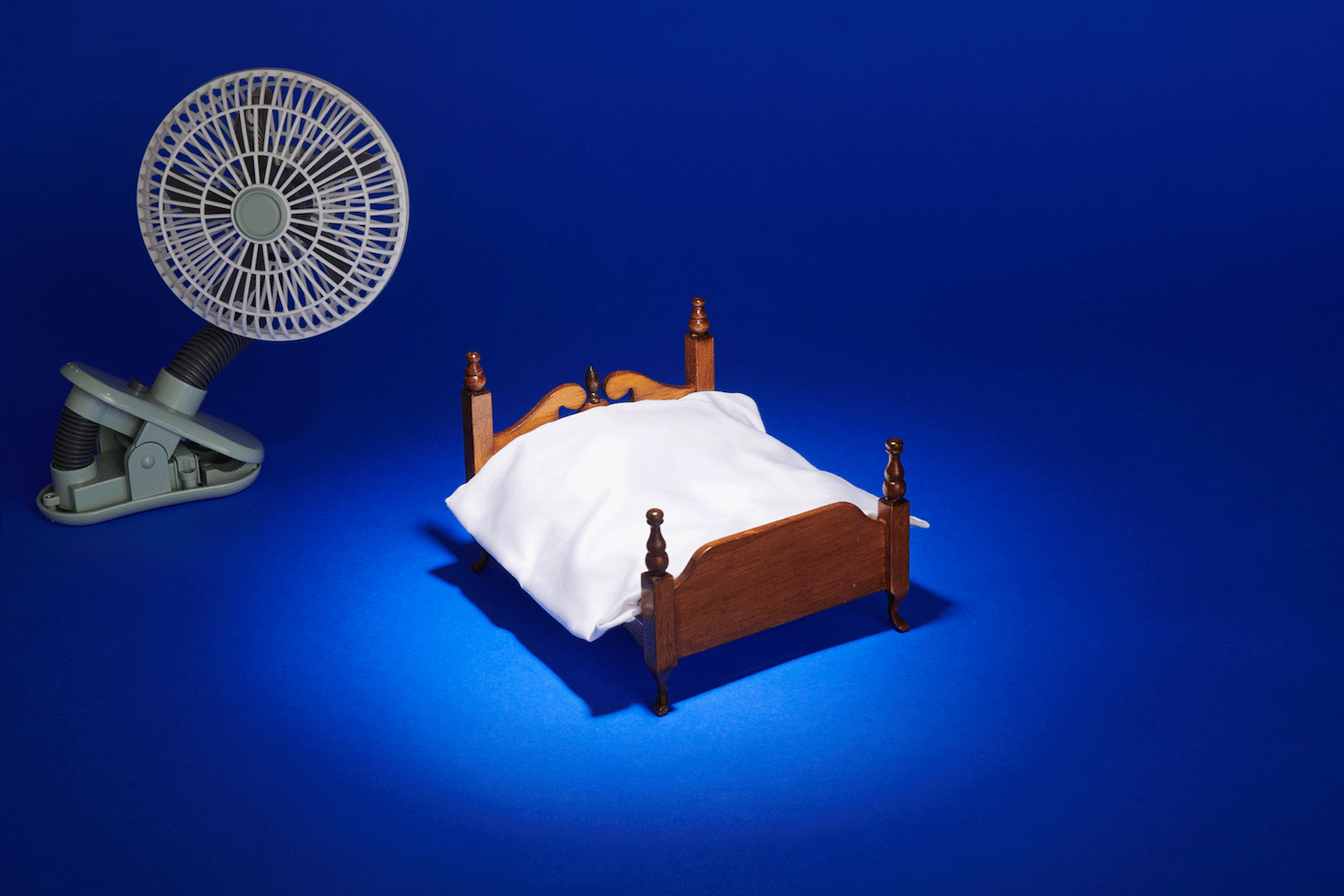
Fans can help improve sleep by providing a cooling breeze and white noise, but their effectiveness varies depending on factors like temperature, fan type, and individual health conditions.
Dr. Saurabh Sethi emphasizes the medicinal power of foods like beets for hypertension, oats for diabetes, chamomile tea for anxiety, blueberries for depression, red meat for anemia, and turmeric for back pain, highlighting research-backed dietary strategies for managing common health issues.
A study by Penn State's College of Health and Human Development tracked the sleep habits of nearly 3,700 participants over a decade and identified four distinct sleep categories: good sleepers, weekend catch-up sleepers, insomnia sleepers, and nappers. Insomniacs had a 28 to 81 percent higher risk of heart disease, diabetes, and depression, while nappers had a 128 percent increased risk for diabetes and a 62 percent increased risk for frailty. Environmental factors and lifestyle were found to play a significant role in sleep quality, and the study suggests that educating the public about good sleep health and promoting sleep hygiene behaviors could help reduce the risk of developing sleep-related problems.
A study from Penn State University identified four major sleep patterns and their impact on long-term health, finding that insomnia sleepers and nappers faced increased risks of developing chronic health conditions such as cardiovascular disease, diabetes, depression, and frailty. The study also revealed that many Americans struggle to meet the recommended seven hours of sleep per night. Lead researcher Soomi Lee emphasized the importance of educating the public about good sleep health and promoting sleep hygiene behaviors to improve overall sleep quality.
Factors to consider before taking vitamin D supplements include limited sunlight exposure, darker skin, indoor lifestyle, diet lacking in vitamin D-rich foods, health conditions affecting absorption, and reduced skin synthesis in older adults. Blood tests can determine deficiency, and supplementation may be recommended, but consulting a healthcare professional is essential before starting any new supplements.
A Pew Research Center survey of 10,133 U.S. adults reveals that about three-quarters of Americans are familiar with weight-loss drugs like Ozempic and Wegovy, with 53% considering them good options for people with obesity or weight-related health conditions. However, only 16% believe these drugs will have a significant impact on reducing obesity in the U.S. The survey also shows that most Americans do not believe willpower alone is enough for weight loss, with diet, exercise, stress, and genetics being identified as key factors impacting weight. The study highlights the ongoing societal discussion about weight and the factors influencing it, with modest differences in views across demographic groups.
Nocturia, or waking up to pee multiple times at night, is a common issue that can disrupt sleep and may indicate an underlying health condition. Possible causes include drinking too many fluids, overactive bladder, infections, prostate enlargement, diabetes, medications, and sleep disorders. Nocturia can lead to sleep deprivation and increase the risk of various health issues. Managing fluid intake, using the bathroom before bed, and seeking medical advice for persistent nocturia are recommended strategies.
Magnesium plays a crucial role in various bodily functions, and not getting enough of it can lead to health issues. While magnesium supplements may help with certain health conditions like high blood pressure, headache, or anxiety if caused by low magnesium, it's important to consult a healthcare provider before adding them to your regimen. It's essential to address lifestyle factors and consider medication as a treatment alongside supplements, and to ensure that any supplements chosen have been third-party-tested.
The largest global vaccine safety study to date found small increases in neurological, blood, and heart-related conditions linked to Covid-19 vaccines, including heart-related inflammation from mRNA shots and an increased risk of blood clots and neurological disorders from viral-vector vaccines. While over 13.5 billion doses of Covid vaccines have been administered globally, saving over 1 million lives in Europe alone, a small proportion of people immunized were injured by the shots, sparking debate about their benefits versus harms. Additionally, a separate study conducted by the Yale School of Medicine identified common symptoms in adults experiencing chronic post-vaccination syndrome, which aims to understand the condition and improve vaccine safety.
Researchers at the University of Washington found that both small and large dogs suffer from the same amount of illnesses, but those affecting smaller canines are not as severe. The study, which surveyed over 27,000 dog owners, revealed that larger dogs are more prone to cancer, gastrointestinal problems, and infections, while smaller dogs are prone to eye conditions, liver problems, and respiratory issues. The findings could lead to a deeper understanding of the conditions contributing to the lower lifespan of larger dogs and help veterinarians and dog owners better address the health concerns of different dog breeds.
A study of over 25,000 U.S. dogs and 238 breeds has found that larger dogs are more likely to face certain health conditions such as cancer, bone-related disease, and gastrointestinal problems, while smaller dogs are more prone to ocular, cardiac, and respiratory diseases. The research suggests that dog size may be linked to varying patterns of risk for different conditions over the course of a dog's lifespan, but more research is needed to confirm any causal relationship. The findings could provide insights into the disease categories contributing to the lower lifespan of larger dogs and offer avenues for further exploration.
A study conducted by researchers from Harvard and Oxford University suggests that being diagnosed with certain health conditions in one's 20s can increase the likelihood of being childless later in life. The study, which included 2.5 million participants from Sweden and Finland, found that behavioral health issues such as alcoholism and schizophrenia had the greatest influence on childlessness among men, while autoimmune and inflammatory diseases like multiple sclerosis and cardiovascular disorders were more likely to result in childlessness among women. The study identified 74 different conditions associated with childlessness, including mental health disorders, birth defects, and metabolic disorders. These findings contribute to the understanding of factors contributing to declining birth rates and highlight the need for improved public health interventions.
Russian artist Sasha Skochilenko has been sentenced to seven years in prison for spreading "disinformation" about the Russian army. Skochilenko, who has chronic health conditions, was arrested in April 2023 after replacing price tags in a supermarket with anti-war messages. Her trial revealed multiple flaws in the prosecution's case, including unreliable testimonies and unscientific analysis. Skochilenko's lawyers argued for her innocence and highlighted her need for proper medical care. Despite the defense's efforts, she was sentenced to prison, sparking outrage among supporters.
The official cause of death for actress Suzanne Somers has been revealed as breast cancer with metastasis to the brain, according to her death certificate. The document also noted that she had underlying health conditions of hypertension and hydrocephalus. Somers, known for her role in Three's Company, had been battling breast cancer for 23 years. Her husband described her final moments, saying she passed away peacefully at home surrounded by family.