human-rights12.68 min read
Amnesty Warns Iran Crackdown Signals Impunity, Urges Global Action
1 month ago•Source: Amnesty International USA

The latest human rights stories, summarized by AI
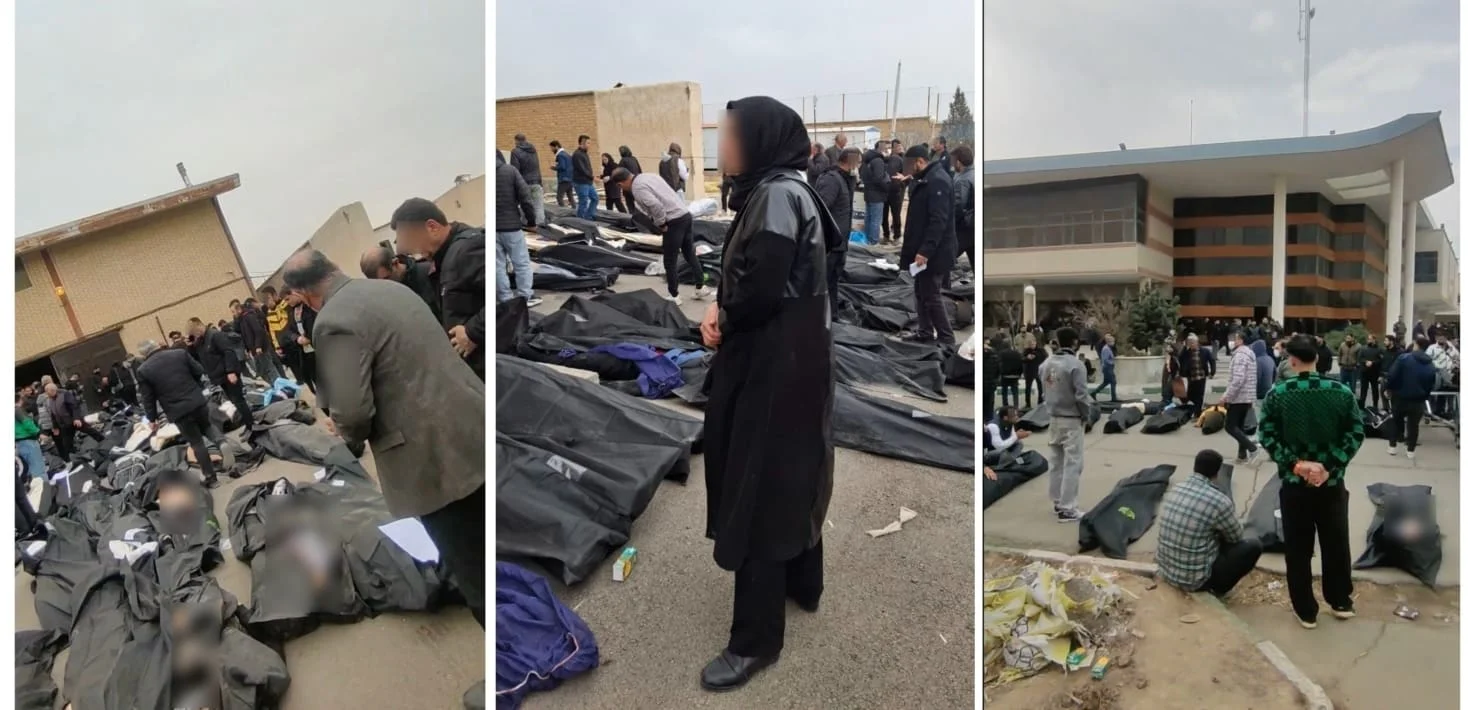
A UN-mandated fact-finding mission has called on Iran to end violent crackdowns on protests, restore internet access, and respect human rights, amid reports of deaths, arrests, and brutal force used against protesters, especially in ethnic minority regions, following nationwide demonstrations triggered by economic collapse and previous protests.

CBS News•3 months ago
Amnesty International•3 months ago
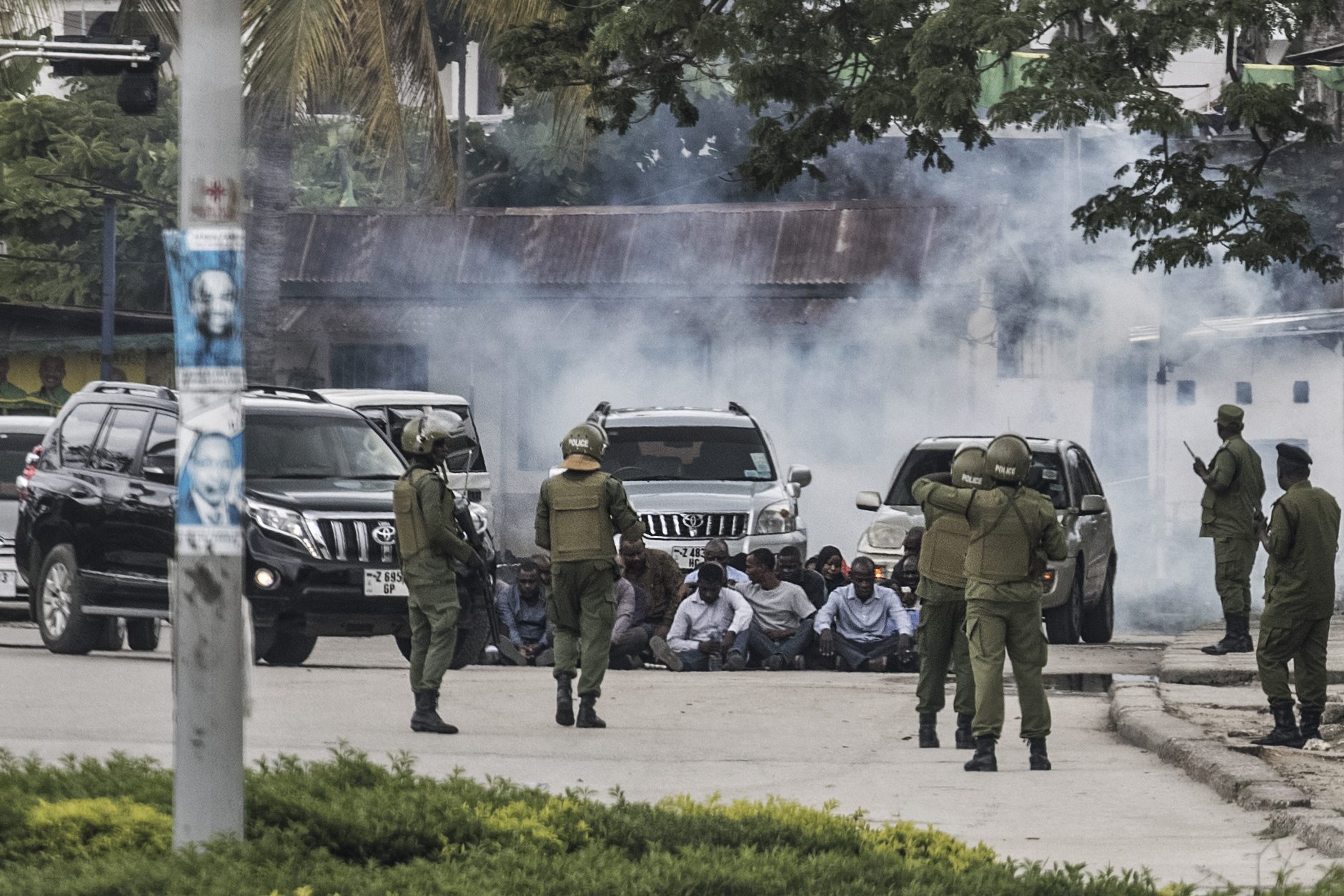
Amnesty International reports ongoing human rights violations in Tanzania, including unlawful killings and excessive force against protesters, amid nationwide internet and electricity blackouts following the October 29 elections. The organization urges authorities to restore access, investigate abuses, and respect peaceful assembly rights.
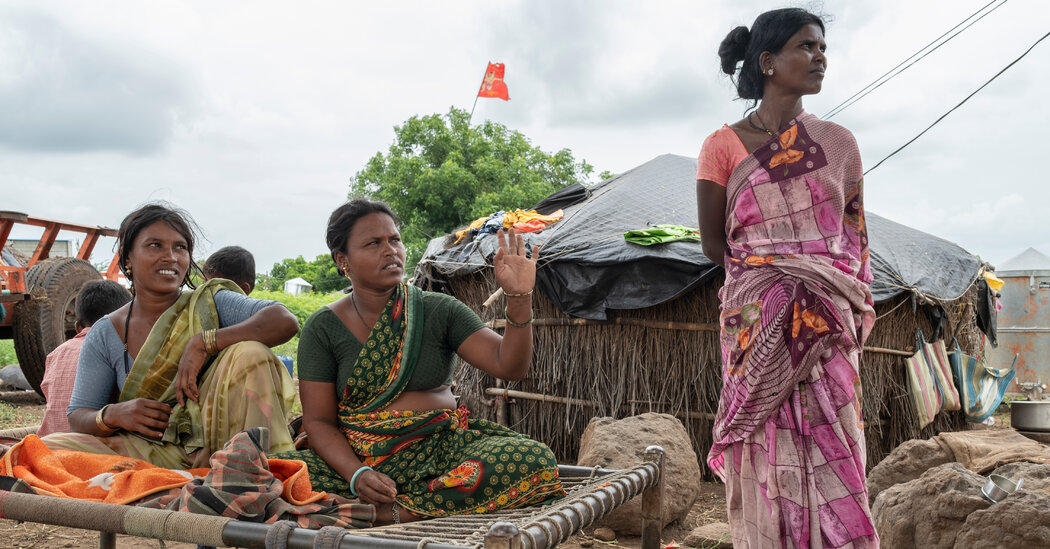
In India, there is a troubling connection between forced labor and the prevalence of hysterectomies among women. Many women, particularly those from marginalized communities, are coerced into undergoing unnecessary hysterectomies, often to make them more 'efficient' laborers by eliminating menstrual cycles. This practice highlights severe violations of women's rights and raises concerns about healthcare exploitation and systemic discrimination.
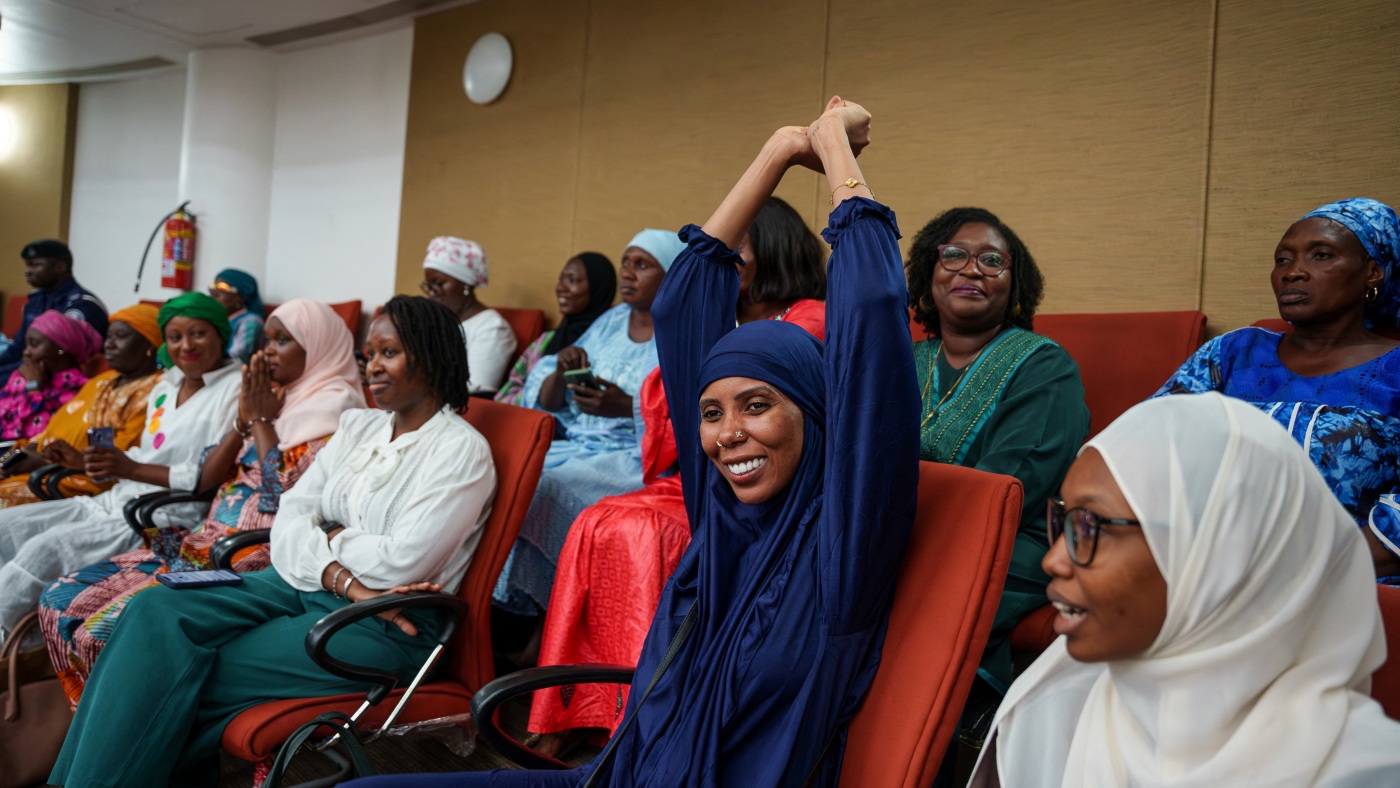
Gambian activists, including Jaha Dukureh and Absa Samba, celebrated as the country's parliament voted 34 to 19 to uphold the ban on female genital mutilation (FGM), rejecting a bill to reverse it. The decision comes amid intense debate and opposition from conservative clerics. The vote is seen as a significant victory for human rights advocates and sends a strong message globally, especially to countries considering similar bans.
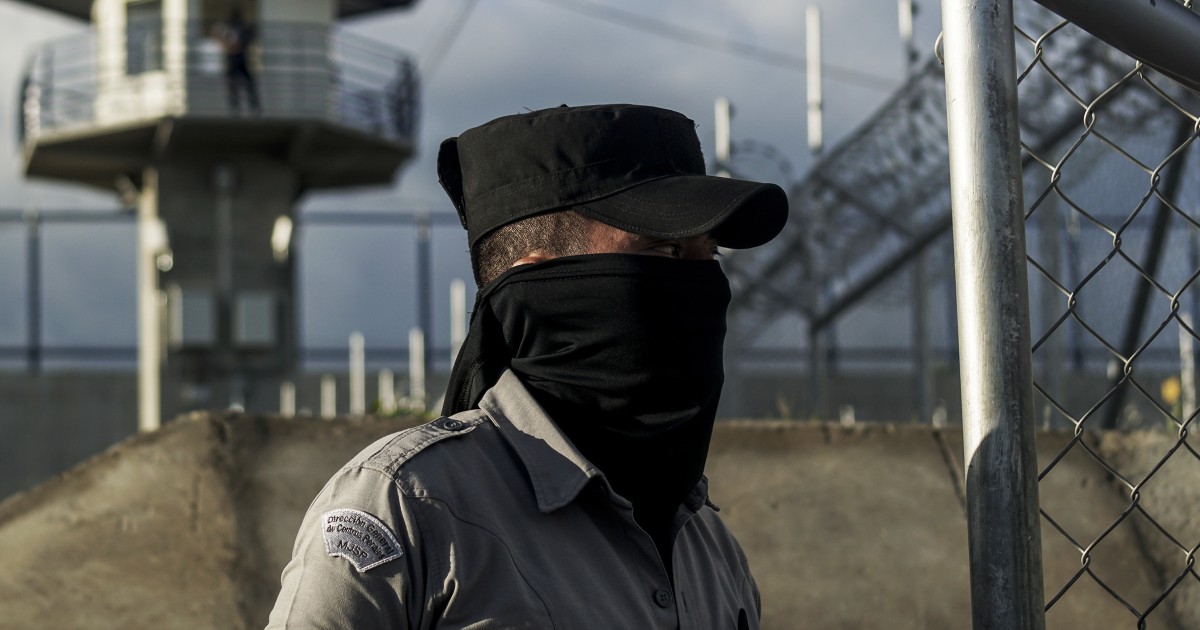
A Human Rights Watch report reveals that over 60 children in El Salvador have been arbitrarily detained, tortured, and beaten since the government declared a state of emergency to combat gangs. The report highlights severe ill-treatment, including deprivation of food, healthcare, and family contact, and coerced false confessions. The Salvadoran government has previously denied torture in its prisons. The state of emergency has led to over 80,500 arrests and a significant reduction in homicides, earning President Nayib Bukele strong popular support.

Human Rights Watch reports that over 3,000 minors have been arbitrarily arrested and abused in El Salvador's prisons as part of President Nayib Bukele's mass antigang campaign. Many children, with no apparent gang connections, were targeted based on appearance or socioeconomic background, suffering beatings, torture, and deprivation of basic needs. Despite reducing the homicide rate and gaining popular support, Bukele's tactics have led to severe human rights violations.
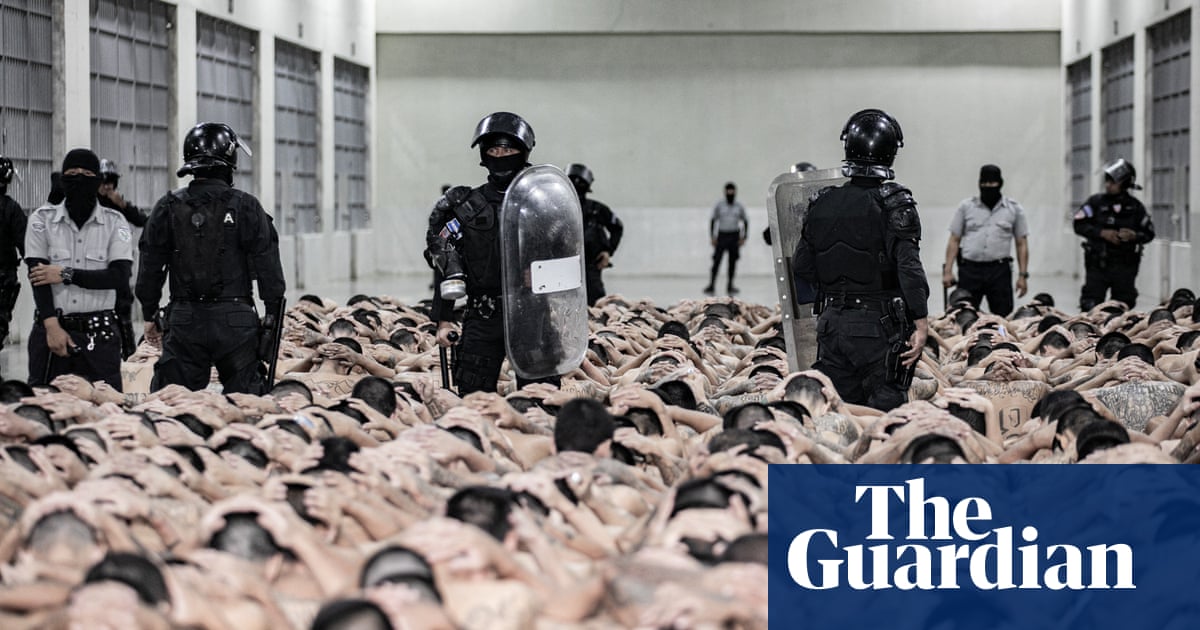
A Human Rights Watch report reveals that about 3,000 children, some as young as 12, have been arbitrarily detained in El Salvador's mass arrests under President Nayib Bukele's anti-gang crackdown. Despite significant reductions in violence, the report highlights severe human rights abuses, including torture and overcrowded, dangerous detention conditions. The report urges the government to review these cases and calls on international bodies to withhold support from agencies involved in the abuses.

Human Rights Watch reports that over 1,000 minors have been convicted under El Salvador's state of emergency since March 2022, facing indiscriminate arrests, torture, and harsh prison sentences. The crackdown, led by President Nayib Bukele, has resulted in significant human rights violations against children, with many coerced into confessions and held without proper legal or familial contact. Despite criticism, Bukele's tough approach has made him highly popular and led to a significant drop in the country's homicide rate.
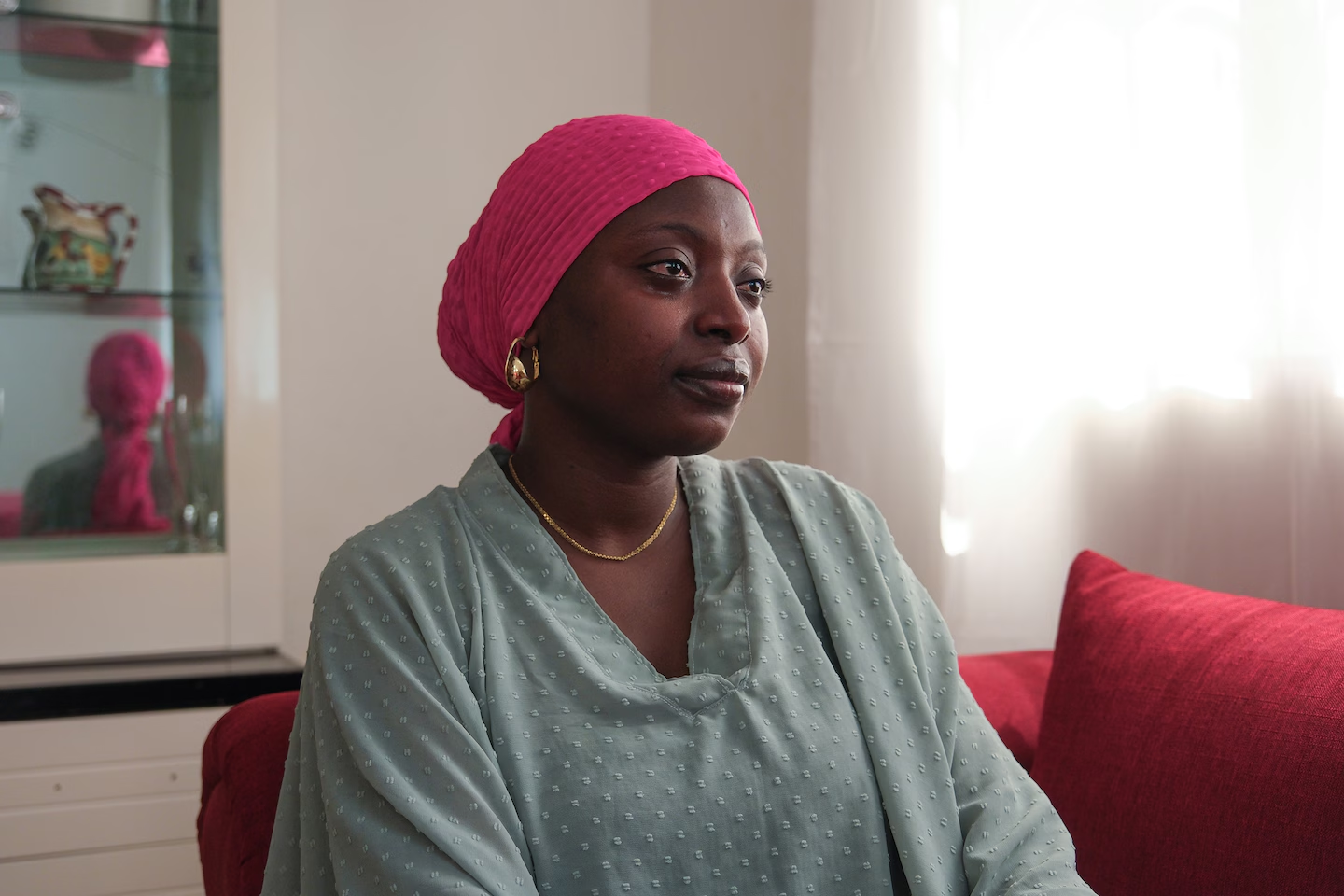
In Gambia, a nationwide debate is ongoing about potentially repealing the ban on female genital mutilation (FGM), a practice that affects three-quarters of Gambian women. Fatou Saho, who vowed never to subject her daughter to FGM, discovered her daughter had been cut without her knowledge, highlighting the challenges of enforcing the ban and securing justice. Despite a parliamentary committee recommending the ban be maintained, the final vote is pending, and the practice continues with little accountability.
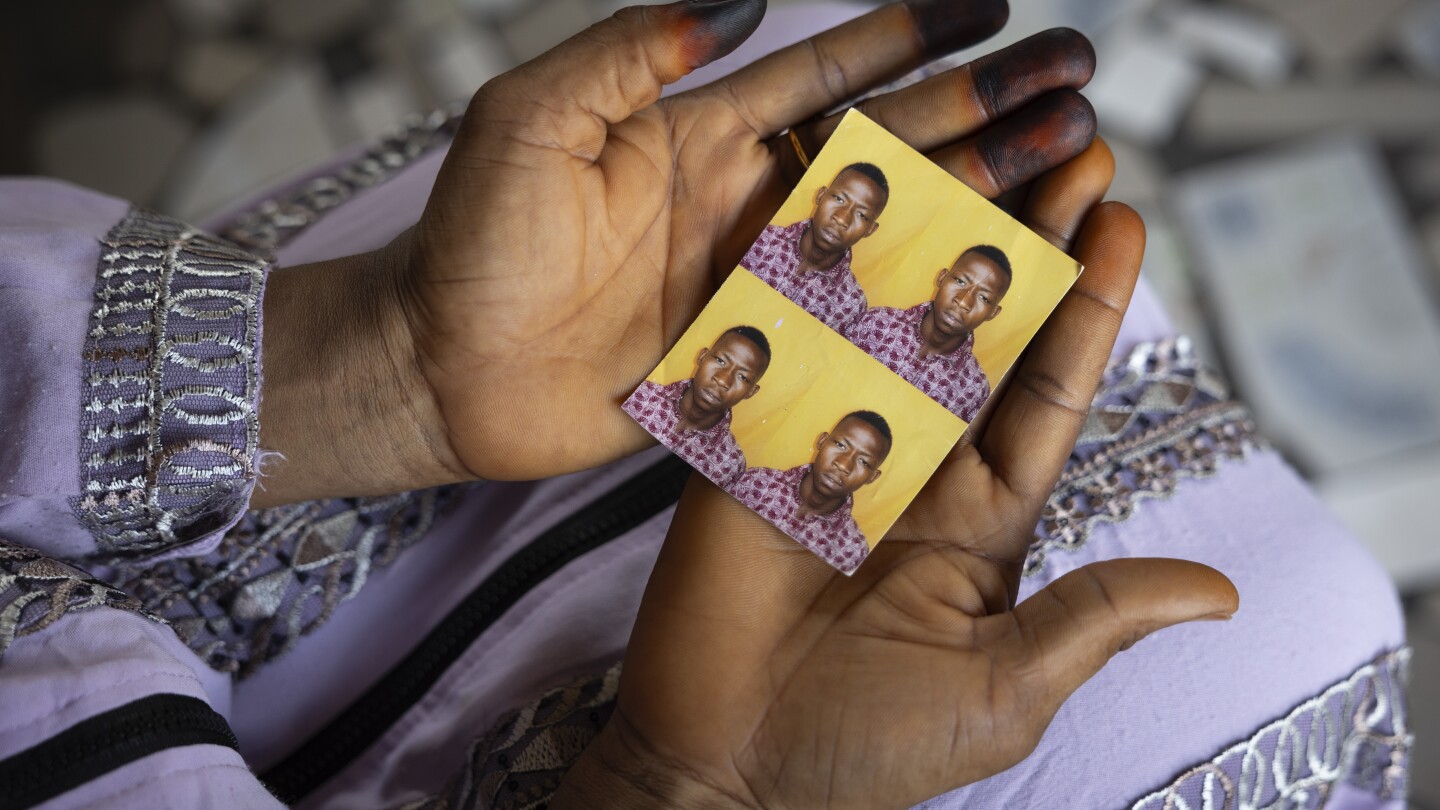
Ousmane Sylla, a 21-year-old migrant from Guinea, committed suicide in an Italian detention center, highlighting the squalid and chaotic conditions of such facilities. His death has sparked outrage and brought attention to the human rights violations within these centers, which are criticized for their poor living conditions and lack of adequate medical and psychological care. Despite the Italian government's stance on deterring illegal migration, the system's inefficiencies and harsh conditions have been condemned by activists and lawyers.
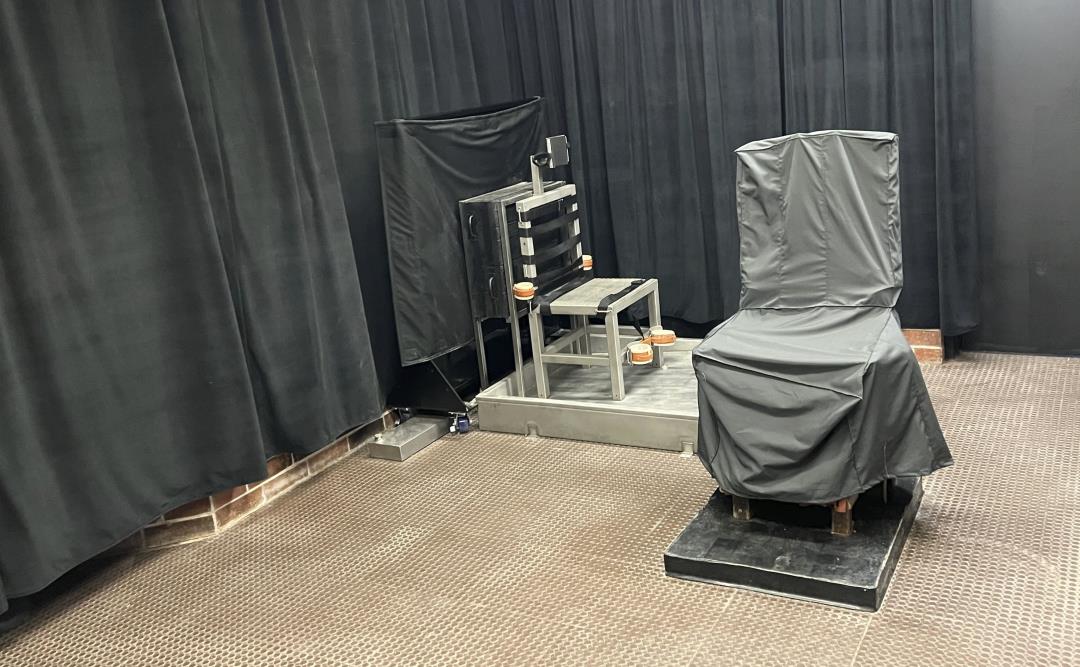
Amnesty International reports that global executions reached an eight-year high in 2023, with Iran responsible for 74% of the 1,153 known executions. Iran's executions, particularly for drug-related offenses, disproportionately affected marginalized communities. China, though believed to execute thousands, was not included due to secrecy. Saudi Arabia and the US followed Iran in execution numbers. Despite the rise, the number of countries carrying out executions fell to a record low of 16.