Cases of drug-resistant 'nightmare bacteria' in the U.S. have increased nearly 70% from 2019 to 2023, driven mainly by bacteria with the NDM gene, which are difficult to treat and may lead to community spread and more chronic infections, raising significant public health concerns.
Infection rates from drug-resistant 'nightmare bacteria' with the NDM gene have increased nearly 70% in the US from 2019 to 2023, driven by limited treatment options and increased antibiotic use during the COVID-19 pandemic, posing a significant public health threat.
Infection rates from drug-resistant 'nightmare bacteria' in the US have increased nearly 70% from 2019 to 2023, driven mainly by bacteria with the NDM gene, which are difficult to treat and may lead to community spread and more chronic infections, highlighting a growing public health concern.
A CDC report reveals that over half of the calories consumed by US children and adults come from ultraprocessed foods, which are linked to various health issues. While there has been some improvement, ultraprocessed foods still dominate the American diet, especially among children, and are often cheaper and more accessible, raising concerns about long-term health impacts and dietary habits.
A CDC report reveals that 76% of U.S. adults have at least one chronic health condition, with older adults being most affected, experiencing high rates of issues like high blood pressure, obesity, and diabetes, emphasizing the importance of early intervention and lifestyle changes.
RV water tanks can harbor dangerous bacteria and parasites if not properly maintained and cleaned regularly. The CDC reports a fatal brain infection linked to contaminated RV water, emphasizing the importance of using filtered, sterile, or boiled water for internal use and regularly cleaning the tanks to prevent health risks. Installing effective filtration systems and sanitizing tanks every few months are recommended safety measures.
A CDC report reveals that the number of abortions in the US fell by only 2% in 2022 despite state bans following the overturning of Roe v Wade. The report highlights a divide in access, with some states enacting strict bans while others have protective laws, leading to increased abortions in those areas. The availability of abortion pills and telemedicine has helped maintain abortion numbers. However, the report's data is incomplete, as some states do not provide comprehensive information. The sustainability of current abortion access, reliant on donations and support organizations, remains uncertain.
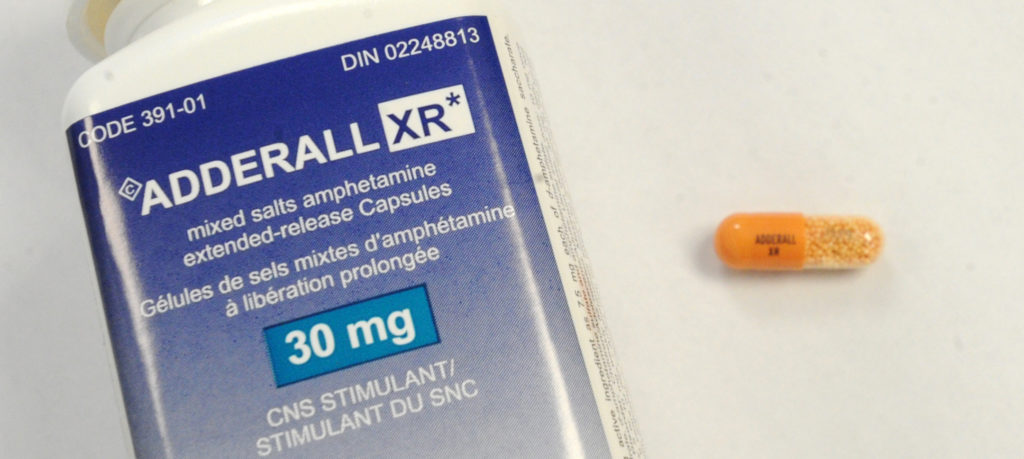
A recent CDC report highlights that over 15 million U.S. adults have been diagnosed with ADHD, yet many face challenges in accessing treatment. Clinical psychologist Maggie Sibley discusses these barriers with Ali Rogin, emphasizing the need for improved healthcare access for adults with ADHD.
A family gathering in South Dakota resulted in multiple cases of trichinellosis after consuming undercooked bear meat harvested from northern Saskatchewan. The U.S. Centers for Disease Control and Prevention reported that the parasite, common in wild meat, caused severe symptoms in those infected. Experts emphasize the importance of cooking wild game meat to a high temperature to kill the parasite. The incident highlights the risks associated with consuming improperly prepared wild game.
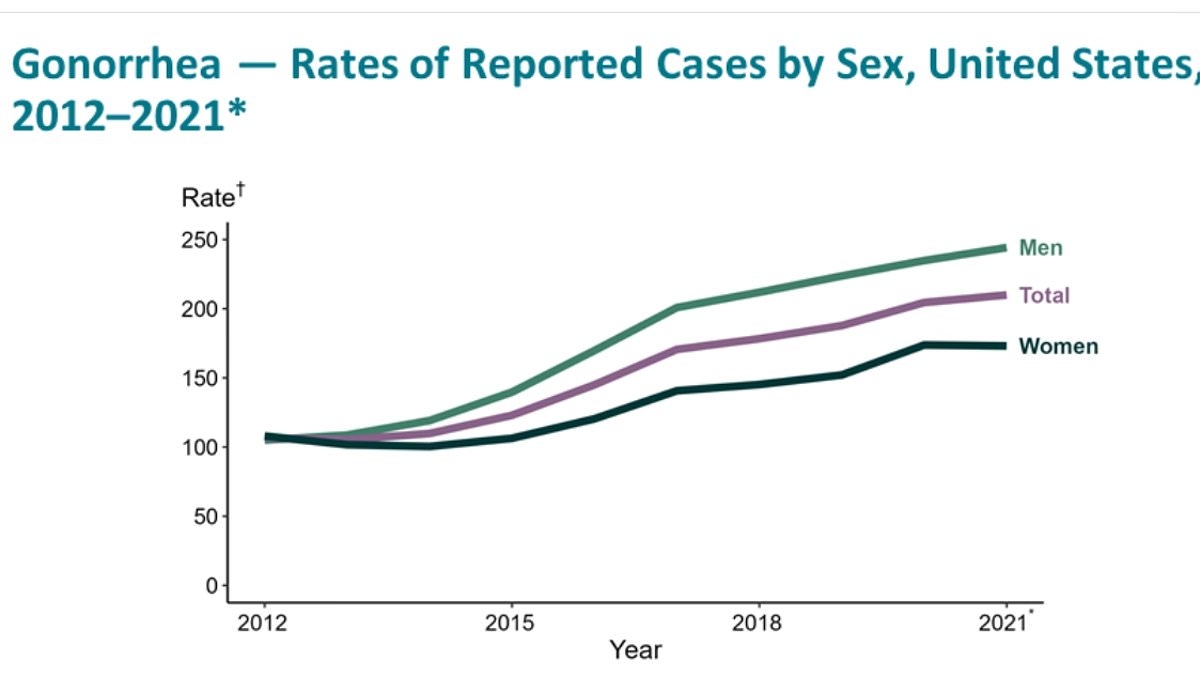
A new CDC report reveals that China is experiencing a surge in antibiotic-resistant super gonorrhea, with rates of resistance to one of the last effective antibiotics 40 times higher than those in the US, UK, and Canada. The bacteria causing gonorrhea have shown high resistance to multiple antibiotics, posing a growing global public health threat. Urgent action and international collaboration are needed to address the spread of antibiotic-resistant strains and identify alternative treatment options for gonorrhea.
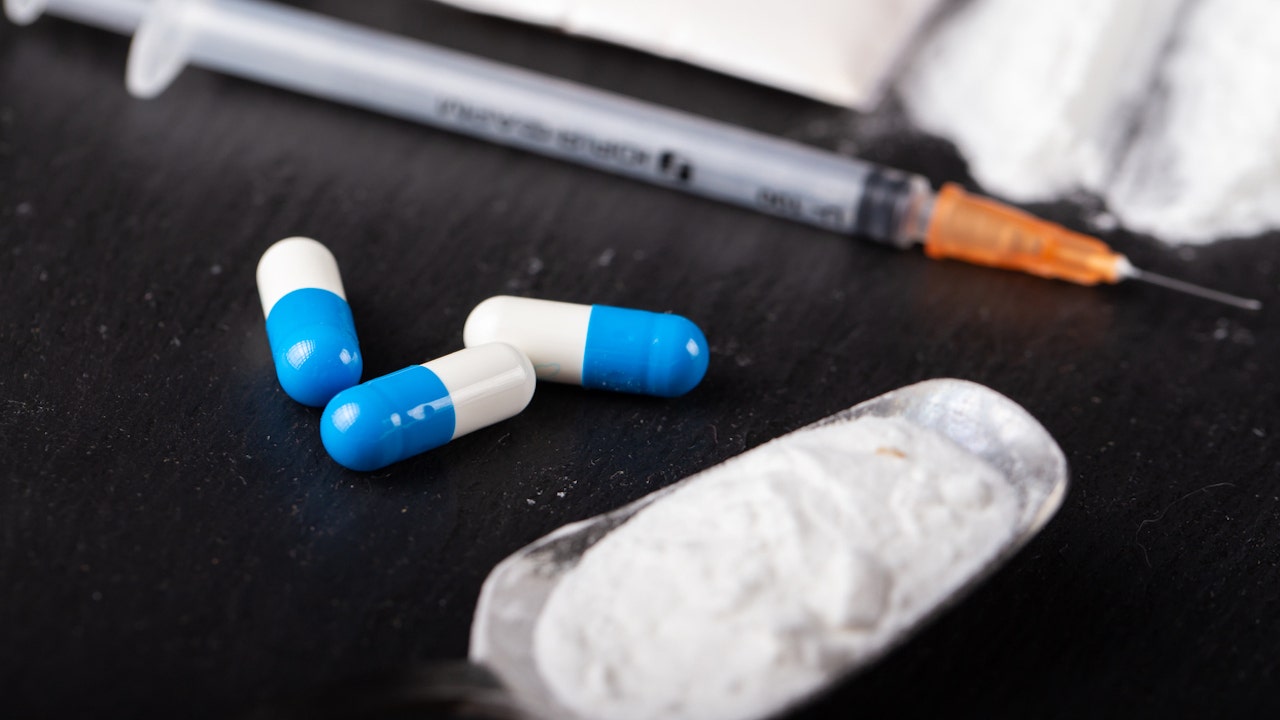
The latest CDC report reveals that drug overdoses in the U.S. reached a record high in 2022, with nearly 108,000 deaths, driven largely by fentanyl. While the rate of increase has slowed, experts emphasize the need for addiction treatment, recovery support, education on hidden substances like fentanyl, and widespread mental health resources. Strategies such as increasing the behavioral health workforce, providing care in all settings, and prioritizing medication-assisted treatment are crucial in addressing the ongoing overdose crisis.
A CDC report reveals a 29% increase in alcohol-related deaths over five years, with over 178,000 Americans succumbing to alcohol-related causes in 2021. Factors contributing to this rise include increased drinking during the pandemic, low alcohol prices, and heavy advertising. Women's drinking has surged due to targeted marketing, leading to equally damaging effects from alcohol consumption as men. However, recovery from alcohol addiction is achievable through various pathways, offering hope to the millions struggling with alcohol-related issues.
A Hubbard teenager, Malia Crump, who has been living with Lyme disease since she was 9, is raising awareness about the disease after a CDC report showed a spike in Lyme disease cases in Ohio and Pennsylvania. Despite undergoing treatment, she still struggles with health issues and emphasizes the importance of not ignoring symptoms and seeking prompt medical attention if bitten by a tick.
A new report from the US Centers for Disease Control and Prevention reveals that the percentage of overdose deaths linked to smoking drugs has risen sharply, surpassing injection as the leading route of drug use involved in such deaths. The report attributes this shift to the perception of lower overdose risk and greater control over drug consumption when smoking, as well as the potential for fewer adverse health effects compared to injecting. However, the rise in smoking drug use is also associated with the increased presence of deadly synthetic opioids, particularly fentanyl, which remains a significant factor contributing to the record-high drug overdose deaths in 2022 and 2023. Harm reduction efforts are urged to provide safer smoking materials, fentanyl test strips, naloxone, and overdose awareness education to address the evolving trends in drug consumption.
A CDC report reveals that teenagers with suspected substance use problems often turn to drugs, including marijuana and alcohol, to cope with stress, anxiety, and depression. The study, based on self-assessments from nearly 16,000 teenagers, highlights the need for mental health services targeting youth. Alarmingly, half of the teens reported using drugs alone, increasing their risk for deadly overdoses. Experts urge parents to educate kids about the risks of drug use and provide naloxone to reverse opioid overdoses, while also emphasizing the importance of open communication with teenagers.