
Tag

Dog Aging Project

All articles tagged with #dog aging project

pets-and-animals2 years ago

"Disease Risk: How Your Dog's Size Impacts Health"

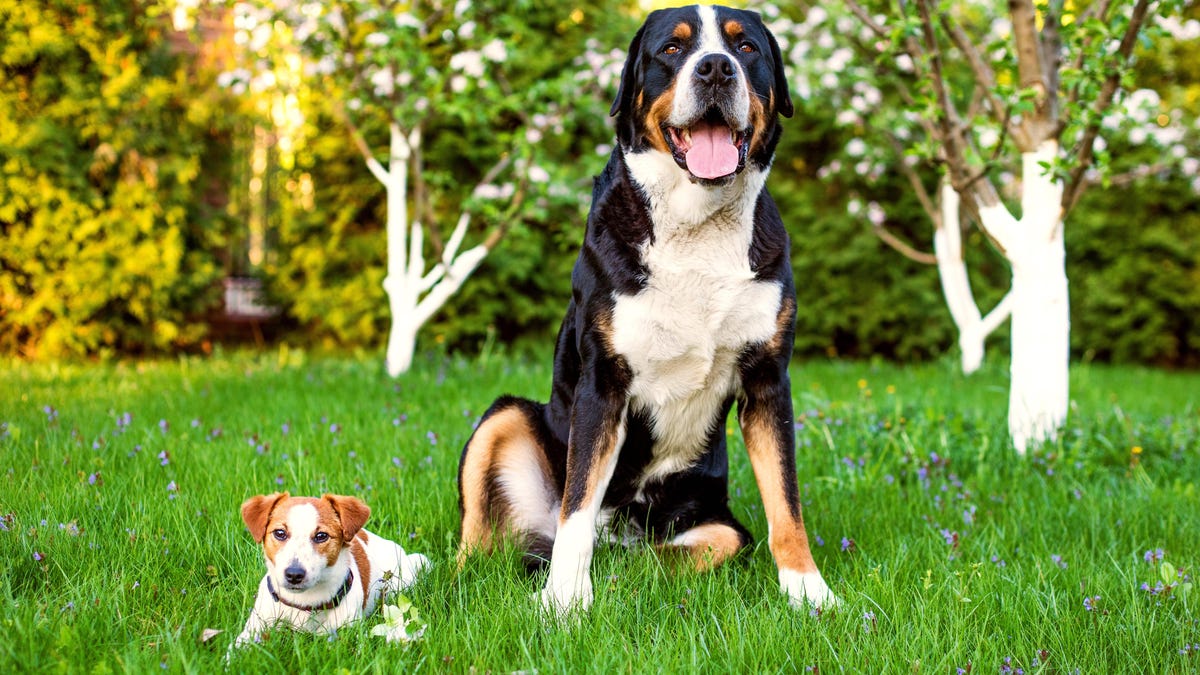
A new study from the Dog Aging Project suggests that larger dogs tend to have a higher risk of various health problems and shorter lifespans, while smaller dog breeds have their own unique health risks. The study, which looked at data from over 27,000 dogs, found that larger dogs were more likely to have issues such as cancer, neurological conditions, and gastrointestinal problems, while smaller dogs were more prone to eye, cardiac, and liver problems. The research aims to provide insights into disease categories that may contribute to reduced lifespan in larger dogs and suggests avenues for further exploration to help keep dogs healthy and living longer lives.


science-and-research2 years ago

"Disease Risk in Dogs: How Size Impacts Health"

Researchers at the University of Washington found that both small and large dogs suffer from the same amount of illnesses, but those affecting smaller canines are not as severe. The study, which surveyed over 27,000 dog owners, revealed that larger dogs are more prone to cancer, gastrointestinal problems, and infections, while smaller dogs are prone to eye conditions, liver problems, and respiratory issues. The findings could lead to a deeper understanding of the conditions contributing to the lower lifespan of larger dogs and help veterinarians and dog owners better address the health concerns of different dog breeds.

pets-and-animals2 years ago

"Disease Risk in Dogs: The Impact of Size Revealed"

A study of over 25,000 U.S. dogs and 238 breeds has found that larger dogs are more likely to face certain health conditions such as cancer, bone-related disease, and gastrointestinal problems, while smaller dogs are more prone to ocular, cardiac, and respiratory diseases. The research suggests that dog size may be linked to varying patterns of risk for different conditions over the course of a dog's lifespan, but more research is needed to confirm any causal relationship. The findings could provide insights into the disease categories contributing to the lower lifespan of larger dogs and offer avenues for further exploration.