Tag

Nocturia

All articles tagged with #nocturia

"Why You Keep Waking Up to Pee at Night and How to Stop It"
health1 year ago

"Why You Keep Waking Up to Pee at Night and How to Stop It"

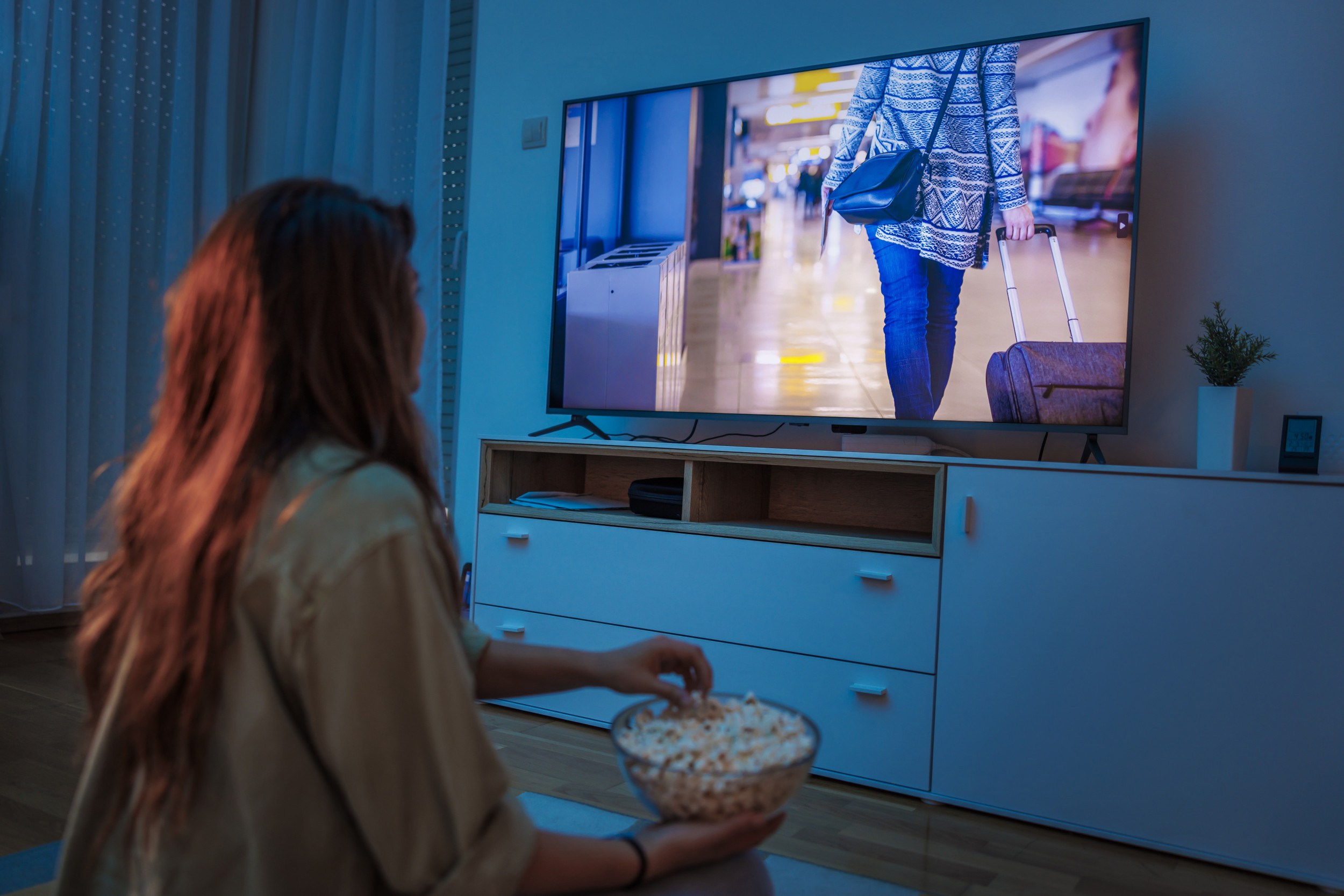
Nocturia, the need to wake up in the night to pee, is commonly associated with aging and conditions like benign prostatic hyperplasia, but it's increasingly affecting younger adults due to modern lifestyles and unhealthy drinking habits. Factors such as smoking, alcohol consumption, physical inactivity, and hormonal shifts can also contribute to this condition. Nocturia can be a sign of chronic conditions like hypertension, diabetes, and kidney impairment, and it can have negative consequences for overall health, including disrupting sleep and impacting blood sugar levels. To prevent nocturia, it's advised to schedule most fluid intake earlier in the day, limit fluid intake before bedtime, and avoid excessive screen time when waking up at night.
"Nighttime Urination: What It Reveals About Your Health"
health2 years ago

"Nighttime Urination: What It Reveals About Your Health"

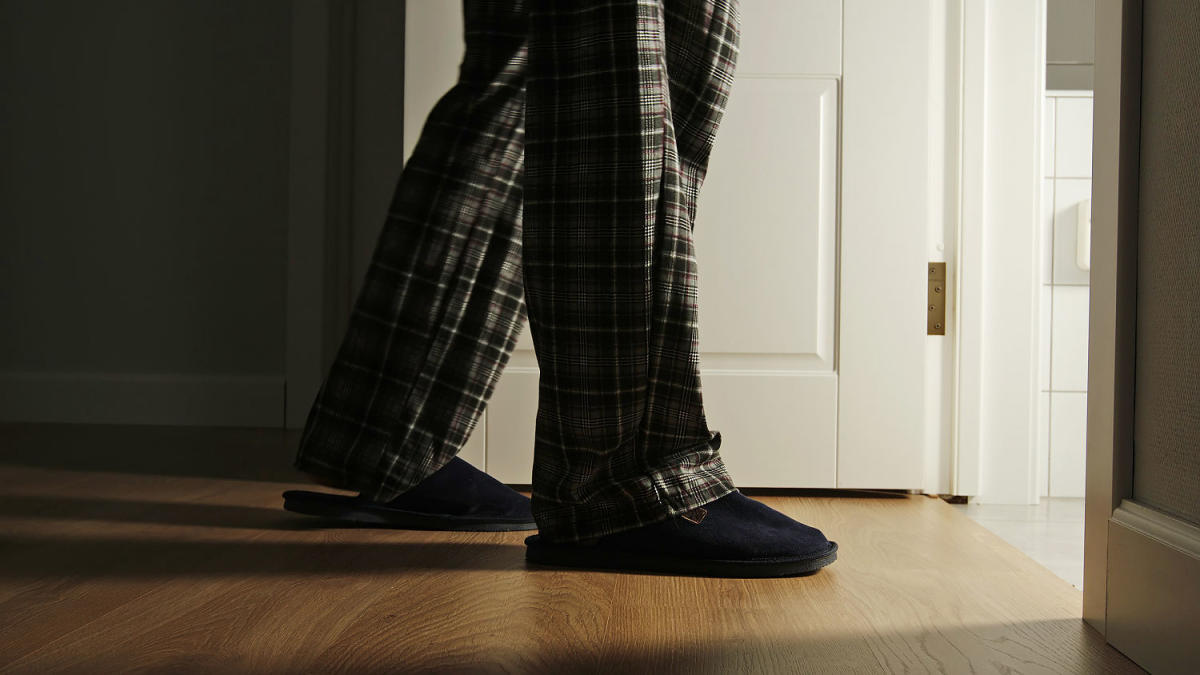
Nocturia, or waking up to pee multiple times at night, is a common issue that can disrupt sleep and may indicate an underlying health condition. Possible causes include overactive bladder, infections, prostate enlargement, diabetes, medications, and sleep disorders. To reduce nighttime urination, experts recommend restricting fluid intake before bedtime, avoiding alcohol and caffeine in the evening, and taking diuretics earlier in the day. If the problem persists, it's important to consult a doctor to rule out any health concerns.

"Nighttime Urination: What It Reveals About Your Health"
health2 years ago

"Nighttime Urination: What It Reveals About Your Health"

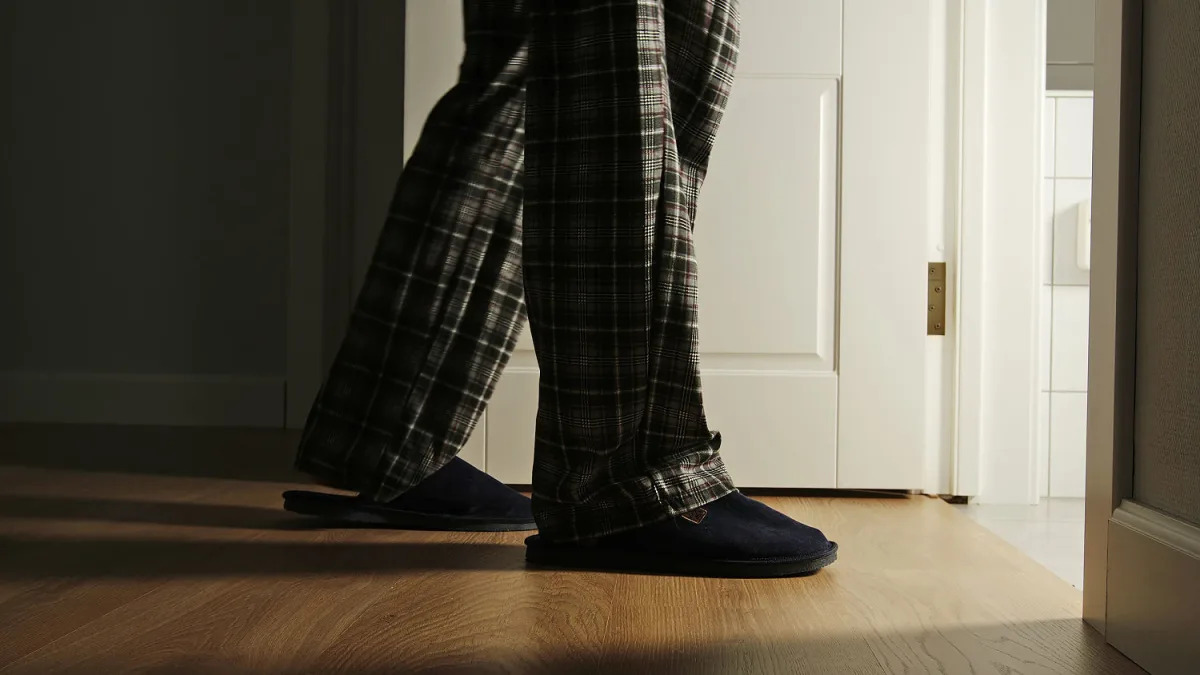
Nocturia, or waking up to pee multiple times at night, is a common issue that can disrupt sleep and may indicate an underlying health condition. Possible causes include drinking too many fluids, overactive bladder, infections, prostate enlargement, diabetes, medications, and sleep disorders. Nocturia can lead to sleep deprivation and increase the risk of various health issues. Managing fluid intake, using the bathroom before bed, and seeking medical advice for persistent nocturia are recommended strategies.

"Nighttime Urination Linked to Excessive TV Watching"
health2 years ago

"Nighttime Urination Linked to Excessive TV Watching"

A study suggests that adults who watch five or more hours of TV or videos per day are more likely to experience nocturia, waking up multiple times during the night to urinate. This condition can disrupt sleep patterns and have negative effects on overall health. Experts recommend reducing screen time, managing fluid intake, and seeking medical advice to address the issue.

"Excessive TV Viewing Linked to Increased Nighttime Bathroom Trips"
health2 years ago

"Excessive TV Viewing Linked to Increased Nighttime Bathroom Trips"

A study found that people who spend five or more hours watching TV or videos a day are 48% more likely to experience nocturia, the need to wake up and urinate two or more times a night. The researchers suggest that prolonged TV viewing may lead to neurological disorders, affect sleep quality, and increase fluid intake, all of which could contribute to the risk of experiencing nocturia. However, the study has limitations and cannot prove cause and effect. Healthcare professionals are encouraged to raise public awareness about this potential health risk, but it's important to note that nocturia is common, particularly among older people, and not necessarily a cause for concern.

"Excessive TV Viewing Linked to Nocturia Issue"
health2 years ago

"Excessive TV Viewing Linked to Nocturia Issue"

Research suggests that spending 5 or more hours a day watching TV or videos may increase the likelihood of experiencing nocturia, the need to pee multiple times during the night. Nocturia can lead to sleep disturbances and is associated with various health risks. The study, based on data from over 13,000 individuals, highlights the importance of understanding the impact of prolonged screen time on patterns of nocturia and suggests behavioral interventions and appropriate screen time management as potential solutions.

Solving Nocturnal Urination: Tips for a Restful Night's Sleep
health2 years ago

Solving Nocturnal Urination: Tips for a Restful Night's Sleep

Nocturia, a condition where individuals wake up multiple times during the night to urinate, affects many adults and can disrupt sleep. Causes include excessive fluid intake, alcohol or caffeine consumption, certain medications, and medical conditions like diabetes or urinary tract infections. Tips to reduce nocturia include monitoring caffeine intake, pelvic floor therapy, wearing compression socks, avoiding large beverages before bed, and taking a daily nap. If these strategies don't help, it's recommended to consult a doctor for further evaluation and treatment options.

"Peeing Frequency: When Does it Become Excessive?"
health2 years ago

"Peeing Frequency: When Does it Become Excessive?"

Nocturia, a condition where individuals wake up multiple times during the night to urinate, affects many adults and can be caused by various factors such as excessive fluid intake, caffeine, alcohol, or medical conditions. To reduce nighttime urination, limiting caffeine intake, practicing pelvic floor exercises, wearing compression socks, avoiding large beverages before bed, and taking a short nap during the day can be helpful. If these strategies do not alleviate the symptoms, it is recommended to consult a doctor for further evaluation and treatment options.

Unusual Indicators of Sleep Apnea Revealed
health2 years ago

Unusual Indicators of Sleep Apnea Revealed

Sleep apnea, a potentially dangerous condition where people stop breathing for 10 seconds or more, is often underdiagnosed or misdiagnosed. While snoring is a common symptom, there are other weird signs to watch for, including night sweats, frequent nighttime urination (nocturia), teeth grinding (bruxism), waking up with a headache, and symptoms that mimic mental health issues such as depression, fatigue, and insomnia. These signs may go unnoticed, making it important for partners and friends to encourage snorers to seek professional help.

"Urologist's 3 Tips to Prevent Overnight Urination"
health2 years ago

"Urologist's 3 Tips to Prevent Overnight Urination"

Urologist Dr. Edward Schaeffer shared three tips to help reduce nighttime urination. He advised avoiding drinking a lot of liquids before bed, especially those with diuretic properties like caffeine. Alcohol should also be avoided before bed as it inhibits the release of an anti-diuretic hormone. Additionally, wearing knee-high stockings can help reduce fluid retention in the legs, which can contribute to frequent nighttime urination. These behavioral modifications can potentially reduce nocturnal urinary frequency without the need for multiple medications.

"Say Goodbye to Midnight Bathroom Trips: Urologist Reveals the Key Habit to Break"
health2 years ago

"Say Goodbye to Midnight Bathroom Trips: Urologist Reveals the Key Habit to Break"

Urologist Dr. Edward Schaeffer shares three tips to reduce nighttime urination for men over 50 suffering from nocturia. First, avoid alcohol before bed as it increases bladder filling and suppresses the anti-urine production hormone. Second, refrain from drinking water before bed to prevent fluid buildup in the bladder. Lastly, wearing knee-high stockings can help reduce fluid retention in the legs, decreasing the need to urinate during the night.

"Urologist's Expert Tips to Prevent Nighttime Bathroom Trips"
health2 years ago

"Urologist's Expert Tips to Prevent Nighttime Bathroom Trips"

A urologist has shared three hacks to help men reduce nighttime urination. These include avoiding drinking water before bed, as it quickly fills the bladder; wearing knee-high stockings to reduce fluid retention in the legs; and avoiding alcohol, which suppresses the anti-urine production hormone. The urologist explained that nocturia, or waking up to urinate at night, is often caused by the normal enlargement of the prostate, which puts pressure on the bladder. These simple modifications can help men get an uninterrupted night of sleep.